Switzerland

Switzerland flourishes as a country of innovation and diversity while putting an emphasis on protecting its pristine nature, timeworn architecture, and unique traditions. While urban pleasure-seekers succumb to the temptations of world-class cuisine and sophisticated living, others are beguiled by medieval towns and candlelit villages. In the Alps, glitzy ski resorts exhibit fur boots and Ferraris, but there are also family destinations where children master their first snowplow. For adrenaline junkies, the dramatic geography means off-piste skiing, ice climbing, and one of the most renowned ski tours on Earth.

Switzerland-Guide-Lede-marco-meyer-unsplash.jpg

Photo by Marco Meyer/Unsplash

Overview

When’s the best time to go to Switzerland?

Switzerland offers much to do year-round, though summer and winter are the most popular seasons to visit. Warm summer temperatures reliably lure locals out to bask on lakeshores, traipse through villages, and saunter along meadows and mountain paths. The snow-free roads open up many climbing opportunities, and intrepid visitors don ice boots on mountain trams. Many towns play host to a plethora of summer festivals. Be warned, though—flash thunderstorms are not uncommon. Depending on snowfall, the ski season begins as early as November and goes through April, though the peak time is January to March. Swiss resorts are rated among the finest in Europe and attract visitors from around the world. Without a doubt, the ski facilities are the main draw in winter—though ice skating, ice climbing, and Christmas shopping are great side shows.

How to get around Switzerland

Due to its central location, Switzerland is easily accessible from nearly anywhere in Europe. High-speed trains offer routes to and from surrounding countries, and an extensive road system enables visiting drivers to reach even remote destinations. International airports in the cities of Zurich, Geneva, and Basel are serviced by multiple airlines, including Swiss. No visitor restrictions apply for stays of up to three months, after which a visa is required.

Switzerland has pioneered one of the most efficient and sustainable transit systems in the world—and rather than buying individual journeys, travelers can access it all using the Swiss Travel Pass. Plan routes throughout the country on electric trains powered by renewable energy, hybrid-electric buses, and boats using the SBB Mobile transit app. Explore cities and towns on foot or by bicycle. Zurich’s bike-rental facilities are conveniently located at three locations throughout the city, including the main train station—simply show your passport, leave a deposit, and borrow a bike for free. When getting around by vehicle, drivers must purchase a tax disc (vignette), costing 40 Swiss francs (US$45). In winter, many mountain passes are closed, so those traveling by car should contact Automobile Club der Schweiz before making a journey or better yet, catch the train. Most trains have dedicated spaces for luggage, skis, and snowboards, and many ski hills have trams and gondolas that run straight from train station terminals. The Swiss Travel Pass offers discounts on many of the nation’s gondolas and trams.

Food and drink to try in Switzerland

A combination of three vastly different food cultures has kept the Swiss at the forefront of celebrated gastronomy. German, French, and Italian influences infuse different regions, and within these, nature-based gastronomy blends sustainable elements of food through locally sourced, farm-to-table ingredients. In the countryside, it’s not uncommon to see local farmers selling cheese on the honor system at the end of a driveway—a sign of how fresh and local food is in this country. Switzerland is home to a plethora of mountain restaurants with jaw-dropping views. Some of them require work to reach the reward, while others are a mere tram ride away. Swiss wine, though seldom exported, is excellent—and often affordable. Vineyards offering overnight stays, cycling tours, and walking trails scatter the land in many regions. Pair fine pinot noirs, chasselas, and quintessential Swiss mountain landscapes with a traditional fondue or raclette.

Culture in Switzerland

Centuries-old traditions and modern-day nuances are abundant in Switzerland’s architecture, people, cities, villages, nature, and festivals and events. Among the most celebrated festivals is Swiss National Day on August 1; on this date seven centuries ago, the regions of the area took an oath of allegiance. This foundation of modern-day Switzerland is celebrated vehemently every year, and each region marks the occasion in its own manner, usually with fireworks, bonfires, lavish parades, floats, and music. It is one time you might see the Swiss really letting loose.

Switzerland’s business ethic is offset every summer by a range of festivals. At the forefront is the Montreux Jazz Festival, which pulls in diverse artists from around the world. Set on the waterfront of Lake Geneva, this monthlong festival burgeons every year thanks to its delightful ambience, variety of music, and free entry to all but a few concerts. Lucerne’s Blue Balls Festival draws legends of rock and pop. And for one day every August, Zurich is transformed into a musical heaven during its famous annual street parade.

Tips for responsible travel in Switzerland

Switzerland’s 26 regions, or cantons, have their own customs, traditions, and—in many cases—languages. Supporting the communities and people of those regions is as easy as using a local guide, staying at a locally owned and sustainable hotel, or buying goods made in the region. But perhaps the simplest way to be a responsible traveler in Switzerland is to walk, bike, and take public transit. After all, the beauty of this country is best seen by taking it slow on foot or bike and staring out the train window with a camera in hand.

Practical Information

The currency is the Swiss franc, though sometimes euros are accepted. The country’s three main languages are French, German, and Italian (a small minority also speaks Romansh). Most of the younger generation speak English. Switzerland (and neighboring Lichtenstein) use a J plug; travelers from the U.S. and Canada will need either a SEV 1011 or Earplug converter and an adapter for 240 V electricity.

Guide Editors

READ BEFORE YOU GO
HOTELS
Whether you’re a skier or an après-ski enthusiast, these 19 European hotels are ideal for a winter weather getaway.
Afar editors share the 2025 hotel stays they didn’t want to leave—and would happily return to.
Around the world, more hotels are inviting travelers into studios and workshops to create unique and highly personal souvenirs.
This winter, snuggle up in one of these insanely cozy bubbles, pods, cabins, and geodesic domes.
Dreamy Alpine retreats. Belle Époque icons. Epic spa resorts. These are Switzerland’s top 11 hotels.
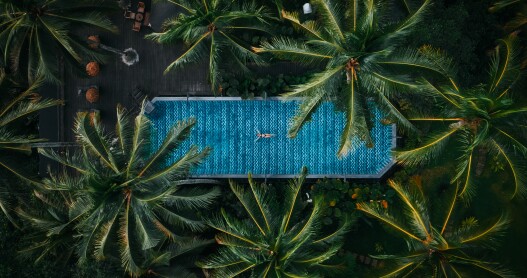
These hotel pools around the globe are worth building a trip around.
From the Swiss Alps to the Brazilian rain forest, these Airbnbs are worth booking just for the views.
Whether your dream vacation includes taking in the mountain air on a wellness break, soaking in a thermal spring, or strolling lakeside after a city tour, these extraordinary hotels offer a relaxing stay to top off memorable Swiss days.
From a minimalist sanctuary in Zurich to a modernist retreat nestled in the Alps, check into these inspiring properties during your next visit to what’s known as the Playground of Europe.
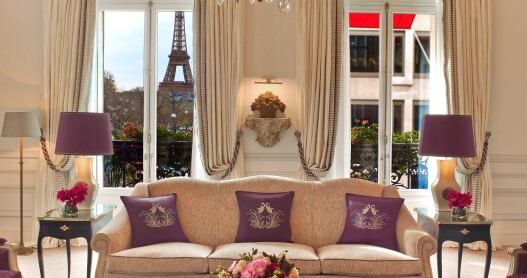
There’s nothing dreamier than a room with a view, and these luxurious hotels are perfectly positioned to give you the best views of some of Europe’s most memorable sights.
RESOURCES TO HELP PLAN YOUR TRIP
Most of Zurich’s department stores have restaurants, but by far and away the most sprawling—and value-oriented—is this spot, atop Manor near Hauptbahnhof. The city’s unofficial canteen has a tantalizing salad bar (that’s priced not by the pound, but by the plate, which you can pile as high as you would like for about 12 Swiss francs or $13), grill (for burgers topped with herbed butter, steaks and local fish prepared as you wait), and sections for pastas, stir-fries, desserts, and fresh-squeezed juices.
This “boutique coffee house” offers various pastries, macarons and croissants with wide selection of teas and coffees. It is a romantic place for coffee!
“Dini Mueter” translates to “your mother,” so it’s no surprise this is the most inviting restaurant on bustling, seedy Langstrasse, with a chalkboard wall, and the kitchen windows that overlook the long wooden communal table and the green-and-white gingham curtains. There are two daily changing specials—often incorporating seasonal, organic ingredients—plus a terrific brunch menu with eggs Benedict and fluffy pancakes topped with vanilla yogurt. Photo © Katja Granzin.
The owners of this bi-level bar in the Prime Tower took great pains to create its visually stunning speakeasy-style décor: the impressive 80-year-old wooden bar and six tons of subway tiles were shipped from New York City. On a recent evening, patrons sipped whiskeys from Japan and ginger wines from Scotland to a soundtrack that ranged from Bob Dylan’s “Mississippi” to Fink’s “Blueberry Pancakes.”
Atop the Prime Tower, Switzerland’s tallest building, Clouds offers two dining experiences: an ambitious restaurant that serves Mediterranean-inspired dishes such as a Jerusalem artichoke velouté with smoked mackerel as well as a bistro with more casual dishes and a terrific weekend breakfast. Both offer phenomenal views from floor-to-ceiling windows. Photo © Clouds.
Baur au Lac, the grande dame of Bahnhofstrasse hotels open since 1844, is home to the city’s most beautiful restaurant, with a stunning glass gazebo with Lalique chandeliers overlooking the hotel’s private park. Chef Laurent Eperon’s dishes are mostly contemporary takes rooted in French technique, though the menu has a special “Veau Suisse” section that includes a meltingly tender glazed veal knuckle that’s been cooked overnight.
Hugo Ball read the Dada Manifesto at this Altstadt cabaret in 1916, and an art movement was born. After extensive repairs, Dada’s birthplace reopened in 2004 with a bar along with exhibitions, readings, and a small lending library that pays homage to its historic past.
This Altstadt institution known for its specialty coffee beans, teas and spices also sells a small, but excellent selection of specialty Swiss chocolate bars, including Akesson’s and Idillio Origins, and delicious chocolate oddities like dark-chocolate covered Criollo beans and ginger sticks.
After the hip and edgy kids of Zurich West cool off at the graffitied Flussbad Oberer Letten on the banks of the Limmat River, they head to this buzzing spot nearby for excellent burgers from the grill and an impressive range of local beers. Photo © Caroline Minjolle/Zürich Tourism.
The Limmat River and Lake Zurich might be the showstoppers, but it would be a pity to overlook the charming Schanzengraben Canal. Built as a city fortification system in the 17th century, the canal is now lined with wooden boardwalks and sandstone slabs, and runs from the Gessnerbrücke past the Mannerbadi to the mouth of the lake at Bürkliplatz. It’s at its prettiest near the Baur au Lac hotel, but the action—water polo!—happens near the Selnaubrücke.