Spain

In Spain, something bright and beautiful will catch your eye every direction you turn. La vida Española—the Spanish life—is colorful and lived to the last drop. The food is rich and savored slowly, the people boisterous and friendly, the music lively, and the soccer matches rowdy. Spain is bursting with monuments to see, tapas to eat, wines to drink, and always one last walk to take.

TravelGuides_Spain_SusanFlynn_Unsplash.jpg

Photo by Susan Flynn/Unsplash

Overview

When’s the best time to go to Spain?

Spain is sunny almost year-round—excepting the green northern region of Galicia—but that doesn’t necessarily mean it is warm! Wear layered clothing; a scarf is a good idea in every season except summer. Check calendar dates to make sure you’re not arriving on a feria, or holiday weekend, most of which are in spring and winter. On these festival weekends, hotel rooms are difficult to get and prices go sky-high if you haven’t planned in advance.

How to get around Spain

Madrid and Barcelona are both well-connected international airports served by the metro. A plethora of taxis is always waiting outside. Upon arrival, use your card at an ATM in the airport to save on conversion fees and hit the town with the correct currency.

One of the best and fastest railways in Europe, the AVE train connects Barcelona to Madrid in a mere 2.5 hours; nothing is out of reach. The buses are also well-priced, comfortable, and have free Wi-Fi (pronounced wee-fee here). Car rentals are readily available, though prepare to pay somewhat hefty tolls on highways (autovías) and to park on windy, narrow streets, as many small cities don’t allow cars in the center. Domestic flights are inexpensive via RyanAir, EasyJet, and Iberia airlines.

Food and drink to try in Spain

Be courageous! Spanish cuisine is a delight for all the senses, and the best treats go to the bravest. From roast suckling pig to blood sausage, and oxtail to percebes (barnacles), diners can discover sensations and delicacies they’ve only dreamed of. The tradition of tapas (appetizer-sized portions) and raciones (dishes for two) is still alive, and this way one can try many things without filling up. Accompanying sips couldn’t be better: Spain boasts the delicious riojas, ruedas, riberas, and a whole host of other world-famous wines. Skip the sangria in restaurants, as it’s only for tourists. At the end of your meal, leave the loose change rounding up to a euro or two; at a very nice establishment, 10 percent of the bill is perfectly appropriate.

Culture in Spain

A proud people, Spaniards celebrate a history that is long and full of lore. Monuments to Christopher Columbus (here called Colón), the royal families, and conquerors are plentiful and adorn the streets. Food, art, wine, and nightlife are the essence of Spain. Be prepared to stay out a little later than normal, as the country really comes alive after dark. Soccer (fútbol) is very nearly a religion in Spain, with the favorites being Barcelona, Real Madrid, and Atlético Madrid. If you’re walking down a street and car horns are blaring, people are screaming, and flags are waving—don’t worry, it’s likely just the scoring of a goal.

Spain loves to party! Any excuse for a long weekend is taken, and many of these fall in the spring or during Christmastime. Holy Week (Semana Santa) and Three Kings Day are major national festivals, while many communities celebrate their own traditions such as the infamous Running of the Bulls, Las Fallas, and San Isidro festivals.

Local travel tips for Spain

The concept of siesta is alive and well. Most shops (except El Corte Ingles) will close each day from 2 to 5 p.m. to allow the staff a long, proper Spanish lunch and rest. Europe in general is more chic than the States; dress appropriately and you’ll have an easier time blending in. Spain has a low level of English relative to Europe, so bring that phrasebook or app to facilitate conversations; after all, the best places don’t have English signage! Most of all, “Disfruta la vida Española”—enjoy the Spanish life!

Guide Editor

Brandy Bell is a travel writer currently living in Madrid, Spain, where she dabbles in everything from nunchucks and hula hooping to street art. She is on a quest to build a recycled cello, perfect a French accent, and is currently planning a trip to South Africa where she hopes to skin dive with Great Whites. Follow her journey at Itsoneworldtravel.com.

READ BEFORE YOU GO
HOTELS
Whether you’re a skier or an après-ski enthusiast, these 19 European hotels are ideal for a winter weather getaway.
Travel like James Bond in these six beautiful destinations, from the beaches of Jamaica to the mountains of Austria.
Sure, the beaches and views are great. But these islands excel with sustainable innovation, rich local traditions, and unique accommodations.
Book one of these romantic retreats in these off-the-beaten-path honeymoon destinations.
AFAR’s picks for the 31 best new hotels in the world.
At these properties, the children’s programming goes far beyond basic caregiving services with immersive experiences that offer younger guests a deeper look into culture, nature, sustainability, and even themselves.
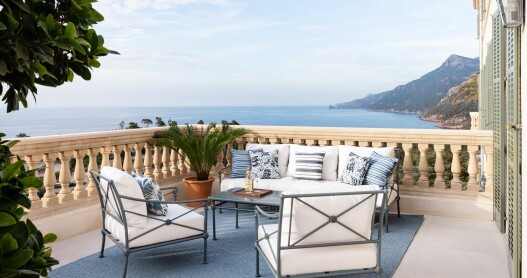
The largest of Spain’s Balearic Islands has become a hotbed of celebrity hotels yet remains blissfully low key.
Century-old grande dames, boutique stays in heritage buildings, seaside resorts: Barcelona’s best hotels offer both historic charm and modern luxury.
These hotel openings and events will do just that.
RESOURCES TO HELP PLAN YOUR TRIP
Northern Spain isn’t nearly as popular as the south among foreign visitors (if you discount the El Camino de Santiago), but for my money the north provides a more pleasurable experience. The mountainous terrain is spectacular, the food in every town we visited is splendid, the beer scene is surprisingly bubbly, and the quaint fishing villages, like quiet Comillas, provide respite from the hustle and bustle of big centers like Barca and Madrid. Comillas, scene here from the hills surrounding gorgeous Pontificial University, features an excellent beach, dozens of neat cafes in an ancient town center, and El Capricho, a building designed by famed Antoni Gaudí.
If you’re in Madrid and in the mood for tapas, you might not know exactly where to go or what to taste. The Mercado San Miguel (metro Sol) takes away all that decision-making by providing you with a taste experience all under one roof. The old, derelict market was renovated just a few years ago and turned into an upmarket culinary emporium of sorts. It has more than 30 food stalls, each selling something different. My favorite is the bellota ham sold at Carrasco, but there is plenty more. You can sample sherries and Rioja wines at the wine bar, or do as Spaniards do and pick away at tapas as you make your way through the market. I highly recommend the croquettes, or croquetas, in one of the outside alleys: they have ham, chicken, shrimp, cheese and a variety of others. The more standard tapas area easy to find, like tortilla, and seafood is beautifully laid out for you to pick and choose. Right in the middle is my top-rated tapa place. I couldn’t find a name for it but it’s the largest counter, shaped like a U, and has everything from potatoes aioli to steamed razor clams, with everything in-between.
There’s no shortage of architecturally-interesting museums and performance spaces in Spain but few come by their intrigue as honestly as Matadero Madrid (which was once the city’s abattoir). Built in a neo-Moorish style, the sprawling center hosts all kinds of creative endeavors today, from a Bicycle Film Festival to concerts to design exhibitions.
A short drive from the picturesque fishing village of Cadaques and Dalí’s House Museum in Port Lligat, Cap de Creus is one of my favorite places in Spain when it comes to natural beauty. Sweeping views of the ocean from atop the cliffs are even better after a lunch of fresh seafood paella, the catch of the day-baked, grilled or fried, or the restaurant’s surprisingly tasty Indian eats. Burn off lunch with a hike down the steep incline to the waterline, or just cop a squat and settle in to write, sketch or meditate.
In Rupit, Stone cottages with orangey-red terracotta roofs perch around a stream, half-hidden by the mountainous green hills. An hour and a half drive from Barcelona, walk around this beautiful, if tiny village (approximately 340 residents). Pose for pictures in the dovetailed doorway of the Smithy, and carefully cross its hanging wooden bridge, but remember, it will only support the weight of 10 people at a time. For sweeping views of the village, hike to St. Joan de Fàbregues, a Romanesque building perched on a hill.
A short trip from Barcelona via bus or car, explore Besalú’s medieval old town. Cross its restored 11th century bridge into a picturesque village with cobblestone streets. Shop for handmade trinkets or stop off for a meal or a drink in bars and restaurants offering traditional Catalan fare. While you’re there, be sure to stop off and see Besalú’s historic synagogue and Jewish ritual baths.
Pinotxo, which stands for Pinocchio in Catalan, is a longtime family-owned restaurant in the Mercat de la Boqueria, Barcelona‘s most important central market. Reasonable prices and fresh produce entice tourists and locals for breakfast, lunch, or a quick coffee and fried donut (called a xuxo). Look for Juanito in the bowtie.
In this espadrille workshop that opened just after the Spanish Civil War, traditional footware meets playful modern design. The Barcemola line features creative motifs inspired by Barcelona monuments on what was once considered a humble shoe for farmers. The workshop still makes the espadrilles for the Catalan police’s dress uniform. Address: La Manual Alpargatera C/Avinyo 7 08002, Barcelona
Easy to find and hard to leave, Ramses is modern but ultra comfortable. They managed to create a completely differente atmosphere in each room—from romantic dining to a bubbly champagne bar—but the outdoor lounge was my favorite. When traveling I typically won’t visit a place twice but, while sipping sangria outside surrounded by locals, I knew I’d come back to Ramses.
I realize that this is a highlight that may not even need words, since the image is so very convincing. If you find yourself exploring the Costa Brava (‘Rugged Coast’) of Spain, be sure not to miss the beach town of Calella and have lunch at the Hotel St. Roc to sample the local specialties and witness this view. Once you descend on foot from the Hotel St. Roc, you’ll start to see footpaths and stairs headed down to a few, beautifully quiet beaches. The water is clear, the swimming great, and siesta seems to never really end in that glorious sunshine.