Tennessee

Tennessee is awash in history—it was critical to the development of several genres of music, from country and jazz to blues and bluegrass; home to some of the most important battles of the Civil War; and the site of many major events in the struggle for civil rights. Nashville and Memphis are two of the most vibrant cities for live music in the country. Outdoor buffs can enjoy numerous hunting and fishing opportunities as well as several state and natural parks, including the most-visited national park in the country, the Great Smoky Mountains National Park.

original-hero-tn-greatsmokymountains-photobybobcarr-nps.jpg

Photo by Bob Carr/NPS

Overview

When’s the best time to go to Tennessee?

As in many Southern states, summers in Tennessee are muggy, with high humidity and temperatures that can make being outdoors pretty intolerable. Winters are comparatively mild—except for in mountainous Eastern Tennessee—though they can also be quite wet. Fortunately, the shoulder seasons of spring and fall are glorious, with wildflowers blanketing the rolling hills of Middle Tennessee in May and brightly colored leaves painting the eastern forests come October.

How to get around Tennessee

Many major airlines service Tennessee’s four largest cities, Nashville (BNA), Memphis (MEM), Chattanooga (CHA), and Knoxville (TYS), though some flights require connections through other hubs like Atlanta, Dallas, and Charlotte. Once you’re on the ground, three major highways crisscross the state, with I-40 connecting Memphis, Nashville, and Knoxville; I-24 running between Nashville and Chattanooga; and I-65 bisecting the state north to south. These scenic freeways can get you anywhere in the state and offer views of the mountains in the east, the hills of Middle Tennessee, and the gradual flattening of the topography as you approach the Mississippi River on the western border.

Tennesseans love their cars, so urban cores can get crowded during rush hour and on-street parking can be hard to find. Consider, as the locals do, using a commercial garage. This dedication to personal vehicles also means that public transit options are lacking in the major cities, but rideshare services have become a popular alternative.

Food and drink to try in Tennessee

In Tennessee, the best food is based on home cooking. Restaurants like Gus’s World Famous Fried Chicken in Mason and The Loveless Cafe outside of Nashville let southern staples like fried chicken and country ham shine in their humble roots, while spots like The Barn at Blackberry Farm in Walland and Husk in Nashville elevate folksy recipes into gourmet Appalachian cuisine. Each region of the state has specialty foods worth a pilgrimage, including Memphis-style dry ribs, the infernally spicy Nashville hot chicken, and even the unusual vinegar pie from the Tri-Cities in the northeast corner of Tennessee. While not as prolific as Kentucky bourbon, Tennessee whiskey also occupies an important spot in the hearts of many locals.

Culture in Tennessee

Tennessee is generally conservative, though liberal sentiments are more common in urban areas. Music brings everyone together, with major festivals across the state including the Beale Street Music Festival in Memphis, the CMA Fest in Nashville, the Bristol Rhythm & Roots Reunion, and Bonnaroo, a multi-genre music and camping festival in Manchester that’s one of the biggest gatherings of talent and fans in the nation every summer. Visual arts are also important, especially in the major cities of Memphis, Nashville, and Chattanooga, where you can find many worthwhile museums and public art installations.

Can’t miss things to do in Tennessee

Tennessee is known as the home of several important musical styles, with shrines to each one that are well worth visiting. Elvis Presley’s Memphis home, Graceland, is a mecca for fans of the King of Rock ’n’ Roll, while Nashville’s Ryman Auditorium, known as “The Mother Church of Country Music,” still hosts live performances on its fabled stage. In Bristol, the Birthplace of Country Music Museum opened in 2014 with exhibits detailing the legendary 1927 Bristol Sessions, during which recordings by icons like Jimmie Rodgers and the Carter Family introduced the music of Appalachia to the rest of the nation.

Practical Information

Visitors to Tennessee need to think about covering their skin with sunscreen during the summers, bug spray for the mosquitos that can get a little intense around sunset, and layers of clothing in the fall that can be peeled off as the days warm from chilly to quite pleasant. The state also stretches across two times zones, so be cognizant of that fact if you’re planning to drive from Nashville to East Tennessee.

Guide Editor

Chris Chamberlain is a food, drink, and travel writer based in his hometown of Nashville. One of the rare unicorns actually born in Music City, he has lived there his entire life except for four years in California, where he studied at Stanford and learned how to manipulate chopsticks. He is a regular contributor to Nashville Scene, StyleBlueprint, Sounds Like Nashville, The Local Palate, Thrillist, and Foodie Travel USA, and the author of The Southern Foodie, The Southern Foodie’s Guide to the Pig, and Nashville Beer: A Heady History of Music City Brewing.

READ BEFORE YOU GO
Trip ideas for staying in the moment, from a music-focused itinerary in the American South to an English garden tour (with plenty of stopping to smell the roses).
HOTELS
From Indonesia to France, these seven general managers around the globe share how they built their careers—and how they’re shaping the future of hotel leadership.
With their firepits and comfort-minded interiors, these are the best hideaways where you can embrace the chill this season.
When you’re not working 9 to 5, celebrate all things Dolly at the new SongTeller Hotel opening in downtown Nashville. Plus: The on-site Dolly’s Life of Many Colors Museum will house “the largest collection of Dolly’s life story ever displayed.”
Urban escapes, dude ranches, island retreats, and more: This list of the top 15 family-friendly hotels across the United States is your go-to guide for a multigenerational getaway.
Plan a getaway to the Blue Ridge Mountains with one of these isolated cabins you can rent in North Carolina, Tennessee, Virginia, or Georgia.
At these properties, the children’s programming goes far beyond basic caregiving services with immersive experiences that offer younger guests a deeper look into culture, nature, sustainability, and even themselves.
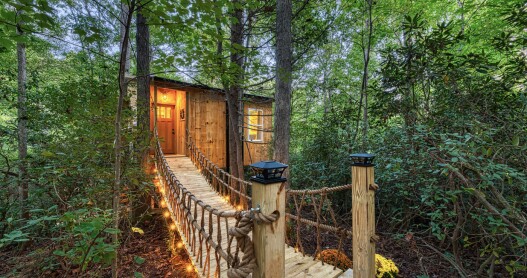
Bookings are now open for Bolt Farm Treehouse’s five new mirrored cabins in Tennessee.
Autograph Collection Hotels bring their unique histories into the present—and make for immersive guest experiences.
The alcohol-themed Vandyke Bed and Beverage proves a perfectly buzzed base for exploring Nashville’s coolest neighborhood.
Relax, reset, and recharge at the following hotels—each is ideal for a (long) weekend escape.
RESOURCES TO HELP PLAN YOUR TRIP
The term has a complex history and has evolved over the years.
For some autumnal adventure of the colorful kind, head to these places across the United States.
A great weekend features hot chicken and live music, sure, but don’t miss these other essential Nashville experiences.
Housed in a historic turn-of-the-20th-century building renovated to include nearly 10,500 square feet of exhibition space, 21c Museum Hotel is equal parts art gallery and modern lodging. Guests and the public will find a range of programs, from solo and group shows to rotating installations, curated by Alice Gray Stites. You’ll also find a touch of whimsy in the form of the brand’s signature penguin sculptures, a playful gesture that extends to the guest rooms. Featuring light hardwood floors, white walls, and colorful modern furnishings, they serve as a coordinating backdrop for original works by local artists; flat-screen televisions, Nespresso coffee makers, and Malin + Goetz bath amenities keep things comfortable. Downstairs, the chef at Gray & Dudley transforms ingredients from neighborhood markets and farms into dishes like pan-roasted duck breast with apple purée and black-eyed pea falafel. Another must-try indulgence? The small spa requires 24-hour advance reservations, but the calm respite after a day of sightseeing makes it worth the wait.
Major metropolises are often known for their innovation and creativity, but these smaller towns and cities punch above their weight.
Rhinestones, tassels, boots so pointy they’d make toes bleed...what more could you expect from Nashville‘s monument to the music that made it famous? Well, plenty more, as it turns out. The Hall of Fame contains some seriously impressive artifacts from musical history, from Bill Monroe’s Loar F5 mandolin and Johnny Cash’s iconic black suit to Webb Pierce’s car, pimped-out with silver guns for door handles and steer horns mounted on the front grille. Sprawled across several floors, the Hall of Fame misses few details as it tells the story of “hillbilly” music (although the expansive exhibit about Hank Williams is notably sketchy on the particulars of his early death). Big, bold, and shameless, this is one heck of a celebration of country music.
This sprawl of green—132 acres’ worth—is an oasis for urbanites. The park’s centerpiece, the Nashville Parthenon, is a full-scale replica of the Grecian structure and a physical testimony to Nashville’s “Athens of the South” nickname. The park’s bandshell hosts Shakespeare in the Park and occasionally serves as the site of the popular Movies in the Park, but because this is Nashville, a free live music series called Musicians Corner dominates the summer programming. On Saturday afternoons from May through September, music lovers, families, and pets gather to enjoy an impressive lineup of musicians, as well as local food trucks and a beer garden. Recent performers have included Preservation Hall Jazz Band and local favorites Rayland Baxter, Cale Tyson, and Langhorne Slim.
Streams in the Smoky Mountains are among the most productive mountain trout fisheries in the world, but without knowing where to go, you’re likely to do a lot more fishing than catching. The staff at the Smoky Mountain Angler, Gatlinburg’s most respected tackle and guide shop, can point you in the right direction. Better yet, they can take you there, whether you want to target trout or bass. They’re also proficient in the quickly growing technique of Euro nymphing, featuring fast-sinking flies that open up waters that are nearly impossible to fish with a traditional approach. The Angler also sells fishing licenses and rents waders and rods, so even if you’re determined to have a solo outing, it’s a smart first stop.
On a mountainside surrounded by the national park, this nine–zip-line course stands apart from many of its competitors in the Southeast. Owned and designed by professionals who build courses all over the world (they own a second in-house location in Oahu), the course sends you soaring over streams and ravines in a 2.5-hour tour. It begins with an ATV ride up the mountain and includes three suspended “sky bridges.” Night and sunset tours are available during summer. Equally exciting and even more challenging is Climb Works’ two-mile El Regis mountain-bike trail. Although it’s beginner-friendly, the combination of ascent and descent ensures that intermediate riders will feel the burn, and optional routes that include wood features, berms, and rollers attract even seasoned experts. Climb Works avoids the touristy feel of some zip-line companies, thanks to a company culture based around sustainability and environmental stewardship.
Many of the Smoky Mountains’ earliest tourists came here to shop from local craftsmen, popularized by the Pi Beta Phi women’s fraternity that chose supporting these mountain folk artists as their cause. In 1912, the women established a public school for the local children, evolving into the Arrowmont School of Arts of Crafts that persists today. Centuries-old trades continue to be passed down, and visitors will find woodworking, basket weaving, ceramics, and metalworks created in the same manner they have for generations. An organized eight-mile loop road includes stops at 120 artists’ studios and workshops, many with live demonstrations. Travel it at your leisure, or break it up over several days as you discover this thriving remnant of the culture that shaped Southern Appalachia.