Berlin

Whether your interests lean toward history or culture or shopping or out-all-night fun or, even better, a mix, Berlin is sure to become one of your essential vacation spots. The city is loaded with writers and artists who are driving the conversation about the history city forward. The once divided city has turned into one of Europe’s cultural hot spots, where the fun goes on into the early hours of the morning before kicking right back off again. But Berlin’s ultra-modern present sits side-by-side with Germany’s history—most notably the country’s role during the 20th century and World War II. The city doesn’t shy away from its past, with sites including the Memorial to the Murdered Jews of Europe. Other worthwhile history stops include Checkpoint Charlie and the Brandenburg Gate.

Four people with big pints of beer cheersing

TTstudio / Shutterstock

Overview

When’s the best time to go to Berlin?

Berlin is famous for its summers—not that they’re especially warm, but there is just so much to do. The summer season can be wet, so it’s best to pack an umbrella—though rain doesn’t stop Berliners from enjoying their city. May is often considered the best time to visit, with good weather and plenty of festivals and events. Winters in Berlin are cold (below freezing in January and February), but the cultural events don’t disappear. Locals stay busy with seasonal festivities and quirky adventures like skiing on the grounds of the former Tempelhof Airport, which is now a giant city park.

How to get around Berlin

Berlin is served by two main airports. Tegel (TXL) is conveniently located within the city limits. Public buses (20 minutes) run from Tegel regularly to Berlin Hauptbahnhof and Alexanderplatz. Schonefeld Airport is connected to the city by S-Bahn and regional trains (30 minutes).

Berlin’s transportation system, the BVG, is reliable, convenient, and vast, and it includes buses, trains, and trams. As in many European countries, the BVG runs on the honor system, so make sure to validate your ticket before boarding. At random times, officers check the tickets of each passenger. The U-Bahn trains (underground lines) run until late and are round-the-clock on weekends; S-Bahn trains (commuter lines) traverse the city, making them best for fast connections. Taxis in Berlin are readily available, as are services like Uber.

Can’t miss things to do in Berlin

To really get a feel for Berlin’s cultural life, it’s best to visit one of the many parks and public spaces on a sunny afternoon or early in the evening. Görlitzer Park is one of the most popular hangouts, but you’ll find more locals at the Volkspark Friedrichshain. There’s a beer garden, a small hill for hiking, and even a fairy-tale fountain (the Märchenbrunnen). Museum goers should head straight to Museum Island, where five exquisite museums (all on one ticket) await.

For an overview of all that happened before, during, and since the Holocaust, seek out the Jüdisches Museum (Jewish Museum). The museum is a challenging but extremely worthwhile place to spend time.

Food and drink to try in Berlin

Food in Berlin runs the gamut—from cheap street foods (don’t miss the ubiquitous doner kebabs) to fine dining. Each Berlin neighborhood, or kiez, typically has its own food market. Fresh vegetables, produce, and bread can be bought at the markets, and many have small stands selling lunch or snacks.

Though, years ago, few people would have shouted “Berlin!” if asked for one of the world’s best food cities, things have changed. Trendy brunch spots, Vietnamese restaurants, and traditional German fare all play a role in today’s Berlin. Most tourists flock to the bars around Görlitzer Bahnhof and Schlesisches Tor, but there are plenty of other areas worth exploring. Branch out into Neukölln for the freshest crop of good bars. And rather than hitting the restaurants on Simon-Dach Strasse in Friedrichshain, go a few blocks east to Boxhagener Platz.

Culture in Berlin

With hundreds of independent galleries in addition to its many city-owned museums, Berlin has history and culture in spades. Museums cover everything from typography (Buchstabenmuseum) to film (Film and Television Museum). Art galleries in Berlin have a solid reputation among enthusiasts. Berlin was a hotbed for culture in the 1920s, and in recent years the city has again embraced its creative classes. Get some deep background on what life was like in Berlin during the Cold War by participating in Divided City, a private walking tour led by a local historian or architect from AFAR’s partner, Context Travel.

Artists, musicians, and innovators have made Berlin home in the past couple of decades, changing the very face of the city—sometimes quite literally. Street art and graffiti in Berlin is often ranked among the world’s best thanks to Berliners’ need to speak up and be heard.

In a city as diverse as Berlin, festivals and events happen all year long. Summertime sees an influx of music festivals: watch out for MyFest, Christopher Street Day gay pride, Carnival of Cultures, and Berlin Music Week. The winter has its fair share of festivals as well, most notably the star-studded Berlinale indepedent film festival.

Practical Information

  • The first language of Berlin is German. There’s a good chance you’ll run into English speakers in the city but a translation app or German language guide is definitely helpful.
  • Germany is a member of the European Union and uses the Euro as its currency.
  • The country’s standard voltage is 230v. Power sockets throughout the country require a type F adapter (though type C and E plugs will also work).

Guide Editor

READ BEFORE YOU GO
HOTELS
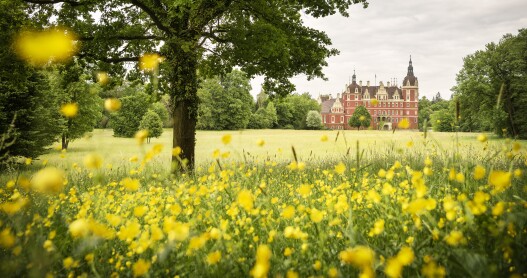
Berlin is a masterpiece of urban planning, from the Museum Island at the heart of its walkable center to groundbreaking Modernism Housing Estates, plus epic parks and forests waiting just a stone’s throw away.
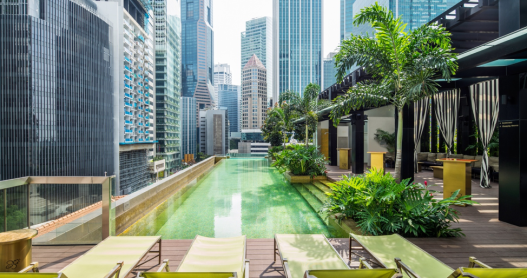
From shopping sprees in Singapore to thumping clubs in Berlin, the world is full of cool cities that move to the pulse of pop culture. Staying at the right hotel is one way to find the hippest places to eat, shop, and play.
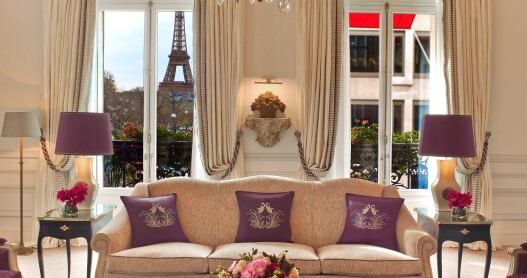
There’s nothing dreamier than a room with a view, and these luxurious hotels are perfectly positioned to give you the best views of some of Europe’s most memorable sights.
RESOURCES TO HELP PLAN YOUR TRIP
It might be small and simple—conspicuously bare white walls, just a smattering of handmade wooden tables topped with flower arrangements, and a few barstools—but the updated German cuisine at Lokal is far from basic. With a commitment to local and organic ingredients, the kitchen draws on classic carnivore favorites like offal and game, making them look and taste completely unique. There are usually a couple of equally tasty dishes for vegetarians, also created using ingredients sourced from farms around Berlin. The atmosphere is generally quiet and pleasantly refined.
One of the biggest stars of the five museums on Museum Island, the Pergamon was the last to open, in 1930. Built to resemble a Babylonian temple, it houses a trove of ancient treasures from the Middle East, with highlights that include the enormous Pergamon Altar, dating from around 170 B.C.E. and featuring a dramatic frieze showing a battle between gods and giants; the two-story Market Gate of Miletus, built by the Romans in 120 C.E.; and the equally impressive Ishtar Gate, from the reign of Nebuchadnezzar II in the 6th century B.C.E. Another poignant highlight, given the large influx of Syrian refugees into the city since 2015, is the 17th-century Aleppo Room, a reception chamber from a merchant’s house with exquisitely carved wall decorations.
Even fun has a shelf life. This is what runs through my mind as I walk around Spreepark, the abandoned, dilapidated amusement park in Berlin. When East Germany and the GDR fell, so did many of the businesses operating under the rules of communism. They were never really able to make the transition to capitalism successfully. Spreepark, located in the East German part of Berlin, was one such casualty. Even though Spreepark is “dead,” it is now a present-day photographic amusement park. The park is closely guarded, and trespassing is typical but also dangerous, so an enthusiastic, enterprising young man has started running tours on the weekend, providing access to shoot away to your heart’s content. The rides and stands have all deteriorated in place over the years, which makes for an eerie photographic landscape. More Information: Tour information (only in German) – www.berliner-spreepark.de/ – Tours are given mainly on the weekends. If you want to go on a tour, contact him, as he does know a little English and you can at least book yourself into a tour and get access for photography—even if you don’t understand the stories.
The architecturally striking Jewish Museum is the best place in Berlin to get an overview of German-Jewish relations and to understand the nature of the integration of the two cultures before the Holocaust’s horrors. Designed by Daniel Libeskind, the building is clad in polished silver metal and features severe angles and thin window slits that create a deliberately jarring impression. The interior is equally intriguing, especially the three long, intersecting corridors that lead to installations addressing aspects of the Holocaust: a garden of pillars meant to disorient; a windowless Holocaust Tower; and a space filled with thousands of grimacing iron masks that grind together as you walk on them. Across the street, the Jewish Academy (open to the public) has a related research center, library, and educational institution.
Bauhaus—the German design, crafts, and architecture school founded in 1919 by Walter Gropius—is one of the most famous design movements of the 20th century, and this Berlin museum shows its impressive breadth and influence. Designed by Gropius himself and completed in 1979, the building holds a wealth of Bauhaus items such as furniture (lamps, chairs, tables), ceramics, photography, and theater pieces by an array of the movement’s most famous teachers and practitioners, including Gropius, Johannes Itten, Paul Klee, Lyonel Feininger, Wassily Kandinsky, László Moholy-Nagy, and Ludwig Mies van der Rohe. (Note: The museum is temporarily located in the Charlottenburg district while the main building is being renovated and extended to pay tribute to the movement’s centennial.)
Continental Europe’s largest shopping department has been supplying well-heeled Berliners with fine foods and upscale fashion for over a hundred years. Eight floors specialise in different goods, but the two most impressive are the ground floor and its ‘Luxury Boulevard,’ which features stores by the likes of Chanel, Bulgari and Tiffany & Co., and the sixth floor’s food hall, where regulars and visitors alike can be found perched at the champagne and oyster bars. More modestly-priced meals and some impressive views can be found in the glass-ceilinged cafe-restaurant on the seventh floor.
Occupying a prominent space between Brandenburg Gate and Potsdamer Platz, this memorial (also known as the Holocaust-Mahnmal, or Holocaust Memorial) has almost 3,000 gray oblong pillars (stelae), arranged at varying heights, that form a kind of labyrinth intended to reference the disorientation felt by Europe’s hunted Jewish population. Designed by New York architect Peter Eisenman, it opened in 2005. The effectiveness of the labyrinth is arguable; you may see groups of teenagers playing tag and picnicking on and among the blocks. However, there’s no denying the power of the site’s underground information center, which relates some of the life stories of Holocaust victims. Several other smaller but related memorials are nearby, dedicated to homosexuals, gypsies, and victims of National Socialist euthanasia killings.
Napoléon and his armies marched through it; revolutionaries and Nazis gathered beneath it; the Berlin Wall ran right behind: It’s safe to say that Berlin’s iconic Brandenburg Gate, completed in 1791, has pretty much seen it all. Designed by Carl Gotthard Langhans, who drew inspiration from the entrance to the Acropolis in Athens, the gate is best approached via Unter den Linden, the tree-lined boulevard that runs between the gate and the former Royal Palace. You can combine a visit here with nearby sights such as the Reichstag, Tiergarten Park, and the Memorial to the Murdered Jews of Europe. Since 2016, an impressive high-tech museum at the gate has offered a history of the city through the perspective of the iconic structure.
Built by Kaiser Wilhelm I in the late 19th century as a gesture to parliamentarians, Berlin’s famed Reichstag came into its own during the Weimar era—Germany’s first attempt at democracy. The parliament building burned under mysterious circumstances in 1933, leading to the suspension of civil rights and Hitler’s ensuing dictatorship. Seized and shot to pieces by Soviet troops in 1945, then abandoned during the city’s division, the traumatized building reentered public life when the German government returned to Berlin following reunification. Today the Reichstag stands proud, topped by a glass dome designed by British architect Sir Norman Foster as a symbol of political transparency. Going inside the dome is very popular; you can look down on plenary sessions as well as admire sweeping city views.
While living in Berlin, I stayed on Warschauer Strasse, on the end closest to the U-Bahn station of the same name. On an evening walk before dinner, I took a walk down the street to explore my new surroundings. This particular set of doors is the epitome of the neighborhood, to me.