Switzerland

Switzerland flourishes as a country of innovation and diversity while putting an emphasis on protecting its pristine nature, timeworn architecture, and unique traditions. While urban pleasure-seekers succumb to the temptations of world-class cuisine and sophisticated living, others are beguiled by medieval towns and candlelit villages. In the Alps, glitzy ski resorts exhibit fur boots and Ferraris, but there are also family destinations where children master their first snowplow. For adrenaline junkies, the dramatic geography means off-piste skiing, ice climbing, and one of the most renowned ski tours on Earth.

Switzerland-Guide-Lede-marco-meyer-unsplash.jpg

Photo by Marco Meyer/Unsplash

Overview

When’s the best time to go to Switzerland?

Switzerland offers much to do year-round, though summer and winter are the most popular seasons to visit. Warm summer temperatures reliably lure locals out to bask on lakeshores, traipse through villages, and saunter along meadows and mountain paths. The snow-free roads open up many climbing opportunities, and intrepid visitors don ice boots on mountain trams. Many towns play host to a plethora of summer festivals. Be warned, though—flash thunderstorms are not uncommon. Depending on snowfall, the ski season begins as early as November and goes through April, though the peak time is January to March. Swiss resorts are rated among the finest in Europe and attract visitors from around the world. Without a doubt, the ski facilities are the main draw in winter—though ice skating, ice climbing, and Christmas shopping are great side shows.

How to get around Switzerland

Due to its central location, Switzerland is easily accessible from nearly anywhere in Europe. High-speed trains offer routes to and from surrounding countries, and an extensive road system enables visiting drivers to reach even remote destinations. International airports in the cities of Zurich, Geneva, and Basel are serviced by multiple airlines, including Swiss. No visitor restrictions apply for stays of up to three months, after which a visa is required.

Switzerland has pioneered one of the most efficient and sustainable transit systems in the world—and rather than buying individual journeys, travelers can access it all using the Swiss Travel Pass. Plan routes throughout the country on electric trains powered by renewable energy, hybrid-electric buses, and boats using the SBB Mobile transit app. Explore cities and towns on foot or by bicycle. Zurich’s bike-rental facilities are conveniently located at three locations throughout the city, including the main train station—simply show your passport, leave a deposit, and borrow a bike for free. When getting around by vehicle, drivers must purchase a tax disc (vignette), costing 40 Swiss francs (US$45). In winter, many mountain passes are closed, so those traveling by car should contact Automobile Club der Schweiz before making a journey or better yet, catch the train. Most trains have dedicated spaces for luggage, skis, and snowboards, and many ski hills have trams and gondolas that run straight from train station terminals. The Swiss Travel Pass offers discounts on many of the nation’s gondolas and trams.

Food and drink to try in Switzerland

A combination of three vastly different food cultures has kept the Swiss at the forefront of celebrated gastronomy. German, French, and Italian influences infuse different regions, and within these, nature-based gastronomy blends sustainable elements of food through locally sourced, farm-to-table ingredients. In the countryside, it’s not uncommon to see local farmers selling cheese on the honor system at the end of a driveway—a sign of how fresh and local food is in this country. Switzerland is home to a plethora of mountain restaurants with jaw-dropping views. Some of them require work to reach the reward, while others are a mere tram ride away. Swiss wine, though seldom exported, is excellent—and often affordable. Vineyards offering overnight stays, cycling tours, and walking trails scatter the land in many regions. Pair fine pinot noirs, chasselas, and quintessential Swiss mountain landscapes with a traditional fondue or raclette.

Culture in Switzerland

Centuries-old traditions and modern-day nuances are abundant in Switzerland’s architecture, people, cities, villages, nature, and festivals and events. Among the most celebrated festivals is Swiss National Day on August 1; on this date seven centuries ago, the regions of the area took an oath of allegiance. This foundation of modern-day Switzerland is celebrated vehemently every year, and each region marks the occasion in its own manner, usually with fireworks, bonfires, lavish parades, floats, and music. It is one time you might see the Swiss really letting loose.

Switzerland’s business ethic is offset every summer by a range of festivals. At the forefront is the Montreux Jazz Festival, which pulls in diverse artists from around the world. Set on the waterfront of Lake Geneva, this monthlong festival burgeons every year thanks to its delightful ambience, variety of music, and free entry to all but a few concerts. Lucerne’s Blue Balls Festival draws legends of rock and pop. And for one day every August, Zurich is transformed into a musical heaven during its famous annual street parade.

Tips for responsible travel in Switzerland

Switzerland’s 26 regions, or cantons, have their own customs, traditions, and—in many cases—languages. Supporting the communities and people of those regions is as easy as using a local guide, staying at a locally owned and sustainable hotel, or buying goods made in the region. But perhaps the simplest way to be a responsible traveler in Switzerland is to walk, bike, and take public transit. After all, the beauty of this country is best seen by taking it slow on foot or bike and staring out the train window with a camera in hand.

Practical Information

The currency is the Swiss franc, though sometimes euros are accepted. The country’s three main languages are French, German, and Italian (a small minority also speaks Romansh). Most of the younger generation speak English. Switzerland (and neighboring Lichtenstein) use a J plug; travelers from the U.S. and Canada will need either a SEV 1011 or Earplug converter and an adapter for 240 V electricity.

Guide Editors

READ BEFORE YOU GO
HOTELS
Whether you’re a skier or an après-ski enthusiast, these 19 European hotels are ideal for a winter weather getaway.
Afar editors share the 2025 hotel stays they didn’t want to leave—and would happily return to.
Around the world, more hotels are inviting travelers into studios and workshops to create unique and highly personal souvenirs.
This winter, snuggle up in one of these insanely cozy bubbles, pods, cabins, and geodesic domes.
Dreamy Alpine retreats. Belle Époque icons. Epic spa resorts. These are Switzerland’s top 11 hotels.
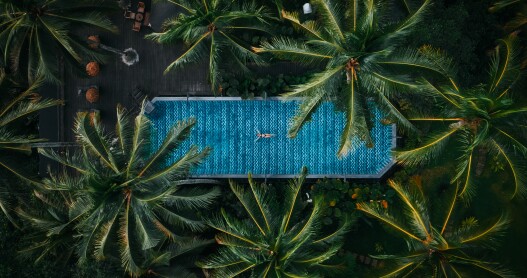
These hotel pools around the globe are worth building a trip around.
From the Swiss Alps to the Brazilian rain forest, these Airbnbs are worth booking just for the views.
Whether your dream vacation includes taking in the mountain air on a wellness break, soaking in a thermal spring, or strolling lakeside after a city tour, these extraordinary hotels offer a relaxing stay to top off memorable Swiss days.
From a minimalist sanctuary in Zurich to a modernist retreat nestled in the Alps, check into these inspiring properties during your next visit to what’s known as the Playground of Europe.
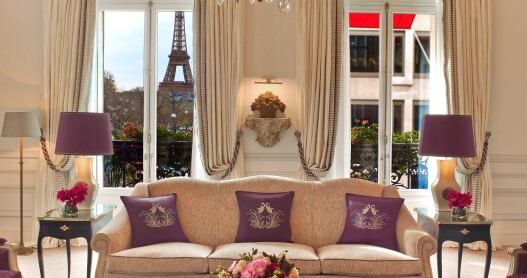
There’s nothing dreamier than a room with a view, and these luxurious hotels are perfectly positioned to give you the best views of some of Europe’s most memorable sights.
RESOURCES TO HELP PLAN YOUR TRIP
Clear alpine lakes, bucolic valleys, dramatic craggy peaks, fresh mountain air, perfect chalets, the gentle tinkling of cowbells carried on the breeze: The Swiss Alps remain the most iconic mountain landscape in the world. Drive over breathtaking mountain passes, hike meticulously maintained trails, ski pristine powder, indulge in a world-class spa – the picture-perfect scenery will stay with you long after you leave.
The Swiss Riviera stretches from Lausanne to Montreux and encompasses the beautiful Lavaux vineyards perched on steep hills with a dramatic view of the lake and the Alps on the other side. Then you reach Vevey and its old town, passing La-Tour-de-Peilz before ending in Montreux, its casino and of course Chillon castle.
From champagne truffles and single-origin chocolate to indulgent cakes and chocolate covered beans, Zurich is heaven for chocoholics. Teuscher is synonymous with Swiss chocolate and its flagship store is here in Zurich - don’t forget to try the Dom Perignon-infused truffle. The best hot chocolate in Zurich is served in the fairy-tale setting of Café Conditorei Schober while Sprüngli specializes in ginormous ice cream sundaes.
From one of Switzerland’s most iconic lakes to quaint cobblestone backstreets, there are certain unforgettable views in Zurich. Elegance and efficiency are entwined at Zurich’s Paradeplatz, home to many of the largest Swiss banks. Expense and affluence are flaunted on Bahnhofstrasse, lined with designer shops. Nostalgia fills the air around James Joyce’s grave at Friedhof Fluntern cemetery, and the view of the stained glass windows in Zurich’s Fraumünster church is sublime.
Dining in one of Zurich’s classic restaurants is not only a treat for the taste buds, but also a step back into Switzerland’s past. The almost 100-year-old Kronenhalle is among the most esteemed of Zurich’s restaurants, with its fabulous food matched by the expensive decor. Alfresco dining doesn’t get better than snuggling under a blanket outside the Zunfthaus zur Zimmerleuten and indulging in an all-you-can-eat fondue session. Zurich is also home to the world’s oldest vegetarian restaurant.
If indulging in some of the most expensive food in Switzerland is not your thing, Zurich offers a host of cheap eats. Try a 10 franc sandwich with your choice of filling from a flower shop near the ETH Zurich or the vegetarian buffet close to Zurich’s Opera House. Don’t forget Zurich’s department stores which have affordable buffets; the best of which is atop Manor and is priced by the plate not the pound.
A visit to Switzerland wouldn’t be complete without indulging in some of its most luxurious local experiences. High-end eateries dot the streets of Geneva and Zurich, while hidden in the stunning Swiss mountains are some exquisite Michelin-starred restaurants. Think it’s time to purchase one of the world’s best watches? Switzerland’s affluent cities boast a plethora of opportunities to find your perfect luxury timepiece—maybe an Omega, Rolex, or Tag.
Switzerland draws influence from neighboring countries France, Germany, and Italy to produce some of the most refined dining in Europe. From traditional mountainside restaurants serving up fondue, raclette, and rösti to exquisite inner-city dining in Zurich and Geneva, the Swiss simply excel at gastronomy. Explore Switzerland’s best alpine restaurants, seafood eateries, and melt-in-the-mouth Swiss cheese hotspots—including a few Michelin-starred treats along the way.
Along with its renowned cheese fondue, the Suisse Romande region offers a range of walks, spas, chocolates, and wines to enjoy. Dotted around this French-speaking part of Switzerland are traditional cities and towns like Gruyeres and Fribourg that serve up melt-in-the-mouth cheeses. Then delve into Romande Suisse culture with a trip to Lausanne’s Gothic cathedral, or experience the sound of the famous Swiss alpenhorn in Martigny.
Zurich West is trendy, diverse and the ideal shopping hot spot. Im Viadukt is Zurich’s first covered market with over 50 vendors peddling everything from local wine and liquors to fabulously smelly cheeses. Gerolds Markt is lovely and houses seven independent boutiques, but the coolest store in Zurich, possibly the world, is Freitag. Here individually designed cult messenger bags are sold in 19-stacked shipping containers.