South Africa

With its cultural diversity, stunning natural landscapes, wildlife experiences, and vibrant urban hubs, South Africa makes for a life-changing travel destination. Its cosmopolitan cities, like Cape Town and Johannesburg, are bursting with art, fashion, and restaurants, as well as historical offerings that help travelers better understand the country’s complex past. Of course, in Cape Town, there are also scenic beaches and hikes, and the famed Cape Winelands district is just a short drive away. On safari, visitors can experience wildlife in the most powerful way: by getting up close to the animals themselves.

SouthAfrica-marcreation-unsplash.jpg

Photo by Marcreation/Unsplash

Overview

When’s the best time to go to South Africa?

Apart from a few exceptions, there is no bad time to travel to South Africa. Cape Town has a wonderful Mediterranean climate, with hot, sunny summers and cool, only occasionally rainy winters. Strike a balance and visit in the shoulder seasons of spring or fall, when the city isn’t throbbing with tourists. Johannesburg, an inland city set atop the Highveld plateau, has pleasant weather year-round, although it’s particularly lovely in March, September, and November. Durban, on the other hand, has a hot, humid subtropical climate, so avoid the summer rainy season and visit between May and September when it’s less stormy. You’ll also want to plan your visit to Kruger National Park for some time between the dry winter months of July and September, when the weather is better, the bush thins out, and animals congregate around waterholes and rivers.

Many businesses in South Africa shut down between mid-December and mid-January for the holiday season. This also tends to be the most expensive time of year to travel around the country because visitors are competing with locals on vacation.

How to get around South Africa

South Africa has many international airports; the most popular are O.R. Tambo International in Johannesburg (JNB), Cape Town International (CPT), and King Shaka International in Durban (DUR). Once in the country, driving is the easiest way to get around. Visitors can rent cars at any international or regional airport but should be aware that South Africans drive on the left side of the road. When driving in the cities, also be sure to carry small change for car guards (people who help you find a parking spot and watch your car until you return), as well as for the tolls on South Africa’s national roads.

Even without a car, it’s easy enough to get around urban areas by booking private transfers through your accommodation or by using ride-sharing services like Uber. Taxis are not advised for tourists. The only two train lines recommended for getting around the city are the Gautrain commuter rail in Johannesburg and the Southern Suburbs Metro Rail in Cape Town. The MyCiti Bus in Cape Town is also a common method of transportation in the city center.

Food and drink to try in South Africa

- Each part of South Africa is known for something different and delicious. The coastline is famous for its seafood, while the Karoo (a vast, semi-desert region) is renowned for local meat like lamb. The Cape Town region has Cape Malay cuisine (defined by its fragrant curries), Johannesburg boasts an array of shisa nyama restaurants (where meat is cooked over an open flame), and you can’t leave Durban without trying some of the city’s signature Indian cuisine, like samosas or bunny chow (a hearty curry served in a hollowed-out loaf of white bread).

- When on safari, it’s traditional to have sundowners (typically a cold beer or gin and tonic) while you braai (grill) vegetables, boerewors (sausages), and broodjies (an elevated take on the grilled cheese sandwich, stuffed with jam, arugula, and whatever else you have on hand). After the meal, savor some brandy or Amarula (a sweet liqueur made from the fruit of the marula tree).

- In South Africa’s Western Cape region, the mineral-rich soil and Mediterranean climate make for award-winning wines, which, thanks to a favorable exchange rate, are also very affordable. Make sure to try the pinotage, the country’s signature red-wine grape. Additionally, craft breweries and distilleries are popping up in urban areas around the country.

- At restaurants in South Africa, it’s customary to tip between 10 and 15 percent.

Culture in South Africa

The South Africa of today may be a dynamic melting pot, but the country has a long history. A visit to Cape Town or Johannesburg should include spending time at the District Six Museum, Robben Island, and the Apartheid Museum to learn more about the hardships much of the country endured.

In more recent years, South Africa has also become a hub for fine art and design. Make time for world-class institutions like the Zeitz Museum of Contemporary Art Africa and the Norval Foundation in addition to events like First Thursdays in Cape Town, when the galleries, shops, and restaurants on Bree Street stay open late.

You could also plan your trip around must-see music festivals such as AfrikaBurn, the Cape Town International Jazz Festival, and the Cape Town Minstrel Carnival, an annual parade on January 2 when thousands of people take to the streets to ring in the new year and watch colorfully dressed bands perform.

South Africa embraces all kinds of travelers, including the LGBTQ community. In fact, a popular event here is the MCQP (or Mother City Queer Project), an annual costume party to celebrate gay rights.

Can’t miss things to do in South Africa

– A trip to South Africa wouldn’t be complete without a long, lazy lunch in the Cape Winelands, followed by a winetasting. The many excellent restaurants in the Stellenbosch/Franschhoek region include the Table at De Meye Wine Farm, Good to Gather at Rozendal, and La Petit Colombe at Leeu Estates. Make sure to book in advance.

– To gain important insight into apartheid, South Africa’s history, and how far the country has come, visit the Apartheid Museum in Johannesburg. Afterward, explore the city’s contemporary side at the many galleries and restaurants downtown or in the Parkhurst neighborhood.

– You can’t visit South Africa without going on safari. Kruger National Park is the most popular safari destination, but there are loads of other parks to choose from, such as Addo Elephant National Park in the Eastern Cape, iSimangaliso Wetland Park, the Kalahari Desert, and West Coast National Park. Accommodations for all budgets are available at most parks.

Local travel tips for South Africa

– U.S. citizens visiting South Africa for 90 days or less do not need to obtain a tourist visa. Just ensure that your passport is valid for at least 30 days after your intended return, and reserve at least two consecutive pages for entry stamps at customs.

– South Africa has 11 official languages, but English is widely spoken. The currency is the South African rand, the standard voltage is 230, and the outlets are type M (with three rounded prongs).

– Make safety a top priority. You don’t need to be afraid, but be aware: Don’t leave your phone on the table or hang your bag on the back of your chair. If renting a car, keep your windows rolled up, and if you’re walking alone on the street, be alert.

– If you’re flying through O.R. Tambo airport in Johannesburg, make sure to lock your baggage. It’s not uncommon for things to go missing.

– Allow yourself a few days in Johannesburg. Many people skip South Africa’s largest city in favor of more time in Cape Town, but Johannesburg is one of the most exciting cities in Africa. It’s a little gritty, but there’s so much culture to see.

Local Resources

Cape Town Magazine

Johannesburg In Your Pocket

Travel Start: for local flight bookings and intel

Quicket: online ticket platform that showcases local events

READ BEFORE YOU GO
HOTELS
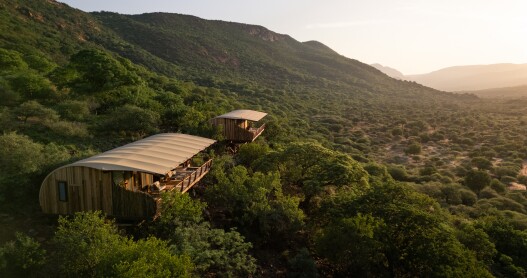
South Africa’s new Masiya’s Camp is a riot of color in the bushveld, with burgundy tents, curated African art, and a strong design point of view.
The first South African safari lodge from the founders of Under Canvas, Few & Far Luvhondo offers immersive nature experiences while aiming to restore and protect a crucial wildlife corridor.
These women aren’t just breaking barriers. They’re building a more inclusive, dynamic future for hospitality—and your hotel experience will be the better for it.
Sarah Dusek, the former CEO of Under Canvas, recently launched the sustainable safari and luxury outdoor hospitality company Few & Far. She shares the passions and learnings that have shaped her path from aid worker to regenerative hospitality entrepreneur.
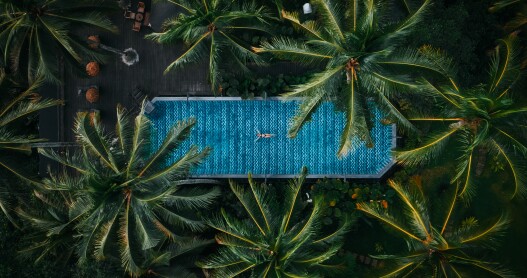
These hotel pools around the globe are worth building a trip around.
Omer Acar, the CEO Raffles and Fairmont, shares his vision behind the recent growth of both luxury hotel brands and talks about what great hospitality truly means. (Spoiler alert: It’s all about people.)
On the heels of a stunning renovation under Fairmont Hotels & Resorts, Cape Grace is back—and it’s better than ever.
At these rental properties around the world, you can commune with wildlife and farm animals.
These five concierges in Paris, Hong Kong, Cape Town, London, and Marrakech reveal their favorite city itineraries that they usually only share with guests.
At these properties, the children’s programming goes far beyond basic caregiving services with immersive experiences that offer younger guests a deeper look into culture, nature, sustainability, and even themselves.
RESOURCES TO HELP PLAN YOUR TRIP
One afternoon, I went to the top of Northcliff Hill by the Water Tower with my brother and cousin on a random outing. From up there you can see the whole of Johannesburg. A full 360 degree view all the way to the Magaliesberg mountain range! If you go, park at the bottom of the hill and trek up to the top. Don’t forget to pack some drinks and snacks for an awesome sundowner experience!
The Zone is located in the leafy suburb of Rosebank, with a Gautrain station located just across the road. It has a great collection of stores, restaurants, fast food joints, drinking spots, a cinema and even an arcade with an awesome bowling alley! On one particular occasion, I met up with some friends for a Big Lebowski themed night at the bowling alley. After we’d knocked over some pins and smashed some strikes, we made our way to the froyo store a few steps away to end off the night with a bit of a sweet treat.
Located in the trendy 70 Juta Street complex, Parooz Fashions is stocked and run by an awesome young lady named Roxy. Frequented by top local celebs, the store has a wide range for all tastes, so as a visitor you should walk in and ‘Parooz’ the store, then grab something stylish that catches your eye and kit yourself out from head to toe in some awesome threads!
On a short road trip around the tip of the Cape, I’d been fortunate to be shown a lighthouse from the hillside road which runs along the coast. Working my way down to the beach, I eventually found the Kommetjie lighthouse and Slangkop Nature reserve, which form part of the Table Mountain National Park. A short walk along the boardwalk, with the slow setting sun and great weather made for some amazing views with the lighthouse in the background!
Hout Bay is basically Eden. This ecological utopia has everything a nature lover could want, from imposing mountains and miraculous views (check out the Twelve Apostles range) to World of Birds, the largest bird park in Africa, home to 3,000 birds and over 100 walk-through aviaries. On weekends, you can shop for food and crafts at the lively market at the end of the harbor road. Besides Chapman’s Peak Drive, there are two other roads into Hout Bay, one from Constantia and another that passes the gorgeous surfer beach of Llandudno—also the exit for Sandy Bay, a nudist beach.
There’s a different way to see the African wildlife in their natural habitat than a safari and it’s called Boulder Beach. We ventured to the Eastern side of the Peninsula (Indian Ocean) to meet and spend time with the locals, Cape Town‘s penguin colony. Following the wooden boardwalks, you gain access to Foxy Beach, a sheltered cove with soft white sand, crystal clear water, massive granite boulders, and birds in butler-style tailcoats. Its nothing short of an Instagram-worthy photo op but I recommend climbing atop a boulder and spending time to take it all in. It’s impossible to capture how majestic this destination truly is.
On a street that looks a lot like one in the French Quarter of New Orleans sits one of the best markets on the planet. The Pan African Market is three stories of small shops filled with collectibles from all over Africa. My favorite section was on the second floor, full of masks and unique items I hadn’t seen anywhere else. I walked off with a weathered pink leather jewelry box from Nigeria. And while you decide if you really should buy the gigantic ceremonial headpiece made of purple feathers, take a rest at the cozy cafe on the second floor, decorated with African statues and random American paperbacks. Plop down on a comfy couch, order a tea, and watch the world walk by below.
We absolutely loved the energy and atmosphere at Myoga, the 100-seater restaurant at The Vineyard Hotel & Spa. Chef Mike Bassett serves a dining extravaganza of seven courses paired with South Africa’s finest sparkling, white and red wines. You’d think with seven courses to choose from, decisions wouldn’t be so tough. But OMG. Gorgonzola creme brulee or kaitafi prawn? Roast leek or chilled avo and cucumber soup? Springbok medallions or duo of lamb? To top it off, Pearl Oliver, our most excellent sommelier, beautifully described the attributes of each pairing. Believe me, it’s worth the long flight to SA just to dine here, and have a look at the menu first on the link below.
Lose yourself in the fantasy of living life on a small estate in the foothills of Table Mountain at Stellenberg Estate. This private garden is exclusively open to the public one weekend each year (usually the first weekend in November) and is worth the visit if you’re traveling to Cape Town during this time. One of the oldest properties in Cape Town, has been called home by several prominent families over the years. Fortunately, despite changes of ownership, the property managed to escape the ‘Victorianization’ many other homes in the region underwent and retains its classic 18th century Cape Dutch feel. The house is off-limits to visitors and that’s okay because the main appeal are the gardens. The estate is divided into different gardens, each with their own unique characteristics: a white garden, a walled garden, a formal medieval garden, an herb garden, and more. After wandering through each of the areas of the storybook home, there is a small corner of the property where they serve refreshments. Both savory finger sandwiches and sweet cakes are offered, along with coffee and hot or cold tea. There is a small entrance fee, but expect no more than R50-R60 ($6). After all the wonderful inspiration the garden provides, you will be tempted to purchase a plant or two as you walk through their nursery before exiting. The Stellenberg Nursery is open to visitors Monday - Friday, 8:30-16:30.
One of Cape Town’s most picturesque corners, this small fishing harbor sees boats sail in daily with their catches (often trailed by hungry seals waiting for tidbits). Recently, however, the area has also become known for its antique stores, restaurants, and shops—one of the best collections of African curios, materials, and artwork for sale can be found at Artvark, on the edge of town. Expect to see everyone from hipsters to surfers to an old couple who’s lived here for 50 years. A seaside promenade connects Kalk Bay to the colorful beach cottages of St. James and to Surfers Corner in Muizenberg, another gem of an old-world suburb that is becoming a second Kalk Bay. Don’t miss Cucina Labia, a restaurant housed in a mansion built by an Italian who wanted to create a little Venice here.