Hong Kong

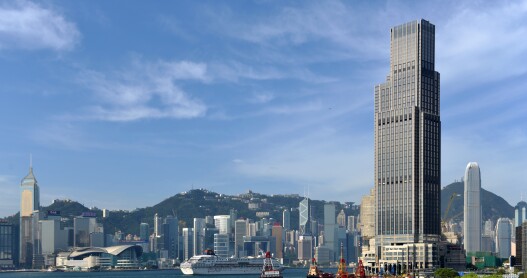
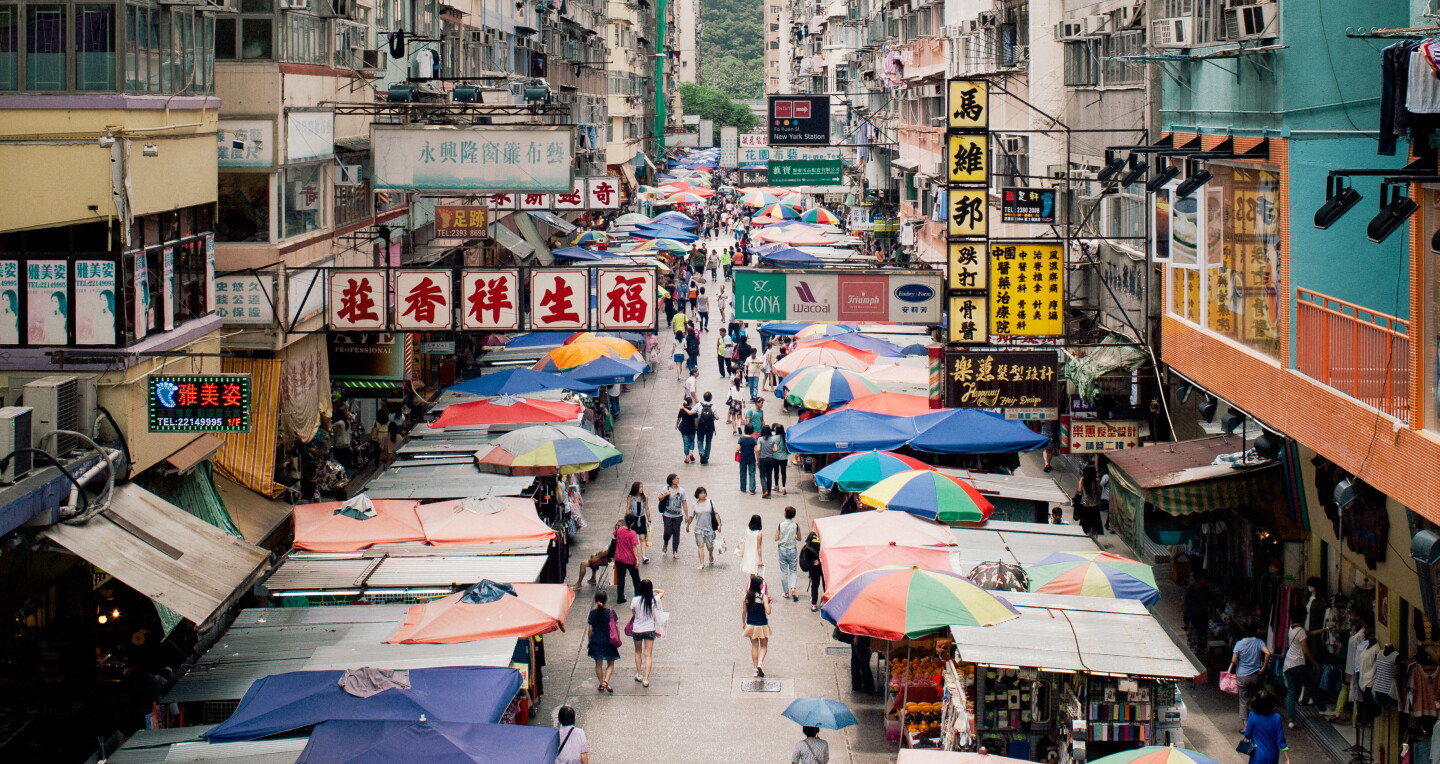
Hong Kong, whose name means “fragrant harbor” in Cantonese, is a dynamic city of unique sights, sounds, and smells. Home to approximately 6.8 million people in a 426-square-mile radius, it bustles with a mix of new and old—the charm of ex-British rule coupled with the class of Asian heritage. A typical Hong Kong scene includes cosmopolitan city streets topped with high concrete buildings. But outside the urban hive is abundant, lush, breathtaking scenery.

Travel-Guides-HongKong-Grant-Harder.jpg

Photo by Grant Harder

Overview

When’s the best time to go to Hong Kong?

Hong Kong weather ranges from cool climes to tropical heat, depending on the time of year. The months of September through December are pleasant and temperate. The best time to visit is October, with its amazing festivals and perfect island weather. Bring a jacket when visiting between December and February. March begins to warm up, and from June to August the rising temperatures and humidity makes it the warmest and stickiest months of the year. Summer is typhoon season. Always carry an umbrella to fight the rain and/or sunshine.

How to get around Hong Kong

Flying is the most common way to arrive in this exhilarating city. Touted as one of the world’s best airports, Chek Lap Kok is home to Cathay Pacific airways and subsidiary Dragon Air. This busy airport is a shopping destination and a global hub, offering numerous stores and eateries. From the airport, the most pleasant surprise is the efficiency of travel options into town. A weary traveler can spend a few hundred Hong Kong dollars on a taxi, or hop aboard the Airport Express—where a cool HK$90 takes you to Kowloon Station, or HK$100 takes you into the Hong Kong Station in Central in just 24 minutes. You can also conveniently check-in and drop off your luggage at these stations for your next flight. A harbor city, Hong Kong and its surrounding islands are all accessible by high-speed ferries. Hong Kong Island connects with Kowloon, the port to the north, via the famed Star Ferry. The ride takes just minutes and is a great way to view Victoria Harbour. The ferry goes between Tsim Sha Tsui port in Kowloon to Wanchai or Central piers on the island side.

Hong Kong boasts one of the world’s most convenient and self-explanatory transit systems, the MTR (Mass Transit Rail), which is clean, efficient, and comprehensive. Transportation around the city is easy and cheap, whether via MTR, taxi, bus, minibus, ferry, tram, or walking. When traveling by taxi, have the destination name written in Chinese, as well as the cross streets, for the cabbie. It’s also helpful to carry cash, including small bills, for cab fare. If you are going from Hong Kong Island to Kowloon (or vice versa), look for specific “cross harbour” taxis with a “Not in Service” sign flipped on their dashboard to signify that they go across the harbor. Signal them with a horizontal wave. An Octopus card provides instant electronic access to Hong Kong’s public transit system for the MTR, buses, minibuses, trams, and Airport Express trains. A smart debit card, it can be tapped onto a reader to deduct fare. Bonus: You can also use your Octopus card to pay for your purchases at most major convenience stores and grocery shops.

Can’t miss things to do in Hong Kong

Hike up to the peak with a picnic in tow, and take in the spectacular scenery and breathtaking views of the harbor, the landscapes of the New Territories, and the urban jungle of skyscrapers.

Food and drink to try in Hong Kong

Hong Kong offers a wonderful diversity of Asian delicacies, from its famous Hong Kong milk tea and sweetened cold lemon tea to Chinese classics such as fish ball noodle soup, flaky egg tarts, dim sum, and cheap street foods. From the sweet and succulent to the bitter and unknown, Hong Kong is a Narnia for the epicurious. Besides the plentiful Michelin-starred restaurants here, traditional culinary delights can also be found at dai pai dong (open-air food stalls).

Culture in Hong Kong

Experience the piercing sounds of Cantonese opera in the West Kowloon Cultural District. Spend a few hours visiting museums of Asian history, modern art, science, or maritime lore. Or wander through the remains of the famed Kowloon Walled City. Annual events include the Hong Kong Arts Festival in February and March, the Hong Kong International Film Festival in early spring, and summertime island concerts. The biggest park concert, Clockenflap, attracts local and international acts to the HK stage at the end of November. Rugby fans and costumed partiers descend on the city to cheer for their pick of teams the third week of March during the Hong Kong Sevens. At Happy Valley Racecourse from September to June, the horse-racing season gets lively with a weekly event of socializing, beer, and wagering on stallions.

Chinese New Year, also known as Lunar New Year, happens on the last day of the last month of the Chinese calendar. The dates change but traditionally fall near the end of January to early February. Lion dances, parades, and fireworks over the harbor take place during this festive time. Many shops and restaurants close for the first three days, when locals leave to visit family, eat banquet-style dinners, and exchange red pockets known in Cantonese as lai see, “lucky money.” Cheung Chau Bun Festival takes place on the island of Cheung Chau on the eighth day of the fourth moon, usually coinciding with Buddha’s birthday in late May. Historically, young men would race to “bun snatch” from a tower stacked with buns, where the higher the bun the better the fortune. This was abandoned in the late 1970s when the tower collapsed, and now the festival draws crowds to bear witness to three selected individuals climbing towers of buns stacked 60 feet above ground in front of Pak Tai Temple. Dragon Boat Festival, known in Cantonese as Duen Ng, takes place on the fifth day of the fifth lunar month, known as “double fifth,” around mid-June. Teams train hard for what they deem the biggest competition of the year, attended by people cheering, racing, drinking, and eating traditional rice dumplings. October is a big holiday month in Hong Kong, beginning with National Day on October 1. The week around it is Golden Week, when many shops offer sales and discounts. Mid-Autumn Festival is celebrated in mid-October with lunar lanterns in the shapes of fish, rabbits, and even popular cartoon characters. Mooncakes, traditionally containing lotus seed paste and duck egg yolks, are devoured. Halloween has become a spectacle; costumed crowds parade in areas like Lang Kwai Fong. Christmas is a festival of lights in Hong Kong, and many shopping centers such as the IFC are adorned with elaborate Western-style decorations. Most shops and restaurants remain open throughout Christmas, and large crowds come out to shop during the sales.

Local travel tips for Hong Kong

Restaurants and bars may add a 10 percent service charge to your bill; you are still expected to tip if there is no written surcharge. When getting a massage, a haircut, or help with your luggage, it’s always appreciated to give HK$20 to HK$50. Sundays are a day of rest for many, and locals flock to parks and main streets to picnic, play cards, and enjoy their day off. The streets, trains, and hiking trails are extremely crowded on these days. Despite the many modes of public transportation, Hong Kong is still a “walking” city, so wear comfortable shoes as many roads are uneven and hilly. Remember to look both ways when crossing streets, as cars, buses, bikes, and taxis rush past pedestrians. Learn to adapt to the quickened pace of the city or you may lose yourself in the crowd and therefore lose your way!

Guide Editor

Heidi Sarna
Freelance travel writer Heidi Sarna has been based in Southeast Asia for more than a decade, covering Singapore history, the Hong Kong dining scene, and small-ship cruising. Check out her blog QuirkyCruise.com.

Emily Chu
Emily Chu is a freelance bilingual editor and writer based in Shanghai. Having lived in multiple countries, she has been the chief editor of both English and Chinese magazines and now contributes to international travel and lifestyle publications and websites. She can also be found honing her skills as a stylist or planning the itinerary for the next travel destination. See her daily chronicles via Instagram and Twitter, @emilymchu.

READ BEFORE YOU GO
HOTELS
With a grounding in the city’s traditions, a new generation of entrepreneurs are reinventing Hong Kong.
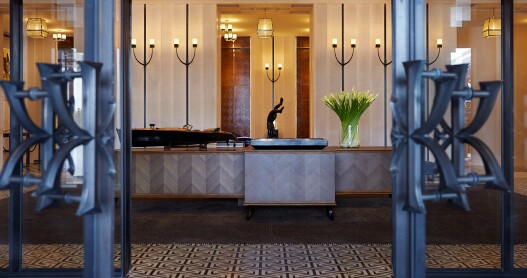
The lavish Rosewood Hong Kong rises high above Victoria Dockside, a new arts district transforming the Tsim Sha Tsui harborfront.
The “Resistance-chic” Eaton Workshop is part hotel, part coworking space and has locations opening in Washington, D.C. and Hong Kong in September.
These hotel openings and events will do just that.
These hotels know how to make an entrance.
RESOURCES TO HELP PLAN YOUR TRIP
Disneyland in Hong Kong is ideal for families with young kiddos. As the smallest of Disney’s worldwide parks, it’s easily walkable, and the tram service can get you where you want to go. Character meet-and-greet photo sessions are scheduled throughout the day and so are parades and shows like the 30-minute Festival of the Lion King, with acrobats and fire dancers playing the roles of Simba, Timon, and Pumbaa. The park is divided into themed sections: In Grizzly Gulch, rides and shows follow a Wild West frontier theme; in Fantasyland, the gentler mood focuses on Cinderella, Dumbo, Winnie the Pooh, Sleeping Beauty, and Snow White; Tomorrowland looks to the future with Buzz Lightyear, Iron Man, and Star Wars characters taking center stage; and Adventureland offers a jungle river cruise and Tarzan’s tree house. The park makes a great day out.
A novel way to combine great food with a classic city tour, the double-decker Crystal Bus provides delicious sightseeing. Nibble Chinese dim sum prepared by the restaurant One Dim Sum (which was awarded a Michelin star in 2012), while driving past more than 20 of Hong Kong’s most famous sites (and stopping at one for photos), from the Hong Kong clock tower to the 1881 Heritage Building, a 197-foot-high Ferris wheel, and Portland Street, the city’s famous red-light district, known for its neon. Each tour—one at lunch goes from Kowloon to Hong Kong Island and another at teatime from Kowloon to New Territories—lasts about 2.5 hours. Both start at No. 7 Hankow Road, Tsim Sha Tsui, in Kowloon.
Hong Kong’s tram system dates back to 1904 and still plies some of the same routes, stopping on average every 820 feet. Locals affectionately call the trams Ding Ding because of the bells rung when the trams approach a stop. The main line runs across the whole northern edge of Hong Kong Island, along what was once the waterfront, between Kennedy Bay and Shau Kei Wan Road, passing through the Central Business District and bustling Causeway Bay area. The six routes cover 19 miles and more than 100 stops. Most cars are double-decker and were rebuilt in the 1980s or later, but No. 120 dates back to the 1950s and still sports seats made of rattan and teakwood.
The colorful Po Lin Monastery was built more than a century ago in the secluded mountains of Lantau Island. In 1993, the 112-foot-high bronze Tian Tan Buddha, also known as the Big Buddha, was erected to face the monastery and north toward the Chinese people of the mainland. Since then, Po Lin has been on the tourism map. Seated on a lotus flower and with a raised hand delivering a blessing to visitors, the Buddha welcomes visitors to climb the 268-step base to share some expansive mountain and sea views. Have a walk through the grounds of the monastery, which include the new Grand Hall of Ten Thousand Buddhas and a popular vegetarian restaurant. Though you can take a bus, train, or taxi, the 3.5-mile Ngong Ping cable car is a thrilling way to get there.
Join throngs of locals on the five-minute ferry ride across Victoria Harbour between the Tsim Sha Tsui cruise pier in Kowloon, on the mainland side, and the Central Pier on Hong Kong Island (a slightly longer ride goes to Wan Chai on Hong Kong Island). This is not just any ferry: The historic green and white Star Ferries have been moving the masses back and forth for decades, with the origins of the company going back to 1880 with the service of a single steamboat, the Morning Star. Today, the classic wooden boats make the trip many times daily, and a ride provides a great view of the city’s famous skyline and a whiff of nostalgia to boot.
Despite being just a 40-minute drive away from the airport, the Mandarin Oriental is located in the heart of Hong Kong’s Central district, surrounded by major business hubs, the thriving art scene, and cultural sites.

Inside the 432 rooms and 67 suites, the decor nods at the hotel’s Chinese heritage, and there’s high-speed Internet and an interactive entertainment system. A SMART lighting system and pillow menu make sure you have a restful night’s sleep, and butler services are on hand as well. For an ultimate indulgence, the stunning 3,843-square-meter presidential Mandarin Suite provides a stay that you will never forget.

You’ll have to spend quite of time in Hong Kong to work your way through the hotel’s many gastronomic offerings: 10 on-site restaurants, including three with Michelin star accolades, will satisfy every craving. Meanwhile, the award-wining spa specializes in traditional Chinese medicine therapy to ease post-travel muscles. A 24-hour indoor pool and fitness center allows you to keep to your exercise routine while away from home.

The Mandarin Oriental, Hong Kong, is truly representative of contemporary luxury, and has remained one of the most iconic hotels in Hong Kong for over 55 years.
Envisioned by Hong Kong-based architect Andre Fu, the Upper House was designed to give guests the experience of staying in a luxury residence within easy reach of the design stores, markets, and nightlife of the Wan Chai neighborhood. Every detail here has been carefully considered, from the environmentally friendly paint to the arrangement of the hotel’s 400-plus works of original art. As they climb the levels of the hotel, guests encounter sculptures with names like Silence, and Rise, and Lifted, which take them on an upward journey that ends at the 49th-floor Sky Bridge—a candle-lined walkway overlooking the atrium that’s lit by a James Turrell–esque skylight.

All the rooms, suites, and penthouses offer a choice between two color schemes: “bamboo,” with ash flooring, bamboo timber, and lilac upholstery, or “celadon,” furnished in green tea upholstery, limed oak flooring, and creme oak timber. Particular attention was given to the bathrooms. Each is nearly 300 square feet and outfitted with concealed televisions and sound systems as well as open-plan rain showers. Some have soaking tubs carved from Turkish limestone, from which guests can take in views of Victoria Harbour or the surrounding mountains. In contrast to many Hong Kong hotels, the Upper House’s restaurant, Café Gray Deluxe, emphasizes simple dishes prepared from the best local and organic produce. The result is high quality but not pretentious, much like the hotel itself.
Towering 42 stories over the Mong Kok district on the Kowloon Peninsula, the Cordis is one of the best options for adventurous travelers looking to experience the “real Hong Kong.” The hotel is surrounded by mazes of markets. as well as shops and restaurants that are popular with locals. But getting off the beaten path doesn’t mean foregoing luxury. The Cordis has rooms with plush bedding and oversized windows, as well as homey touches like soft carpeting.

The biggest draw of the Cordis, Hong Kong, is its collection of 1,500 works of contemporary Chinese art, one of the largest hotel collections in the world. Guests can browse the collection on their own with the help of free iPod art tour cards. The hotel attracts an edgy crowd of young artists and professionals who mingle in the Garage Bar—a food truck and craft beer destination with Western-Asian fusion food and a selection of over 40 brews—late into the Kowloon night.
Occupying a modern tower next to Hong Kong Park and attached to the Pacific Place shopping center, Island Shangri-La is an earthly paradise on the edge of Hong Kong’s Wan Chai district. Floor-to-ceiling glass walls in the lobby face a 140-year-old banyan tree; the outdoor swimming pool is set amid grass and trees as well as skyscrapers; and the Roof Garden on the 56th floor is enveloped in the misty greenery of Victoria Peak.

The hotel’s interiors are equally inspiring, with more than 900 works of art on display, including a 16-story silk landscape painting called Great Motherland of China cascading down the atrium. Accommodations combine Asian silks, floral wall paintings, and Chinese tea sets with European antiques and crystal chandeliers. In 2009, the Horizon Club Lounge became the highest executive lounge on Hong Kong Island, offering sweeping views of Victoria Harbour. Dark wood, black marble, jewel-tone leather, Austrian chandeliers, and qi pao-inspired staff uniforms create an elegant setting for complimentary breakfast, evening cocktails and canapés, or an afternoon work session.
Within an hour, travelers can transport themselves from the lights and sounds of Central, Hong Kong, to the green hills and deserted beaches of Lantau Island. Opened in 2012, the Tai O Heritage Hotel encourages guests to immerse themselves in the natural beauty and history of Tai O, a colorful fishing village where stilted houses line the waterways of western Lantau Island. A collaboration between the government and the Hong Kong Heritage Conservation Foundation, Tai O Heritage Hotel was built in the former Tai O marine police station, from which officers defended Hong Kong from pirates for more than 100 years. Three buildings were transformed into nine guest rooms, an interpretation center, and a glass-roofed restaurant, earning the project a UNESCO award for cultural heritage conservation. Historic features such as cannons, guard towers, searchlights, and holding cells, as well as original architectural details like French windows, Victorian granite steps, a Chinese-tiled roof, and century-old fireplaces, were all restored in the process. The hotel also serves regional foods, employs villagers, and gives back to the Tai O community, demonstrating its commitment to celebrating the local culture. Beyond the historic walls of the hotel is a mystical landscape with dozens of butterfly species, Chinese white dolphins, and Hong Kong’s best sunsets.