Germany

While Germany is well-known for its hearty food and beer, fairy-tale castles, and gorgeously preserved medieval towns, the country offers so much more than clichés. In addition to some of Europe’s most distinctive cities—Berlin, Munich, and Hamburg, to name a few—Germany features diverse natural scenery (scenic coastlines, mystical forests, soaring Alps), a heavyweight cultural legacy (including contributions from some of the world’s most famous philosophers and musicians), cutting-edge architecture, and celebrated contemporary art.

Germany-Guide.jpg

Photo by Felix Bruggemann

Overview

When’s the best time to go to Germany?

Summer is the ideal time to visit Germany. The country’s sunlit landscapes—crisscrossed with rivers, peppered with forests and lakes, and dotted with charismatic castles—are in full bloom, and its cities transform into outdoor playgrounds. Still, summer can bring crowds and expensive prices, so spring and autumn are attractive alternatives, helped along by a slew of major events like Munich’s famous Oktoberfest. Winter holds its own charms, especially for ski and snowboard fans, as well as for those who wish to visit Germany’s Christmas markets, which run from late November until December 23, or the Berlin International Film Festival in February.

How to get around Germany

There are over 40 airports spread across Germany, providing easy and convenient access to the country’s 16 federal states. Frankfurt am Main and Munich are the largest airports, followed by Düsseldorf, Berlin, Hamburg, Stuttgart, and Cologne Bonn. Once you’ve arrived in Germany, public transportation is generally excellent, with high-speed trains connecting all major cities as well as destinations across Europe. Some regions, like the Black Forest and Schleswig-Holstein, are more easily explored by car, but even there you can find buses and trains to get around.

Food and drink to try in Germany

Traditional German food is quite substantial—meat dishes like lamb, pork, and beef are popular, along with plenty of fish, rich sauces, and generous sides including potatoes, dumplings, and cabbage. Sausages are ubiquitous, and each region tends to have its own specialty. Be sure to try Rheinischer Sauerbraten (pot roast) in the North Rhine, spätzle (cheesy noodles) in the south, and quirky dishes like Handkäs mit Musik (pungent cheese topped with white onions) around Hesse. Contemporary German cuisine, on the other hand, often consists of lighter, updated versions of classics, and all the big cities offer a diverse range of international food.

Beer, of course, is a trademark of Germany, including the mixed drink Radler (beer with lemonade or any variation of juice), which is popular during the summer. In winter, sipping a steaming mug of Glühwein (mulled wine with spices) is recommended.

Culture in Germany

Germany is often referred to as Das Land der Dichter und Denker (The Country of Poets and Thinkers), which gives more than a clue as to its intellectual and cultural prowess. Famed for its contributions to everything from philosophy and literature to music and art, the country has produced many luminaries known worldwide by their surnames alone: Goethe, Bach, Hegel, Beuys, Hesse, Wagner, Mozart, among them. Germany’s contemporary cultural scene is just as dynamic, as evidenced by an annual calendar of events like the world-renowned Berlin International Film Festival and the Documenta art exhibition in Kassel.

Can’t miss things to do in Germany

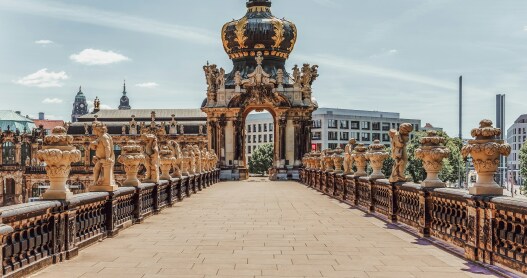
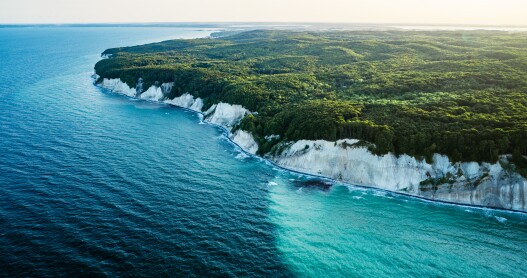
Vibrant urban culture vies with romantic landscapes throughout Germany. The major cities, especially Berlin, Hamburg, Cologne, and Munich, should not be missed, but smaller towns like Bayreuth, Weimar, Nuremburg, Dresden, Bamberg, and Lübeck are also attractive for their impressive architecture and charming atmospheres. Soaring cathedrals and grand palaces can be found across the country, while natural areas like the Black Forest, the Bavarian Alps, and the Baltic and North Sea coastlines provide an alluring mix of recreation and relaxation.

Practical Information

Americans and other non-E.U. citizens need a valid passport to visit Germany for less than 90 days, and a travel visa to stay longer. The local language is German, though the more urban the destination, the more English is spoken, especially among the younger generation. The currency is the euro, the voltage is 230 volts, and the socket type is F (round plugs with two round prongs).

Guide Editor

Paul Sullivan has lived in Berlin since 2008. In addition to running his local website, Slow Travel Berlin, he writes regularly on Berlin and Germany for international publications like The Guardian, The Telegraph, the Sunday Times, and the BBC, and has worked on Berlin and Germany guidebooks for publishers such as Fodors, DK, Rough Guides, Wallpaper, and more.
READ BEFORE YOU GO
HOTELS
Whether you’re a skier or an après-ski enthusiast, these 19 European hotels are ideal for a winter weather getaway.
After a careful two-year renovation, the historic Brenners Park-Hotel & Spa is stepping into a new era of wellness shaped by the surrounding Black Forest.
Around the world, breakfast is emerging as the moment when a luxury hotel’s ambition—and its core values—become most visible.
These women aren’t just breaking barriers. They’re building a more inclusive, dynamic future for hospitality—and your hotel experience will be the better for it.
These are the 24 hotels we recommend most for wellness.
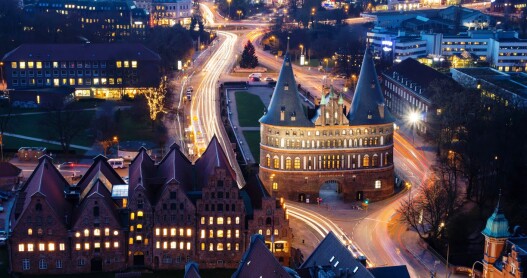
From rococo and baroque facades in Lübeck to Bauhaus in Weimar and Le Corbusier’s modernist neighborhood outside Stuttgart, Germany has a rich architectural history.
Descend into ancient mine shafts, visit skilled woodcarvers, soar to the top of eastern Germany’s highest mountain, and soak up the charm of historic towns.
From the protected Wadden Sea to the historic warehouse districts of Hamburg and beyond, a visit to the former Hanseatic League is a dream trip for sustainably minded travelers who love history.
Berlin is a masterpiece of urban planning, from the Museum Island at the heart of its walkable center to groundbreaking Modernism Housing Estates, plus epic parks and forests waiting just a stone’s throw away.
Explore rich religious traditions and outstanding architecture at the country’s most magnificent cathedrals and monasteries.
RESOURCES TO HELP PLAN YOUR TRIP
The weekly flohmarkt (flea market) in Friedrichshain’s Boxhagener Platz is a popular spot where locals meet up for shopping, drinking, or just a bit of fun each Sunday. While the Mauer Park flea market gets most of the tourists, this one is far less touristy. You’re much more likely to find a good deal on used books, cool T-shirts (some by local designers, even!), music records, and knickknacks. Because the market is relatively small, it’s quite enjoyable to take a stroll through the stalls and then enjoy a picnic on the grassy area in the middle of the square. Many cafes and restaurants are situated on the streets bordering Boxhagener Platz so you won’t be bored for things to do. The market is open Sundays during daylight. On Saturdays in the same area you’ll find a fresh food & produce market.
This smoky, retro-style bar in Prenzlauer Berg, on the trendy Stargarder Strasse, is a great place for a leisurely cocktail on weekend nights. Often crowded, it might be best to arrive early if you want a seat. Otherwise you’ll end up hanging out on the street outside thanks to the often full bar area inside. It’s also popular on Wednesday evenings, which is the official gay night.
The weekly RAW Flohmarkt (flea market) occurs every Sunday in between the abandoned warehouses and parking lots along Revaler Strasse. The area is also home to several of Berlin‘s best nightclubs, but Sunday mornings and afternoons see a different sort of visitor: an influx of bargain-hunters and antique-dealers. Look for knickknacks, clothing, and other used goods. There are some stalls selling coffee and warm snacks & crepes during the colder months.
If you’re looking for the epitome of “Hipster Berlin,” you can’t find anyplace more suitable than Mein Haus am See. In the most hip area of Mitte, Rosenthaler Platz, the cafe is more than just a coffee spot. It’s also a bar and club. During the day, you’ll see locals working on their laptops or drawing in sketchbooks, but when dusk starts to settle, the lights will dim and usually a DJ will be setting up the sound system. Get a seat in the back of the stadium benches and watch time just pass by. As an added bonus: Mein Haus am See offers free Wi-Fi and is open 24 hours!
Located just across the street from the main library for Humboldt University, this hipster cafe is a great place for a cup of coffee or a light lunch. With free Wi-Fi (though no power outlets) it’s a good place to do a bit of work or read a book.


You won’t find many tourists in here, despite being just blocks away from the always tourist Friedrichstrasse. It’s a perfect little escape. And the coffee is excellent too!
Named after wilderness activist John Muir, this trendy cocktail bar in Kreuzberg serves classic libations with a twist. The menu regularly changes, and the interior of the basement bar (lit by candles) is cozy and comfortable—great for cool evenings.
The nightclub Chalet is located on the busy nightlife-riddled street of Schlesische Strasse. Just steps from one of Berlin‘s longtime hipster nightclubs, Club der Visionaire, Chalet is relatively new to the scene. Open since 2012, the club is run by the same legendary Bar25 crew (now closed down, sad face here). Chalet is located in what appears to be a run-down house, but really that’s par for the course in Berlin. Thankfully the yard out back is a small oasis. All weekend long, you’ll find Berlin’s trendiest folks hanging out in the Chalet courtyard. A night out at this club feels a bit like a house party—just with a small cover at the door. My photo above was taken at 6am on a Sunday morning...so hopefully you get the idea.
Berlin’s most surreal bar experience is right where you’d expect it to be—in the trendy Friedrichshain neighborhood. Just a few blocks from some of Berlin’s most legendary nightclubs, the club Wilde Renate is a mismatched collection of buildings surrounding a small beer garden. It’s an easy place to get lost, even more so because there’s a purposely-built labyrinth underneath the nightclub. The labyrinth, Peristal Signum, isn’t just an art installation but a full-on experience for the mind. It was designed haphazardly by three artists over nine months in 2010. The maze was built completely out of found scrap materials (like most everything else in Berlin) and includes everything from glass bottles to car parts. For 10€, you’re given a token to enter the labyrinth. Entries are scattered so that only one person enters at a time, though you’re likely to run into people once inside. Without spoiling too much, I’ll say it’s a trippy experience. Persistal Signum is open Wednesday to Saturday, from 6pm to 10pm, at Salon zur wilden Renate. Ask the bartender to put your name on the list to get inside the labyrinth. There’s usually a wait.
If you’re looking for a place reminiscent of the smoke-filled cafés of bohemian Paris, look no further than Cafe Cinema. Sitting alongside a popular tourist route in Hackescher Markt, the small, hole-in-the-wall cafe attracts both tourists and locals. In the evenings it’s a great spot for a beer and interesting conversations, and the daytime sees visitors working quietly and enjoying coffee. In summertime, the alleyway nearby has picnic tables, which make a great spot for people watching. The alternative atmosphere can be hard to find in Berlin Mitte, and this is one of the coolest spots in the area.
Munich’s Farmers’ Market, or “Viktualientmarkt,” is sure to please everybody. Located in Munich‘s old town, the open-air market is an overflowing abundance of fresh produce, cheese, appetizers, desserts, breads, honey, fresh-pressed juices, Bavarian specialties, spices, flowers, and more. It’s no wonder that the bustling, vibrant market attracts locals, tourists, and chefs shopping for the freshest ingredients. If you have been traveling through Germany eating bratwurst and potatoes daily, a farmers’ market picnic may be just what the doctor ordered. There are over 140 enticing stalls and shops, so the hardest part is deciding what to eat! Grab some crusty bread, stinky cheese, briny olives, and fresh strawberries and call it a day. If making decisions tires you out, you can relax with a Bavarian brew in the shaded beer garden next to the market. Open Monday-Saturday from 8am to 6pm.