South Africa

With its cultural diversity, stunning natural landscapes, wildlife experiences, and vibrant urban hubs, South Africa makes for a life-changing travel destination. Its cosmopolitan cities, like Cape Town and Johannesburg, are bursting with art, fashion, and restaurants, as well as historical offerings that help travelers better understand the country’s complex past. Of course, in Cape Town, there are also scenic beaches and hikes, and the famed Cape Winelands district is just a short drive away. On safari, visitors can experience wildlife in the most powerful way: by getting up close to the animals themselves.

SouthAfrica-marcreation-unsplash.jpg

Photo by Marcreation/Unsplash

Overview

When’s the best time to go to South Africa?

Apart from a few exceptions, there is no bad time to travel to South Africa. Cape Town has a wonderful Mediterranean climate, with hot, sunny summers and cool, only occasionally rainy winters. Strike a balance and visit in the shoulder seasons of spring or fall, when the city isn’t throbbing with tourists. Johannesburg, an inland city set atop the Highveld plateau, has pleasant weather year-round, although it’s particularly lovely in March, September, and November. Durban, on the other hand, has a hot, humid subtropical climate, so avoid the summer rainy season and visit between May and September when it’s less stormy. You’ll also want to plan your visit to Kruger National Park for some time between the dry winter months of July and September, when the weather is better, the bush thins out, and animals congregate around waterholes and rivers.

Many businesses in South Africa shut down between mid-December and mid-January for the holiday season. This also tends to be the most expensive time of year to travel around the country because visitors are competing with locals on vacation.

How to get around South Africa

South Africa has many international airports; the most popular are O.R. Tambo International in Johannesburg (JNB), Cape Town International (CPT), and King Shaka International in Durban (DUR). Once in the country, driving is the easiest way to get around. Visitors can rent cars at any international or regional airport but should be aware that South Africans drive on the left side of the road. When driving in the cities, also be sure to carry small change for car guards (people who help you find a parking spot and watch your car until you return), as well as for the tolls on South Africa’s national roads.

Even without a car, it’s easy enough to get around urban areas by booking private transfers through your accommodation or by using ride-sharing services like Uber. Taxis are not advised for tourists. The only two train lines recommended for getting around the city are the Gautrain commuter rail in Johannesburg and the Southern Suburbs Metro Rail in Cape Town. The MyCiti Bus in Cape Town is also a common method of transportation in the city center.

Food and drink to try in South Africa

- Each part of South Africa is known for something different and delicious. The coastline is famous for its seafood, while the Karoo (a vast, semi-desert region) is renowned for local meat like lamb. The Cape Town region has Cape Malay cuisine (defined by its fragrant curries), Johannesburg boasts an array of shisa nyama restaurants (where meat is cooked over an open flame), and you can’t leave Durban without trying some of the city’s signature Indian cuisine, like samosas or bunny chow (a hearty curry served in a hollowed-out loaf of white bread).

- When on safari, it’s traditional to have sundowners (typically a cold beer or gin and tonic) while you braai (grill) vegetables, boerewors (sausages), and broodjies (an elevated take on the grilled cheese sandwich, stuffed with jam, arugula, and whatever else you have on hand). After the meal, savor some brandy or Amarula (a sweet liqueur made from the fruit of the marula tree).

- In South Africa’s Western Cape region, the mineral-rich soil and Mediterranean climate make for award-winning wines, which, thanks to a favorable exchange rate, are also very affordable. Make sure to try the pinotage, the country’s signature red-wine grape. Additionally, craft breweries and distilleries are popping up in urban areas around the country.

- At restaurants in South Africa, it’s customary to tip between 10 and 15 percent.

Culture in South Africa

The South Africa of today may be a dynamic melting pot, but the country has a long history. A visit to Cape Town or Johannesburg should include spending time at the District Six Museum, Robben Island, and the Apartheid Museum to learn more about the hardships much of the country endured.

In more recent years, South Africa has also become a hub for fine art and design. Make time for world-class institutions like the Zeitz Museum of Contemporary Art Africa and the Norval Foundation in addition to events like First Thursdays in Cape Town, when the galleries, shops, and restaurants on Bree Street stay open late.

You could also plan your trip around must-see music festivals such as AfrikaBurn, the Cape Town International Jazz Festival, and the Cape Town Minstrel Carnival, an annual parade on January 2 when thousands of people take to the streets to ring in the new year and watch colorfully dressed bands perform.

South Africa embraces all kinds of travelers, including the LGBTQ community. In fact, a popular event here is the MCQP (or Mother City Queer Project), an annual costume party to celebrate gay rights.

Can’t miss things to do in South Africa

– A trip to South Africa wouldn’t be complete without a long, lazy lunch in the Cape Winelands, followed by a winetasting. The many excellent restaurants in the Stellenbosch/Franschhoek region include the Table at De Meye Wine Farm, Good to Gather at Rozendal, and La Petit Colombe at Leeu Estates. Make sure to book in advance.

– To gain important insight into apartheid, South Africa’s history, and how far the country has come, visit the Apartheid Museum in Johannesburg. Afterward, explore the city’s contemporary side at the many galleries and restaurants downtown or in the Parkhurst neighborhood.

– You can’t visit South Africa without going on safari. Kruger National Park is the most popular safari destination, but there are loads of other parks to choose from, such as Addo Elephant National Park in the Eastern Cape, iSimangaliso Wetland Park, the Kalahari Desert, and West Coast National Park. Accommodations for all budgets are available at most parks.

Local travel tips for South Africa

– U.S. citizens visiting South Africa for 90 days or less do not need to obtain a tourist visa. Just ensure that your passport is valid for at least 30 days after your intended return, and reserve at least two consecutive pages for entry stamps at customs.

– South Africa has 11 official languages, but English is widely spoken. The currency is the South African rand, the standard voltage is 230, and the outlets are type M (with three rounded prongs).

– Make safety a top priority. You don’t need to be afraid, but be aware: Don’t leave your phone on the table or hang your bag on the back of your chair. If renting a car, keep your windows rolled up, and if you’re walking alone on the street, be alert.

– If you’re flying through O.R. Tambo airport in Johannesburg, make sure to lock your baggage. It’s not uncommon for things to go missing.

– Allow yourself a few days in Johannesburg. Many people skip South Africa’s largest city in favor of more time in Cape Town, but Johannesburg is one of the most exciting cities in Africa. It’s a little gritty, but there’s so much culture to see.

Local Resources

Cape Town Magazine

Johannesburg In Your Pocket

Travel Start: for local flight bookings and intel

Quicket: online ticket platform that showcases local events

READ BEFORE YOU GO
HOTELS
South Africa’s new Masiya’s Camp is a riot of color in the bushveld, with burgundy tents, curated African art, and a strong design point of view.
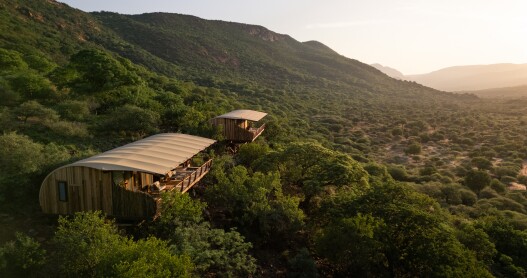
The first South African safari lodge from the founders of Under Canvas, Few & Far Luvhondo offers immersive nature experiences while aiming to restore and protect a crucial wildlife corridor.
These women aren’t just breaking barriers. They’re building a more inclusive, dynamic future for hospitality—and your hotel experience will be the better for it.
Sarah Dusek, the former CEO of Under Canvas, recently launched the sustainable safari and luxury outdoor hospitality company Few & Far. She shares the passions and learnings that have shaped her path from aid worker to regenerative hospitality entrepreneur.
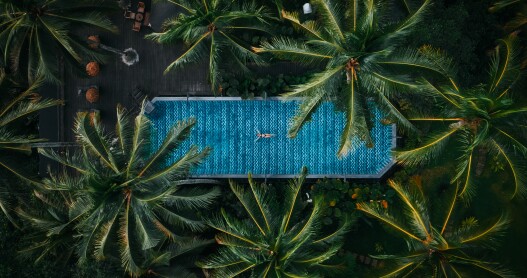
These hotel pools around the globe are worth building a trip around.
Omer Acar, the CEO Raffles and Fairmont, shares his vision behind the recent growth of both luxury hotel brands and talks about what great hospitality truly means. (Spoiler alert: It’s all about people.)
On the heels of a stunning renovation under Fairmont Hotels & Resorts, Cape Grace is back—and it’s better than ever.
At these rental properties around the world, you can commune with wildlife and farm animals.
These five concierges in Paris, Hong Kong, Cape Town, London, and Marrakech reveal their favorite city itineraries that they usually only share with guests.
At these properties, the children’s programming goes far beyond basic caregiving services with immersive experiences that offer younger guests a deeper look into culture, nature, sustainability, and even themselves.
RESOURCES TO HELP PLAN YOUR TRIP
Vilakazi is perhaps the most famous street in Soweto—or all of Johannesburg, for that matter. It’s the only street in the world to have produced two Nobel Prize winners—His Excellency Nelson Rolihlahla Mandela and The Most Reverend Desmond Tutu. It’s also where 13-year-old Hector Pieterson was shot dead, sparking the riots on June 16, 1976.

At the corner of Vilakazi and Ngakane streets, you’ll find the Mandela House, which serves as a beautiful testament to Madiba as well as to the greater fight for equal rights in South Africa and around the world. The rest of Vilakazi Street, however, is pretty average—a place where people live and work every day. In its simplicity, it proves that greatness can come from the most ordinary of places. Since it’s still home to so many people, approach the street with respect. Hire a local guide and take care when exploring the surrounding neighborhood of Soweto.
This little market is full of treasures (and a few tourist souvenirs). What you get to experience here is everyone’s trade and how these crafts help support their family and village. Lots of things to buy...and they’re willing to bargain.
District Six was originally a mixed community of freed slaves, merchants, artisans, laborers, and immigrants. Marginalization and forced removal of the residents began early in the last century and, in 1966, the neighborhood was declared a white area. By 1982, more than 60,000 people had been relocated to a barren spot aptly known as the Cape Flats, and their houses in District Six were flattened by bulldozers. An agreement about what to do with the land that was District Six has yet to be reached, and those who were forcibly evicted are still awaiting a fair settlement.

Established in 1994, the District Six Museum preserves memories of the area through photographs, traffic signs, and videos, and also focuses on forced removals in general. A large map of the district covers the floor of the museum and includes former residents’ handwritten notes about where they once lived.
Cape Town’s Mount Nelson Hotel is a city icon. And who better to preside over the entrance than another icon? Mahatma Gandhi, who had a strong connection to South Africa (he worked in the country as a young man, and developed his political views and thoughts on social injustice and civil rights here), is immortalized in a statue at the hotel. Say hello as you visit the Mount Nelson — affectionately known as the Pink Lady, for its rosy hue — for its celebrated high tea.
An award-winning hotel company, Singita is lauded not only for its luxurious properties but also for its dedication to the environment and uplifting communities. To reach Singita Boulders Lodge, guests can fly direct from Johannesburg to Sabi Sand Game Reserve on Federal Airlines’ daily jet service. Once there, they can expect open-air common spaces that provide a continuous connection to the outdoors, as well as spacious suites with game-viewing decks and private plunge pools. Also on-site is a swimming pool in the main lodge area, spa and gym facilities, and a wine boutique selling premier South African vintages. In addition to daily game drives, guests can indulge in activities like guided safari walks, photography lessons, stargazing, and archery, making for the stay of a lifetime.
In recent years, Johannesburg has become a haven for contemporary artists working in South Africa. Rosebank, the neighborhood next to the affluent suburb of Sandton, even features a Miami-esque Design District with galleries, restaurants, and high-end shops. It’s here that you’ll find Circa Gallery, an architectural masterpiece designed by Pierre Swanepol of studioMAS. Elliptical in shape, the building features an indoor ramp that leads visitors around the perimeter of the gallery—much like at the Guggenheim Museum in New York City. Outside, 400 vertical aluminum bars cover the exterior of the building, allowing daylight to stream into the gallery. After taking in the contemporary art and photography on display at Circa, use the walkway to enter the attached Everard Read Gallery, located across Keyes Avenue. The sister to Circa, it’s the oldest commercial art gallery in South Africa.
Breakfasts are little godsends after a big night out, and Post at 70 Juta Street in Braamfontein is just the place to revitalise after a big night out and before working on your weekend party habits again. The Big Bomber is a drink combination of condensed milk and Espresso topped with cream and will definitely jumpstart your hungover ass back to reality, while the devine French toast with bacon topped with Fig preserve will fuel your tank for another round of weekend madness. The cozy corner spot has a well rounded menu which prides itself on using all locally produced, organic ingredients. Order something delicious and watch the world go by from the window counter seat or enjoy the cool breeze in the courtyard outside You’d be doing yourself a disfavour by not trying out something from this little spot! post is open all week from 8:30am, except Sunday when they are closed.
This semi-outdoor market on Juta Street in Joburg’s Braamfontein neighbourhood is fun fun fun. Eat oysters from Namibia, drink craft beer from South Africa, and devour paella, gelato, cheeses, chocolate...a food lover’s paradise! Open on Saturdays.
There are several shops in the trendy Parkhurst neighborhood that caught my eye. We were there with Jo’burg trend spotter Craig Jacobs who showed us the way. Essential Life was the first place we stopped. Here is a description from their website: “A unique retail experience awaits you at Essential Life lifestyle boutique on 4th Avenue in Parkhurst, Johannesburg. The store boasts hundreds of uniquely South African lifestyle products, interior accessories, artworks and multi-functional hard furnishings produced exclusively for Essential Life by the in-house design team. Ranges include Essential Earth home-ware and accessories themed on the essence of African botanicals, the reflections of nature Earth Furniture collection, Essential Wear’s fashion for the soul and contemporary inspirations like Symbols in the City. Lifestyle items are emblazoned with iconic images of the city that landscape the interior, bringing the outside in.”
I recently went to Durban to attend a wedding. While I personally don’t consider Durban at the top of list of places to go on holiday in SA, I will say that Durban is great for the sun and the surf. In terms of tourist attractions, Ushaka Marine World is a great place to take the family. You can spend the day having fun at the water park, catch the dolphin show or get in some knowledge and check out the aquarium. The aquarium is themed to resemble a sunken ship with certain rooms even displaying some of the decor and furniture upside down! Those who are brave enough can even venture into the shark tank where you’ll be able to swim with some of the scary predators of the deep blue sea!