Germany

While Germany is well-known for its hearty food and beer, fairy-tale castles, and gorgeously preserved medieval towns, the country offers so much more than clichés. In addition to some of Europe’s most distinctive cities—Berlin, Munich, and Hamburg, to name a few—Germany features diverse natural scenery (scenic coastlines, mystical forests, soaring Alps), a heavyweight cultural legacy (including contributions from some of the world’s most famous philosophers and musicians), cutting-edge architecture, and celebrated contemporary art.

Germany-Guide.jpg

Photo by Felix Bruggemann

Overview

When’s the best time to go to Germany?

Summer is the ideal time to visit Germany. The country’s sunlit landscapes—crisscrossed with rivers, peppered with forests and lakes, and dotted with charismatic castles—are in full bloom, and its cities transform into outdoor playgrounds. Still, summer can bring crowds and expensive prices, so spring and autumn are attractive alternatives, helped along by a slew of major events like Munich’s famous Oktoberfest. Winter holds its own charms, especially for ski and snowboard fans, as well as for those who wish to visit Germany’s Christmas markets, which run from late November until December 23, or the Berlin International Film Festival in February.

How to get around Germany

There are over 40 airports spread across Germany, providing easy and convenient access to the country’s 16 federal states. Frankfurt am Main and Munich are the largest airports, followed by Düsseldorf, Berlin, Hamburg, Stuttgart, and Cologne Bonn. Once you’ve arrived in Germany, public transportation is generally excellent, with high-speed trains connecting all major cities as well as destinations across Europe. Some regions, like the Black Forest and Schleswig-Holstein, are more easily explored by car, but even there you can find buses and trains to get around.

Food and drink to try in Germany

Traditional German food is quite substantial—meat dishes like lamb, pork, and beef are popular, along with plenty of fish, rich sauces, and generous sides including potatoes, dumplings, and cabbage. Sausages are ubiquitous, and each region tends to have its own specialty. Be sure to try Rheinischer Sauerbraten (pot roast) in the North Rhine, spätzle (cheesy noodles) in the south, and quirky dishes like Handkäs mit Musik (pungent cheese topped with white onions) around Hesse. Contemporary German cuisine, on the other hand, often consists of lighter, updated versions of classics, and all the big cities offer a diverse range of international food.

Beer, of course, is a trademark of Germany, including the mixed drink Radler (beer with lemonade or any variation of juice), which is popular during the summer. In winter, sipping a steaming mug of Glühwein (mulled wine with spices) is recommended.

Culture in Germany

Germany is often referred to as Das Land der Dichter und Denker (The Country of Poets and Thinkers), which gives more than a clue as to its intellectual and cultural prowess. Famed for its contributions to everything from philosophy and literature to music and art, the country has produced many luminaries known worldwide by their surnames alone: Goethe, Bach, Hegel, Beuys, Hesse, Wagner, Mozart, among them. Germany’s contemporary cultural scene is just as dynamic, as evidenced by an annual calendar of events like the world-renowned Berlin International Film Festival and the Documenta art exhibition in Kassel.

Can’t miss things to do in Germany

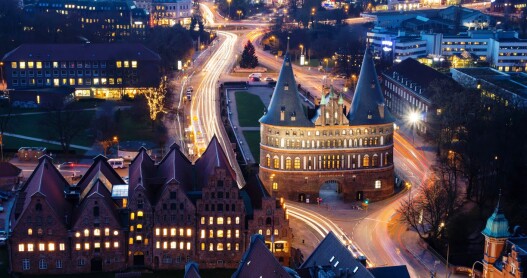
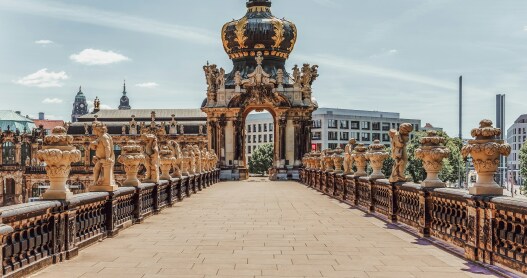
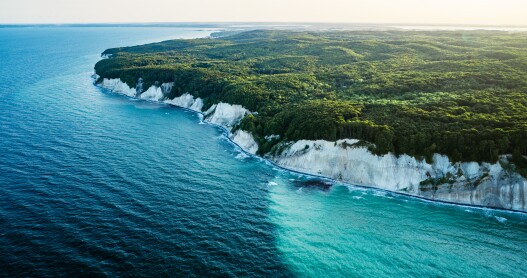
Vibrant urban culture vies with romantic landscapes throughout Germany. The major cities, especially Berlin, Hamburg, Cologne, and Munich, should not be missed, but smaller towns like Bayreuth, Weimar, Nuremburg, Dresden, Bamberg, and Lübeck are also attractive for their impressive architecture and charming atmospheres. Soaring cathedrals and grand palaces can be found across the country, while natural areas like the Black Forest, the Bavarian Alps, and the Baltic and North Sea coastlines provide an alluring mix of recreation and relaxation.

Practical Information

Americans and other non-E.U. citizens need a valid passport to visit Germany for less than 90 days, and a travel visa to stay longer. The local language is German, though the more urban the destination, the more English is spoken, especially among the younger generation. The currency is the euro, the voltage is 230 volts, and the socket type is F (round plugs with two round prongs).

Guide Editor

Paul Sullivan has lived in Berlin since 2008. In addition to running his local website, Slow Travel Berlin, he writes regularly on Berlin and Germany for international publications like The Guardian, The Telegraph, the Sunday Times, and the BBC, and has worked on Berlin and Germany guidebooks for publishers such as Fodors, DK, Rough Guides, Wallpaper, and more.
READ BEFORE YOU GO
HOTELS
Whether you’re a skier or an après-ski enthusiast, these 19 European hotels are ideal for a winter weather getaway.
After a careful two-year renovation, the historic Brenners Park-Hotel & Spa is stepping into a new era of wellness shaped by the surrounding Black Forest.
Around the world, breakfast is emerging as the moment when a luxury hotel’s ambition—and its core values—become most visible.
These women aren’t just breaking barriers. They’re building a more inclusive, dynamic future for hospitality—and your hotel experience will be the better for it.
These are the 24 hotels we recommend most for wellness.
From rococo and baroque facades in Lübeck to Bauhaus in Weimar and Le Corbusier’s modernist neighborhood outside Stuttgart, Germany has a rich architectural history.
Descend into ancient mine shafts, visit skilled woodcarvers, soar to the top of eastern Germany’s highest mountain, and soak up the charm of historic towns.
From the protected Wadden Sea to the historic warehouse districts of Hamburg and beyond, a visit to the former Hanseatic League is a dream trip for sustainably minded travelers who love history.
Berlin is a masterpiece of urban planning, from the Museum Island at the heart of its walkable center to groundbreaking Modernism Housing Estates, plus epic parks and forests waiting just a stone’s throw away.
Explore rich religious traditions and outstanding architecture at the country’s most magnificent cathedrals and monasteries.
RESOURCES TO HELP PLAN YOUR TRIP
Although it has just 4,800 inhabitants, the town of Wachenheim is quite well known, both for its vineyards and its castle. Thought to be built in the 12th century by King Konrad von Hohenstaufen, Castle Wachtenburg is popular mostly for its tremendous views over the surrounding Rhineland, which earned it the nickname “Balcony of the Palatinate.” It’s much larger up close than it looks from down the hill, and also has a preserved tower, wall sections that date from its 12th century beginnings, and the remains of a historic palace. Look around, then head to the on-site café, which serves as a location for various events and wine festivals.
The picturesque village of Landau, located halfway between the German town of Speyer and the French town of Wissembourg, makes for a great stop along the Wine Route, especially to see the Church of the Holy Cross. A former monastery for Augustinian monks, it was built in the early 14th century but expanded throughout the centuries to include a three-aisled Gothic basilica and several attractive Baroque elements. When you’re done touring the church, head to Landau’s medieval city center, where you’ll find traditional taverns, charming cafés, some excellent restaurants, and several great boutiques.
Built in 1934 from a couple hundred pine boards, the Dürkheimer Fass is the world’s largest wine barrel, and often described as the heart of the German Wine Route. Constructed by barrel maker and vintner Fritz Keller, it could feasibly hold 449,092 gallons of wine, but has never actually contained any liquid. Instead, it functions as a unique wine bar and restaurant, conveniently located on Bad Dürkheim’s main square.

Surrounded by vineyards, the small town of Bad Dürkheim is of course famous for wine, but it’s also known for its annual sausage festival, which takes place over two long weekends in September and is said to be the largest wine-related festival in the world. Additionally, the “Bad” in the town’s name indicates local wellness facilities, including thermal baths, a spa park, and the old Kurhaus, a former sanatorium that now houses a hotel. If you’re feeling energetic, you can hike up to Limburg Monastery, which was built in the 11th century and today hosts concerts and theater performances.
Set on Bayreuth’s market square inside one of the oldest buildings in town, this charming tavern dates back an impressive 600 years. Run by two families, Wenk and Bauernfeind, since 1999, it features a purely Franconian ambience of regional food, beer, and wine, all presented with a warm welcome and friendly service. Dishes like grilled beef, roast pork, and local trout are cooked to perfection, portions are big, and waiters are dressed in typical Bavarian attire. There’s also a streetside terrace that’s great for people-watching.
A restaurant inside Heidelberg Castle was never going to be modest or inexpensive, and Scharff’s Schlossweinstube is nothing if not upscale. With classic parquet flooring, sparkling chandeliers, and stucco ceilings, it’s romantic and refined, its Baroque decor only outdone by its Michelin-starred fare. Informed by classic German and French techniques, head chef Martin Scharff serves local favorites like Swabian ravioli, as well as roast duck, unique dishes such as veal kidneys, and a delicious cheesecake with raspberry sorbet, all perfect for pairing with an extensive selection of international wines.

If you’re not looking to splurge, try the neighboring Bistro Backhaus, with a more rustic appeal including vintage furnishings, a huge baking oven, and a casual menu of coffee and cake. It also features a shaded terrace and the same wine list as Scharff’s.
For many centuries, the Hohenzollerns were one of Germany’s most powerful families, their influence only diminishing with the end of the monarchy after World War I. During their dominance, they lived in this majestic neo-Gothic castle, visible from miles away thanks to its prime location on a conical hill. Inside, a series of opulent rooms remain resplendent with period furnishings and valuable oil paintings. The Treasury—which hosts personal items of Frederick the Great and Queen Louise, the Prussian Royal Crown, and a great deal of expensive porcelain and silverware—and the royal chambers can only be seen via a guided tour, but the grounds are free to explore. Also open to the public is the café-restaurant Burg Hohenzollern, with decent regional food and an outdoor beer garden in summer.
Perched picturesquely on a rocky hilltop overlooking the city, Heidelberg Castle is enigmatic, romantic, and one of the few castles in Germany that hasn’t been fully restored. Dating back to the 1300s, it served as the seat of the Palantine electors for several centuries. While it expanded substantially during the 16th and 17th centuries, it was plundered and destroyed on many occasions and now consists of mainly Renaissance and Baroque ruins. It’s free to roam the gardens and exterior, but guests must pay an admission fee to visit the interior. Take a guided tour for a historic overview and access to highlights such as the English Wing (built in 1612 by Elector Friedrich V), the graceful Renaissance courtyard, and impressive rooms like the Knight’s Hall and the Imperial Hall. The Grosses Fask (Great Cask) in the cellar is also worth seeing—the world’s largest functioning wine barrel, it’s made from 130 oak trees and can hold some 58,117 gallons of wine.
Completed in 1614, Johannisburg Palace is one of the most important Renaissance castles in Germany. Located along the Main River, the immense, four-winged complex served as the second residence of the archbishop-electors of Mainz until 1803. Today, it’s home to innumerable cultural and historical treasures, including a unique collection of cork architectural models called Bringing Rome Across the Alps. The State Gallery displays early German and Dutch paintings, with a special emphasis on Lucas Cranach the Elder, while the Princely Apartments offer a fine array of neoclassical furnishings. In the Palace Church, modern technology brings the Renaissance altar to life in a new way, using light and sound installations to highlight the 31 alabaster sculptures and almost 150 relief figures. Also not to be missed is the Palace Museum, showcasing the history of Aschaffenburg, as well as the gardens, where the fruit trees and flower beds are particularly splendid in summer.
This elegant family-run restaurant in the charming village of Sulzburg was founded by Hans-Paul Steiner and his French wife, Claude. Today, it’s helmed by their daughter, Douce Steiner, who, after learning the ropes from her father and then training in France, is now the only female chef in Germany with two Michelin stars.

Simply decorated with antique furniture, cozy carpets, and wooden walls hung with photos, the restaurant keeps the focus firmly on the food. The traditional menu ranges from fresh sea bass, turbot, and red mullet to duck, quail, and desserts like a divine chocolate cake with locally grown cherries, while the wine list showcases some 500 labels (Claude still works as the sommelier). Should you want to make a weekend out of your visit, head upstairs to the associated hotel, which offers comfortable rooms and breakfast in the restaurant every morning.
Officially named the Emperor’s Cathedral of St. Bartholomew, Frankfurt’s main church is recognizable for its striking 328-foot-tall tower. Dating back to the 13th century, the cathedral is also famous for the fact that its Wahlkapelle (election chapel) served as the location for selecting Holy Roman emperors from the 14th to the 18th centuries. Rebuilt following an 1867 fire and again after World War II, the church features a traditional Romanesque cross-shaped floor plan and high altar decorated with a 15th-century retable depicting the life of Christ. Other highlights include the Maria Schlaf Altar in the Mary Chapel, created in 1434, and the choir stalls, which date all the way back to 1352. Added in the 15th century, the tower holds 328 steps, which visitors can climb for sweeping views of the city. There’s also a small on-site museum with precious liturgical objects, plus organ recitals and other concerts throughout the year.