Germany

While Germany is well-known for its hearty food and beer, fairy-tale castles, and gorgeously preserved medieval towns, the country offers so much more than clichés. In addition to some of Europe’s most distinctive cities—Berlin, Munich, and Hamburg, to name a few—Germany features diverse natural scenery (scenic coastlines, mystical forests, soaring Alps), a heavyweight cultural legacy (including contributions from some of the world’s most famous philosophers and musicians), cutting-edge architecture, and celebrated contemporary art.

Germany-Guide.jpg

Photo by Felix Bruggemann

Overview

When’s the best time to go to Germany?

Summer is the ideal time to visit Germany. The country’s sunlit landscapes—crisscrossed with rivers, peppered with forests and lakes, and dotted with charismatic castles—are in full bloom, and its cities transform into outdoor playgrounds. Still, summer can bring crowds and expensive prices, so spring and autumn are attractive alternatives, helped along by a slew of major events like Munich’s famous Oktoberfest. Winter holds its own charms, especially for ski and snowboard fans, as well as for those who wish to visit Germany’s Christmas markets, which run from late November until December 23, or the Berlin International Film Festival in February.

How to get around Germany

There are over 40 airports spread across Germany, providing easy and convenient access to the country’s 16 federal states. Frankfurt am Main and Munich are the largest airports, followed by Düsseldorf, Berlin, Hamburg, Stuttgart, and Cologne Bonn. Once you’ve arrived in Germany, public transportation is generally excellent, with high-speed trains connecting all major cities as well as destinations across Europe. Some regions, like the Black Forest and Schleswig-Holstein, are more easily explored by car, but even there you can find buses and trains to get around.

Food and drink to try in Germany

Traditional German food is quite substantial—meat dishes like lamb, pork, and beef are popular, along with plenty of fish, rich sauces, and generous sides including potatoes, dumplings, and cabbage. Sausages are ubiquitous, and each region tends to have its own specialty. Be sure to try Rheinischer Sauerbraten (pot roast) in the North Rhine, spätzle (cheesy noodles) in the south, and quirky dishes like Handkäs mit Musik (pungent cheese topped with white onions) around Hesse. Contemporary German cuisine, on the other hand, often consists of lighter, updated versions of classics, and all the big cities offer a diverse range of international food.

Beer, of course, is a trademark of Germany, including the mixed drink Radler (beer with lemonade or any variation of juice), which is popular during the summer. In winter, sipping a steaming mug of Glühwein (mulled wine with spices) is recommended.

Culture in Germany

Germany is often referred to as Das Land der Dichter und Denker (The Country of Poets and Thinkers), which gives more than a clue as to its intellectual and cultural prowess. Famed for its contributions to everything from philosophy and literature to music and art, the country has produced many luminaries known worldwide by their surnames alone: Goethe, Bach, Hegel, Beuys, Hesse, Wagner, Mozart, among them. Germany’s contemporary cultural scene is just as dynamic, as evidenced by an annual calendar of events like the world-renowned Berlin International Film Festival and the Documenta art exhibition in Kassel.

Can’t miss things to do in Germany

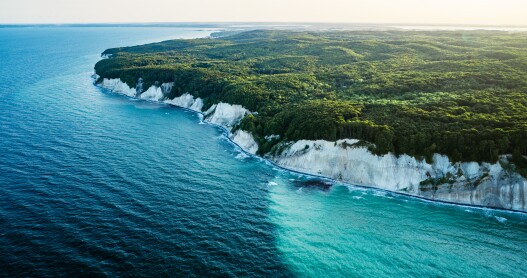
Vibrant urban culture vies with romantic landscapes throughout Germany. The major cities, especially Berlin, Hamburg, Cologne, and Munich, should not be missed, but smaller towns like Bayreuth, Weimar, Nuremburg, Dresden, Bamberg, and Lübeck are also attractive for their impressive architecture and charming atmospheres. Soaring cathedrals and grand palaces can be found across the country, while natural areas like the Black Forest, the Bavarian Alps, and the Baltic and North Sea coastlines provide an alluring mix of recreation and relaxation.

Practical Information

Americans and other non-E.U. citizens need a valid passport to visit Germany for less than 90 days, and a travel visa to stay longer. The local language is German, though the more urban the destination, the more English is spoken, especially among the younger generation. The currency is the euro, the voltage is 230 volts, and the socket type is F (round plugs with two round prongs).

Guide Editor

Paul Sullivan has lived in Berlin since 2008. In addition to running his local website, Slow Travel Berlin, he writes regularly on Berlin and Germany for international publications like The Guardian, The Telegraph, the Sunday Times, and the BBC, and has worked on Berlin and Germany guidebooks for publishers such as Fodors, DK, Rough Guides, Wallpaper, and more.
READ BEFORE YOU GO
HOTELS
Whether you’re a skier or an après-ski enthusiast, these 19 European hotels are ideal for a winter weather getaway.
After a careful two-year renovation, the historic Brenners Park-Hotel & Spa is stepping into a new era of wellness shaped by the surrounding Black Forest.
Around the world, breakfast is emerging as the moment when a luxury hotel’s ambition—and its core values—become most visible.
These women aren’t just breaking barriers. They’re building a more inclusive, dynamic future for hospitality—and your hotel experience will be the better for it.
These are the 24 hotels we recommend most for wellness.
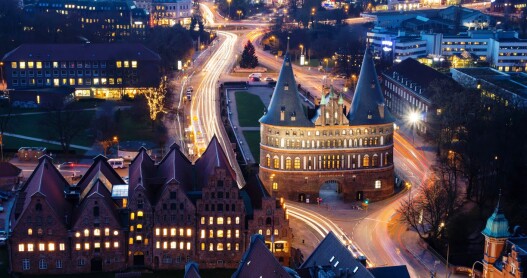
From rococo and baroque facades in Lübeck to Bauhaus in Weimar and Le Corbusier’s modernist neighborhood outside Stuttgart, Germany has a rich architectural history.
Descend into ancient mine shafts, visit skilled woodcarvers, soar to the top of eastern Germany’s highest mountain, and soak up the charm of historic towns.
From the protected Wadden Sea to the historic warehouse districts of Hamburg and beyond, a visit to the former Hanseatic League is a dream trip for sustainably minded travelers who love history.
Berlin is a masterpiece of urban planning, from the Museum Island at the heart of its walkable center to groundbreaking Modernism Housing Estates, plus epic parks and forests waiting just a stone’s throw away.
Explore rich religious traditions and outstanding architecture at the country’s most magnificent cathedrals and monasteries.
RESOURCES TO HELP PLAN YOUR TRIP
Tradition meets innovation at Wirthaus in der Au, where Bavarian specialties are updated for modern tastes—especially the dumplings, which are so popular the restaurant sells its own dumpling cookbook. Open since 1901, and conveniently located near the Deutsches Museum, the restaurant is a local favorite not only for its hearty, certified organic fare (roast duck, white sausage, potato salad, soft pretzels), but also for its great selection of beer (including Paulaner), welcoming atmosphere, and historic décor (which ranges from painted ceilings and sturdy wooden seats to a fabulous stein collection). If the weather’s good, grab a seat in the beer garden, where you can enjoy a brew or homemade lemonade under the generous shade of chestnut trees.
One of the most famous sights in Germany, the Cologne Cathedral (known locally as the Kölner Dom) lives up to the hype. Its Gothic exterior, and especially its soaring twin spires, can be seen from all over the city, and its immense interior—measuring a whopping 66,370 square feet—brims with religious and cultural treasures. While its first stone was laid in 1248, the cathedral wasn’t finished until 1880. Today, its highlights include the Altar of the Patron Saints of Cologne by Stefan Lochner, the carved oak choir stalls, and the stained glass windows, which range from 13th-century examples to a more recent (and striking) addition by contemporary artist Gerhard Richter. The real treasure, however, is the Shrine of the Three Kings—an impressive work of medieval gold craftsmanship that’s bigger and grander than any other in Europe. Take it all in, then climb the 533 steps to the viewing platform on the south tower for a look over the city and, on a clear day, out to the Siebengebirge. Also be sure to visit the treasury, which holds artworks made from gold, silver, bronze, and ivory, as well as holy relics and sculptures from the Middle Ages.
Spanning a massive 129,166 square feet, the Pinakothek der Moderne is really four different museums: the Sammlung Moderne Kunst, the Design Museum, the State Graphic Collection, and the Architekturmuseum. As such, it’s one of Europe’s biggest institutions for modern and contemporary art, design, and architecture, offering a sweeping overview of 20th- and 21st-century culture, from avant-garde sculpture to digital installations. Notable for its 82-foot glass dome, the building is bright and airy, with plenty of room for walking around and experiencing all that’s on display. Tour the permanent collections on the upper floors, then head down to the ground floor to see the graphic, architectural, and temporary exhibitions.
Dating back to 1843, this massive museum has grown and modernized over the years, especially with the addition of the Neue Staatsgalerie (New State Gallery) in 1984 and a modern hall specially built in 2002. Spanning some 96,875 square feet of exhibition space, the collection focuses on early Swabian panel painting and 19th-century Swabian Neoclassicism, but also includes modern pieces like Oskar Schlemmer’s Figurines for the Triadic Ballet, Matisse’s famous Back Series, and a Joseph Beuys room that was installed by the artist himself. Other highlights range from Dalí’s Raised Instant and George Grosz’s The Funeral to Miró’s Bird with a Calm Look. Opt for a guided tour to ensure you see everything, then visit the museum shop and the Fresko café-restaurant. Note that, on Wednesdays, you can visit the permanent collection for free.
This charming Swabian town is deservedly popular for its vibrant atmosphere, handsome castle, and medieval center, which boasts winding, cobbled lanes and half-timbered town houses joined by narrow alleyways. The key sights include the Stiftskirche St. Georg, a late-Gothic church with stained glass windows and city views from its tower; the delightfully yellow Hölderlin Tower, which will reopen as a museum in 2020 and is best viewed from across the river; the striking 15th-century City Hall, with its painted facade and astronomical clock; and, of course, the turreted Hohentübingen Castle, set attractively on a hilltop and home to the Museum of Ancient Cultures. The town is also famous for its university, which is one of Europe’s oldest. It’s attended by a large number of students (about 20,000), who add to Tübingen’s lively spirit by filling the sidewalk cafés, restaurants, wine taverns, and pubs.
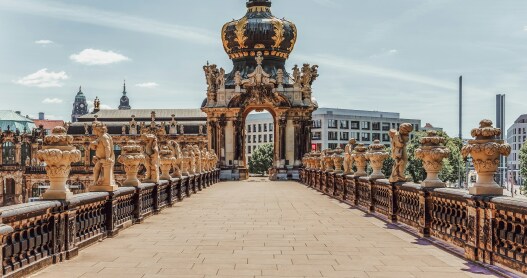
Open to the public since the middle of the 18th century—and subsequently expanded by various Saxon Electors and museum curators—this celebrated museum contains one of Germany’s finest collections of Old Master works. Housed in the magnificent Dresden Zwinger, the museum spans three floors, focusing mainly on European painting (specifically the Italian Renaissance) but also featuring Dutch and Flemish masters like Van Eyck, Dürer, Holbein, Rubens, and Rembrandt. Highlights include Raphael’s Sistine Madonna, Vermeer’s Girl Reading a Letter at an Open Window, and Bellotto’s depictions of Dresden’s historic city center. Also worth checking out is the collection of Cranach paintings—the largest of its kind in the world.
Located less than an hour from Dresden in Saxon-Switzerland National Park, the Bastei is a jagged outcropping of sandstone rocks that once served as the foundation for Neurathen Castle. While the castle is mostly gone now, its bridge (known locally as Basteibrücke) remains one of the park’s major highlights. Initially made of wood but rebuilt with stone, it clocks in at 250 feet and leads directly to the castle ruins, offering peerless views of the Elbe Sandstone Mountains, the Elbe River, and the Königstein Fortress. For a small entrance fee, visitors can walk its length, then refuel at the Panorama Restaurant on the other end. Active travelers may even want to attempt the Golden Triangle hike between the Bastei, Wehlen, and Kurort Rathen, which also passes the ruins of Stadt Wehlen Castle.
Rothenburg ob der Tauber has several significant churches, but the most famous one, for good reason, is St. Jacob’s. A short stroll from the town’s main square, the cathedral was built in stages, between 1311 and 1484, in the High Gothic style, and is famous for its high altar, religious artworks, and pair of distinctive towers, both of which are nearly 200 feet tall. Inside, visitors will find several paintings, including a depiction of pilgrims stopping here en route to Santiago de Compostela in the 15th century. The Altar of the Twelve Apostles is one of the most important of its kind in Germany, with an intricate altarpiece that depicts Christ on the cross surrounded by four angels, and the Holy Blood altarpiece in the west gallery is almost as impressive, with early 16th-century wood carvings by Tilman Riemenschneider and a glass vial that purportedly contains a drop of Christ’s blood.
Built in 1703, Heidelberg’s oldest and most famous tavern has certainly had some illustrious patrons. Mark Twain, Marilyn Monroe, and John Wayne are just a few of the celebrities who drank and dined here—a fact that’s proven by the many photos of famous faces hanging on the walls. Notable clientele notwithstanding, Zum Roten Ochsen is all about simplicity. Still run by the same family that opened it hundreds of years ago, it serves rich local dishes, from goulash soup and bratwurst to Swabian Maultaschen (meat-filled ravioli) and Käsespätzle (cheese-covered noodles), as well as fresh herring, boiled beef, and several vegetarian options. Also on offer is a drinks menu heavy on regional wines and local Heidelberg beer, all of which are complemented by the restaurant’s old-fashioned interior, friendly service, and live piano player in the evenings.
Before becoming a small tavern, this hole-in-the-wall spot served as a cooper’s workshop that made barrels for the local winemakers. Today, its modest confines have been made cozy with a few wooden tables (actually former workbenches), a smattering of candles, and old tools from the workshop. Its appeal lies not just in the convivial atmosphere that comes from being a family-run restaurant since 1992, or the fact that strangers eat in close quarters, but also in the hearty menu, which offers classic dishes from Baden and the Pfalz region like Schäufele (pickled and slightly smoked pork shoulder), Saumagen (sow’s stomach stuffed with meat and potatoes), schnitzel, and deliciously creamy Käsespätzle. The wines are also excellent, meaning Schnitzelbank is usually packed. Arrive early for a better chance at a table.