Australia

The land down under may seem like a world away, but it’s a dynamic destination that caters to music lovers and fashionistas, urban adventurers and discerning gastronomes, the nature-intrigued and seasoned outdoors explorers. Now reopen to international travelers, Australia beckons with all that it offers. You may come for the very great barrier reef in Queensland and discover scuba diving led by Indigenous guides; or pair Victoria’s ski scene with its wine scene. Maybe you should consider a longer trip...

Australia7.jpg
Overview

When’s the best time to go to Australia?

It’s hard to find a wrong time to visit Australia. Winter is June to August, when most of Australia hits a low season. This is the time to ski in the Kosciusko National Park or on Victoria’s Mount Hotham. It’s also the best time to visit northern Australia.

Between May and September the Northern Territory, northwestern Australia, and Queensland offer ideal weather. In summer, these areas swelter, either too humid or too hot, inciting some travelers to make a U-turn to more friendly climes down south.

From September to May, southern Australia is at its peak. Every other traveler looking for antipodean escapades arrives at this time of year, but there’s plenty of land to go around. December to February have most Sydneysiders and Melbournians pumping up the air-conditioning, while braver tourists define new tan lines on Bondi and Manly beaches.

How to get around Australia

They don’t call Australia “the land down under” for nothing. It’s a long flight from just about anywhere. And once you’re here, the various must-see destinations are spread over vast distances, so some logistical planning is necessary.

As of 2022, there were nine nonstop inbound flights to Australia from the U.S., stopping in Sydney, Melbourne, Brisbane, or Perth. Interstate flights are easily accomplished via Qantas, Jetstar, Tiger, and Virgin.

To see the whole continent in under a month is a serious undertaking and will involve trains, planes, a few automobiles, boats, and a ferry or two.

A less daunting project would be to take on the East Coast in one trip, spending time in Sydney and Melbourne, exploring Adelaide and the Great Ocean road by car, taking a car-ferry or flight to Tasmania, popping in to Canberra, and jetting up to Queensland for the tropical experience.

Western Australia is simple to navigate by train, car, or tour bus, but don’t even think about going into the outback alone in summer.

The interior outback, known as the Red Center, is best reached by organized tour, available as luxury excursions, adventure operations, backpacker units, and every other imaginable collective. You can take four-wheel-drives off road, but carry water (five liters per day, per person), bring a high-frequency radio transceiver, and be sure to respect Aboriginal sacred land, national park rules, and animal crossings at dusk and dawn. (Neither party comes out well from an on-road clash with a large kangaroo.)

Food and drink to try in Australia

Foreigners’ overused jokey adage to “throw another shrimp on the barbie” no longer sticks. First of all, Australians call them prawns. Second, Australian gastronomy has surpassed the humble barbecue. It remains a happy summer stalwart in backyards across the country, but what happens elsewhere is more interesting. The country’s food scene has been largely overlooked abroad, and for the most part the global food media have shunned Australia’s culinary experience, focusing instead on its cuddly native critters and extraordinary landscapes. It’s also true that the nation’s food culture is really coming of age. What was a less than inspiring restaurant scene just a couple of decades ago has blossomed in recent years. Restaurants such as Attica, Quay, Sepia, and Flower Drum can stand up to the world’s best.

Culture in Australia

The new year kicks off the traditional cycle, and less than a month later the country celebrates Australia Day. Officially it marks the anniversary of the arrival of the British in Sydney on January 26, 1788. Mindful of the original inhabitants of the land, the day is now simply a celebration of being Australian. Folks light the barbecue, play cricket on the beach, and take to the outdoors. Every happy Australian stereotype comes out on one glorious public holiday. Parties don’t come much more mind-blowing than the Sydney Gay and Lesbian Mardi Gras Parade, the biggest of its kind in the world. Go along to cheer on the sequined, feathered, Lycra-wearing ensemble as they celebrate equal rights.

Hippies, rockers, folk fans, indie types, country listeners, jazz groovers: There are festivals across Australia for every sort of music lover. Travel north to Byron Bay to revel in the stunning bushland setting of Splendor in the Grass, and go to Victoria for the Falls Festival, relocated from Tasmania following a two-year pandemic hiatus. See where Keith Urban started his career at the Tamworth Country Music Festival. There’s Tropfest for film lovers, and the Sydney, Melbourne, or Byron Bay Writers Festivals for the more literary.

Local travel tips for Australia

Australia is a wide, stunning, varied land. To travel around it well requires great research and good advice. Locals love nothing better than spouting off about their favorite places, the best eats, the must-nots and must-dos. “Shout” (buy) a local a beer and you’ll get better insider advice than you could from a guidebook, and probably a really good laugh.

READ BEFORE YOU GO
HOTELS
These 19 hotels around the world immerse you in their destinations while carving out space for unhurried time together.
Sure, the beaches and views are great. But these islands excel with sustainable innovation, rich local traditions, and unique accommodations.
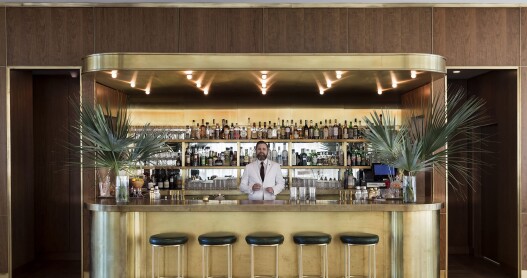
From lobby bars to rooftop lounges, these are the hotel bars Afar editors love checking out when they’re checking in.
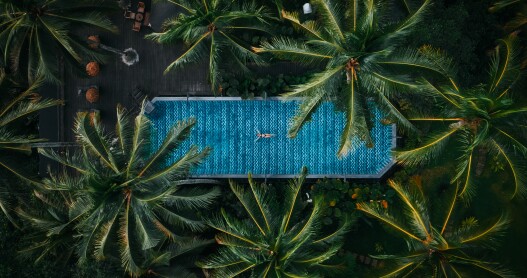
These hotel pools around the globe are worth building a trip around.
AFAR’s picks for the 31 best new hotels in the world.
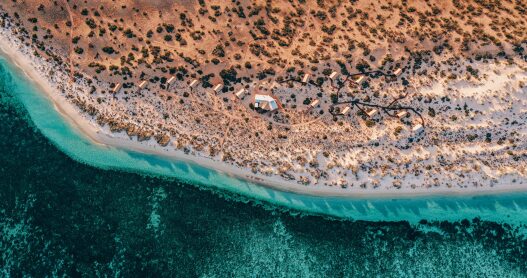
After having been decimated by wildfires in 2020, Southern Ocean Lodge in Australia is back—and it’s better than ever. Here’s a firsthand look at the reimagined retreat.
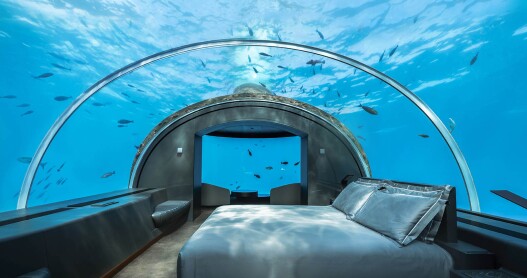
Sleeping with the fishes takes on a whole new meaning at these villas and suites under the sea.
There’s no shortage of luxury lodges, urban retreats, and pretty beach houses in Oz—but these are our favorites, from coast to coast.
Hotels can introduce their guests to the creativity that surrounds them—and reveal canvases visitors may not otherwise see.
Whether you’re after a view of Sydney Harbor or a neighborhood hangout with one of the best restaurants in town, these are the 15 best hotels in Sydney.
RESOURCES TO HELP PLAN YOUR TRIP
Does this setting look familiar? Picturesque Whitehaven Beach on Whitsunday Island has stood in more than once for the perfect island paradise. The sand here is dazzlingly white, thanks to a high percentage of silica crystals. Explore the region on one of many possibly day excursions arranged through qualia. Walk along the more than four miles of stunning beach, snorkel in the pristine waters directly off the beach or enjoy a scenic helicopter flight soaring high above the islands. Escape to the beach with Betty Jo Currie’s Water Views from Sydney to the Great Barrier Reef itinerary or check out the other trips to Australia on AFAR Journeys.
A major expansion of the Art Gallery of New South Wales will showcase Aboriginal art while also making use of extraordinary outdoor space.
Following the lead of mixed-use space Deus ex Machina in Camperdown, Rising Sun is a motorcycle workshop cum café and restaurant built for the Newtown community. That means garage space with tools and repair bays for members as well as regular workshops (one just for women), art events, and a public night ride on the last Tuesday of the month. Then there’s the rustic-chic café that whips up Asian-fusion cuisine that’s as rootsy and beautiful as the bikes. Come in the morning for breakfast ramen—bacon, roasted tomatoes, and a fried egg floating in bone broth—and a Japanese twist on a bloody mary. Then return for creative tapas and share plates in the evening complemented by a stellar list of Australian beers and wines.
Don’t let the name or menu fool you. This is neither a bakery nor the wings and burgers joint the menu might have you think. Rather, it’s a lively bar in the otherwise quiet city of Launceston that attracts vegans and meat eaters alike. Vegans and “vegos” come for the shrub burger (with fried pumpkin, eggplant, and vegan lemon aioli) or the veggie enchiladas. Carnivores swear by the “sanga” (sandwich) with slow-roasted pork shoulder doused in whiskey barbecue sauce and topped with coleslaw and apple peach chutney. An Aussie craft beer or Baileys and butterscotch espresso martini on the side patio, strung with faux ivy, isn’t too shabby either. The best times are had on live music and DJ nights, when the bar buzzes late.
This rustic barn turned tasting room, museum and shop highlights Tasmania‘s apple- and cider-producing heritage, while also serving as the home of Willie Smith’s Organic Cider and Charles Oats Distilling. It offers a delicious food menu, too, featuring the stars of southern Tasmanian produce (Huon cold-smoked salmon, Spring Bay mussels, Summer Hill bread) plus cider pairings. A hive of activity year-round, the Apple Shed really heats up in the Austral winter, when you can sip spiced cider (Willie Smith’s Original plus ginger, cinnamon, cardamom, and pimento) during live music on Fridays as well as the first Sunday of the month. Better yet, come for the Huon Valley Mid Winter Festival: a pagan-inspired weekend of music, merriment, and wassailing—scaring nasties out of the orchard to ensure a bumper autumn crop.
While some Great Barrier Reef resorts require private plane charter, this 57-room boutique resort is located on Hamilton Island—the only one in the Whitsundays with a commercial airport—meaning it’s easily reached by a direct flight from Sydney, Melbourne, Brisbane, or Cairns. Each room, situated on the tranquil, white-sand Catseye Beach, has a bright Aussie vibe, with lots of natural wood, Aesop toiletries, and private terraces or balconies offering palm-fringed ocean views. The resort’s adults-only policy ensures bliss awaits at the infinity pool overlooking the beach, or below on the portion of Catseye reserved for Beach Club guests. Also on offer is complimentary watersports gear, from snorkeling equipment to catamarans. The resort can even arrange for helicopter and seaplane rides, or diving excursions to secluded sections of the Great Barrier Reef.
Since opening in 1819, Australia’s first barracks has housed British convicts, female immigrants, destitute elderly women, courtrooms, and government offices until it was finally declared a museum in 1979. During a twice-daily tour, or with the help of an audio guide, visitors get a glimpse of how high-skill prisoners lived, worked, and slept (on hammocks) during the 19th century—often freely working in the city by day but sleeping alongside more than 1,000 thieves, conspirators, bank robbers, pirates, and bushrangers by night. Offered in the original convict bakehouse and store, a house-made pot pie, burger, or cake with a schooner of beer at Bakehouse is a welcome end to the experience. Outside, freedom has never felt so good.
The brick-and-iron warehouses of the old Eveleigh Railway Workshops host a diverse lineup of experimental music, theater, film, and fine art. Located on the border of Redfern and Waterloo, Carriageworks was restored to keep the historical roots intact while providing a space for cutting-edge culture. Every Saturday, more than 70 stalls fill the former railyard outside with organic produce, artisan breads, specialty coffee, and exotic flowers as well as street food from the likes of chef Kylie Kwong during the farmers’ market. Fuel up at the market and then get inspired by whatever is on display inside this artist-run venue. Big annual events for Sydney Contemporary, Pacific Runway, Sydney Gay and Lesbian Mardi Gras, and the Sydney Festival are also held here throughout the year.
An Aboriginal territory turned shipping port between the Rocks district and King Street Wharf has been transformed into a harborfront reserve, modeled after what the headland may have looked like before Europeans arrived. It’s a great area for a walk or a picnic as well as for special events. And the surrounding area is home to dozens of new bars and restaurants. The seafood-centric Cirrus is run by the award-winning Bentley Restaurant team, and 12-Micron celebrates Australian produce through a menu organized around the elements. Early birds flock to cult favorites Micro by Coffee Alchemy and Bourke Street Bakery, while the after-work crowd unwinds at Sydney’s first vermouth bar, Banksii; the tropical rooftop Untied; and Smoke bar, on the top level of Barangaroo House.
Sydney’s 158-acre botanic garden, which hugs the harbor between Mrs Macquarie’s Chair and the Sydney Opera House, is home to nearly 9,000 plant species. Depending on the season of your visit, you might seek out spring peaches and wisteria or tropical orchids and summer lotus flowers. On any occasion, don’t miss descendants of the 200-million-year-old Wollemi pine, a dinosaur of a conifer only discovered in 1994. The gardens are also studded with sculptures from historical statues to modern works by Bronwyn Oliver, Paul Selwood, and Keld Moseholm. The quartz-and-sandstone Wurrungwuri depicts an Aboriginal shield once used by the traditional owners of this land. Tours are offered throughout the year, including a 1.5-hour Aboriginal history tour on the food and medicinal properties of native Australian plants.