Arizona

With everything from alpine forests to deserts dotted with saguaro cacti, the landscape in Arizona is mesmerizing. The state’s natural landmarks are most readily apparent, but thousands of years of human habitation have also made their mark on the terrain—many of the canals that irrigate Phoenix follow the contours of ditches dug by the ancient Hohokam people. The unwaveringly sunny weather makes an outdoor lifestyle possible year-round, and a growing food scene means you’ll be well fed during your visit. In Arizona, the Grand Canyon is really just the beginning.

Catalina_State_Park_Arizona.jpg
Overview

When’s the best time to go to Arizona?

Visit October through early May to avoid the stifling heat. Places like the Grand Canyon and Monument Valley, which are exceedingly popular in the summer, will also be quieter in late spring or early fall. If your trip does coincide with the warmer months, the Mogollon Rim highlands offer cool relief. Meanwhile, Flagstaff is the perfect winter playground. Just remember that snowy road closures are common at higher elevations. No matter when you visit, be prepared for cool nights everywhere in the state.

How to get around Arizona

Arizona’s two major airports are in Phoenix and Tucson. By car, I-10 and I-40 are the main east–west routes across the state. El Paso to Tucson is about a four-hour drive, and from Los Angeles to Phoenix is about five and a half hours.

A car—with air-conditioning, and ideally tinted windows—is an absolute must to get around the state. Always carry extra water.

Food and drink to try in Arizona

Arizona has a burgeoning local food scene that goes far beyond Mexican and cowboy fare. Vineyards and orchards blanket higher elevations across the state, while citrus fruits and pecans thrive in the heat. Though desert covers much of the state, the sea is only a few hours away, so ceviche and sushi are as popular as chimichangas and steaks. If you want to try Southwest fusion or international cuisine, head to Tucson and Phoenix—these diverse cities do the food of many regions well. Just save room for a prickly pear margarita, and remember that guacamole and salsa are as Arizonan as red rocks and cacti.

Culture in Arizona

A historic blend of American Indian, Hispanic, and Anglo cultures makes Arizona a much more eclectic destination than many realize. Pre-Columbian ruins sit alongside modern cattle ranches, while the Mission San Xavier del Bac, a masterpiece of baroque desert architecture near Tucson, was founded by the Spanish in the 1690s and still serves as the parish church for the local Tohono O’odham nation. Arizona also has some excellent museums, such as the Heard Museum in Phoenix and the Arizona State Museum in Tucson.

In Arizona, there are even festivals for every taste and season. Winter brings the Renaissance Festival, Tucson Rodeo, Tucson International Gem and Mineral Show, Tucson Festival of Books, and the Fiesta Bowl, while the spring sees the Scottsdale Culinary Festival, Tucson International Mariachi Conference, and Country Thunder. Summer is the time for the Annual Festival of Navajo Arts & Culture, Prescott Frontier Days, and the Sedona Hummingbird Festival. And in the fall, enjoy grape-stomping at various wineries, the Arizona State Fair, and El Tour de Tucson cycling events.

Local travel tips for Arizona

Summer is jaw-droppingly hot, but you can still enjoy the outdoors—just start at dawn so you can finish well before mid-morning. If you get caught in a sandstorm while driving, pull off the road and turn your lights off. Finally, when in Arizona, burritos are called burros.

Guide Editor

READ BEFORE YOU GO
HOTELS
The newest members include a forest retreat in Georgia, a reef-side resort in Belize, and a Michelin-starred restaurant in Alsace.
Sleep under the world’s darkest, clearest skies across six continents at one of these 19 dark sky zone hotels.
These 19 hotels around the world immerse you in their destinations while carving out space for unhurried time together.
Enjoy the healing benefits of the natural thermal waters at these 9 restorative resorts.
With their firepits and comfort-minded interiors, these are the best hideaways where you can embrace the chill this season.
Earlier this year, Marble Canyon Lodge reopened after an extensive transformation, putting the Navajo Nation community at the center of the new guest and destination experience in a remote corner of Grand Canyon National Park.
These are the 24 hotels we recommend most for wellness.
Cool down in style at the Arizona Biltmore, popular since the Golden Age of Hollywood.
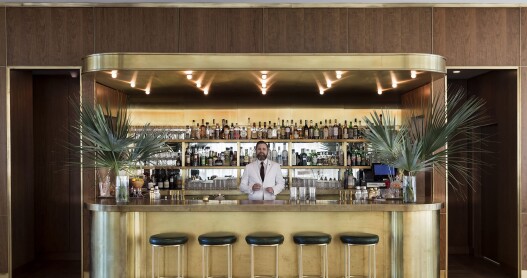
From lobby bars to rooftop lounges, these are the hotel bars Afar editors love checking out when they’re checking in.
Stay in one of these stylish campers across the United States.
RESOURCES TO HELP PLAN YOUR TRIP
On the northern edge of Tucson, you can drive through a condensed version of western North America’s ecosystem in about half an hour. On the way up the Mount Lemmon Highway (also known as “Catalina Highway” or “Sky Island Scenic Byway”), you traverse almost all of the different life zones you would encounter if you were to actually drive from Mexico to Canada: starting with the saguaro-studded Sonoran desert, up through grassland, junipers and oaks, pines, and finally a mixed-conifer forest with stands of aspen. You begin at about 2500 ft. and end up at almost 9100 ft. above sea level (about 760 to 2770 meters). In the summer, especially, southern Arizonans love this road: “thirty miles, thirty degrees cooler,” as the saying goes. When it’s 105 degrees down in the city, it’s a perfect 75 up on the mountain. In the winter, you can go skiing in the southernmost ski resort in the U.S.
For a decade and a half now, Tucsonans have been coming here for fresh-baked bread...and much much more. Get some challah French toast in the morning...or a chicken-green-chile omelette...and no shortage of croissants and scones... Mid-day, if you want one of the best sandwiches around, try the “Everything Reuben,” which won 2nd place in the World Food Championships in Las Vegas last year-- corned beef, vinegar slaw, Swiss cheese and house made Russian dressing on a fresh pretzel roll... Summer brings gazpacho, zesty and cold... ...and every Friday, there’s BABKA! Cinnamon or chocolate--(I pick the chocolate every time)--in a big ‘loaf’ or as a shareable ‘baby babka'--it’s an unexpected big-city-bakery taste here in the Southwest desert. Note the cycling gear on the wall--yes, they sponsor the spandex-clad, those helmeted pelotons who definitely earn their carbs...(Tucson is one of the nation’s biking meccas.) Ahh, “Tucson Born and bread,” read the jerseys and socks... The patio has mountain views and misters to counter the ‘dry heat.’ Years ago, when I first visited Tucson before deciding to move here, this was one of our stops--one of those places that makes you think ‘yeah, I could live here...’
Le Buzz is the place to hang out and caffeinate on Tucson’s northeast edge. They roast their own coffee, bake their own pastries, and they’re on the way if you want to pick up something for a picnic on your drive up to Mount Lemmon above the desert. Don’t let the strip-mall location fool you. This institution is a beloved “third place” for the local community. Sit here among TV-anchormen, novelists, horse-trainers, students, biotech-spandex-clad-cyclists, couples on dates, crossworders-content-to-be-alone... Pastries are just the beginning—the quiches are killer, you can get carnitas skillets, reubens, and buckwheat pancakes—and the coffee is among the best in all of Arizona. Take a bag of beans with you... ...and if you’re here mid-week, breakfast pastries (if there are any left) are half-off after 3 p.m. The almond croissants are perfect for dipping into an afternoon latte...And be warned: Saturday mornings, you’ll have to compete with the cycling-spandex-crowd for a table.
With nearly 50,000 square feet of breathing room, the Children’s Museum of Phoenix is a great place for the kids to get involved in the exhibits. The museum offers a wide variety of different activities—with classes ranging from yoga to music to math—and boasts an art studio as well as a book loft.
Chile en nogada is a poblano chile pepper, stuffed with peccadillo (shredded meat, aromatic diced dried fruit and spices), topped with a walnut-cream sauce and pomegranate seeds. This dish from Puebla is not often found on menus of Mexican restaurants in the U.S. It’s not even that common south of the border, except during the August-September season surrounding Mexican Independence Day. If you’re in downtown Tucson, however, you can try it at Penca. In a repurposed space with exposed brick and hip cocktails, this restaurant is also a worthy destination for brunch or late afternoon tacos. Choose from carnitas, fish, lengua, cabeza, nopales, carne asada, and more. The corn-tortillas are handmade right after you place your order. (The tortillas alone are almost worth the trip.) Mexico City is the inspiration. The food is fresh, and the scene is full of optimism: downtown Tucson is reinventing itself with a new streetcar for a live-work-play vibe. Taste and see how this desert city continues to evolve. (Penca has recently been named one of the best bars in the country. Start your meal here with a creative cocktail!)
If you like Zinc Bistro, the House has the same great chef, Matt Carter. This has terrific drinks and food, but the ambiance just can’t be captured in a photo. Ask manager Tony for the cider shandy. Opened in late 2012, the restaurant inside is cozy. The patio outside is sort of southern in feel. Chef Matt Carter lets you explore his menu of re-imagined classic Mediterranean dishes. From house-made pastas to shellfish cooked over an Argentinian-style grill, dining at the House is an exciting culinary journey. While there is one other house that is older in Scottsdale, they do claim the tree is the oldest in Scottsdale.
As Phoenix heats up, many locals are desperate to escape the desert’s barren landscape and head north to Sedona. Only a two-hour drive from the city, on average, Sedona sees about 60% local valley traffic over the weekends. Route 89A, leading up to Flagstaff, provides many opportunities to veer off course and wander the many trailheads in Sedona. One particular trail is the West Fork Oak Creek Trail. Temperatures are at least 20 degrees cooler here and provides relief from the consistent 101-115 temps. You’ll find water holes and rivers and shade under the evergreens to keep cool and refreshed. Pack a picnic and spend a few hours exploring this trail as it weaves and winds through the forest and up against cliffs and the water’s edge. Hop from rock to rock crossing the stream at five different points along the trail. You won’t sweat too much here as it’s a fairly easy 3 mile stroll. You’ll know when you get to the end of the marked trail - it ventures on but I have yet to figure out how to follow it further to its 14-mile stretch. $9 entrance fee for the day. Word of advice: Get there EARLY to find parking during the weekend and summer months.
LON’s at The Hermosa Inn is our favorite in the Scottsdale area because the outdoor patio dining has a genuine vintage Southwestern feel. The indoor dining experience is superb, but for the ultimate romantic atmosphere try to reserve a spot on the patio. The use of authentic Arizona flavors with cutting-edge trends speaks to what you will find on the menu when dining at LON’s. We go for the fantastic food, and stay for the wonderful ambience. Cocktails start as early as 5 p.m. with delightful bar food during happy hour. Oh, and the bartender makes very interesting drinks. Speaking of the past, when cowboy artist Alonzo “Lon” Megargee first built the place in the 1930s, it was to be a private home, but he took in guests for extra money. A cowboy artist can always use some extra cash.
With two hiking trails ascending 1,280 feet to its peak, Camelback Mountain is a great option for nature-fiends who like a challenge. Both the Echo Canyon and Cholla trails exceed a mile in length and are accented with steep grades. Average hiking times range from 1.5 to 3 hours round-trip, so pack accordingly and bring enough water.
Don a headset, approach an exhibit, and wirelessly listen to African thumb piano or Mongolian throat singing at the vast Musical Instrument Museum. Besides browsing some 15,000 artifacts that represent different musical genres, visitors can catch a concert, take a drumming class, or recharge at the café, which serves global fare made from local products.