Dubai

Few places divide opinion as much as Dubai, the most cosmopolitan city-emirate of the United Arab Emirates. Detractors claim that its newness feels artificial, however Dubai has a long history and archaeological sites dating to the Bronze Age. The culture of this place is intertwined with Bedouin traditions and Arab hospitality. Despite the recent rush of development, you’ll still find gritty backstreets and low-rise neighborhoods amid glitzy shopping arcades and gleaming skyscrapers. For those who take the time to get beneath the skin of the place, Dubai is a compelling and dynamic destination.

Dubai-Guide-Hero-shutterstock-Frantic00.jpg

Photo by Frantic00/Shutterstock

Overview

When’s the best time to go to Dubai?

With year-round sunshine, Dubai’s weather is warm in winter (with a handful of cool days) and sultry in spring and fall. In the summer, temperatures are sizzling, and the humidity fogs your glasses the minute you leave your air-conditioned building or vehicle. While December through March is the most comfortable and lively period, it’s also high season, with plenty of festivals and sports events, and therefore very expensive. Prices are more reasonable in the shoulder periods of fall (October–November) and spring (April–May), but summer (June–September) is when you’ll really find the bargains.

How to get around Dubai

The colossal size of the airport terminals means that it can take forever to get from the plane through immigration to the taxi stand. If you want to make a cultural overture, greet immigration staff in Arabic with As’salam Alaykum (“Peace be upon you”), to which they’ll respond with Wa’alaykum salaam (“Peace right back to you”). For a hassle-free arrival, ensure that your passport is valid for six months. (If it does, you run the risk of being sent back on the next plane.) Avoid carrying codeine (you can buy many medications over the counter in Dubai) and banned materials such as R- and X-rated DVDs or magazines. When you leave the country, it is worth arriving at the airport well in advance of your departure so that you can enjoy the excellent airport shopping.

The winter months, with their slightly cooler temperatures, are a wonderful time to stroll the backstreets and wander the parks of Dubai. The rest of the year—and to traverse longer distances—the Metro can transport you between malls and along Sheikh Zayed Road. An air-conditioned public bus service travels along Jumeirah Beach Road. Check Dubai Government’s Road and Transport Authority for timetables and fares. The abras (open-sided wooden boats) that continually crisscross Dubai Creek are fun for moving between the older neighborhoods of Deira and Bur Dubai, especially if you’re exploring the souqs and the historic waterfront. Taxis are reasonably priced and useful when traveling from the airport to your hotel or when heading out to dinner. Rental cars are also affordable—and UAE roads are excellent—but are only necessary if you’re day-tripping or driving around the country. An international driver’s license is required.

Can’t miss things to do in Dubai

Stroll the backstreets of Satwa, a working-class neighborhood where locals and expats live in modest, sometimes ramshackle, houses with colorful iron gates and peeling paint. Crimson bougainvillea falls over the white walls, chickens scratch about the dusty lanes, and residents can often be seen cooking and eating in the courtyards, or playing cricket or soccer in the vacant sandy lots. On the main streets, you’ll find textile stores and tailor shops, simple eateries, and hole-in-the-wall bakeries where you can buy piping-hot flatbread straight out of wood-fired ovens for one dirham (about 25 cents).

Food and drink to try in Dubai

Eating out is one of the delights of visiting Dubai, and countless restaurants cater to all tastes, styles, and budgets. If you are staying at a five-star hotel, take advantage of its reservation service to book tables at the finest restaurants, however, don’t reserve a table before 8:30 p.m. or you’ll be eating only with other tourists. Arabs eat a late dinner (from 10 p.m. onward), and expats who’ve lived in the city for years do the same. You’ll need to reserve weeks in advance for weekend meals at Dubai’s best restaurants, such as Le Petite Maison and Zuma. Expect to dress up at the high-end places. Liquor is available at restaurants, hotel bars, and special clubs. If you want a drink on your balcony before going out, stock up at the airport duty-free, where allowances are generous.

Culture in Dubai

Dubai is often criticized as being a soulless city without culture, but anyone who tells you that has neither spent much time in the city, nor befriended any Emiratis or expats. The UAE’s culture was intangible until recent years when a contemporary art scene and numerous arts festivals began to evolve. There are no monumental pyramids and no majestic heritage buildings, but visitors will find a rich traditional culture based on things like oral storytelling, song, dance, and poetry.

Dubai has festivals for everything: shopping, food, film, and sports. Most are scheduled from November through March, culminating with the Dubai World Cup, the world’s richest horse race. The Muslim calendar is lunar, so religious festivals always begin with the sighting of the moon, and the night before a religious holiday, alcohol isn’t served. During Ramadan, the holy fasting month, business hours are limited, and it’s forbidden (haram) for anyone—Muslim or non-Muslim—to eat, drink, or smoke in public. Many clubs close for the month, as music is also haram, except for the traditional oud (Arabian lute). At the end of the month, after the breaking of the fast, the streets come alive, malls stay open until midnight, and families picnic in the parks until the wee hours. Other holidays to watch for include Islamic New Year, the birthday of the Prophet Muhammed, Eid Al Fitr (the festival marking the end of Ramadan), and Eid Al Adha (a four-day celebration at the end of the Hajj, or the main pilgrimage to Mecca). If you’re in Dubai for National Day, which takes place on December 2, head to the Dubai Heritage Village and Diving Village after dark to participate in the festivities.

Local travel tips for Dubai

- Do as the long-term expats do: dress modestly if you want to be accepted and value the opportunity to befriend locals. Women should wear skirts to the knees or longer, tops with sleeves, and nothing too tight or revealing. Men should wear long pants and tops with sleeves, no matter what the weather. Leave the swimsuits, shorts, and tanks at the hotel. You’ll see some foreigners wearing less, but this is highly offensive to Emiratis.
- Never shake hands with an Emirati woman unless she offers her hand first, and don’t photograph women without permission. Also don’t photograph sheikhs’ palaces, police stations, military buildings, ports, or airports—although this has more to do with security than culture or religion.
- Avoid public displays of affection, especially during Ramadan, as you run the risk of being fined.
- If you are visiting someone’s home, remove your shoes at the door, don’t show the soles of your feet when sitting down, and avoid eating with your left hand.
- Don’t use rude gestures or swear in public.

Practical Information

Electricity in Dubai is 220/240 V. Don’t forget your 3-pin plug adapter (a Type G). The official language of Dubai is Arabic but you’ll find that many people speak English (as well as other languages from around the world).

Guide Editor

Rend Beiruti is a long-term resident of Dubai. She is passionate about licorice, poetry, and four-day work weeks.

READ BEFORE YOU GO
HOTELS
Dubai has plenty of hotels to choose from, but these will truly connect you to the emirate and its culture.
AFAR’s picks for the 31 best new hotels in the world.
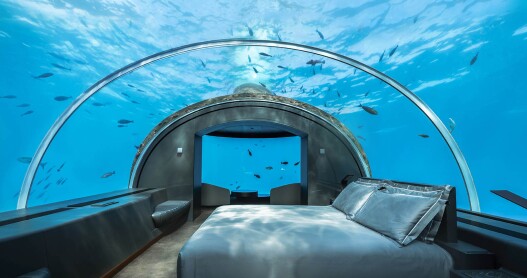
Sleeping with the fishes takes on a whole new meaning at these villas and suites under the sea.
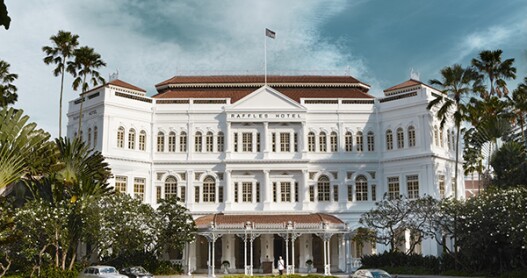
When the iconic Raffles Singapore opened in 1887, it quickly became a glittery haven for well-heeled travelers, and later, a go-to brand for discerning globetrotters.
The retired “Queen Elizabeth 2,” permanently moored in Mina Rashid, has debuted as a 224-room floating resort.
They’ll be home to family-friendly resorts, the Middle East’s first Cirque du Soleil show, and a marine park.
These hotels know how to make an entrance.
RESOURCES TO HELP PLAN YOUR TRIP
With its gold-hued, Egyptian pyramid-inspired exterior—topped by a glass peak that lights up like a beacon at night—it’s easy to recognize the 19-story Raffles hotel among Dubai’s glittering skyline. Inside, distinguishing features include the spacious rooms and suites—the 252 options are among the largest in town, and come with private terraces, Arabic design touches, tubs and walk-in showers, and service from a Raffles butler. The seven dining options draw a mix of in-house guests, expat locals, and business people. Choose from restaurants for Italian, Japanese, Arabic, and international buffet fare, a tea salon for refined sweet and savory creations, a cabana-ringed garden for shared plates and weekly barbecues, a bar and café adjacent to the well-sized pool, and a cocktail bar that pairs drinks with telecasts of the latest sports matches. Global influences can also be felt at the well-appointed spa, where the treatments are inspired by Asian, European, and Middle Eastern techniques.
After long nights spent partying, studying, or working, a karak chai trip is a near-sacred tradition—cars packed with friends take a trip to a drive-through or a roadside stall to pick up sweet, hot chai. HumYum takes this longstanding and beloved ritual inside. The small café, decorated to evoke the bedouin and Emirati past, offers a wide variety of quick snacks and sweet drinks, perfect for a pick-me-up. Some of the city’s best people-watching takes place here, as you inhale the calming scents of cloves and cardamom and watch the late-night parade of tea-drinking regulars.
Mercury Lounge is one of the best places to be seen in this see and be seen city. Abide by the dress code or risk being turned away—but if you make it in, revel in the views of the Gulf and the Burj Al Arab, the sophisticated crowd, and the delicious (pricey) drinks.
The Madinat Jumeirah hotel’s Pierchic restaurant sits at the end of a private pier, facing the famous sail-shaped Burj Al Arab hotel. Redesigned in 2014 with a stunning Swarovski-crystal chandelier over the bar, Pierchic is one of the city’s most romantic dining rooms. For intimate drinks, get a table in the separate bar “pod” over the water. The menu focuses on seafood and manages to be elegant without being fussy. The setting alone makes it worth the trip (and the price) If you want to have dinner, make sure to book well in advance..

Whether you want to explore the stretch of sand dunes 40 minutes outside of Dubai or visit the largest expanse of uninhabited desert in the world, known as the Empty Quarter, a desert safari is the way to do it. There are any number of tour companies that will set you up for the adventure, which usually includes exhilarating (sometimes terrifying) dune-bashing rides, in which you’ll slide up and down the dunes in a 4x4; an Emirati-style supper under the stars; and, of course, a camel ride. Platinum Heritage can tailor its outings to the needs of your particular group.
In colloquial Arabic, an avid traveler is jokingly dubbed Ibn Battuta in honor of the medieval globe-trotter by the same name. Battuta set off on a legendary adventure in 1325 that took him from modern-day Morocco all the way to Somalia, China, and Spain. The Ibn Battuta Mall honors this journey with epic architecture divided into several “courts” symbolic of each place he visited. Ready for more? The mall balances its historical themes with hundreds of modern shops—you can even grab a Starbucks coffee or catch a movie in the majestic Chinese court.
Though the airport and city highlights are all a quick drive away, the Fairmont feels like a true getaway thanks to its setting on Palm Jumeirah island. There, surrounded by views of the Arabian Gulf and Dubai Marina, you’ll find 381 guest rooms and suites, each with warm, contemporary-Arabic décor, marble soaking tubs, Le Labo bath products, Nespresso machines, and furnished balconies. Many of the rooms are designed to be connected to form their own locked-off section, making the hotel ideal for family travel. Also great for groups is the wealth of amenities, starting with the 10 restaurants and lounges featuring everything from authentic Indian, Korean, and Taiwanese fare to Brazilian churrascaria and American burgers and shakes. A Kid’s Club, four pools, beachfront loungers, a health club, and a Willow Stream Spa help keep everyone entertained, as do off-property activities like water sports, speed boat rides, and golf at three nearby clubs.
The first of Dubai’s extravagant palm tree–shaped artificial islands once seemed an expensive marketing gimmick; but One&Only The Palm’s prime position on the tip of the outer breakwater—plus thriving starfish and transplanted mature palm trees—make the beach here feel at once natural and private (albeit with dramatic views of the gleaming cityscape lining the mainland coast). The rooms and suites, some with their own private pools, are grouped in blocks of six or nine within sea-facing, Marrakech-meets-Miami–styled mansions with beige and dark-wood interiors and freestanding bathtubs. There is a Guerlain spa on site, and the hotel’s flagship restaurant, Stay, is overseen by Michelin-starred French chef Yannick Alleno.
Beloved by artists and curators attending the annual Art Dubai fair, XVA Art Hotel wraps around the three courtyards of the restored 19th-century home of the Seddiqi family, prominent traders who became the emirate’s Rolex dealers. Longtime resident Mona Hauser, founder and owner of the XVA Gallery of contemporary art, decorated each second-floor room of the traditional wind tower house in collaboration with a regional designer or artisan such as Nada Debs, a Lebanese designer known for her custom mother of pearl inlaid furniture. The on-site alfresco vegetarian lounge café—praised by chef Gordon Ramsay as his favorite place to eat in Dubai—is a hangout for independent travelers and resident creatives who linger over mint lemonade, salads, soups, and cheesecake. There is a running trail along Dubai Creek and the hotel can recommend nearby beaches, as well as spa services and fitness centers at all price points.
One&Only Royal Mirage, the calmest and most elegant of Dubai’s mainland beach resorts, consists of three Arabian-styled palace hotels set amid a lush, 65-acre palm garden fronted by a three-quarter-mile white-sand beach. The Palace, the oldest and largest hotel, still has the feeling of an intimate escape despite the past decade’s frenetic high-rise construction along the coastal highway. The Arabian Court draws local couples and, in winter, sheikhs who take trained falcons to tea in the lobby. The most exclusive joint, the Residence, is closest to the spa where guests indulge in massage-themed vacations. All rooms share a French-Moroccan decor and courteous staff who continually offer fruit skewers, cold towels, and drinks around four of the U.A.E’s most beautiful outdoor pools.