Greece

Whether your first view of Greece is of the sparkling Mediterranean or the stubbornly steadfast Acropolis, you’ll realize you’re somewhere special. Sit down at any taverna by the sea for a feast of fried fish and baked feta, and get wrapped up in ouzo and the musical flow of the Greek language. For history and classics geeks, the mainland is your treasure trove. The Oracle at Delphi will provide you with answers, and the sheer size of the ruins at Olympia will give you new appreciation for the ancients. Hike through the rugged landscapes and coastlines of the many islands, including Santorini’s fractured caldera, and Crete’s Samaria Gorge. Take the edge off while partying in the whitewashed alleyways of Íos Town, or relax on a lesser-known island like Icaria.

C76JNA Greece, Cyclades Islands, Mykonos, Chora, Church of Panagia Paraportiani. Image shot 2011. Exact date unknown.

Alamy

Overview

When’s the best time to go to Greece?

Although summer in the Mediterranean is never disappointing, late spring and early autumn are by far the best times to visit. Prices remain lower between March and May, and crowds have thinned. The same goes for the end of September to November. The fall season, though sometimes rainy, offers a sea that is still blissfully warm after a scorching summer.

How to get around Greece

Athens is the main travel hub. It’s possible to score fairly priced flights from Europe to some of the more popular islands—especially Santorini, Crete, or Mykonos—but it’s much easier to fly into Athens International Airport. From there, you can take a ferry from Piraeus Port to just about anywhere.

One of Greece’s many charms is that nobody is ever in a rush. This applies to transit as well. Airplanes and ferries are by far the most efficient modes of travel around the country, especially to the islands. On the other hand, the subway system in Athens is actually quite modern, having been built for the 2014 Olympics. It’s handicapped accessible, thanks to elevators in every station. Athens’ bus system is less reliable. On the islands, buses are the way to go, unless you opt for car rental. For all schedules, check out the Greek Travel Pages.

Food and drink to try in Greece

Food is at the heart of Greek living. Seek out the tavernas—you’ll find one in every town—serving steaming bowls of baked feta, fried eggplant, grilled fish, lamb chops, and fresh halva. The Greeks aren’t big drinkers; being inebriated in public is an embarrassment. But the local liquors should be tried: ouzo, raki, and tsipouro are the most common. Tsipouro tends to be underappreciated by travelers. Mix with ice and a small dose of water, and pair with mezedes—generous tapa dishes. If you love wine, head to Santorini. If you’re needing cool refreshment, opt for a frappé, the beloved iced coffee drink of Greek youth.

Culture in Greece

Despite being surrounded by culturally diverse countries like Turkey and Serbia, Greece has held steadfast to its roots. Athens is a bit of an exception, thanks to a large influx of Albanian and Turkish immigrants. For full immersion into Greek culture, head to the lesser-known islands that do not depend on tourism, like Lesbos or Hydra.

Holy Week in April is an exciting time to be in Greece and celebrate Orthodox Easter. Traditionally, celebrations include lamb roasts, fireworks, homemade wine, and dancing in costume. Santorini is one of the best places to celebrate; here people take elaborate care fixing up their property for the event. Carnival in March is a great time to take part in costume parades, drinking, and dancing. Go to Skyros to witness the “goat dance,” or anywhere in the Ionian islands for more Italian-style celebrations. The Athens Festival in June pays tribute to Greek culture and arts. You may be lucky enough to be in town during a feast of the saints, like the Feast of St. Nikolaos or the Feast of St. Demitrius.

Local travel tips for Greece

The locals know that autumn is the best time to visit Santorini. Ferry strikes and Greek protests can often cause delays in travel, but they are usually harmless. Check in advance. Study up on the language a bit before arriving, especially if visiting the quieter islands, where little English is spoken.

Guide Editor

READ BEFORE YOU GO
HOTELS
Around the world, breakfast is emerging as the moment when a luxury hotel’s ambition—and its core values—become most visible.
New hotels along the Athens coastline are helping to redefine what it means to live, and stay, in the Greek capital.
Traveling alone? More hotels are helping solo travelers make connections, stay safe, and have big adventures.
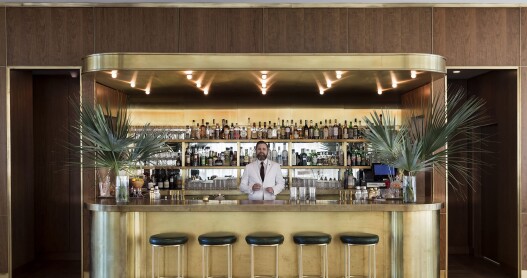
From lobby bars to rooftop lounges, these are the hotel bars Afar editors love checking out when they’re checking in.
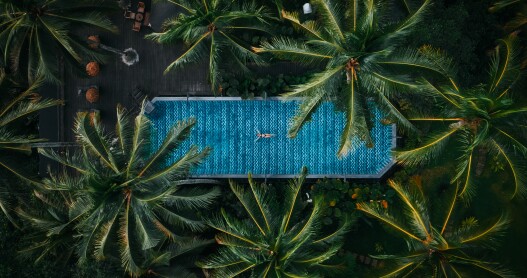
These hotel pools around the globe are worth building a trip around.
AFAR’s picks for the 31 best new hotels in the world.
Get a room at one of these 12 spectacular new hotels in Greece, all of which are scheduled open their doors by spring or early summer.
Positioned between the capital’s ancient attractions and countless sandy beaches, One&Only Aesthesis revives ’60s Greek chic.
If you’re looking for serenity in 2024, check out these top destination spas.
From the Swiss Alps to the Brazilian rain forest, these Airbnbs are worth booking just for the views.
RESOURCES TO HELP PLAN YOUR TRIP
Blink and you might miss it. There’s not even a sign to alert you to Cantina Social, a hidden gem of a dance bar. It’s nestled into a vacant space at the end of an alley, wedged between two buildings in Monastiraki. By day, antique dealers and actors chat over coffee and cigarettes in the secret courtyard. After dark, the cool kids of Athens congregate at absolutely all hours to drink and groove in a low-key, intimate atmosphere. Simple but funky decor, intentionally inexpensive drinks, neighborhood regulars, and great music by resident DJs that veers wildly from indie pop to disco beats are standard; the occasional exhibition or event spices things up. Always open.
The Stavros Niarchos Foundation Cultural Center (SNFCC)—new home for both the National Library and National Opera, designed by Renzo Piano and financed to the tune of €630 million—is a wonder to look at, walk through, and relax in. The library and opera are state of the art; the 42-acre grounds include a salt-water canal where you can learn to sail or kayak, fantastic playgrounds and fountains to keep kids entertained, and the Great Lawn where free concerts, open-air screenings and festivals are staged year-round. Take advantage of the center’s location and drink in the 360-degree views of the city and sea from the Lighthouse, a glass-walled lookout and terrace shaded by a vast solar panel that powers most of the sustainably minded complex. This neighborhood is, after all, called Kallithea, which means “wonderful view.”
It’s always fun stumbling upon places the locals frequent. If you’re in Athens, venture beyond Monaistaraki/the Plaka and all the typical souvlaki joints to the Metaxourgeio neighborhood. Here, you’ll find Seychelles—described by Buzzfeed as “one of the 31 places you should eat around the world before you die.” Here, not only are the clientele and interior space hip, but the menu is fun and creative with simple but elevated dishes such as chickpeas with feta and mint, tomato and zucchini fritters, and a fantastic selection of cheeses from all over Greece. The pappardelle with kavourmas (cured pork) was jaw-droppingly delicious! Do yourself a favor, and make the trek out this way ... take the metro to Kerameikos, then walk or grab a cab for under five Euros. You’ll be glad you did. Ask about the daily specials and always book ahead (in warmer weather, ask for a table outside on Avdi Square).
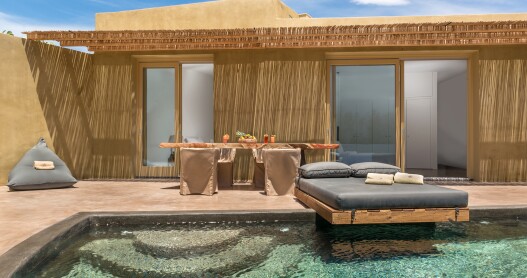
Named for the Japanese word for enlightenment, this boutique property marries classic Cycladic architecture (cube-shaped structures, whitewashed stone walls, arched entryways) with the clean lines of locally made furnishings in naked wood. None of the 25 rooms and 10 suites are the same, but most have private outdoor whirlpools or plunge pools, plus plush beds that make it impossible to leave. Nearly all of the public spaces, however, offer stunning views over Mykonos (about 1.5 miles away) and the bay, and make striking use of night-lighting, especially at the pool, which is built into the natural rock face. A grottolike spa features two treatment rooms, a futuristic-looking whirlpool area, and a hammam for stylish pampering sessions. The hotel offers complimentary transportation to Mykonos, but with its inviting Bar & Sunset Lounge and a restaurant that is garnering awards and accolades, you may decide to stay put for the duration of your vacation.
Dining at the King George Hote’s seventh-floor Tudor Hall restaurant is not to be missed. The Acropolis is so close it feels as if you can reach out to touch it. Seeing the Parthenon lit up in the evening while you enjoy refined, well-balanced dishes such as smoked eggplant salad smashed tableside; scorpion fish with chard, fennel marmalade and saffron; and braised rabbit with smoked Metsovone cheese and plums, is truly unforgettable.

Tudor Hall presents a modern and elegant take on Greek cuisine. The freshest seafood from local waters, beautiful cheeses and herbs, and Mediterranean flavors that just whisper “Greece.” Executive Chef Sotiris Evanelou and Chef de Cuisine Alexandros Koskinas, are two of the best chefs in Greece. Ask Head Sommelier Evangelos Psofidis to pair Greek wines with your courses to taste the nuances of both your food and the excellent wines.
The queue is long and you’ll have to eat standing up, but this spotless hole-in-the-wall does some of the best souvlaki in town. If you get antsy while you wait, be mindful of the multiple signs behind the counter saying: OXI AGXOS (NO STRESS). You won’t find frozen fries or garlicky tzatziki here. Just perfectly grilled pork skewers wrapped in a grease-free pita and garnished with sliced tomatoes, onions, parsley, a dollop of yogurt, and plenty of paprika. Don’t worry if you confuse it with the other Kostas souvlaki joint just off Agia Irini Square on Vassiliki Street, where the thing to order is pita bread stuffed with meatballs and spicy tomato sauce. Pull up a plastic chair and watch hipsters drink craft beer while you dribble tzatziki down your chin.
Marble footpaths meander up pine-clad Filopappou Hill, a peaceful hideout for picnickers and joggers. Hidden in a rocky clearing is the Pnyx, the world’s first democratic assembly, where the great orators Pericles and Themistocles held court in the 5th century B.C.E. The Pnyx could hold 18,000 citizens on wooden benches, with standing room for thousands more. Imagine the scene when the founding fathers of democracy took to the podium—and enjoy the phenomenal cityscape from this historic vantage point, with the Acropolis in the foreground. Climb all the way to the summit of Filopappou (also known as the Hill of the Muses) and you can see all the way to the port of Piraeus, with the promise of nearby islands shimmering on the horizon. Crowning the adjacent Hill of the Nymphs, the National Observatory is Greece’s oldest research institute. Set in lovely landscaped gardens, the charming 19th century building contains rare books and antique astronomical equipment. Occasional evening tours offer the chance to stargaze through a refracting telescope and learn about the Greek myths written into the constellations.
Follow the twinkling sconces down a path framed with pink bougainvillea and gnarled olive trees into the complex of stone dwellings that is Kapsaliana Village Hotel. Once an 18th-century village tucked quietly in the hills above Rethymno, the site was abandoned and left to crumble before being renovated by architect-owner Myron Toupoyannis into a low-key resort with 19 luxe yet understated guesthouses in 2008. Surrounded by one of Crete’s largest olive groves, the property is arranged around a turquoise pool that stretches toward the Aegean, providing beautiful backdrops at every turn. Nearby, couples gather on the restaurant terrace with a glass of rosé or licorice-scented raki. Pitharia, or large clay storage vessels, are sprinked throughout the public spaces, while accommodations display historical elements like arched doorways, exposed timber beams, and stone walls. For a real trip back in time, stay in the 1763 olive mill suite, where a breakfast of homemade bread and local eggs and honey is served in front of the fireplace, then visit the village’s 17th-century church and sit in on olive-oil tastings.
Romance is easy to come by at Emelisse, on a private beach on Kefalonia. One turquoise infinity pool spills into another before seeming to pour directly into the glittering Ionian Sea. Come evening, dozens of glowing lanterns illuminate the stone terraces and two outdoor restaurants, as well as the open-air cinema. Framed by dark cypress and cedar trees, the suites, villas, and two-story maisonettes cater to every combination of adults and children with teak canopy beds and fine Italian linens. Just as enchanting as the setting are Emelisse’s myriad activities. Guests can sign up for scuba lessons and tennis matches, or take a 25-minute walk to the quaint port town of Fiskardo. If you’re looking for more adventurous pursuits, the largest of the Ionian islands offers everything from steep cliffs and mountains (Mount Aenos is the third highest in Greece) to stunning sand and pebble shorelines.
Designed in 2003 by Athens-based Tassos Zepos, the Fresh Hotel is a contemporary nine-story building in the gritty, up-and-coming neighborhood of Psiri. It makes up for its somewhat dated design tricks (think hot-pink Plexiglas reception area, Philippe Starck chairs, black leather couches, and all-white rooms) with its great value for money and trendy rooftop bar. Open from May to October, the roof, with its small pool and sweeping views of the Acropolis, is a popular hangout in the summer for stylish locals.