Berlin

Whether your interests lean toward history or culture or shopping or out-all-night fun or, even better, a mix, Berlin is sure to become one of your essential vacation spots. The city is loaded with writers and artists who are driving the conversation about the history city forward. The once divided city has turned into one of Europe’s cultural hot spots, where the fun goes on into the early hours of the morning before kicking right back off again. But Berlin’s ultra-modern present sits side-by-side with Germany’s history—most notably the country’s role during the 20th century and World War II. The city doesn’t shy away from its past, with sites including the Memorial to the Murdered Jews of Europe. Other worthwhile history stops include Checkpoint Charlie and the Brandenburg Gate.

Four people with big pints of beer cheersing

TTstudio / Shutterstock

Overview

When’s the best time to go to Berlin?

Berlin is famous for its summers—not that they’re especially warm, but there is just so much to do. The summer season can be wet, so it’s best to pack an umbrella—though rain doesn’t stop Berliners from enjoying their city. May is often considered the best time to visit, with good weather and plenty of festivals and events. Winters in Berlin are cold (below freezing in January and February), but the cultural events don’t disappear. Locals stay busy with seasonal festivities and quirky adventures like skiing on the grounds of the former Tempelhof Airport, which is now a giant city park.

How to get around Berlin

Berlin is served by two main airports. Tegel (TXL) is conveniently located within the city limits. Public buses (20 minutes) run from Tegel regularly to Berlin Hauptbahnhof and Alexanderplatz. Schonefeld Airport is connected to the city by S-Bahn and regional trains (30 minutes).

Berlin’s transportation system, the BVG, is reliable, convenient, and vast, and it includes buses, trains, and trams. As in many European countries, the BVG runs on the honor system, so make sure to validate your ticket before boarding. At random times, officers check the tickets of each passenger. The U-Bahn trains (underground lines) run until late and are round-the-clock on weekends; S-Bahn trains (commuter lines) traverse the city, making them best for fast connections. Taxis in Berlin are readily available, as are services like Uber.

Can’t miss things to do in Berlin

To really get a feel for Berlin’s cultural life, it’s best to visit one of the many parks and public spaces on a sunny afternoon or early in the evening. Görlitzer Park is one of the most popular hangouts, but you’ll find more locals at the Volkspark Friedrichshain. There’s a beer garden, a small hill for hiking, and even a fairy-tale fountain (the Märchenbrunnen). Museum goers should head straight to Museum Island, where five exquisite museums (all on one ticket) await.

For an overview of all that happened before, during, and since the Holocaust, seek out the Jüdisches Museum (Jewish Museum). The museum is a challenging but extremely worthwhile place to spend time.

Food and drink to try in Berlin

Food in Berlin runs the gamut—from cheap street foods (don’t miss the ubiquitous doner kebabs) to fine dining. Each Berlin neighborhood, or kiez, typically has its own food market. Fresh vegetables, produce, and bread can be bought at the markets, and many have small stands selling lunch or snacks.

Though, years ago, few people would have shouted “Berlin!” if asked for one of the world’s best food cities, things have changed. Trendy brunch spots, Vietnamese restaurants, and traditional German fare all play a role in today’s Berlin. Most tourists flock to the bars around Görlitzer Bahnhof and Schlesisches Tor, but there are plenty of other areas worth exploring. Branch out into Neukölln for the freshest crop of good bars. And rather than hitting the restaurants on Simon-Dach Strasse in Friedrichshain, go a few blocks east to Boxhagener Platz.

Culture in Berlin

With hundreds of independent galleries in addition to its many city-owned museums, Berlin has history and culture in spades. Museums cover everything from typography (Buchstabenmuseum) to film (Film and Television Museum). Art galleries in Berlin have a solid reputation among enthusiasts. Berlin was a hotbed for culture in the 1920s, and in recent years the city has again embraced its creative classes. Get some deep background on what life was like in Berlin during the Cold War by participating in Divided City, a private walking tour led by a local historian or architect from AFAR’s partner, Context Travel.

Artists, musicians, and innovators have made Berlin home in the past couple of decades, changing the very face of the city—sometimes quite literally. Street art and graffiti in Berlin is often ranked among the world’s best thanks to Berliners’ need to speak up and be heard.

In a city as diverse as Berlin, festivals and events happen all year long. Summertime sees an influx of music festivals: watch out for MyFest, Christopher Street Day gay pride, Carnival of Cultures, and Berlin Music Week. The winter has its fair share of festivals as well, most notably the star-studded Berlinale indepedent film festival.

Practical Information

  • The first language of Berlin is German. There’s a good chance you’ll run into English speakers in the city but a translation app or German language guide is definitely helpful.
  • Germany is a member of the European Union and uses the Euro as its currency.
  • The country’s standard voltage is 230v. Power sockets throughout the country require a type F adapter (though type C and E plugs will also work).

Guide Editor

READ BEFORE YOU GO
HOTELS
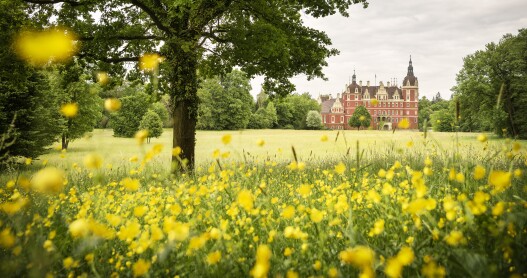
Berlin is a masterpiece of urban planning, from the Museum Island at the heart of its walkable center to groundbreaking Modernism Housing Estates, plus epic parks and forests waiting just a stone’s throw away.
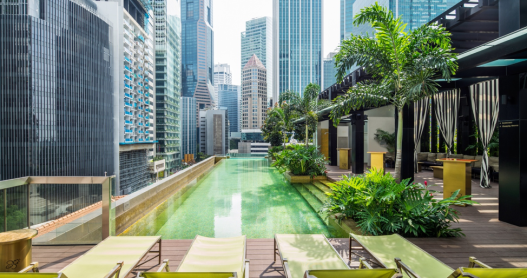
From shopping sprees in Singapore to thumping clubs in Berlin, the world is full of cool cities that move to the pulse of pop culture. Staying at the right hotel is one way to find the hippest places to eat, shop, and play.
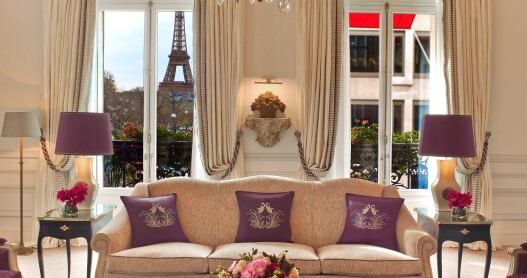
There’s nothing dreamier than a room with a view, and these luxurious hotels are perfectly positioned to give you the best views of some of Europe’s most memorable sights.
RESOURCES TO HELP PLAN YOUR TRIP
The weekly flohmarkt (flea market) in Friedrichshain’s Boxhagener Platz is a popular spot where locals meet up for shopping, drinking, or just a bit of fun each Sunday. While the Mauer Park flea market gets most of the tourists, this one is far less touristy. You’re much more likely to find a good deal on used books, cool T-shirts (some by local designers, even!), music records, and knickknacks. Because the market is relatively small, it’s quite enjoyable to take a stroll through the stalls and then enjoy a picnic on the grassy area in the middle of the square. Many cafes and restaurants are situated on the streets bordering Boxhagener Platz so you won’t be bored for things to do. The market is open Sundays during daylight. On Saturdays in the same area you’ll find a fresh food & produce market.
Located just across the street from the main library for Humboldt University, this hipster cafe is a great place for a cup of coffee or a light lunch. With free Wi-Fi (though no power outlets) it’s a good place to do a bit of work or read a book.


You won’t find many tourists in here, despite being just blocks away from the always tourist Friedrichstrasse. It’s a perfect little escape. And the coffee is excellent too!
If you’re looking for the epitome of “Hipster Berlin,” you can’t find anyplace more suitable than Mein Haus am See. In the most hip area of Mitte, Rosenthaler Platz, the cafe is more than just a coffee spot. It’s also a bar and club. During the day, you’ll see locals working on their laptops or drawing in sketchbooks, but when dusk starts to settle, the lights will dim and usually a DJ will be setting up the sound system. Get a seat in the back of the stadium benches and watch time just pass by. As an added bonus: Mein Haus am See offers free Wi-Fi and is open 24 hours!
Named after wilderness activist John Muir, this trendy cocktail bar in Kreuzberg serves classic libations with a twist. The menu regularly changes, and the interior of the basement bar (lit by candles) is cozy and comfortable—great for cool evenings.
The nightclub Chalet is located on the busy nightlife-riddled street of Schlesische Strasse. Just steps from one of Berlin‘s longtime hipster nightclubs, Club der Visionaire, Chalet is relatively new to the scene. Open since 2012, the club is run by the same legendary Bar25 crew (now closed down, sad face here). Chalet is located in what appears to be a run-down house, but really that’s par for the course in Berlin. Thankfully the yard out back is a small oasis. All weekend long, you’ll find Berlin’s trendiest folks hanging out in the Chalet courtyard. A night out at this club feels a bit like a house party—just with a small cover at the door. My photo above was taken at 6am on a Sunday morning...so hopefully you get the idea.
Berlin’s most surreal bar experience is right where you’d expect it to be—in the trendy Friedrichshain neighborhood. Just a few blocks from some of Berlin’s most legendary nightclubs, the club Wilde Renate is a mismatched collection of buildings surrounding a small beer garden. It’s an easy place to get lost, even more so because there’s a purposely-built labyrinth underneath the nightclub. The labyrinth, Peristal Signum, isn’t just an art installation but a full-on experience for the mind. It was designed haphazardly by three artists over nine months in 2010. The maze was built completely out of found scrap materials (like most everything else in Berlin) and includes everything from glass bottles to car parts. For 10€, you’re given a token to enter the labyrinth. Entries are scattered so that only one person enters at a time, though you’re likely to run into people once inside. Without spoiling too much, I’ll say it’s a trippy experience. Persistal Signum is open Wednesday to Saturday, from 6pm to 10pm, at Salon zur wilden Renate. Ask the bartender to put your name on the list to get inside the labyrinth. There’s usually a wait.
If you’re looking for a place reminiscent of the smoke-filled cafés of bohemian Paris, look no further than Cafe Cinema. Sitting alongside a popular tourist route in Hackescher Markt, the small, hole-in-the-wall cafe attracts both tourists and locals. In the evenings it’s a great spot for a beer and interesting conversations, and the daytime sees visitors working quietly and enjoying coffee. In summertime, the alleyway nearby has picnic tables, which make a great spot for people watching. The alternative atmosphere can be hard to find in Berlin Mitte, and this is one of the coolest spots in the area.
Bombed to smithereens during World War II, the Neues Museum—inaugurated in 1855—reopened in 2009 following a slow and sensitive reconstruction by the office of British architect David Chipperfield; both the building and its inspiring contents are well worth the visit. The current structure, featuring delicately restored frescoes, beautifully renovated columns and doors, and deliberately preserved war damage, won the prestigious Mies van der Rohe Award in 2011. The museum’s collections comprise thousands of ancient artifacts from the Egyptian Museum and Papyrus Collection, the Museum of Prehistory and Early History, and the Collection of Classical Antiquities. Highlights include a 3,300-year-old bust of Queen Nefertiti, the famous Neanderthal skull from Le Moustier in France, and Heinrich Schliemann’s collection of antiquities from Troy.
In true Berlin fashion, flea markets are not hard to find. One of the newer fleas takes place every Sunday at Mauerpark. I arrived on the early side, around 10am, and the space was already buzzing with locals on the hunt for vintage items, second-hand bikes, and inexpensive clothes. I wandered aimlessly through the park for about an hour, just taking in the sights and sounds of the city. At 3 p.m., a live karaoke party breaks out. It’s the perfect place to release your inner diva. Both the U-Bahn and the S-Bahn stop at Schönhauser Allee, as does the M1 tram.
Although you can find most cuisines in Berlin now, Jamaican food is nowhere near as ubiquitous as it is in, say, London, and it’s mostly relegated to shacks or pop-up stalls at festivals. Enter RosaCaleta, a full-service restaurant run by two transplants from Jamaica via New York who have created a perfect balance of traditional Jamaican dishes playfully reinvented for a European palate. White walls and a wood floor set the stage for a menu that includes oven-roasted pork fillet, fiery jerk guava chicken served with fluffy dumplings, and vegetarian dishes such as vegetable stews and lentil salads mixed with mango and ginger. The restaurant also has a superlative rum collection, used for an inspired cocktail list that is as fruit-filled as it is potent.