Australia

The land down under may seem like a world away, but it’s a dynamic destination that caters to music lovers and fashionistas, urban adventurers and discerning gastronomes, the nature-intrigued and seasoned outdoors explorers. Now reopen to international travelers, Australia beckons with all that it offers. You may come for the very great barrier reef in Queensland and discover scuba diving led by Indigenous guides; or pair Victoria’s ski scene with its wine scene. Maybe you should consider a longer trip...

Australia7.jpg
Overview

When’s the best time to go to Australia?

It’s hard to find a wrong time to visit Australia. Winter is June to August, when most of Australia hits a low season. This is the time to ski in the Kosciusko National Park or on Victoria’s Mount Hotham. It’s also the best time to visit northern Australia.

Between May and September the Northern Territory, northwestern Australia, and Queensland offer ideal weather. In summer, these areas swelter, either too humid or too hot, inciting some travelers to make a U-turn to more friendly climes down south.

From September to May, southern Australia is at its peak. Every other traveler looking for antipodean escapades arrives at this time of year, but there’s plenty of land to go around. December to February have most Sydneysiders and Melbournians pumping up the air-conditioning, while braver tourists define new tan lines on Bondi and Manly beaches.

How to get around Australia

They don’t call Australia “the land down under” for nothing. It’s a long flight from just about anywhere. And once you’re here, the various must-see destinations are spread over vast distances, so some logistical planning is necessary.

As of 2022, there were nine nonstop inbound flights to Australia from the U.S., stopping in Sydney, Melbourne, Brisbane, or Perth. Interstate flights are easily accomplished via Qantas, Jetstar, Tiger, and Virgin.

To see the whole continent in under a month is a serious undertaking and will involve trains, planes, a few automobiles, boats, and a ferry or two.

A less daunting project would be to take on the East Coast in one trip, spending time in Sydney and Melbourne, exploring Adelaide and the Great Ocean road by car, taking a car-ferry or flight to Tasmania, popping in to Canberra, and jetting up to Queensland for the tropical experience.

Western Australia is simple to navigate by train, car, or tour bus, but don’t even think about going into the outback alone in summer.

The interior outback, known as the Red Center, is best reached by organized tour, available as luxury excursions, adventure operations, backpacker units, and every other imaginable collective. You can take four-wheel-drives off road, but carry water (five liters per day, per person), bring a high-frequency radio transceiver, and be sure to respect Aboriginal sacred land, national park rules, and animal crossings at dusk and dawn. (Neither party comes out well from an on-road clash with a large kangaroo.)

Food and drink to try in Australia

Foreigners’ overused jokey adage to “throw another shrimp on the barbie” no longer sticks. First of all, Australians call them prawns. Second, Australian gastronomy has surpassed the humble barbecue. It remains a happy summer stalwart in backyards across the country, but what happens elsewhere is more interesting. The country’s food scene has been largely overlooked abroad, and for the most part the global food media have shunned Australia’s culinary experience, focusing instead on its cuddly native critters and extraordinary landscapes. It’s also true that the nation’s food culture is really coming of age. What was a less than inspiring restaurant scene just a couple of decades ago has blossomed in recent years. Restaurants such as Attica, Quay, Sepia, and Flower Drum can stand up to the world’s best.

Culture in Australia

The new year kicks off the traditional cycle, and less than a month later the country celebrates Australia Day. Officially it marks the anniversary of the arrival of the British in Sydney on January 26, 1788. Mindful of the original inhabitants of the land, the day is now simply a celebration of being Australian. Folks light the barbecue, play cricket on the beach, and take to the outdoors. Every happy Australian stereotype comes out on one glorious public holiday. Parties don’t come much more mind-blowing than the Sydney Gay and Lesbian Mardi Gras Parade, the biggest of its kind in the world. Go along to cheer on the sequined, feathered, Lycra-wearing ensemble as they celebrate equal rights.

Hippies, rockers, folk fans, indie types, country listeners, jazz groovers: There are festivals across Australia for every sort of music lover. Travel north to Byron Bay to revel in the stunning bushland setting of Splendor in the Grass, and go to Victoria for the Falls Festival, relocated from Tasmania following a two-year pandemic hiatus. See where Keith Urban started his career at the Tamworth Country Music Festival. There’s Tropfest for film lovers, and the Sydney, Melbourne, or Byron Bay Writers Festivals for the more literary.

Local travel tips for Australia

Australia is a wide, stunning, varied land. To travel around it well requires great research and good advice. Locals love nothing better than spouting off about their favorite places, the best eats, the must-nots and must-dos. “Shout” (buy) a local a beer and you’ll get better insider advice than you could from a guidebook, and probably a really good laugh.

READ BEFORE YOU GO
HOTELS
These 19 hotels around the world immerse you in their destinations while carving out space for unhurried time together.
Sure, the beaches and views are great. But these islands excel with sustainable innovation, rich local traditions, and unique accommodations.
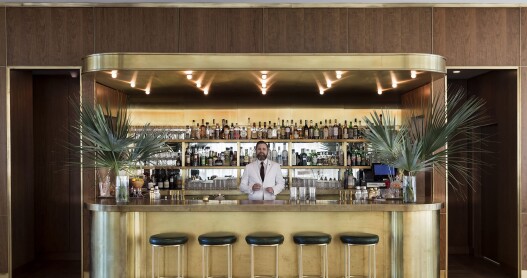
From lobby bars to rooftop lounges, these are the hotel bars Afar editors love checking out when they’re checking in.
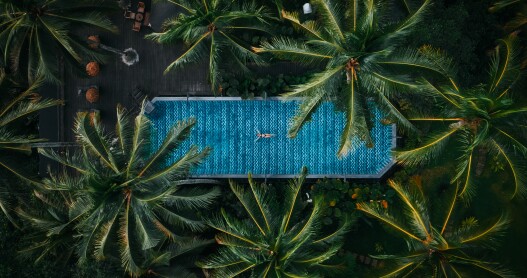
These hotel pools around the globe are worth building a trip around.
AFAR’s picks for the 31 best new hotels in the world.
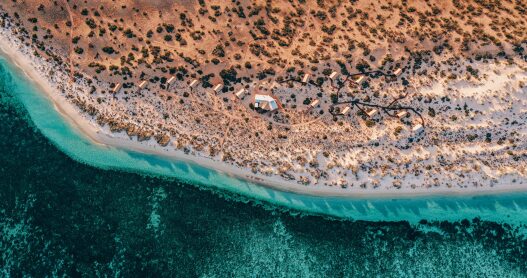
After having been decimated by wildfires in 2020, Southern Ocean Lodge in Australia is back—and it’s better than ever. Here’s a firsthand look at the reimagined retreat.
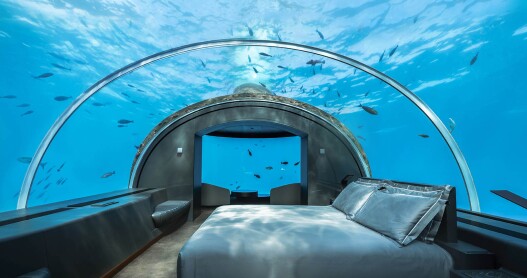
Sleeping with the fishes takes on a whole new meaning at these villas and suites under the sea.
There’s no shortage of luxury lodges, urban retreats, and pretty beach houses in Oz—but these are our favorites, from coast to coast.
Hotels can introduce their guests to the creativity that surrounds them—and reveal canvases visitors may not otherwise see.
Whether you’re after a view of Sydney Harbor or a neighborhood hangout with one of the best restaurants in town, these are the 15 best hotels in Sydney.
RESOURCES TO HELP PLAN YOUR TRIP
Formerly Blue Sydney.

Carefully constructed around support beams and pipes from a 100-year-old wheat and wool wharf, this hotel offers a beautiful mix of old and new that juts out into the Woolloomooloo harbor. The Heritage Level is where you’ll find original wooden pier pilings, metal wheels, and conveyor belts that date to 1910, but classic touches such as early-20th-century photographs of Sydney are scattered throughout the property. Goose down bedding, plush furnishings, walk-in showers, and in-room iPads make modern travelers feel right at home, and the bar that runs the length of the central atrium—hanging Swarovski crystals shine pink and purple in the evening candlelight—often hosts fashion shows and cocktail events. Most rooms have sliding glass doors that take advantage of the hotel’s over-water location between the Royal Botanic Gardens and Rushcutters Bay; they open to either the city skyline or the Potts Point naval base. Maritime history buffs should book the latter and check out the site on the wharf from which sailors boarded ships for Gallipoli.
The award for most prized piece of Sydney real estate must go to the Park Hyatt. The hotel is tucked directly beneath the Harbour Bridge, and many rooms showcase head-on views of the Sydney Opera House, perfectly framed in floor-to-ceiling windows and doors. In 2011, the Park Hyatt was layered with sandstone and marble to reflect the local Rocks neighborhood, which was built from sandstone in the Georgian period. Carvings, sculptures, paintings, and photographs by eight renowned Australian artists—including Robert Billington and Bruce Armstrong—further connect guests with the hotel’s setting. Travelers get what they pay for here; every room, no matter the price, comes with a balcony, butler, and harbor views from the tub. Guests also have access to the coveted rooftop pool deck—where a sunset cocktail is highly recommended. The Park Hyatt is unbeatable for New Year’s Eve, the Vivid Sydney festival, or really any time of the year.
A longtime favorite among royalty, rock stars, actors, and visiting dignitaries, the Langham hotel completed a $30 million renovation in December 2014. London-based GA Designs was charged with retaining the hotel’s stately character—check out the original fireplace transplanted from the Sydney’s beloved Elizabeth Bay House—while creating a sun-drenched new look dressed in white, amber, and silver. The new design also maximizes the property’s Darling Harbour views, most notably in the opulent lobby, whose Calcutta marble floor and gold-leaf paneling are reminiscent of a high-end spa. What hasn’t changed is the Langham’s superlative customer service. Guests can request a chartered yacht or helicopter to get to their show or meeting, and arrange a private picnic, tennis match, sunset Harbour Bridge climb, or tour of the hotel’s display of Sidney Nolan paintings (Australia’s largest private collection of his work). There’s even a discreet entrance and in-room check-in for guests who want maximum privacy, as well as an unpacking service for travelers eager to feel at home right away.
Mole Creek Karst National Park, along with the surrounding Tasmanian Wilderness World Heritage Area, offers subterranean streams and pools, plus at least 300 caves. At Marakoopa Cave, you’ll feel as though you’re in mother nature’s planetarium—the walls are lit up by Australia’s largest colony of glowworms. Caves like Honeycomb and Westmorland are best explored during a half- or full-day trip with Deb from Wild Cave Tours. Unlike most guides, she holds a PhD in speleology. But if one day is not enough, make it a wild caving weekend to progress from walking and wading to scrambling and squeezing through tight crevices. Local beer and wine await you at Mole Creek Guesthouse.


Dot painting is a style of indigenous art often associated with the Aboriginal people of Central Australia. The Uluru-Kata Tjuta Cultural Centre hosts daily dot painting workshops which go beyond the arts and crafts and delve into the cultural import of this tradition; workshops are hosted by Aboriginal artists who begin each program with stories of life spent in the Northern Territory and how that life influences their art. These programs are an incredible opportunity to glimpse at living tradition, and help bring the desert to life.

Workshops at Uluru-Kata Tjuta Cultural Centre run from Monday through Friday.

Flash Parker traveled to Australia’s Northern Territory courtesy of Tourism Northern Territory and Goway Travel. His highlights are part of AFAR’s partnership with The United States Tour Operator Association (USTOA), whose members provide travelers with unparalleled access, insider knowledge, peace-of-mind, value and freedom to enjoy destinations across the entire globe.
My idea of a good time is getting lost in the woods all so I can spend a few days finding my way home, but I can’t deny the allure of glamping – especially when it comes packaged up in the form of the Kings Canyon Wilderness Lodge, the Northern Territory’s answer to rustic chic. The luxury eco-cabins – fully heated and air conditioned – are wonderful, but there’s little reason to tuck yourself away inside when you can sip Aussie wine by the fire, or enjoy a gourmet meal under starry skies (or in the lodge restaurant on chilly winter nights). The last thing I expected to tuck into in the Outback was a spicy prawn curry, but I shouldn’t have been surprised – the Northern Territory has plenty of tricks up her sleeve.
I love finding Love Locks all over the world. Sydney did not disappoint with a collection on the Sydney Harbour Bridge, with a perfect view of the Opera House.
Australia’s most famous beach has played many roles throughout history. In 1907, a group of local swimmers became the world’s first lifeguards; during World War II, it was fortified by barbed wire and iron stakes; and over the last few decades, it has become a play land for international backpackers. More recently, the bohemian surf hood has morphed into a lively dining and shopping hub, with restaurants ranging from standbys like Sean’s Panaroma to the friendly burger joint Bonditony’s to Italian favorite Da Orazio Pizza and Porchetta, opened by Icebergs Dining Room owner Maurice Terzino. (Don’t miss the pool and sauna at Icebergs either.) Once fed, check in at the QT Hotel, shop along Gould Street, and walk the stunning Bondi to Coogee coastal path.

Anyone can swim in this glorious pool for a mere $5.50. Mon-Fri: 6:00-6:30pm Sat, Sun: 6:30-6:30pm Closed Thursdays.
Melbourne’s market culture is obviously very much alive and, in the case of Queen Victoria Market, has been since the 1870s.


Food stalls to try: Börek; Bratwurst Shop & Co.; American Doughnut Kitchen; Gozleme Turkish Café; Le Croissant des Halles; Pizza by Nature; La Cantina; Sushi Kissaten; Pide Bread Bakery; Spanish Donut Van.

This appeared in the May 2014 issue.
Australia is world-renowned for scuba diving, but you don’t have to go all the way to the Great Barrier Reef or Ningaloo. Most people don’t know there is plenty of good diving in and around Sydney, too. One of the best sites is Magic Point off the tip of Malabar Headland National Park south of Maroubra. There’s an extensive reef system and large caves that are home to weedy sea dragons, stingrays, and a recovering colony of grey nurse sharks (which by most accounts are harmless to humans). Local outfitters such as Frog Dive Scuba Centres can lead you there.