Los Angeles

Swallow your preconceived notions with a shot of wheatgrass: Los Angeles is a cocktail of culture. Sure, there are the over-the-top poolside parties, but the real L.A. is a diverse blend of characters that drive pop culture, inspire counterculture, and embrace all ethnicities. Nestled between the mountains, the desert, and the sea, L.A. beckons locals and travelers alike to engage in an active and healthy lifestyle. Avocado is always on the menu, a yoga class is always about to start, and a celebrity sighting is just around the corner. But truly the best way to learn is to listen: Getting to know L.A. can take years, so insider knowledge is invaluable.

A view of a person at sunset biking down a ramp towards a road just to the left of the ramp in Los Angeles, California. A the beach is to the left of the road, with houses and palm trees in between the road and ocean. Hazy mountains are in the background.

Courtesy of Shutterstock.com

Overview

When’s the best time to go to Los Angeles?

Los Angeles has a moderate temperature year-round, so any time is a good time to visit. If you’re looking for warm nights, wait until August or September, because “June Gloom” delays the start of summer with overcast skies. L.A. may not experience much seasonal change, but the temperatures can fluctuate over the course of each day—so be prepared to bring some light layers just in case things do cool down.

How to get around Los Angeles

If possible, drive into Los Angeles for convenient transportation. Otherwise, fly into LAX and rent a car—cabs are pricey, and fares add up quickly. In sprawling L.A., a car is essential, so use Waze for quicker routes to dodge traffic jams. For alternatives, try Uber or Lyft to avoid cab hassles. While L.A. is car-centric, some neighborhoods are walkable and bike-friendly, offering a break from the city’s traffic. Public transit is improving, but check routes ahead of time, as locals may not know the best connections.

Local travel tips for Los Angeles

Avoid the crowded center. The best and freshest parts of L.A. are on the fringes: Venice, Santa Monica, Los Feliz, Silver Lake, and Echo Park. Exceptions may be made for unique spots in other neighborhoods like West Hollywood, Downtown, and Culver City, but for those who like to wander and discover, the border neighborhoods are your best bets. Start the week off right with free concerts on Mondays at Hollywood’s Bardot. Or, head to popular east side music venues like the Satellite, which hosts monthly residency nights for the indie elite.

Guide Editor

READ BEFORE YOU GO
HOTELS
These are the top luxury hotels to book in the Golden State, where experiences range from world-class culinary destinations and beachfront retreats to storied city hideaways.
In a city known for its luxury, these 19 hotels are standouts. Each offers a unique take on world-class hospitality and L.A. glamour.
Hotel development has continued apace in the city in recent years, and these places represent the best of the best.
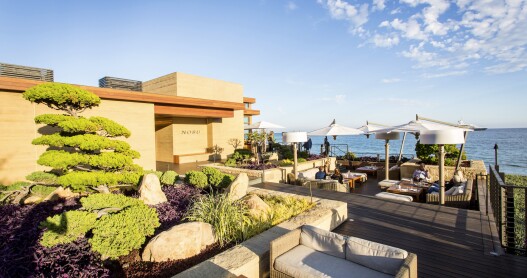
The Nobu Ryokan Malibu is an oasis where every detail is designed to soothe. These days, that might take some getting used to.
These hotels are bringing a fresh vibe to six U.S. cities.
Whether it’s a staycation or a trip to a far destination, these hotels have activities to keep you (and your kids or travel buddies) busy during the winter season.
These hotel openings and events will do just that.
Europe’s Hippest Hotel Brand Invades the U.S.
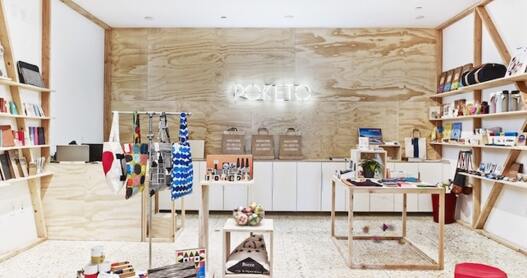
These well-curated hotel shops will give you a sense of place and a lasting memory.
We’re living in the golden age of hotels that have craft cocktails, Instagram-ready design, and in-room turntables. These properties, ranging from West Texan motels to loft-like boutiques in the middle of city noise, are our absolute favorites of the breed.
RESOURCES TO HELP PLAN YOUR TRIP
The site of the premier Academy Awards after-party in 1929, this historic Beaux Arts hotel on the edge of downtown was recently updated for the first time since the 1980s. Today, The Mayfair’s grand, monochromatic lobby features original stone columns, light marble accents, plenty of skylights amid lofty ceilings, and impressive arches and alcoves with gray-velvet seating scattered throughout. The chic M Bar at the back glows under a lit-up, seashell-like sculpture. Rooms and suites have panoramic views of the city skyline and feature patterned wallpaper, black-and-white photographs of the city, and striped canopies draped over the beds.
Miami comes to Los Angeles at this Sydell Group hotel that took over the historic Commercial Exchange building in the center of downtown. Although it has deluxe amenities like a doorman and room service, the Freehand L.A. has a range of room types, from 167 private accommodations to 59 shared rooms with four, six, or eight bunk beds. The hotel deftly manages to combine the social culture of a hostel with innovative design by Roman + Williams, exceptional food and drinks, and stellar communal spaces where locals and travelers mingle naturally. Places to hang out include the lobby area outfitted with handcrafted furnishings, vibrant tapestries, earthy decorative elements, and murals by local artists; the lobby bar, serving tea-infused cocktails and light bites; the grab-and-go Café Integral; the plant-filled restaurant; and the rooftop pool, which is home to the award-winning Broken Shaker lounge. Providing more greenery off the lobby is a floral-filled concept store by Venice’s Flowerboy Project.
When owner Dave Neupert discovered the history of the Gold-Diggers Entertainment building in East Hollywood, he knew he had to turn it into a music-themed bar and boutique hotel. Originally built as an “inn above a tavern” in 1924, directly on Santa Monica Boulevard back when it was the famous Route 66, the building later became a dive bar with a rehearsal studio in the back that welcomed punk bands and was even used as a sound stage for Ed Wood. Now, the sleek Gold-Diggers bar includes dark-wood chevron paneling, textured wall coverings, a gold-velvet stage curtain, and Art Deco pendant lighting. Justin Gage of Aquarium Drunkard oversees the music and has welcomed such musicians as Iceage, Mary Lattimore, Julianna Barwick, and Luna to perform. There’s also an on-site recording studio, featuring nine professionally designed and acoustically engineered writing, tracking, and mixing studios managed by industry veteran Simon Horrocks and Grammy-award-winning engineer Eric Gorman.
The second location of the Sydell Group’s New York flagship, NoMad Los Angeles embraces its past as the Bank of Italy—imposing columns and all. In the lobby of the landmarked building, much of the original Neoclassical style, such as the Doric columns, coffered ceiling, and marble floors, was preserved, complemented by the addition of floral textiles in rich jewel tones. Even the original vault, which once housed 12,000 safety deposit boxes, and its 50-ton door were kept intact. The color palette across the 241 lavish rooms draws from the exquisitely maintained gold-and-blue Italianate lobby ceiling, with custom furniture, original artwork from design studio be-poles, and freestanding bathtubs in most rooms adding to the luxurious feel. Details like nightly turndown service, marble bathrooms, and custom linens by Bellino mean a five-star stay is all but guaranteed.
Ask anyone who lives from Central L.A. to Downtown where to go for steak, and we bet they’ll all say the same: Taylor’s. The steakhouse has been operating in the Koreatown area of Central L.A., just a few miles west of Downtown, since the ‘50s. It’s won all the awards: Best Steakhouse in L.A. from almost every L.A. based news outlet, as well as coveted spots on must-eat lists in Eater and Bon Appetit. The menu is classic and no frills, and the affordable prices reflect a time before celebrity chef-driven restaurant concepts. Your choice is clear: Order the Taylor’s Special Steak, a grilled filet mignon that comes loaded with grilled sweet onions, and the French onion soup.
Few burger joints have a backstory as quintessentially L.A. as Monty’s Good Burger. Koreatown’s first all-vegan restaurant, the In-N-Out-style hole-in-the-wall serves Impossible burgers on vegan buns with lettuce, tomato, Follow Your Heart “cheese,” and a faux thousand island sauce, plus creamy shakes, loaded tots, and not-so-secret menu picks like Dog Pile loaded fries or tots (check their Instagram for the latest options). Before it was a bright blue exclamation point on the corner of Western and 5th, Monty’s was a Coachella food stall debut with a queue that gave founders Lexie Jiaras (USC class of 2017), Max Angles, and Dennis Gomez an idea. Now, Monty’s—named after Jiaras’ Maltese—is full steam ahead, with locations in Riverside and Echo Park and an Instagram following of over 100k. The food itself is especially tasty—if a bit pricey. But you pay for quality, and the locally sourced, organic ingredients deliver a cruelty-free burger that tastes pretty dang close to the real thing.
Known for its movie-themed decor and a selection of over 250 types of tequila, and beloved for its Mexican brunch, Casablanca Restaurant opened in 1980 with a menu of traditional and lesser-known Mexican entrees that it holds to this day. The family-owned space was the brainchild of Carlos Haro, Sr., who loved the movie Casablanca almost as much as he loved Mexican-style calamari steak. The restaurant has one of the largest collections of memorabilia from the film in the world, including a life-size statue of Humphrey Bogart. Haro’s son, Carlos Haro, Jr., runs the place these days, though not much has changed since the restaurant first opened almost 40 years ago. Come for Sunday brunch, where one price includes an entree (think enchiladas or fajitas), mimosas, and unlimited tortillas—handmade right in front of you.
This rooftop bar has a refreshingly inclusive, come-as-you-are vibe. There’s no list at the door, no doorman sizing you up for anything beyond ensuring you’re of legal drinking age. For the prized sunset hour, arrive early—especially during summer—and grab a vintage table or booth by the pool with colorful mismatching chairs and tablecloths. Later in the evening, a bar stool is the place to be, watching the action and joining in when singalong-ready funk and disco tunes start playing. The overgrown garden that tops the circa 1924 Commercial Exchange building makes for a magical setting, softening the cityscape beyond. Atmosphere aside, the cocktails are what bring people here; masterminds Gabs Orta and Elad Zvi—who first started Broken Shaker as a pop-up in Miami—are known worldwide for their creative approach. It’s tempting to order drinks based on their clever names alone—not the worst idea—but be sure to try the Electro Lit, tequila with curry turmeric cordial, coconut water, fresh lime juice, and angostura bitters.
This restaurant is such an institution that it predates the city’s most iconic landmark—the Hollywood sign. In a way, Hollywood was born in Musso & Frank’s red booths, back when the famed boulevard was still a dirt road. The restaurant opened in 1919, and much of the menu remains from the first chef, Frenchman Jean La Rue, who used to specially prepare fettuccini alfredo for silent film stars Douglas Fairbanks and Mary Pickford. Only two executive chefs have held the job since. Dinner dishes such as lobster thermidor and grenadine of beef take you back half a century, while chicken pot pie (on Thursdays only) and steaks, cooked on L.A.’s oldest open-fire grill, taste comfortingly familiar. Don’t miss brunch, which features Greta Garbo’s favorite Flannel Cake, a cross between a pancake and crepe invented by chef La Rue in the 1920s. In keeping with the authentic vintage spirit, martinis are strictly stirred—never shaken—and served with a mini glass sidecar containing the rest of the drink in its own tiny ice bucket. Pro tip: Order the off-menu slow-roasted prime rib, finished on the mesquite grill and served rare.
Fusing the trends of sushi and build-your-own grain bowls, Sweetfin in Santa Monica, has created a customizable poke destination that is convenient, cost effective and creative at its core. The Hawaiian raw fish dish traditionally combines cubed tuna, rice, shoyu sauce, and veggies—but Sweetfin’s menu provides multiple ways to mix and match your fish of choice, base, add-ons, and sauce. You can start with a completely blank slate to create your own masterpiece, or, if options are overwhelming, you can begin with a pre-made signature bowl like the Mango Albacore with ponzu-lime sauce, macadamia nuts and ginger. Make sure to experiment with toppings including wasabi toasted coconut, charred habanero, and pickled shiitake mushrooms. No matter your choice, everything from the sauces to ice tea is homemade and gluten- and dairy-free, so you’ll feel as fresh as the nearby ocean breeze. Sweetfin started a poke revolution in L.A., and has since expanded on its OG Santa Monica location to Woodland Hills, Larchmont, Westwood, West Hollywood, DTLA, Silverlake, Venice Beach, and San Diego.