Spain

In Spain, something bright and beautiful will catch your eye every direction you turn. La vida Española—the Spanish life—is colorful and lived to the last drop. The food is rich and savored slowly, the people boisterous and friendly, the music lively, and the soccer matches rowdy. Spain is bursting with monuments to see, tapas to eat, wines to drink, and always one last walk to take.

TravelGuides_Spain_SusanFlynn_Unsplash.jpg

Photo by Susan Flynn/Unsplash

Overview

When’s the best time to go to Spain?

Spain is sunny almost year-round—excepting the green northern region of Galicia—but that doesn’t necessarily mean it is warm! Wear layered clothing; a scarf is a good idea in every season except summer. Check calendar dates to make sure you’re not arriving on a feria, or holiday weekend, most of which are in spring and winter. On these festival weekends, hotel rooms are difficult to get and prices go sky-high if you haven’t planned in advance.

How to get around Spain

Madrid and Barcelona are both well-connected international airports served by the metro. A plethora of taxis is always waiting outside. Upon arrival, use your card at an ATM in the airport to save on conversion fees and hit the town with the correct currency.

One of the best and fastest railways in Europe, the AVE train connects Barcelona to Madrid in a mere 2.5 hours; nothing is out of reach. The buses are also well-priced, comfortable, and have free Wi-Fi (pronounced wee-fee here). Car rentals are readily available, though prepare to pay somewhat hefty tolls on highways (autovías) and to park on windy, narrow streets, as many small cities don’t allow cars in the center. Domestic flights are inexpensive via RyanAir, EasyJet, and Iberia airlines.

Food and drink to try in Spain

Be courageous! Spanish cuisine is a delight for all the senses, and the best treats go to the bravest. From roast suckling pig to blood sausage, and oxtail to percebes (barnacles), diners can discover sensations and delicacies they’ve only dreamed of. The tradition of tapas (appetizer-sized portions) and raciones (dishes for two) is still alive, and this way one can try many things without filling up. Accompanying sips couldn’t be better: Spain boasts the delicious riojas, ruedas, riberas, and a whole host of other world-famous wines. Skip the sangria in restaurants, as it’s only for tourists. At the end of your meal, leave the loose change rounding up to a euro or two; at a very nice establishment, 10 percent of the bill is perfectly appropriate.

Culture in Spain

A proud people, Spaniards celebrate a history that is long and full of lore. Monuments to Christopher Columbus (here called Colón), the royal families, and conquerors are plentiful and adorn the streets. Food, art, wine, and nightlife are the essence of Spain. Be prepared to stay out a little later than normal, as the country really comes alive after dark. Soccer (fútbol) is very nearly a religion in Spain, with the favorites being Barcelona, Real Madrid, and Atlético Madrid. If you’re walking down a street and car horns are blaring, people are screaming, and flags are waving—don’t worry, it’s likely just the scoring of a goal.

Spain loves to party! Any excuse for a long weekend is taken, and many of these fall in the spring or during Christmastime. Holy Week (Semana Santa) and Three Kings Day are major national festivals, while many communities celebrate their own traditions such as the infamous Running of the Bulls, Las Fallas, and San Isidro festivals.

Local travel tips for Spain

The concept of siesta is alive and well. Most shops (except El Corte Ingles) will close each day from 2 to 5 p.m. to allow the staff a long, proper Spanish lunch and rest. Europe in general is more chic than the States; dress appropriately and you’ll have an easier time blending in. Spain has a low level of English relative to Europe, so bring that phrasebook or app to facilitate conversations; after all, the best places don’t have English signage! Most of all, “Disfruta la vida Española”—enjoy the Spanish life!

Guide Editor

Brandy Bell is a travel writer currently living in Madrid, Spain, where she dabbles in everything from nunchucks and hula hooping to street art. She is on a quest to build a recycled cello, perfect a French accent, and is currently planning a trip to South Africa where she hopes to skin dive with Great Whites. Follow her journey at Itsoneworldtravel.com.

READ BEFORE YOU GO
HOTELS
Whether you’re a skier or an après-ski enthusiast, these 19 European hotels are ideal for a winter weather getaway.
Travel like James Bond in these six beautiful destinations, from the beaches of Jamaica to the mountains of Austria.
Sure, the beaches and views are great. But these islands excel with sustainable innovation, rich local traditions, and unique accommodations.
Book one of these romantic retreats in these off-the-beaten-path honeymoon destinations.
AFAR’s picks for the 31 best new hotels in the world.
At these properties, the children’s programming goes far beyond basic caregiving services with immersive experiences that offer younger guests a deeper look into culture, nature, sustainability, and even themselves.
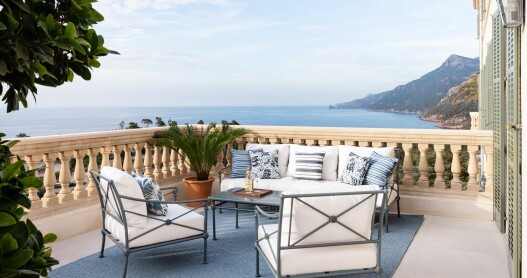
The largest of Spain’s Balearic Islands has become a hotbed of celebrity hotels yet remains blissfully low key.
Century-old grande dames, boutique stays in heritage buildings, seaside resorts: Barcelona’s best hotels offer both historic charm and modern luxury.
These hotel openings and events will do just that.
RESOURCES TO HELP PLAN YOUR TRIP
In Spain’s underrated Navarra region, an off-the-beaten-path winery boasts a contemporary art program to rival some galleries.
Chefs are using technology, interactivity, and storytelling to create multisensory culinary experiences around the world.
These two castles, both elements of the fortifications encircling the city, stand on either side of La Caleta beach. The fortress of Santa Catalina, entered directly from the promenade, was constructed in the 17th century. Its small chapel and a central patio planted with palms give it the sun-baked look of a Mexican mission. The castillo is now a cultural center where open-air concerts are held in summer. San Sebastián, meanwhile, is an imposing fort built (in 1706) on a small island connected to the mainland by a long stone causeway. This malecón is popular among locals and visitors as a pleasant place to walk for a cool breeze.
There’s a new coffee shop in town. Sakona, located in the center of town, has a lovely, airy storefront that just begs to be entered. Modern wood accents bring to mind artisan coffee spots in bigger capitals, and they are outfitted with all the coffee musts of the modern persuasion: aeropress, chemex, mocca masters, et cetera. However, Sakona is not just a shop; they are roasters, based about 10 miles outside of San Sebastián. Javier Garcia, the owner, is a barista who has placed in the world championships. His humble attitude and desire to spread coffee love is a far cry from the typical barista behavior, so settle in and ask all the questions you want, a café con leche in hand.
Try on these warm, pancake-shaped hats, known as txapelas in Basque, in traditional blue or another color of your choosing. Open since 1857, this elegant family shop specializes in artisan-made and custom berets as well as reproductions of historic hats.
While the Barcelona Cathedral may be the city’s more famous church, Santa Maria del Mar is just as impressive, and a masterpiece of Catalan Gothic style. The basilica was built in just 54 years—begun in 1329 and completed in 1383—and its interior is austere but architecturally dazzling. Slender 60-foot-high columns set far apart from one another give the impression of lightness and space, while the enormous, brilliantly colored stained-glass rose window at the church’s western end allows sun to flood the space. Guided tours of the rooftop are conducted for 8 euros (about $9). The church also hosts regular classical concerts.
San Sebastián is a bike friendly town: bike paths (called bidegorris) run through the entire city, and locals gather several times a year to cheer on professional cyclists that pass through in droves. It makes sense, then, that there are several bike shops in town. Miner is one of the oldest, family-owned yet still totally relevant thanks to the newest generation that is at the helm. Everything a modern biker could want: single speeds, Adidas Country kicks, Fuga cargo bags, bells and bike seats in every color and pattern...it’s impossible to enter and not feel inspired, even if you don’t have a bike. Make sure to check out their selection of vintage style jerseys, downstairs.
Restaurants abound in the heavily touristed Gothic Quarter, but few of them are particularly good. Irati is one of the exceptions, a bustling spot popular with locals thanks to its excellent pintxos, traditional Basque tapas served on bread and speared with a toothpick. There’s seating in the back, but you’re really here for the experience of eating pintxos, which means standing shoulder-to-shoulder at the bar and helping yourself to the buffet of bite-size offerings. A sure bet is the jamón, lightly drizzled in olive oil, and the blue cheese topped with quince paste and walnuts. Save room for the hot snacks, like ham-and-cheese croquetas, which are brought out at regular intervals from the kitchen. And don’t toss your toothpicks—that’s how the bill is tallied.
The medieval town of Albarracín beat out 249 other places in a survey in the newspaper El País.
Open House weekends provide exclusive insider access to beautifully designed buildings across the globe. Here are eight places to visit this fall as the architectural initiative grows in popularity—including Asia’s first participating city.