Cape Town

Cape Town is South Africa’s beautiful playground. With its combination of stunning natural landscapes, the large, culturally diverse population, and bright African sunshine, Cape Town is a place where time slows and life is savored. Every now and then, you’ll catch a sobering glimpse of the extent of the city’s population living below the poverty line, and you’re reminded that transition doesn’t happen overnight. Visitors are bound to feel the all-encompassing warm spirit that transcends any historical hardship, and will gain a fond appreciation of South Africa’s Mother City.

original-capetown-banner-crop-2019.jpg

Photo by Marcreation/Unsplash

Overview

When’s the best time to go to Cape Town?

Cape Town has a Mediterranean climate and is an enjoyable place to visit year-round. In the summer (November–January), be prepared for dry, hot days. Late August through September sees the arrival of bountiful, colorful flowers in the Western Cape. February may be warm, but the strong wind known as the Cape Doctor picks up and can make for rough seas and unpredictable weather on Table Mountain. March is a pleasant time to visit, when a small amount of autumn foliage is visible and days are sunny and comfortable. If sightseeing in the winter, pack your umbrella and waterproof fleece, because it’s likely you’ll see rain showers during your visit.

How to get around Cape Town

Some major airlines (KLM, Emirates, Virgin Atlantic, and South African Airways) fly direct to Cape Town from Europe, while others will require you to transfer in Johannesburg. Give yourself at least two hours for this transfer, so you’ll have time to pass through immigration, collect your bags, recheck them after customs, and then proceed to board your domestic flight to Cape Town. Cape Town International Airport is located 12 miles (20 kilometers) east of the city center. Options for transport include the MyCiTi Bus, rental cars, or metered cabs. Some cabs will negotiate a flat rate, but will run around R300 to R400 (between $21 and $28) to get there.

Though most Capetonians drive everywhere, Cape Town is an extremely walkable city. If you’re short on time, you’ll likely spend most of it in the City Bowl, the part of central Cape Town encapsulated by Table Mountain. With more time to explore, branch out and visit the variety of suburbs surrounding the city and down the Cape Peninsula. Some, such as Hout Bay, are easier accessed by car, and others, like Kalk Bay, are a scenic train ride away. Most shops, hotels, and bars are located on or near Long Street and at the V&A Waterfront. Walking is generally safe, but the city center can be very quiet on the weekends, so stick to the main roads. A bicycle is a great way to get around, and dedicated bike paths are being created. Public transport is usually safe to use during the day, especially during commuting hours. Minibus taxis can be a cramped and hair-raising experience, but they’re a cheap way to travel from the Southern Suburbs into the City Bowl. The Golden Arrow buses run along the same route. MetroRail trains run regularly and offer a choice of fare—first or third class (with no major difference in comfort). When driving a rental car, remember to drive on the left. Stoplights operate the way American lights do but are called “robots.” Park your rental car in a secure, gated area overnight (if possible), and never leave belongings or valuables visible. Car guards work in most parking areas and streets, so don’t forget to carry some small change for a tip when you return (up to R10, around 70 cents).

Can’t miss things to do in Cape Town

It’s hard not to notice the large population living in poverty in Cape Town. As visitors, there is a natural curiosity about what life is like in a city township. While it’s not recommended to visit a township your own, you can book tours with responsible providers who employ local township residents to guide small groups on insightful, interactive visits. Simon’s Town, a small port directly outside of Cape Town, was long connected to the slave trade and a tour by AFAR’s partner, Context Tours, can illuminate through the charming town’s (and South Africa’s) dark past.

Food and drink to try in Cape Town

Cape Town is, without a doubt, the culinary capital of South Africa. With such a diverse mix of cultures colliding in this city, this is not the time to go on a diet. The standard international fares are available, but be sure to try local delicacies such as juicy karoo lamb, along with South Africa’s best local wines, perhaps a rich pinot noir or fruity chenin blanc. South African dishes include bobotie (an eggy, savory curried meat dish) or potjiekos (a beef or vegetable stew cooked in a cast-iron pot over a fire). If staying with friends or relatives, you’ll likely be invited to a braai (BBQ) and have a chance to try boerwors, which are long, round sausages. For dessert, try the malva pudding (rich, sticky, and sweet) or the melk tart (creamy custard pie). Biltong, when done right, is the most savory and tender beef jerky you’ll ever have. Craft beer is surging in popularity. You might want to take home a bottle of Amarula, a sweet liquor made from the marula fruit and the essential ingredient of the Springbok shooter (shot), a must-try for first-time visitors in South Africa.

Culture in Cape Town

A multicultural melting pot, Cape Town is rich in cultural highlights, with facets ranging from politics to design to sports. First, discover how apartheid laws changed the landscape of Cape Town by visiting the District Six museum, named after the area where more than 60,000 people were forcibly removed from the city. Next, take the ferry to Robben Island and tour the facility with a former prison inmate to see where Nelson Mandela and other famous political exiles spent their days at back-breaking work in the quarry. Walk through the Bo Kaap neighborhood, filled with colorful row houses and steeped in the culture of the Cape Malay (one of many ethnic groups you’ll encounter in the city). Cheer on the Ajax Cape Town football team at the Green Point Stadium, a landmark from South Africa’s 2010 World Cup games. Similarly, take in a cricket or rugby game at the sporting venues in Newlands in the Southern Suburbs.

There is always something going on in Cape Town, though the winter months (June–September) are quieter. Family events include the South African Navy Festival in April, which allows visitors to tour South African naval ships for free in Simonstown, and the Hermanus Whale Festival in September. Two large sporting events are the Two Oceans Marathon (Easter weekend) and the Cape Argus Cycle Tour (early March). While it’s fun to attend an event like the Good Food & Wine Show (May), the real fun begins when you go to food and wine festivals in the winelands. Harvest season runs from February on and is a great excuse to explore this region for several days. Music festivals include Oppikoppi (August), Rocking the Daisies (September-October), Flamjangled Tea Party (March), and Greenpop’s ReforestFest (May), typically three-day events with live music and overnight camping. For the more advanced festivalgoer, South Africa’s very own Burning Man festival, called Afrikaburn, is held in the Karoo desert annually.

Local travel tips for Cape Town

The pace of life slows more than usual a couple of weeks before and after the Christmas holiday season. Book the Robben Island ferry way in advance to avoid disappointment. Table Mountain is cheaper in the summer, with the promotional “half-price after sunset” discount. Three wineries is enough for a day of winetasting. Any more than that, and you’re bound to feel overwhelmed (and by overwhelmed, we mean drunk).

Guide Editor

READ BEFORE YOU GO
HOTELS
These hotel pools around the globe are worth building a trip around.
Omer Acar, the CEO Raffles and Fairmont, shares his vision behind the recent growth of both luxury hotel brands and talks about what great hospitality truly means. (Spoiler alert: It’s all about people.)
On the heels of a stunning renovation under Fairmont Hotels & Resorts, Cape Grace is back—and it’s better than ever.
At these rental properties around the world, you can commune with wildlife and farm animals.
These five concierges in Paris, Hong Kong, Cape Town, London, and Marrakech reveal their favorite city itineraries that they usually only share with guests.
Hotels can introduce their guests to the creativity that surrounds them—and reveal canvases visitors may not otherwise see.
The next trend in lodging? The B&B&B (bed and breakfast and bicycle). Here are our picks for where to try it first.
There’s one for every travel need, whether you’re searching for the best beer in a new city or want to propose to your significant other far from home.
RESOURCES TO HELP PLAN YOUR TRIP
On a street that looks a lot like one in the French Quarter of New Orleans sits one of the best markets on the planet. The Pan African Market is three stories of small shops filled with collectibles from all over Africa. My favorite section was on the second floor, full of masks and unique items I hadn’t seen anywhere else. I walked off with a weathered pink leather jewelry box from Nigeria. And while you decide if you really should buy the gigantic ceremonial headpiece made of purple feathers, take a rest at the cozy cafe on the second floor, decorated with African statues and random American paperbacks. Plop down on a comfy couch, order a tea, and watch the world walk by below.
We absolutely loved the energy and atmosphere at Myoga, the 100-seater restaurant at The Vineyard Hotel & Spa. Chef Mike Bassett serves a dining extravaganza of seven courses paired with South Africa’s finest sparkling, white and red wines. You’d think with seven courses to choose from, decisions wouldn’t be so tough. But OMG. Gorgonzola creme brulee or kaitafi prawn? Roast leek or chilled avo and cucumber soup? Springbok medallions or duo of lamb? To top it off, Pearl Oliver, our most excellent sommelier, beautifully described the attributes of each pairing. Believe me, it’s worth the long flight to SA just to dine here, and have a look at the menu first on the link below.
Lose yourself in the fantasy of living life on a small estate in the foothills of Table Mountain at Stellenberg Estate. This private garden is exclusively open to the public one weekend each year (usually the first weekend in November) and is worth the visit if you’re traveling to Cape Town during this time. One of the oldest properties in Cape Town, has been called home by several prominent families over the years. Fortunately, despite changes of ownership, the property managed to escape the ‘Victorianization’ many other homes in the region underwent and retains its classic 18th century Cape Dutch feel. The house is off-limits to visitors and that’s okay because the main appeal are the gardens. The estate is divided into different gardens, each with their own unique characteristics: a white garden, a walled garden, a formal medieval garden, an herb garden, and more. After wandering through each of the areas of the storybook home, there is a small corner of the property where they serve refreshments. Both savory finger sandwiches and sweet cakes are offered, along with coffee and hot or cold tea. There is a small entrance fee, but expect no more than R50-R60 ($6). After all the wonderful inspiration the garden provides, you will be tempted to purchase a plant or two as you walk through their nursery before exiting. The Stellenberg Nursery is open to visitors Monday - Friday, 8:30-16:30.
One of Cape Town’s most picturesque corners, this small fishing harbor sees boats sail in daily with their catches (often trailed by hungry seals waiting for tidbits). Recently, however, the area has also become known for its antique stores, restaurants, and shops—one of the best collections of African curios, materials, and artwork for sale can be found at Artvark, on the edge of town. Expect to see everyone from hipsters to surfers to an old couple who’s lived here for 50 years. A seaside promenade connects Kalk Bay to the colorful beach cottages of St. James and to Surfers Corner in Muizenberg, another gem of an old-world suburb that is becoming a second Kalk Bay. Don’t miss Cucina Labia, a restaurant housed in a mansion built by an Italian who wanted to create a little Venice here.
A colorful working-class neighborhood near downtown that had fallen on hard times, Woodstock has been revitalized with a mix of galleries, artists’ studios, boutiques, and restaurants. Much of the area’s original vibe remains, however, thanks to the long rows of colonnaded shops that edge Albert and Victoria roads. Among the nearby storefronts that are open throughout the week are Espresso Lab Microroasters and Luke Dale-Roberts’s award-winning restaurant, the Test Kitchen. Continuing down Albert Road, you’ll find spots like the Woodstock Co-op and the very trendy Woodstock Exchange, with a great array of places to eat and stores selling local goods. At the end of Albert Road, there’s a concentration of galleries, including the Stevenson, Goodman, and SMAC. On Saturdays, Woodstock draws crowds to the Neighbourgoods Market, a prepared foods extravaganza in the Old Biscuit Mill.
Chef Franck Dangereux (formerly of La Colombe, a celebrated Cape Town institution) runs the Foodbarn Restaurant out of a lovely old barn in the village of Noordhoek. Here, you’ll get all the flavors of a fancy restaurant, without the fuss. You may dine on artistically presented dishes like pépé goat cheese beignets, but a glance around the revamped space, with its rustic-chic decor and colorful knickknacks, will remind you that you are, in fact, feasting in a barn. At night, the place transforms into a tapas bar.
The Bo-Kaap was one of the few Cape Town neighborhoods to escape apartheid’s bulldozers—the cluster of bright buildings, once known as the Malay Quarter, housed many of the slaves who worked for the 17th-century Dutch colonialists. In this colorful area, you can also see some of the oldest, most beautiful mosques in the country, including the Auwal Mosque on Dorp Street. Upscale shops have been moving in lately, but don’t miss one of the originals, the spice merchant Atlas Trading Company. To go back in time, explore the Bo-Kaap Museum, furnished like the house of a typical 19th-century Muslim family.
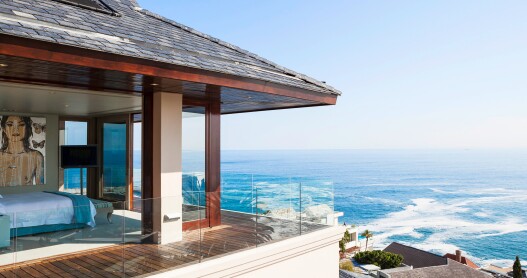
The Twelve Apostles impresses from the moment you turn off the coastal highway between Camps Bay and Llandudno beach and make your way up the winding driveway. Perched at the base of the mountain range for which it takes its name and overlooking the Atlantic Ocean, the views are swoon-worthy. Located about 25-minutes drive from Cape Town’s city center, 12A is adjacent to Table Mountain National Park and is a great escape from the city for a few nights.

Beyond the views, this luxury boutique has a distinct colonial-era vibe complete with period dress for employees, and decor that is old-world posh with a hint of flamboyance. No two rooms are the same, neither in size nor how they’re laid-out, which gives 12A its distinct boutique feel. But all feature plush fabrics in varying hues, many of which match their wallpaper, along with reproduction antiques and lots of mirrors and artwork. It’s definitely creative, although at times a bit over-the top. I loved the marble and glass modern bathroom with a deep soaking tub and bespoke bath products. The bed was also super comfy and the linens quality. Not all rooms have the same views either, so try to book one of the upstairs rooms where you’ll have either a sea or mountain view and a private terrace.

The service is five-star and so is the food. The onsite Azure Restaurant does excellent fresh seafood in romantic environs at dinner and the best buffet spread in town for breakfast, which should be taken on the outdoor patio when the weather is nice. For sunset head to the Leopard Bar, which pairs stunning views of the sun sinking into the Atlantic with an impressive port and cognac selection, along with a full bar. Also onsite are two swimming pools, an award-winning spa -- guests don’t have to book a treatment for complimentary access to the property’s hydrotherapy pool and flotation tank either -- plus a 16-seat movie theater.
Woodstock is the creative heart of Cape Town, filled with galleries, studios, street art, and artsy types galore. The Woodstock Exchange is a hub for the design set, home to a rotating legion of furniture shops, coffee shops, and furniture shops combined with coffee shops. Because, why not? Right when you enter the space, you’ll be greeted by this mammoth sculpture of a sleeping dog. Proceed with caution: this doesn’t look like the kind of guy you’d want to wake up.
The oldest winery in South Africa, Groot Constantia has a long history of producing some of the best wines in the world. Groot Constantia is also a rarity in its proximity to Cape Town itself. In the 19th century the European heads of state included wines from Groot Constantia in their cellars. Today the wine makers at this famous winery are still making their excellent wines and guests can visit for a full tasting. It’s also a great spot for a picnic, as long as you watch out for baboons. This is South Africa after all.