Australia

The land down under may seem like a world away, but it’s a dynamic destination that caters to music lovers and fashionistas, urban adventurers and discerning gastronomes, the nature-intrigued and seasoned outdoors explorers. Now reopen to international travelers, Australia beckons with all that it offers. You may come for the very great barrier reef in Queensland and discover scuba diving led by Indigenous guides; or pair Victoria’s ski scene with its wine scene. Maybe you should consider a longer trip...

Australia7.jpg
Overview

When’s the best time to go to Australia?

It’s hard to find a wrong time to visit Australia. Winter is June to August, when most of Australia hits a low season. This is the time to ski in the Kosciusko National Park or on Victoria’s Mount Hotham. It’s also the best time to visit northern Australia.

Between May and September the Northern Territory, northwestern Australia, and Queensland offer ideal weather. In summer, these areas swelter, either too humid or too hot, inciting some travelers to make a U-turn to more friendly climes down south.

From September to May, southern Australia is at its peak. Every other traveler looking for antipodean escapades arrives at this time of year, but there’s plenty of land to go around. December to February have most Sydneysiders and Melbournians pumping up the air-conditioning, while braver tourists define new tan lines on Bondi and Manly beaches.

How to get around Australia

They don’t call Australia “the land down under” for nothing. It’s a long flight from just about anywhere. And once you’re here, the various must-see destinations are spread over vast distances, so some logistical planning is necessary.

As of 2022, there were nine nonstop inbound flights to Australia from the U.S., stopping in Sydney, Melbourne, Brisbane, or Perth. Interstate flights are easily accomplished via Qantas, Jetstar, Tiger, and Virgin.

To see the whole continent in under a month is a serious undertaking and will involve trains, planes, a few automobiles, boats, and a ferry or two.

A less daunting project would be to take on the East Coast in one trip, spending time in Sydney and Melbourne, exploring Adelaide and the Great Ocean road by car, taking a car-ferry or flight to Tasmania, popping in to Canberra, and jetting up to Queensland for the tropical experience.

Western Australia is simple to navigate by train, car, or tour bus, but don’t even think about going into the outback alone in summer.

The interior outback, known as the Red Center, is best reached by organized tour, available as luxury excursions, adventure operations, backpacker units, and every other imaginable collective. You can take four-wheel-drives off road, but carry water (five liters per day, per person), bring a high-frequency radio transceiver, and be sure to respect Aboriginal sacred land, national park rules, and animal crossings at dusk and dawn. (Neither party comes out well from an on-road clash with a large kangaroo.)

Food and drink to try in Australia

Foreigners’ overused jokey adage to “throw another shrimp on the barbie” no longer sticks. First of all, Australians call them prawns. Second, Australian gastronomy has surpassed the humble barbecue. It remains a happy summer stalwart in backyards across the country, but what happens elsewhere is more interesting. The country’s food scene has been largely overlooked abroad, and for the most part the global food media have shunned Australia’s culinary experience, focusing instead on its cuddly native critters and extraordinary landscapes. It’s also true that the nation’s food culture is really coming of age. What was a less than inspiring restaurant scene just a couple of decades ago has blossomed in recent years. Restaurants such as Attica, Quay, Sepia, and Flower Drum can stand up to the world’s best.

Culture in Australia

The new year kicks off the traditional cycle, and less than a month later the country celebrates Australia Day. Officially it marks the anniversary of the arrival of the British in Sydney on January 26, 1788. Mindful of the original inhabitants of the land, the day is now simply a celebration of being Australian. Folks light the barbecue, play cricket on the beach, and take to the outdoors. Every happy Australian stereotype comes out on one glorious public holiday. Parties don’t come much more mind-blowing than the Sydney Gay and Lesbian Mardi Gras Parade, the biggest of its kind in the world. Go along to cheer on the sequined, feathered, Lycra-wearing ensemble as they celebrate equal rights.

Hippies, rockers, folk fans, indie types, country listeners, jazz groovers: There are festivals across Australia for every sort of music lover. Travel north to Byron Bay to revel in the stunning bushland setting of Splendor in the Grass, and go to Victoria for the Falls Festival, relocated from Tasmania following a two-year pandemic hiatus. See where Keith Urban started his career at the Tamworth Country Music Festival. There’s Tropfest for film lovers, and the Sydney, Melbourne, or Byron Bay Writers Festivals for the more literary.

Local travel tips for Australia

Australia is a wide, stunning, varied land. To travel around it well requires great research and good advice. Locals love nothing better than spouting off about their favorite places, the best eats, the must-nots and must-dos. “Shout” (buy) a local a beer and you’ll get better insider advice than you could from a guidebook, and probably a really good laugh.

READ BEFORE YOU GO
HOTELS
These 19 hotels around the world immerse you in their destinations while carving out space for unhurried time together.
Sure, the beaches and views are great. But these islands excel with sustainable innovation, rich local traditions, and unique accommodations.
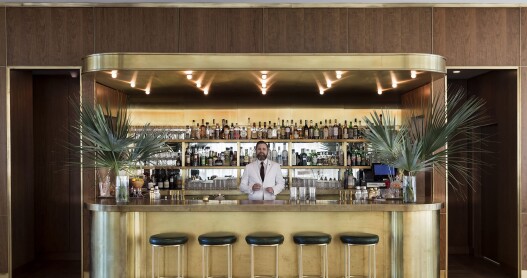
From lobby bars to rooftop lounges, these are the hotel bars Afar editors love checking out when they’re checking in.
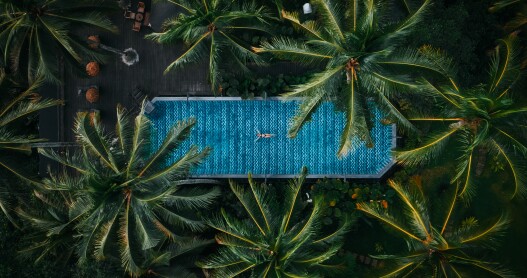
These hotel pools around the globe are worth building a trip around.
AFAR’s picks for the 31 best new hotels in the world.
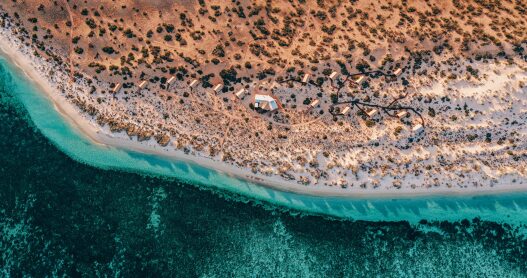
After having been decimated by wildfires in 2020, Southern Ocean Lodge in Australia is back—and it’s better than ever. Here’s a firsthand look at the reimagined retreat.
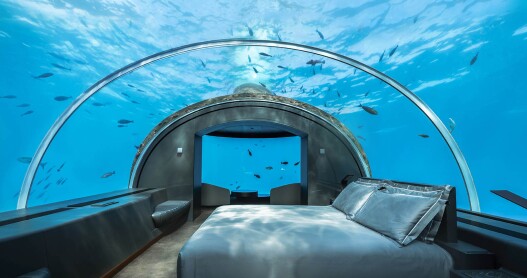
Sleeping with the fishes takes on a whole new meaning at these villas and suites under the sea.
There’s no shortage of luxury lodges, urban retreats, and pretty beach houses in Oz—but these are our favorites, from coast to coast.
Hotels can introduce their guests to the creativity that surrounds them—and reveal canvases visitors may not otherwise see.
Whether you’re after a view of Sydney Harbor or a neighborhood hangout with one of the best restaurants in town, these are the 15 best hotels in Sydney.
RESOURCES TO HELP PLAN YOUR TRIP
Start planning your 2023 travels to these 12 places—the most creative, delicious, and soul-reviving destinations of the year.
In 2020, bushfires burned more than half of Australia’s natural wonder. Thankfully, the flora and fauna have begun to return—as have the visitors.
Find cool pieces by an array of new and noteworthy Australian brands at this small concept store, founded to showcase independent designers in an artistic shopping environment. The Melbourne space stocks a monthly edit of men’s, women’s, and children’s clothing, with original and limited-edition pieces by around 100 local lines. With so many unique options on offer, you’ve got an excellent chance of finding something that perfectly suits your aesthetic, be it a little black dress by Ella Fashion, or attention-grabbing earrings by Plain Janes. If you can’t find what you’re looking for downtown, you can always check out the other Design a Space locations in Fitzroy and Windsor—the selection is different at each store.
An international guide to Chinatowns that looks beyond North America.
Journeys: Oceania
Located along the eastern border of the four-million-acre Tasmanian Wilderness World Heritage Area, the island’s first national park mixes swamp gums, stringybarks, and massive tree ferns with snow gums and deciduous beech trees at higher elevations. Depending on the season, you might walk the suspension bridge to the three-tier stunner Russell Falls or take the Pandani Grove walk around Lake Dobson—keep your eyes peeled for platypus. In winter, skiers, snowboarders, and backcountry trekkers can explore the lakes and glacial terrain of the Tarn Shelf. In autumn, the same area blazes red and orange on hikes to the Twilight Tarn Hut, an unofficial ski museum. Five other huts offer basic accommodation year-round at 3,280 feet.
The 53-mile South Coast Track is the most epic odyssey in Tasmania’s most epic national park. It’s challenging and requires camping, not to mention advanced mountaineering skills, but it’s worth the effort for the primordial scenery, the sheer solitude, and sightings of such rare Tasmania wildlife as the near-extinct orange-bellied parrot. For a water-based expedition, Roaring 40s Kayaking arranges three- and seven-day trips that fly to the gravel airstrip at Melaleuca and paddle through the tannin-stained waters of Bathurst Harbour and Port Davey—maybe to forested islands or through The Narrows; it all depends on the notorious weather. Either way, you’ll stay at the pre-erected Forest Lagoon camp and savor your dinner and drinks like never before.
A region of dramatic mountain peaks, ancient rain forest, deep river valleys, and spectacular gorges, this park is most famous for the pristine rivers that twist their way through the wilderness. The Franklin River itself has become synonymous with Australia’s largest conservation battle—a fight that lasted from the 1960s into the ‘80s to save the Franklin from a proposed hydroelectric dam and power plant, which would have flooded several natural features and lakes. The legendary waterway, which Outside named one of the world’s best white-water journeys on earth, was the impetus for the establishment of the Wilderness Society as well as the Green Party (both founded by Tasmanian conservationist Bob Brown) and continues to inspire awe and action among locals and travelers today.