Australia

The land down under may seem like a world away, but it’s a dynamic destination that caters to music lovers and fashionistas, urban adventurers and discerning gastronomes, the nature-intrigued and seasoned outdoors explorers. Now reopen to international travelers, Australia beckons with all that it offers. You may come for the very great barrier reef in Queensland and discover scuba diving led by Indigenous guides; or pair Victoria’s ski scene with its wine scene. Maybe you should consider a longer trip...

Australia7.jpg
Overview

When’s the best time to go to Australia?

It’s hard to find a wrong time to visit Australia. Winter is June to August, when most of Australia hits a low season. This is the time to ski in the Kosciusko National Park or on Victoria’s Mount Hotham. It’s also the best time to visit northern Australia.

Between May and September the Northern Territory, northwestern Australia, and Queensland offer ideal weather. In summer, these areas swelter, either too humid or too hot, inciting some travelers to make a U-turn to more friendly climes down south.

From September to May, southern Australia is at its peak. Every other traveler looking for antipodean escapades arrives at this time of year, but there’s plenty of land to go around. December to February have most Sydneysiders and Melbournians pumping up the air-conditioning, while braver tourists define new tan lines on Bondi and Manly beaches.

How to get around Australia

They don’t call Australia “the land down under” for nothing. It’s a long flight from just about anywhere. And once you’re here, the various must-see destinations are spread over vast distances, so some logistical planning is necessary.

As of 2022, there were nine nonstop inbound flights to Australia from the U.S., stopping in Sydney, Melbourne, Brisbane, or Perth. Interstate flights are easily accomplished via Qantas, Jetstar, Tiger, and Virgin.

To see the whole continent in under a month is a serious undertaking and will involve trains, planes, a few automobiles, boats, and a ferry or two.

A less daunting project would be to take on the East Coast in one trip, spending time in Sydney and Melbourne, exploring Adelaide and the Great Ocean road by car, taking a car-ferry or flight to Tasmania, popping in to Canberra, and jetting up to Queensland for the tropical experience.

Western Australia is simple to navigate by train, car, or tour bus, but don’t even think about going into the outback alone in summer.

The interior outback, known as the Red Center, is best reached by organized tour, available as luxury excursions, adventure operations, backpacker units, and every other imaginable collective. You can take four-wheel-drives off road, but carry water (five liters per day, per person), bring a high-frequency radio transceiver, and be sure to respect Aboriginal sacred land, national park rules, and animal crossings at dusk and dawn. (Neither party comes out well from an on-road clash with a large kangaroo.)

Food and drink to try in Australia

Foreigners’ overused jokey adage to “throw another shrimp on the barbie” no longer sticks. First of all, Australians call them prawns. Second, Australian gastronomy has surpassed the humble barbecue. It remains a happy summer stalwart in backyards across the country, but what happens elsewhere is more interesting. The country’s food scene has been largely overlooked abroad, and for the most part the global food media have shunned Australia’s culinary experience, focusing instead on its cuddly native critters and extraordinary landscapes. It’s also true that the nation’s food culture is really coming of age. What was a less than inspiring restaurant scene just a couple of decades ago has blossomed in recent years. Restaurants such as Attica, Quay, Sepia, and Flower Drum can stand up to the world’s best.

Culture in Australia

The new year kicks off the traditional cycle, and less than a month later the country celebrates Australia Day. Officially it marks the anniversary of the arrival of the British in Sydney on January 26, 1788. Mindful of the original inhabitants of the land, the day is now simply a celebration of being Australian. Folks light the barbecue, play cricket on the beach, and take to the outdoors. Every happy Australian stereotype comes out on one glorious public holiday. Parties don’t come much more mind-blowing than the Sydney Gay and Lesbian Mardi Gras Parade, the biggest of its kind in the world. Go along to cheer on the sequined, feathered, Lycra-wearing ensemble as they celebrate equal rights.

Hippies, rockers, folk fans, indie types, country listeners, jazz groovers: There are festivals across Australia for every sort of music lover. Travel north to Byron Bay to revel in the stunning bushland setting of Splendor in the Grass, and go to Victoria for the Falls Festival, relocated from Tasmania following a two-year pandemic hiatus. See where Keith Urban started his career at the Tamworth Country Music Festival. There’s Tropfest for film lovers, and the Sydney, Melbourne, or Byron Bay Writers Festivals for the more literary.

Local travel tips for Australia

Australia is a wide, stunning, varied land. To travel around it well requires great research and good advice. Locals love nothing better than spouting off about their favorite places, the best eats, the must-nots and must-dos. “Shout” (buy) a local a beer and you’ll get better insider advice than you could from a guidebook, and probably a really good laugh.

READ BEFORE YOU GO
HOTELS
These 19 hotels around the world immerse you in their destinations while carving out space for unhurried time together.
Sure, the beaches and views are great. But these islands excel with sustainable innovation, rich local traditions, and unique accommodations.
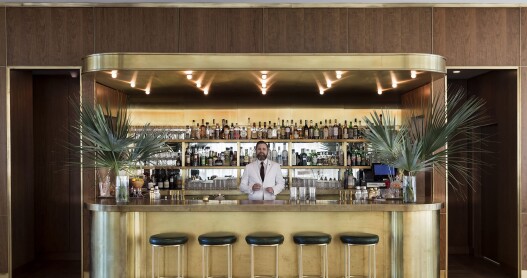
From lobby bars to rooftop lounges, these are the hotel bars Afar editors love checking out when they’re checking in.
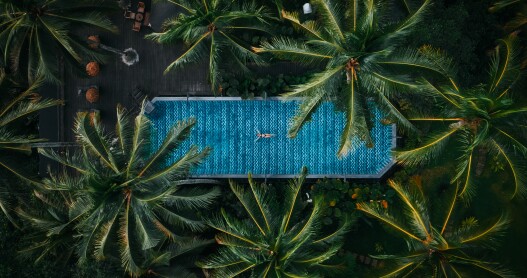
These hotel pools around the globe are worth building a trip around.
AFAR’s picks for the 31 best new hotels in the world.
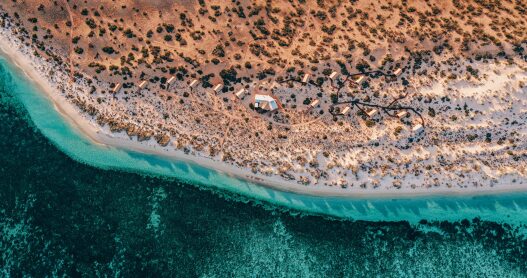
After having been decimated by wildfires in 2020, Southern Ocean Lodge in Australia is back—and it’s better than ever. Here’s a firsthand look at the reimagined retreat.
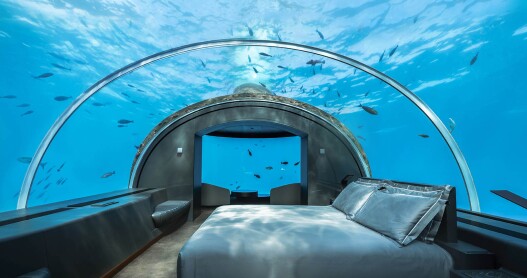
Sleeping with the fishes takes on a whole new meaning at these villas and suites under the sea.
There’s no shortage of luxury lodges, urban retreats, and pretty beach houses in Oz—but these are our favorites, from coast to coast.
Hotels can introduce their guests to the creativity that surrounds them—and reveal canvases visitors may not otherwise see.
Whether you’re after a view of Sydney Harbor or a neighborhood hangout with one of the best restaurants in town, these are the 15 best hotels in Sydney.
RESOURCES TO HELP PLAN YOUR TRIP
What started in 2002 as a little café tucked into a Newtown laneway, Campos has become one of the biggest household names in Australian specialty coffee. The company’s success stems from its simple but ambitious mission: to buy, roast and serve the finest quality coffee. Today, the Campos menu rotates more than 10 direct-trade coffee varieties grown in nine regions around the world. The café continues to experiment with beans, machines, and barista techniques to maintain its order pace of hundreds of coffees per hour. Now operating in Queensland and Melbourne as well as Sydney, Campos has recently introduced cupping classes Thursday through Saturday held in a dark upstairs lounge above the Newtown location. Customers pay $30 to compare five coffee varieties from different regions and learn the different processing and preparation styles. Sydney’s newest Campos café in the Alexandria neighborhood features a siphon bar that only serves select single origin coffees.
This bite-size coffee stand in the Victorian-era Strand Arcade building downtown is perfect for a midday lift. Run by the team behind Coffee Alchemy in Marrickville, Gumption serves coffee and only coffee (no food). Six single-origin bean varieties are on offer, three of them filtered hot, the other three dripped cold and served over ice. Don’t think about asking for milk, though, unless you mean a steamed drink. They’ll deny you. The staff is not snobby, just matter-of-fact. The coffees come small and extremely drinkable—even for dairy lovers.
Flickering candles, velvet theater curtains, hushed conversation, and classic cocktails dressed up with slices of dried lemon or lime—the Golden Age Cinema and Bar feels like a secret supper club of yesteryear. Yet, with a geometric light installation, fresh bar snacks and drinks, and a digital film projector, the experience is entirely modern. That’s exactly what owners Barrie, Bob and Chris Barton—who also launched Rooftop Cinema in Melbourne—were after: creating a bar and movie experience that combines the best of today with the best of yesterday. The theater, housed underground in the 1940s Paramount Pictures building, features 60 seats made in the ‘40s and sourced from Switzerland. Shows are both classic and contemporary, with two screenings per night as well as special events such as the monthly Two Thousand Film Club, during which a notable local picks their favorite film and engages in a live Q&A. Before or after the program, enjoy movie-inspired cocktails, including a daily cameo that’s crafted entirely around what’s being shown—think whiskey for the music documentary Muscle Shoals set along the Tennessee River—with herb and parmesan popcorn, maple-bourbon pecans, or the sundae that Gelato Messina reinvents every month. Oh, and on Tuesdays, films are shown at “golden age prices,” which means you could see a 1960s flick for $1 with the purchase of a drink. You’re welcome.
A North Bondi Beach institution since 1993, Sean’s Panaroma is known for unpretentious yet delicious fare, served in a homey dining room alongside fresh-cut flowers and views of Australia’s most famous beach. The simple chalkboard menu of entrées, mains, and desserts changes weekly—sometimes daily—based on what’s growing locally and at owner Sean Moran’s farm in the Blue Mountains (which also hosts stays). The waitstaff is tried and true, with a deep knowledge of Sean’s organic ingredients and wines. On your next visit, you might be treated to burrata-stuffed squash blossoms, a comforting arrangement of steaming mussels and perfectly seared tuna, Sean’s signature free-range herb “chook” (chicken), and a biodynamic red wine from New Zealand.
The Harris Farms retail center that began openings in 2013 has a few additions for 2014, the first being the highly-anticipated Da Orazio Pizza + Porchetta owned by Iceberg’s Maurice Terzini. Terzini hired a pizza chef from Naples, who cooks fluffy, stretchy, and perfectly charred pies in a wood-fired, brick oven. You can’t go wrong with the margherita-like Reginella, but if you’re feeling more adventurous, try the Prosciutto, the Diavoletta (topped with hot salami), or the vegetarian Caponatina (with zucchini, eggplant, and bell pepper). Since porchetta is also in the restaurant’s name, you have to order some pig; your options are a pork platter served with lemon wedges or the Focaccia Con Porchetta sandwich. Desserts are Italian classics plus a cleansing dish of watermelon. Judging by the noise and the crowds, the pizza here will be tough to beat.
Opened in a brick-walled space that used to be a favorite local bookstore, Brewtown is the latest venture by Simon Triggs and Charles Cameron, who met while working as managers for the coffee company Toby Estate. The coffee is what you’d expect from two industry veterans—well-executed espresso drinks made using a computerized machine and filter coffee served hot, brewed, or cold and poured from a tap. But the food is somewhat surprising for a small, coffee-focused place. For breakfast, there’s polenta with mushrooms and poached eggs, beet-cured trout served on rye toast that’s smattered with avocado and feta, and house-made “cronuts"—a cross between a doughnut and a croissant, imported from New York and earning a cult following here. There’s also a retail space run by Triggs’ wife upstairs, which has plans for an affogato bar.
Tropical North Queensland offers some incredible wildlife tours but there are also opportunities to experience local aboriginal culture. Enter Linc Walker, owner of the Kuku Yalanji Cultural Habitat Tours. Linc welcomed us to the wonderful world of Cooya Beach, leading us through the waters and mangroves of this magical place. Australia can make you feel like you’re nowhere else and Cooya Beach is indicative of this. Linc taught us how to throw a spear, hunt for coastal wildlife like crabs (and cooked it for us!) and told us about the ecosystem of the mangrove trees.Note: you’ll need to wear your shorts for this slightly swampy experience!. He then took us to his modest home after the tour where we were treated to relics of his ancestry from the Kuku Yalanji tribe featuring a performance on the didgeridoo and homemade muffins. If you want that local experience of Australia, this is it. Note: the tour does not have a website but you can contact Linc Walker at 1 Palm Street, Cooya Beach. Phone: 07 4098 3437
After 30 years at the forefront of Sydney‘s fine-dining scene, Quay Restaurant underwent a multi-million-dollar renovation and reopened in 2018. The restaurant swapped white linens for Tasmanian spotted-gum wood tabletops and exchanged the previous purple-and-gold palette for blues, grays, and browns that better reflect Quay’s harborfront location facing the Sydney Opera House. Executive chef Peter Gilmore loosened up his menu, too, offering either six or 10 inventive courses such as the Oyster Intervention—a crumble of oyster cream, crushed fried dehydrated oysters, chicken skin, tapioca, and caviar served in a ceramic oyster shell—creating a dish that’s all bivalve flavor without the slippery texture. Fans of the old Snow Egg dessert will be won over by White Coral: a multitextured masterpiece of aerated ganache, coconut cream, and ice cream.
Darwin’s proximity to Indonesia is evident at the Mindil Beach Sunset Markets, a gorgeous place to be on a balmy tropical evening in this Northern Territory city. Held every Thursday in the dry season months between May and October, this fabulous market is a bit of a Darwin institution. Locals start arriving at dusk (out of the heat of the day), armed with tables, chairs, rugs and kids. They settle on the beach or the grass to watch the sun sink into the ocean (that’s one thing the east coast of Australia doesn’t offer). Like Darwin, these markets are melting pot of cuisines and cultures. People from more than 50 nationalities live in Darwin and more than 30 exotic national flavours – including Aboriginal, Islander, Thai, Indonesian, Chinese and European – are showcased in the tasty food stalls at Mindil Beach. There’s arts and crafts to pick up here too, so bring a carry bag for new treasures.
The Carrington’s long and rich history spans nearly 125 years since her opening by Sydney hotelier Harry Rowell. Originally named The Great Western, this Grand Old Lady soon became a popular retreat for international guests, Sydney’s elite, and adventurers eager to explore the Blue Mountains’ natural wonders. The hotel is steeped in history, tales of adventures and royalty, and perhaps even a ghost tale or two. The walls are covered with vintage photographs and the place looks like it was sealed in a time capsule (and yet still boasts modern amenities like wifi). The hotel bar is vintage, perfect for a glass of wine or local pint after a long day of adventures in the Blues. There are function rooms, a pool table, an elegant dining room (plus a more casual dining establishment, which used to be the town bank, on the property, as well as a stand-alone pub), as well as a 100-year old regulation snooker table. An onsite bottle shop is available, offering a wide variety of gourmet foods and excellent beers and wines, and a brewpub is even in the works.