Dubai

Few places divide opinion as much as Dubai, the most cosmopolitan city-emirate of the United Arab Emirates. Detractors claim that its newness feels artificial, however Dubai has a long history and archaeological sites dating to the Bronze Age. The culture of this place is intertwined with Bedouin traditions and Arab hospitality. Despite the recent rush of development, you’ll still find gritty backstreets and low-rise neighborhoods amid glitzy shopping arcades and gleaming skyscrapers. For those who take the time to get beneath the skin of the place, Dubai is a compelling and dynamic destination.

Dubai-Guide-Hero-shutterstock-Frantic00.jpg

Photo by Frantic00/Shutterstock

Overview

When’s the best time to go to Dubai?

With year-round sunshine, Dubai’s weather is warm in winter (with a handful of cool days) and sultry in spring and fall. In the summer, temperatures are sizzling, and the humidity fogs your glasses the minute you leave your air-conditioned building or vehicle. While December through March is the most comfortable and lively period, it’s also high season, with plenty of festivals and sports events, and therefore very expensive. Prices are more reasonable in the shoulder periods of fall (October–November) and spring (April–May), but summer (June–September) is when you’ll really find the bargains.

How to get around Dubai

The colossal size of the airport terminals means that it can take forever to get from the plane through immigration to the taxi stand. If you want to make a cultural overture, greet immigration staff in Arabic with As’salam Alaykum (“Peace be upon you”), to which they’ll respond with Wa’alaykum salaam (“Peace right back to you”). For a hassle-free arrival, ensure that your passport is valid for six months. (If it does, you run the risk of being sent back on the next plane.) Avoid carrying codeine (you can buy many medications over the counter in Dubai) and banned materials such as R- and X-rated DVDs or magazines. When you leave the country, it is worth arriving at the airport well in advance of your departure so that you can enjoy the excellent airport shopping.

The winter months, with their slightly cooler temperatures, are a wonderful time to stroll the backstreets and wander the parks of Dubai. The rest of the year—and to traverse longer distances—the Metro can transport you between malls and along Sheikh Zayed Road. An air-conditioned public bus service travels along Jumeirah Beach Road. Check Dubai Government’s Road and Transport Authority for timetables and fares. The abras (open-sided wooden boats) that continually crisscross Dubai Creek are fun for moving between the older neighborhoods of Deira and Bur Dubai, especially if you’re exploring the souqs and the historic waterfront. Taxis are reasonably priced and useful when traveling from the airport to your hotel or when heading out to dinner. Rental cars are also affordable—and UAE roads are excellent—but are only necessary if you’re day-tripping or driving around the country. An international driver’s license is required.

Can’t miss things to do in Dubai

Stroll the backstreets of Satwa, a working-class neighborhood where locals and expats live in modest, sometimes ramshackle, houses with colorful iron gates and peeling paint. Crimson bougainvillea falls over the white walls, chickens scratch about the dusty lanes, and residents can often be seen cooking and eating in the courtyards, or playing cricket or soccer in the vacant sandy lots. On the main streets, you’ll find textile stores and tailor shops, simple eateries, and hole-in-the-wall bakeries where you can buy piping-hot flatbread straight out of wood-fired ovens for one dirham (about 25 cents).

Food and drink to try in Dubai

Eating out is one of the delights of visiting Dubai, and countless restaurants cater to all tastes, styles, and budgets. If you are staying at a five-star hotel, take advantage of its reservation service to book tables at the finest restaurants, however, don’t reserve a table before 8:30 p.m. or you’ll be eating only with other tourists. Arabs eat a late dinner (from 10 p.m. onward), and expats who’ve lived in the city for years do the same. You’ll need to reserve weeks in advance for weekend meals at Dubai’s best restaurants, such as Le Petite Maison and Zuma. Expect to dress up at the high-end places. Liquor is available at restaurants, hotel bars, and special clubs. If you want a drink on your balcony before going out, stock up at the airport duty-free, where allowances are generous.

Culture in Dubai

Dubai is often criticized as being a soulless city without culture, but anyone who tells you that has neither spent much time in the city, nor befriended any Emiratis or expats. The UAE’s culture was intangible until recent years when a contemporary art scene and numerous arts festivals began to evolve. There are no monumental pyramids and no majestic heritage buildings, but visitors will find a rich traditional culture based on things like oral storytelling, song, dance, and poetry.

Dubai has festivals for everything: shopping, food, film, and sports. Most are scheduled from November through March, culminating with the Dubai World Cup, the world’s richest horse race. The Muslim calendar is lunar, so religious festivals always begin with the sighting of the moon, and the night before a religious holiday, alcohol isn’t served. During Ramadan, the holy fasting month, business hours are limited, and it’s forbidden (haram) for anyone—Muslim or non-Muslim—to eat, drink, or smoke in public. Many clubs close for the month, as music is also haram, except for the traditional oud (Arabian lute). At the end of the month, after the breaking of the fast, the streets come alive, malls stay open until midnight, and families picnic in the parks until the wee hours. Other holidays to watch for include Islamic New Year, the birthday of the Prophet Muhammed, Eid Al Fitr (the festival marking the end of Ramadan), and Eid Al Adha (a four-day celebration at the end of the Hajj, or the main pilgrimage to Mecca). If you’re in Dubai for National Day, which takes place on December 2, head to the Dubai Heritage Village and Diving Village after dark to participate in the festivities.

Local travel tips for Dubai

- Do as the long-term expats do: dress modestly if you want to be accepted and value the opportunity to befriend locals. Women should wear skirts to the knees or longer, tops with sleeves, and nothing too tight or revealing. Men should wear long pants and tops with sleeves, no matter what the weather. Leave the swimsuits, shorts, and tanks at the hotel. You’ll see some foreigners wearing less, but this is highly offensive to Emiratis.
- Never shake hands with an Emirati woman unless she offers her hand first, and don’t photograph women without permission. Also don’t photograph sheikhs’ palaces, police stations, military buildings, ports, or airports—although this has more to do with security than culture or religion.
- Avoid public displays of affection, especially during Ramadan, as you run the risk of being fined.
- If you are visiting someone’s home, remove your shoes at the door, don’t show the soles of your feet when sitting down, and avoid eating with your left hand.
- Don’t use rude gestures or swear in public.

Practical Information

Electricity in Dubai is 220/240 V. Don’t forget your 3-pin plug adapter (a Type G). The official language of Dubai is Arabic but you’ll find that many people speak English (as well as other languages from around the world).

Guide Editor

Rend Beiruti is a long-term resident of Dubai. She is passionate about licorice, poetry, and four-day work weeks.

READ BEFORE YOU GO
HOTELS
Dubai has plenty of hotels to choose from, but these will truly connect you to the emirate and its culture.
AFAR’s picks for the 31 best new hotels in the world.
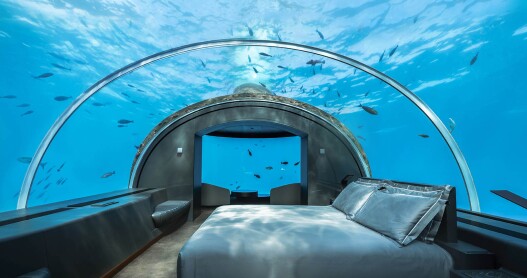
Sleeping with the fishes takes on a whole new meaning at these villas and suites under the sea.
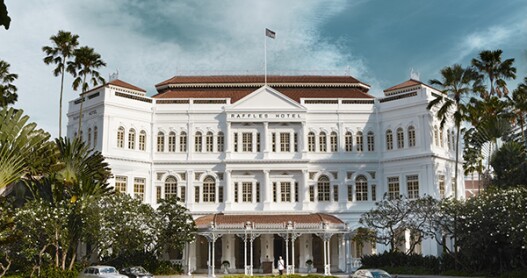
When the iconic Raffles Singapore opened in 1887, it quickly became a glittery haven for well-heeled travelers, and later, a go-to brand for discerning globetrotters.
The retired “Queen Elizabeth 2,” permanently moored in Mina Rashid, has debuted as a 224-room floating resort.
They’ll be home to family-friendly resorts, the Middle East’s first Cirque du Soleil show, and a marine park.
These hotels know how to make an entrance.
RESOURCES TO HELP PLAN YOUR TRIP
Dubai isn’t just about shopping and architecture. The Sheikh Mohammed Centre for Cultural Understanding offers enriching and intellectually stimulating tours, meant to engage and inform visitors about Emirati history and culture. Visit the center for a communal Emirati breakfast followed by a walking tour of the surrounding Bur Dubai neighborhoods, where Dubai’s rulers have lived since the early 20th century. And if you’re eager to visit a mosque, the center runs the only mosque tours for guests of all faiths. The center is close to several historical and cultural attractions, including Al Fahidi Historical District and Al Bastakiya.
The largest mosque in Dubai and the only one open to non-Muslims, the Jumeirah Mosque dominates the upscale beach area. The cream-colored sandstone structure with two slim minarets holds some 1,200 faithful. Though it looks historic, the mosque only dates as far back as the late 1970s. An hour-long guided tour takes visitors through the pale-yellow-and-azure interior. As you admire the magnificent ceiling decorations, you’ll also get a nice break from the city heat and noise.

If the viewing platform from the 122nd floor of the Burj Khalifa doesn’t induce vertigo, why not jump out of a perfectly good airplane at Skydive Dubai? The view of the Palm Jumeirah from 13,000 feet up will literally take your breath away—falling from that high above the ground tends to do that. If that sounds a little too extreme, give one of the biggest vertical wind tunnel in the world a go at Inflight Dubai. The tunnel, 16.5 feet in diameter, produces wind not by the inescapable force of gravity but by four 2,000-hp electric motors that let you experience skydiving without ever jumping out of an airplane. Tthe folks at Inflight Dubai opened an even bigger wind tunnel at Palm Jumeirah.
Safa Park is a regular stop on the weekend itineraries of most Dubai families, and as such, has a place in the childhood memories of many of the city’s residents. The family-oriented public park is ideal for a relaxed picnic in the shadow of the park’s older trees, away from the city’s clamor. The Dubai Water Canal runs through the park and the walkway that follows its route makes a pleasant place to stroll and enjoy beautiful views of the city. This park is near the city center, near many of its landmarks and shopping areas, such as Boxpark and the Business Bay.
Admit it; you’re curious. A ski hill in the middle of the desert, on the Persian Gulf, no less, is as wild an idea as humankind has ever concocted—but isn’t dreaming big what Dubai is all about? The slopes at Ski Dubai are no substitute for Jackson Hole or Vail, of course, but then again, they’re not supposed to be. You go simply for the experience of leaving a housewares shop, sauntering down the hall, and hitting the slopes. All the gear required can be rented at Ski Dubai: They even have long overcoats for women in abayas. You can ski or sled, roll down the hill in inflatable plastic balls, frolic with penguins, or even just ride the chairlifts back and forth. When you’re finished skiing, you can head back into the mall for a meal or a movie. You know, just another day in Dubai.
The Archive in Safa Park is probably the coolest place around to sip at a coffee and brush up on your North African and Middle Eastern literature. Not only does it boast a full-service cafe, The Archive also hosts musical concerts, art & pottery classes, outdoor film screenings, and even a children’s book club. Well worth a look, and bring the family!
Shoppers, restaurant connoisseurs, travelers, and cultural enthusiasts will find the impressively designed Madinat Jumeirah a treat for all their passions. This area, once the residence of pearl divers, fishermen, and traders, is now home to many expats and a place for tourists to wander, shop, eat, and find a coffee. This neighborhood embraces the historical architectural styles of the region with wind towers that capture breezes and reroute them down to ground level to cool the pedestrian paths. The resort’s shopping mall is fashioned after a traditional souk, with archways and lanterns and live music. You will also find impressive views and photo ops of the iconic Burj al Arab hotel from this spot.
Two architectural wonders helped put Dubai on the map: the Burj Al Arab hotel, which resembles the sail of a ship out on the gulf waters, and the Palm Jumeirah, a residential development on a manmade archipelago that fans out in the shape of a huge palm tree. But in 2010, the sleek Burj Khalifa stole their thunder. Now the world’s tallest structure, the tower soars 830 meters (2,722 feet) into the sky. Visitors can zoom by elevator up to the 124th floor to experience incredible views and explore interactive displays on Dubai’s history and the tale behind the building of this futuristic marvel. Another observation deck is even higher, on the 148th floor.

The Camel Racing Festival is free and open to the public, and celebrates a sport that has deep cultural roots in the region. Much like the city itself, the current festival has a modern twist (as you can see): robot-jockey-mounted camels gallop toward the finish line during Dubai‘s Camel Racing Festival.
Built in the style of a desert fortress near an endurance horseracing center 45 minutes from the city of Dubai, the family-friendly Bab Al Shams Desert Resort & Spa wraps around an oasis and looks out over gently rolling sand dunes that guests explore by 4x4, horse, camel, and mountain bike. Rooms with private balconies or garden patios cluster in double-story buildings that surround courtyards, shaded corridors, and infinity pools. Stone bathtubs, wood furniture, chests, kelims, colorful textiles, and a reproduction spice souk create a Disney-meets-Bedouin lifestyle setting. For peace and quiet, stay during the week, since the main restaurant fills on weekends with locals and bus tours.