Spain

In Spain, something bright and beautiful will catch your eye every direction you turn. La vida Española—the Spanish life—is colorful and lived to the last drop. The food is rich and savored slowly, the people boisterous and friendly, the music lively, and the soccer matches rowdy. Spain is bursting with monuments to see, tapas to eat, wines to drink, and always one last walk to take.

TravelGuides_Spain_SusanFlynn_Unsplash.jpg

Photo by Susan Flynn/Unsplash

Overview

When’s the best time to go to Spain?

Spain is sunny almost year-round—excepting the green northern region of Galicia—but that doesn’t necessarily mean it is warm! Wear layered clothing; a scarf is a good idea in every season except summer. Check calendar dates to make sure you’re not arriving on a feria, or holiday weekend, most of which are in spring and winter. On these festival weekends, hotel rooms are difficult to get and prices go sky-high if you haven’t planned in advance.

How to get around Spain

Madrid and Barcelona are both well-connected international airports served by the metro. A plethora of taxis is always waiting outside. Upon arrival, use your card at an ATM in the airport to save on conversion fees and hit the town with the correct currency.

One of the best and fastest railways in Europe, the AVE train connects Barcelona to Madrid in a mere 2.5 hours; nothing is out of reach. The buses are also well-priced, comfortable, and have free Wi-Fi (pronounced wee-fee here). Car rentals are readily available, though prepare to pay somewhat hefty tolls on highways (autovías) and to park on windy, narrow streets, as many small cities don’t allow cars in the center. Domestic flights are inexpensive via RyanAir, EasyJet, and Iberia airlines.

Food and drink to try in Spain

Be courageous! Spanish cuisine is a delight for all the senses, and the best treats go to the bravest. From roast suckling pig to blood sausage, and oxtail to percebes (barnacles), diners can discover sensations and delicacies they’ve only dreamed of. The tradition of tapas (appetizer-sized portions) and raciones (dishes for two) is still alive, and this way one can try many things without filling up. Accompanying sips couldn’t be better: Spain boasts the delicious riojas, ruedas, riberas, and a whole host of other world-famous wines. Skip the sangria in restaurants, as it’s only for tourists. At the end of your meal, leave the loose change rounding up to a euro or two; at a very nice establishment, 10 percent of the bill is perfectly appropriate.

Culture in Spain

A proud people, Spaniards celebrate a history that is long and full of lore. Monuments to Christopher Columbus (here called Colón), the royal families, and conquerors are plentiful and adorn the streets. Food, art, wine, and nightlife are the essence of Spain. Be prepared to stay out a little later than normal, as the country really comes alive after dark. Soccer (fútbol) is very nearly a religion in Spain, with the favorites being Barcelona, Real Madrid, and Atlético Madrid. If you’re walking down a street and car horns are blaring, people are screaming, and flags are waving—don’t worry, it’s likely just the scoring of a goal.

Spain loves to party! Any excuse for a long weekend is taken, and many of these fall in the spring or during Christmastime. Holy Week (Semana Santa) and Three Kings Day are major national festivals, while many communities celebrate their own traditions such as the infamous Running of the Bulls, Las Fallas, and San Isidro festivals.

Local travel tips for Spain

The concept of siesta is alive and well. Most shops (except El Corte Ingles) will close each day from 2 to 5 p.m. to allow the staff a long, proper Spanish lunch and rest. Europe in general is more chic than the States; dress appropriately and you’ll have an easier time blending in. Spain has a low level of English relative to Europe, so bring that phrasebook or app to facilitate conversations; after all, the best places don’t have English signage! Most of all, “Disfruta la vida Española”—enjoy the Spanish life!

Guide Editor

Brandy Bell is a travel writer currently living in Madrid, Spain, where she dabbles in everything from nunchucks and hula hooping to street art. She is on a quest to build a recycled cello, perfect a French accent, and is currently planning a trip to South Africa where she hopes to skin dive with Great Whites. Follow her journey at Itsoneworldtravel.com.

READ BEFORE YOU GO
HOTELS
Whether you’re a skier or an après-ski enthusiast, these 19 European hotels are ideal for a winter weather getaway.
Travel like James Bond in these six beautiful destinations, from the beaches of Jamaica to the mountains of Austria.
Sure, the beaches and views are great. But these islands excel with sustainable innovation, rich local traditions, and unique accommodations.
Book one of these romantic retreats in these off-the-beaten-path honeymoon destinations.
AFAR’s picks for the 31 best new hotels in the world.
At these properties, the children’s programming goes far beyond basic caregiving services with immersive experiences that offer younger guests a deeper look into culture, nature, sustainability, and even themselves.
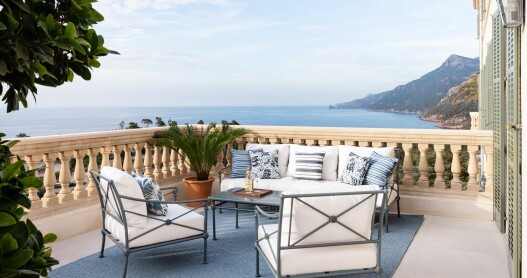
The largest of Spain’s Balearic Islands has become a hotbed of celebrity hotels yet remains blissfully low key.
Century-old grande dames, boutique stays in heritage buildings, seaside resorts: Barcelona’s best hotels offer both historic charm and modern luxury.
These hotel openings and events will do just that.
RESOURCES TO HELP PLAN YOUR TRIP
Canada opened to vaccinated Americans in August, and numerous European countries changed their entry requirements in September. Here’s the complete list.
A writer based in Barcelona describes the current situation in Spain and what travelers who want to go should know.
After initially opening only to vaccinated Americans in early June, almost all requirements have now been dropped for U.S. travelers entering Spain.
Less than two hours from Barcelona, in car or via TEISA buses (during the week), La Fageda is a leafy green wonderland after too much time spent in Barcelona’s hectic city center. This beech forest is unique, growing at a much lower altitude than usual for the Iberian Peninsula.In the fall, the vivid red leaves on the trees are especially stunning. No motor vehicles are allowed in the forest itself, but you can hike, bike-ride, or explore the reserve on horseback or even in a horse and buggy for a reasonable fee (reserve ahead). Inside the reserve, visit La Fageda’s dairy farm--you can learn about how the yogurt and ice-cream is made (in Catalan or Spanish), pet the calves, and taste some of La Fageda’s products. Beyond la Fageda, in the larger area of La Garrotxa Volcanic Zone Natural Park, there are volcanoes, Olot and Sant Feliu de Pallerols’ old towns, and a medieval castle to see, as well as numerous routes for hiking, biking and horseback riding.
Though Barcelona is hardly the epicenter of paella (that would be to the south, in Valencia), this hands-on culinary workshop/dining experience offers a fine introduction to what’s arguably Spain’s most famous dish. Set in an appealingly hip Raval-area space featuring soaring ceilings, exposed brick walls, and industrial lighting, the class starts with a welcome glass of cava along with a brief overview of paella from founder Alex Betolaz and chef Alex Villar. Don an apron at your cooking station, but don’t expect anything too labor-intensive; ingredients are, for the most part, already prepared, though you will do a bit of chopping, pouring, and stirring. (You can book your paella preferences ahead of time, and vegetarian options are available.) Then you’ll gather around a long wood table and sample various Catalan specialties along with your paella (and there’s usually plenty of sharing going on). Choose from three different paella-making experiences, starting at €50/per person for two courses and going up to €85 for multiple courses plus unlimited wine.
About an hour’s drive south of Barcelona, past scruffy beach towns along the Costa Dorada, Le Meridien Ra Resort and Spa stands out from its neighbors on a beautiful length of the Mediterranean. Inside the resort gates, an elegant central building, buffed out for the 21st century, does not fail to impress. Originally built as a tuberculosis hospital for children, the hotel has turned its focus from illness to wellness: A three-story modern addition contains the Explore spa, with treatments ranging from all sorts of massages and facials to ayurvedic experiences and thalasso body masks with iodine-rich algae. After treatment, clients are encouraged to prolong the self-care vibe with a visit to the roof, where an indoor-outdoor complex offers glamorous sun beds on a deck, steam and sauna rooms, as well as a pool with stations for bubble jets of varying intensities as well as shoulder-massaging water spouts and soothing currents. Guest rooms are spacious and cleanly modern with midcentury design touches (an angular sconce beside the bed, a curvy Hans Wegner-inspired chair and stool) and a mild color palette. Generous cabinet space speaks to the resort’s summer season—many repeat guests come for a week or two. (For additional space, families can opt to rent one of the on-site apartments.) The resort’s kitchen, which draws inspiration from Catalan traditions, is inventive and playful, employing some molecular gastronomy techniques without any fussiness. Small dishes—accompanied by tiny pearls filled with local vinegar or topped with foam or served in paper cones—are perfect for summer appetites (and can be augmented by more traditional seafood, fish, and ham dishes). The beach itself is a wide, sandy stretch planted with a few palm trees and several rows of beach loungers and umbrellas. Beach servers ferry food and drink from the airy dining pavilion, and a masseuse offers complimentary chair massages. The Mediterranean here, a vivid blue, contains 10% more iodine than elsewhere—a health benefit espoused both by the religious order who ran the sanitarium and by the resort now. As a brand, Le Meridien supports local arts and culture and this hotel is a bright example of that ethos: among many offerings, it hosts literary festivals, visits to the nearby studio of a ceramic artist, cooking lessons on the nuances of Catalan rice dishes, winery tours, live music in the gardens, and is home to four grand bronze sculptures by Salvador Dali. But for all these options, days can pass lazily, too, with a lunch under the grape arbor, or a round of backgammon on the shady terrace facing the beach, accompanied by a glass of rosé. ¡Salud!
Inside this 1876 market, you can see the footprint of 18th century Barcelona and read about what life was like before the city’s siege during the War of Spanish Succession. The airy iron and glass market, modeled on Parisian architecture is the largest covered square in Europe and marked the beginning of Modernisme in Catalan architecture. Check out seasonal exhibits or get up close and personal with the ruins on a tour (prior reservation necessary).
A belle epoque grande dame presiding over San Sebastián’s iconic La Concha Beach, the Hotel de Londres y de Inglaterra has been a palace, casino, hospital, and of course hotel since its construction in 1865. Before and after World War I, it was the kind of place where well-to-do Europeans went on seaside holidays for months at a time, enjoying direct beach access, the city’s renowned seafood, and the hotel’s elegant design. Nowadays, the society consists of a somewhat less star-studded lineup—once Toulouse-Lautrec, Archduchess Elizabeth of Austria, and Mata Hari were all guests—but the unobstructed Bahía de la Concha views, lovely rooms (all with private balconies), and pride of place at the heart of the city remain. The window-lined brasserie takes its cue from classic French bistros—it’s not hard to imagine that the well-dressed gentlemen at the next table are French aristocrats-in-exile—and its tables along the beachfront promenade are the perfect place to while away a few hours over pintxos, txakoli (a sparkling white wine from Basque Country), and people watching. If you were to spend a few months in a seaside town, this would be the way to do it.
A 19th-century private estate just outside San Sebastián’s city center, Villa Soro was commissioned by a wealthy businessman as a wedding gift for his daughter; it was designed by the same architect who built the iconic Hotel de Londres y de Inglaterra, which towers over the La Concha waterfront at the city center. In contrast to that classic belle epoque building, the villa takes its inspiration from English architecture—complete with peaked roofs and faux-Tudor beaming—that was in vogue at the time, while the manicured gardens were designed by renowned Romantic landscape designer Pierre Ducasse.

Now an intimate, 25-room boutique hotel, Villa Soro maintains the same relaxed, cozy atmosphere one might expect to find at a friend’s estate, complete with two elegant drawing rooms outfitted with armchairs that beg to be curled up in with a book. The dark-wood-and-leather bar room (complete with a fireplace, of course) beckons visitors with vermouth and txakoli. Rooms are homey and classically elegant, spread between the main house and the restored carriage house, and they make for a romantic retreat within walking distance of the city’s sights and Michelin-starred restaurants.
Inaugurated in 1912 by its namesake, the Spanish regent Maria Cristina, this belle epoque landmark has welcomed international elite to its gilded halls from day one. Designed by the same architect behind the Ritz in Paris, the hotel has long been a favorite of celebrities during the San Sebastián Film Festival (Bette Davis was, notably, a fan). A $25 million renovation in 2012 only cemented its status as the city’s most luxurious hotel. With three of the city’s most elegant eateries (including a favorite see-and-be-seen bar), panoramic views of iconic belle epoque buildings and the Urumea River from the many terraces, and signature Luxury Collection concierge service, the Maria Cristina still feels fit for the aristocracy who frequented it in the city’s beach-destination heyday. Spacious and decadent rooms with an updated belle epoque style, as well as a central location within walking distance of many of San Sebastián’s Michelin-starred restaurants, only sweeten the deal.