Singapore

The heat is on in The Lion City, a tropical city-state at the heart of Southeast Asia that punches above its weight in arts, entertainment, nature, and the twin Singaporean obsessions: world-class food and shopping. In recent years, the Little Red Dot has transformed itself from a sterile layover stop into a vibrant global metropolis that is a destination in its own right. Craving glitzy hotels and air-conditioned super-malls? Singapore has these developments in spades. But don’t overlook the hawker centers and shophouses, temples and jungle trails that remain the heart and soul of this cultural melting pot.

A row of colorful shophouses (yellow, blue, red, and white) on a quiet street with no cars in Singapore

Jessie Beck

Overview

When’s the best time to go to Singapore?

The climate in Singapore, just north of the equator, remains fairly constant at 85 degrees with high humidity and a chance of showers. It rains slightly more than average between November and January, and slightly less from May to July. Rain clouds tend to swoop in quickly, unleash a torrent, and then clear out again—so it’s quite common to switch between sunglasses and an umbrella multiple times throughout any given day. It takes time to adjust to the high humidity, so walk at a leisurely pace and drink plenty of water. The temperature doesn’t change much when the sun goes down, but you may need a light sweater or shawl to insulate yourself against the Singaporean tendency to over-air-condition indoor spaces.

How to get around Singapore

Singapore’s Changi Airport is a world-class transportation hub and a great introduction to the efficiency, cleanliness, and quirky charm that you can expect from the rest of the city. From the airport, it takes about an hour to get downtown by either bus or MRT (subway), either of which is a cost-effective option. A taxi will take 25 minutes and cost around SGD30. It is also possible to reach the city by train, bus, or car from Malaysia and farther north.

Singapore’s compact downtown core is very walkable, and the city offers excellent public transport links. If you have a smartphone with a data plan, you can use Google Maps to plan your route on public transportation. The “SG Buses” app will let you know how many minutes you have to wait at the stop for your bus. Taxis are also plentiful and inexpensive. Flag them down in the street or at designated taxi stands in the city center. There’s no need to worry about getting ripped off—taxi uncles (and aunties) are friendly, meters are always used, and tipping is not necessary.

Can’t miss things to do in Singapore

On a clear evening, check out the 360-degree views around Marina Bay from 63 floors up at the city’s highest rooftop bar, 1 Altitude. After 6pm there’s a cover charge, which gets you one standard mixed drink. It’s a great spot for a sunset cocktail or a late-night dance party. Note that there is a smart casual dress code—no flip-flops. After 10pm, there’s an age limit of 21 for women and 25 for men.

Food and drink to try in Singapore

It’s no secret: Singaporeans love to eat. Virtually every cuisine on the planet is available here, whether it’s whipped up by celebrity chefs or by hawker stall uncles who are local celebrities with loyal followings. Some of Singapore’s most popular dishes, which are easy to find everywhere, include chicken rice, chili crab, and kaya (a thick, sweet coconut jam spread on toast). So don’t hold back! Bring your appetite and your sense of adventure as you sip, slurp, and munch your way through this foodie wonderland.

Culture in Singapore

Some families have been here for many generations, but the primary immigrant populations in Singapore hail from China, Malaysia, and India. The culture on the island is a blend of these diverse influences with some English colonial flavor thrown in for good measure. Get a feel for some of Singapore’s distinct cultural personalities in Chinatown, Little India, Arab Street, and Katong.

In a land with subtle seasons, the passage of time in Singapore is marked by colorful festivals, parades, and special treats. Chinese New Year, the country’s biggest holiday, brings lion dances, loud drums, and elaborate meals. In August, National Day celebrates Singapore’s independence with fireworks, military parades, and flyovers. During the Mid-Autumn Festival, Chinatown is festooned with colorful lanterns, and Singaporeans give gifts of moon cakes filled with sweet bean paste and a salted egg yolk.

Local travel tips for Singapore

There are many urban legends about Singapore’s strict laws and the authorities’ tendency to cane anyone who breaches the rules. You may have heard about an explicit ban on chewing gum, among other things. In general, however, a bit of common sense will keep you safe. As everywhere, don’t litter or vandalize property, and don’t start fights with the local police, and you will be absolutely fine.

Practical Information

- Most Singaporeans can speak two languages, with English usually being one of the two. The other: Mandarin, Malay, and Tamil. But you’ll hear many other languages around Singapore including Cantonese and other Chinese languages.
- The currency is the Singapore dollar.
- Singapore’s standard voltage is 230 V and the standard frequency is 50 Hz. Bring a type G converter (one with three rectangular blades, not round pins) if you want to plug things in.

Guide Editor

READ BEFORE YOU GO
HOTELS
The new Mandai Rainforest Resort by Banyan Tree in Singapore blends wellness, biophilic architecture, and conservation to help guests reconnect with nature.
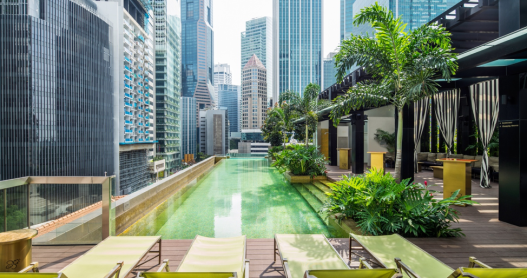
From refurbished heritage shophouses to green indoor garden concepts, these are the best hotels in Singapore.
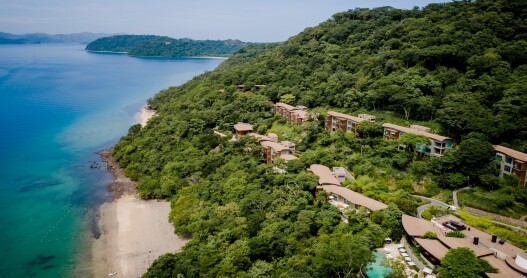
If health is the new wealth, then Blue Zones travel offers one of the most immersive get-rich-quick schemes on Earth. Afar takes a closer look at a program at Andaz Costa Rica at Peninsula Papagayo.
AFAR’s picks for the 31 best new hotels in the world.
Sleeping with the fishes takes on a whole new meaning at these villas and suites under the sea.
From shopping sprees in Singapore to thumping clubs in Berlin, the world is full of cool cities that move to the pulse of pop culture. Staying at the right hotel is one way to find the hippest places to eat, shop, and play.
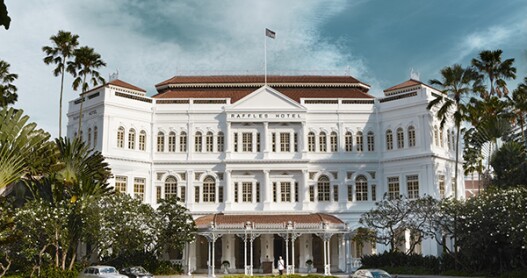
When the iconic Raffles Singapore opened in 1887, it quickly became a glittery haven for well-heeled travelers, and later, a go-to brand for discerning globetrotters.
The cool (and affordable) new Asian hotel brand you need to know
RESOURCES TO HELP PLAN YOUR TRIP
The MacRitchie Reservoir is one of four reservoirs in the heart of Singapore at the Central Catchment Nature Reserve, where the surrounding forests are protected as national parks to ensure the quality of the water. Though unfortunately not accessible to the public, the ruins of a once-massive Shinto shrine built by the Japanese during their World War II occupation of Singapore are hidden in the overgrown, off-trail jungle near the northwestern corner of the reservoir. There is more to Singapore than meets the eye.
So spectacular is the 82-hectare (200-acre) Singapore Botanic Gardens that it is the rare horticultural spot to have earned UNESCO World Heritage site status. Established in 1859, it’s responsible for Singapore’s nickname as the Garden City and serves an important conservation and educational role. Wandering the pathways, visitors escape the frenetic urban area and learn about 1,200 species of orchids alone. There’s also a band shell for live concerts.
Devout foodies flock to the hawker stands in Singapore, one of the world’s cleanest cities. Check out the tasty Hainanese Chicken Rice at the famous Maxwell Food Centre; you’ll want to find the Tian Tian stall. Explore the other stands and salivate over the combination of Malay, Chinese, Indian, and European flavors with such items as barbecue pork, steamed pork buns, fish cakes, and Hokkien mee (seafood pasta infused with special flavors). —Susan Sparks This appeared in the August/September 2013 issue.
Known for being a bit boisterous and rowdy, Little India has a distinct personality from the rest of Singapore. It can start to feel a few degrees hotter than the rest of the city as you dodge shoppers, temple goers, and trinket sellers on Serangoon Road. The crowds and pungent smell of flowers, curries, and frying prata excite and assault the senses. The sidewalks are taken up by racks of DVDs, cases filled with phone cards, carts selling garlands of fresh flowers, and men working at sewing machines. It’s a uniquely South Asian crush of color and hum of activity. If you head there on a Sunday—the day most Indian and Bangladeshi construction workers have off—the streets might be even more crowded than usual.
The best fast food in Singapore‘s central business district can be found at Lau Pa Sat (Raffles Place MRT stop). This 150-year-old former fish, fruit, and veg market was converted into a collection of hawker food stalls in the 1970s. The market, which has recently undergone a facelift, is shaped like an octagon with eight alleys emanating from the center. There are about 75 different stalls to choose from, selling everything from curries and dosas to dumplings and pig organ soup. You are sure to find whatever it is you are craving. When in doubt, do what the Singaporeans do and join the longest queue! Here are my top picks: Shanghai deep-fried pork and spring onion buns from the stall in the center. These are to die for. Help yourself to a little plastic saucer of chili paste for dipping. Thunder Tea Rice - Stall 01-26/31 - A healthier option with brown rice, herbs and tofu thrown into delicious combinations. Try their signature dish. I prefer to add the cold green broth to the rice bowl before eating. Murtabak (stuffed roti prata) - get a plate to share from one of the Indian Muslim food stalls. Mamacita’s Costa Rican cuisine (near Thunder Tea Rice) - an unexpected but perennially popular stall. Fresh lime juice or iced kopi (coffee) from the beverage stand in the center of the market. Don’t forget to bring your own napkins/tissues/wet wipes. Stalls don’t give them out and they also come in handy to save your seat while you’re ordering your meal.
Singapore Zoo has been recognized as a leader in creating naturalistic habitats since its opening in 1973, using concealed moats to separate animals from visitors and incorporating a local reservoir into the landscaping. There are dozens of themed exhibits here! Some highlights include the Fragile Forest, where guests enter a massive biodome that re-creates the diversity of the rain forest, and the Reptile Garden, home to Komodo dragons and giant tortoises. At the adjacent Night Safari experience, guests walk or travel in trams from tropical to mountain habitation zones, where rhinos, elephants, tigers, and some 130 other species can be observed.
With its domed greenhouses of epic proportions dotted across some 100 hectares (250 acres), the sustainable Gardens by the Bay are educational and fun. The Cloud Forest is a misty, 42-meter-high (138-foot-high) “mountain” that re-creates tropical highlands; visitors use ramps to explore around and through them. A biosphere of Mediterranean and desert plants, including huge baobab trees, makes up the Flower Dome. Outdoors, guests walk on suspended walkways between steel-frame “Supertrees” that are covered in solar-powered lights.
The Marina Mandarin Hotel in Singapore has a marvelous atrium within its triangular walls. This shot was taken from about 15 floors up and shows the hotel lobby with its amazing design. Note the grand piano at the bottom right of the picture, to give a sense of scale to this scene.
If money is no object, staying near the Marina in Singapore is a great choice. On one side you have the bizarrely mesmerizing Marina Bay Sands development, which includes a hotel, casino (note that the Chinese take their gambling very seriously), shops, a theater, a rooftop pool, a rooftop restaurant/bar/club (Cé La Vi), myriad celebrity-chef restaurants (try Daniel Boulud’s DB Bistro & Oyster Bar), and much more. Although MBS is fun to visit and certainly worth strolling through, you get more for your hotel money across the Marina at the Fullerton Bay Hotel.
Singapore’s street food tradition is now part of UNESCO’s list of Intangible Cultural Heritage, which includes knowledge and practices instead of physical sites.