Singapore

The heat is on in The Lion City, a tropical city-state at the heart of Southeast Asia that punches above its weight in arts, entertainment, nature, and the twin Singaporean obsessions: world-class food and shopping. In recent years, the Little Red Dot has transformed itself from a sterile layover stop into a vibrant global metropolis that is a destination in its own right. Craving glitzy hotels and air-conditioned super-malls? Singapore has these developments in spades. But don’t overlook the hawker centers and shophouses, temples and jungle trails that remain the heart and soul of this cultural melting pot.

A row of colorful shophouses (yellow, blue, red, and white) on a quiet street with no cars in Singapore

Jessie Beck

Overview

When’s the best time to go to Singapore?

The climate in Singapore, just north of the equator, remains fairly constant at 85 degrees with high humidity and a chance of showers. It rains slightly more than average between November and January, and slightly less from May to July. Rain clouds tend to swoop in quickly, unleash a torrent, and then clear out again—so it’s quite common to switch between sunglasses and an umbrella multiple times throughout any given day. It takes time to adjust to the high humidity, so walk at a leisurely pace and drink plenty of water. The temperature doesn’t change much when the sun goes down, but you may need a light sweater or shawl to insulate yourself against the Singaporean tendency to over-air-condition indoor spaces.

How to get around Singapore

Singapore’s Changi Airport is a world-class transportation hub and a great introduction to the efficiency, cleanliness, and quirky charm that you can expect from the rest of the city. From the airport, it takes about an hour to get downtown by either bus or MRT (subway), either of which is a cost-effective option. A taxi will take 25 minutes and cost around SGD30. It is also possible to reach the city by train, bus, or car from Malaysia and farther north.

Singapore’s compact downtown core is very walkable, and the city offers excellent public transport links. If you have a smartphone with a data plan, you can use Google Maps to plan your route on public transportation. The “SG Buses” app will let you know how many minutes you have to wait at the stop for your bus. Taxis are also plentiful and inexpensive. Flag them down in the street or at designated taxi stands in the city center. There’s no need to worry about getting ripped off—taxi uncles (and aunties) are friendly, meters are always used, and tipping is not necessary.

Can’t miss things to do in Singapore

On a clear evening, check out the 360-degree views around Marina Bay from 63 floors up at the city’s highest rooftop bar, 1 Altitude. After 6pm there’s a cover charge, which gets you one standard mixed drink. It’s a great spot for a sunset cocktail or a late-night dance party. Note that there is a smart casual dress code—no flip-flops. After 10pm, there’s an age limit of 21 for women and 25 for men.

Food and drink to try in Singapore

It’s no secret: Singaporeans love to eat. Virtually every cuisine on the planet is available here, whether it’s whipped up by celebrity chefs or by hawker stall uncles who are local celebrities with loyal followings. Some of Singapore’s most popular dishes, which are easy to find everywhere, include chicken rice, chili crab, and kaya (a thick, sweet coconut jam spread on toast). So don’t hold back! Bring your appetite and your sense of adventure as you sip, slurp, and munch your way through this foodie wonderland.

Culture in Singapore

Some families have been here for many generations, but the primary immigrant populations in Singapore hail from China, Malaysia, and India. The culture on the island is a blend of these diverse influences with some English colonial flavor thrown in for good measure. Get a feel for some of Singapore’s distinct cultural personalities in Chinatown, Little India, Arab Street, and Katong.

In a land with subtle seasons, the passage of time in Singapore is marked by colorful festivals, parades, and special treats. Chinese New Year, the country’s biggest holiday, brings lion dances, loud drums, and elaborate meals. In August, National Day celebrates Singapore’s independence with fireworks, military parades, and flyovers. During the Mid-Autumn Festival, Chinatown is festooned with colorful lanterns, and Singaporeans give gifts of moon cakes filled with sweet bean paste and a salted egg yolk.

Local travel tips for Singapore

There are many urban legends about Singapore’s strict laws and the authorities’ tendency to cane anyone who breaches the rules. You may have heard about an explicit ban on chewing gum, among other things. In general, however, a bit of common sense will keep you safe. As everywhere, don’t litter or vandalize property, and don’t start fights with the local police, and you will be absolutely fine.

Practical Information

- Most Singaporeans can speak two languages, with English usually being one of the two. The other: Mandarin, Malay, and Tamil. But you’ll hear many other languages around Singapore including Cantonese and other Chinese languages.
- The currency is the Singapore dollar.
- Singapore’s standard voltage is 230 V and the standard frequency is 50 Hz. Bring a type G converter (one with three rectangular blades, not round pins) if you want to plug things in.

Guide Editor

READ BEFORE YOU GO
HOTELS
The new Mandai Rainforest Resort by Banyan Tree in Singapore blends wellness, biophilic architecture, and conservation to help guests reconnect with nature.
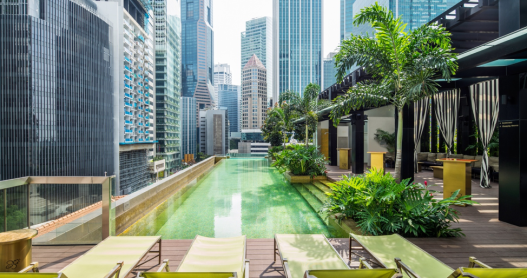
From refurbished heritage shophouses to green indoor garden concepts, these are the best hotels in Singapore.
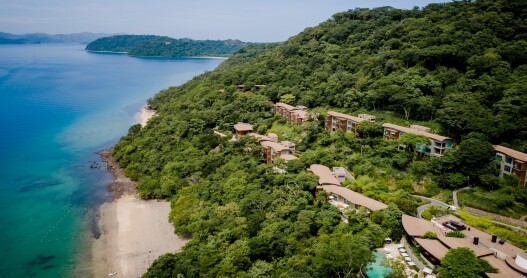
If health is the new wealth, then Blue Zones travel offers one of the most immersive get-rich-quick schemes on Earth. Afar takes a closer look at a program at Andaz Costa Rica at Peninsula Papagayo.
AFAR’s picks for the 31 best new hotels in the world.
Sleeping with the fishes takes on a whole new meaning at these villas and suites under the sea.
From shopping sprees in Singapore to thumping clubs in Berlin, the world is full of cool cities that move to the pulse of pop culture. Staying at the right hotel is one way to find the hippest places to eat, shop, and play.
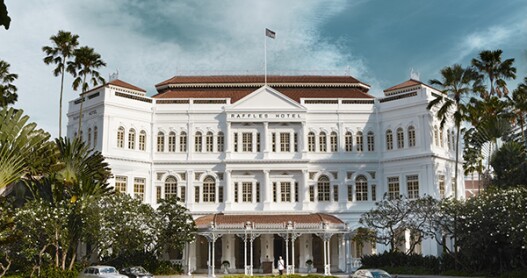
When the iconic Raffles Singapore opened in 1887, it quickly became a glittery haven for well-heeled travelers, and later, a go-to brand for discerning globetrotters.
The cool (and affordable) new Asian hotel brand you need to know
RESOURCES TO HELP PLAN YOUR TRIP
Singapore may not have bicycle lanes on its roads, but the country does have a wonderful and growing network of bike-friendly asphalt paths along its many canals and rivers that are sometimes joined up with pathways in parks and along old rail corridors (in Singapore, they’re called park connectors). An easy 3-mile round-trip stretch to sample runs along the Singapore River. Join the riverside pathway just off Zion Road near the Great World City shopping mall—you can rent your chariot nearby from Bike Connect, at 23 Hoot Kiam Road—or grab a two-wheeler from the now ubiquitous bike-share steeds parked everywhere. Pedal all the way to the old shophouses of Boat Quay where the river empties into Marina Bay and then the South China Sea at the heart of Singapore’s colonial core. From there, get a glimpse of the grand Fullerton Hotel (once the national post office), the Asian Civilisations Museum (originally intended to be the city’s courthouse), and several historic bridges.
East Coast Park is a wonderful stretch of seafront greenery containing plenty of trails where runners, walkers, cyclists, and in-line skaters can frolic in nature. There are shops where you can rent bikes and Rollerblades (just follow signs in the park), so come on down and join in the fun. If you’re feeling especially brave, try your hand at motorized wakeboarding—or just watch as a machine whips brave souls around the East Coast Lagoon (near the East Coast Seafood Centre) on a wire.
This frilly, century-old mosque, with its interesting mix of Victorian and Arabian architecture, is straight out of a Disney fairy tale. Its Corinthian columns, Doric pilasters, cinquefoil arches, and painted-glass cupolas will mesmerize you. When the green-and-cream-colored mosque was built, the surrounding neighborhood was called Kampong Kapor, or “Limestone Village.” The mosque’s staff is very welcoming and friendly to visitors who want to have a look around, and they even loan out robes to wear, as it’s considered respectful to dress modestly inside.
Sri Srinivasa Perumal Temple is a popular landmark in Little India, where much of Singapore’s sizable Tamil Hindu community works and worships. Originally a simple building on a plot of land, the temple became something entirely different in the mid-1960s with the addition of an elaborate five-layer gopura, or gatehouse tower. Each stepped level of the tower’s roof is crowded with vividly painted statues of royalty, dancers, and deities, as well as candy-colored architectural elements, all of which creates a remarkable celebratory effect. The temple has been granted protected status as a national monument by the government.
There are two Min Jiangs in Singapore, and both are set in lovely heritage buildings: one in the early-20th-century Goodwood Park Hotel, and the other in Rochester Park, a cluster of colonial-era black and white bungalows repurposed into restaurants. Min Jiang’s menu is packed with Sichuan and Cantonese classics, but the big star is the wood-fired Peking duck served with traditional pancakes, crispy slivers of skin and meat, and sweet bean sauce. Still hungry? The hot-and-sour soup, prawn-and-pork stir-fry, and lobster with eggplant and minced chicken in Sichuan chili sauce are also irresistible. If you’re dining with a significant other, grab a table outside on the veranda: The candlelight and tropical foliage create a romantic and cozy vibe.
Din Tai Fung is not a Singaporean chain—it originated in Taiwan—but outposts of this restaurant have flourished all over the city, thanks to its addictive dumplings. (Seriously: addictive.) Making the perfect soup dumplings (xiao long bao) is a skill that takes years to perfect. You can see the experts hard at work in glassed-in kitchens at every DTF eatery. To enjoy, swirl a little bit of soy sauce, black vinegar, and chili in a shallow dish of thinly sliced ginger, and dip away. Din Tai Fung also serves up the ultimate comfort food: Beef noodle soup. Its restorative, deep-brown broth with thin noodles can be savored with or without beef brisket. The spicy wontons in a vinegar sauce are also top-notch.
The peak called Monserrate towers over central Bogotá and lends its name to the church that tops it. Perched more than 10,000 feet above sea level, the sanctuary—dedicated to the Passion of Christ—has beautiful gardens showcasing marvelous highland vegetation, and the city views from here are spectacular (sunsets are especially recommended). Ascend Monserrate by cable car, via railway, or on foot (this last is only for the fittest and those already acclimated to the altitude). That beautiful white house on the mountainside is Casa Santa Clara restaurant, a better-than-expected, special-occasion-suitable venue at which to try traditional Bogotá favorites like ajiaco, a thick potato-and-chicken soup.
Set within the Banco de la República’s museum complex, the Botero Museum offers a sampling of paintings and sculptures by famed Colombian artist Fernando Botero, best known for his still lifes and his exaggeratedly rotund human figures. Botero donated 123 of his own pieces to the institution, as well as 85 from his personal collection—including treasures by Chagall, Picasso, Monet, and Miró. The gracious colonial-era mansion includes an area that displays contemporary Latin American and European artworks. Audio guides are available in English, French, and Spanish.
Animal-friendly pathways provide safe passage for all kinds of critters and score big points for communities interested in ecotourism.
Starting April 26, the city-state will ease several COVID measures, including allowing for larger events.