Germany

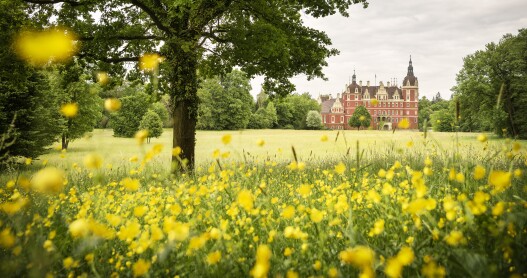
While Germany is well-known for its hearty food and beer, fairy-tale castles, and gorgeously preserved medieval towns, the country offers so much more than clichés. In addition to some of Europe’s most distinctive cities—Berlin, Munich, and Hamburg, to name a few—Germany features diverse natural scenery (scenic coastlines, mystical forests, soaring Alps), a heavyweight cultural legacy (including contributions from some of the world’s most famous philosophers and musicians), cutting-edge architecture, and celebrated contemporary art.

Germany-Guide.jpg

Photo by Felix Bruggemann

Overview

When’s the best time to go to Germany?

Summer is the ideal time to visit Germany. The country’s sunlit landscapes—crisscrossed with rivers, peppered with forests and lakes, and dotted with charismatic castles—are in full bloom, and its cities transform into outdoor playgrounds. Still, summer can bring crowds and expensive prices, so spring and autumn are attractive alternatives, helped along by a slew of major events like Munich’s famous Oktoberfest. Winter holds its own charms, especially for ski and snowboard fans, as well as for those who wish to visit Germany’s Christmas markets, which run from late November until December 23, or the Berlin International Film Festival in February.

How to get around Germany

There are over 40 airports spread across Germany, providing easy and convenient access to the country’s 16 federal states. Frankfurt am Main and Munich are the largest airports, followed by Düsseldorf, Berlin, Hamburg, Stuttgart, and Cologne Bonn. Once you’ve arrived in Germany, public transportation is generally excellent, with high-speed trains connecting all major cities as well as destinations across Europe. Some regions, like the Black Forest and Schleswig-Holstein, are more easily explored by car, but even there you can find buses and trains to get around.

Food and drink to try in Germany

Traditional German food is quite substantial—meat dishes like lamb, pork, and beef are popular, along with plenty of fish, rich sauces, and generous sides including potatoes, dumplings, and cabbage. Sausages are ubiquitous, and each region tends to have its own specialty. Be sure to try Rheinischer Sauerbraten (pot roast) in the North Rhine, spätzle (cheesy noodles) in the south, and quirky dishes like Handkäs mit Musik (pungent cheese topped with white onions) around Hesse. Contemporary German cuisine, on the other hand, often consists of lighter, updated versions of classics, and all the big cities offer a diverse range of international food.

Beer, of course, is a trademark of Germany, including the mixed drink Radler (beer with lemonade or any variation of juice), which is popular during the summer. In winter, sipping a steaming mug of Glühwein (mulled wine with spices) is recommended.

Culture in Germany

Germany is often referred to as Das Land der Dichter und Denker (The Country of Poets and Thinkers), which gives more than a clue as to its intellectual and cultural prowess. Famed for its contributions to everything from philosophy and literature to music and art, the country has produced many luminaries known worldwide by their surnames alone: Goethe, Bach, Hegel, Beuys, Hesse, Wagner, Mozart, among them. Germany’s contemporary cultural scene is just as dynamic, as evidenced by an annual calendar of events like the world-renowned Berlin International Film Festival and the Documenta art exhibition in Kassel.

Can’t miss things to do in Germany

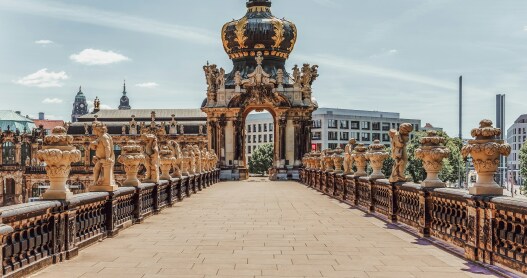
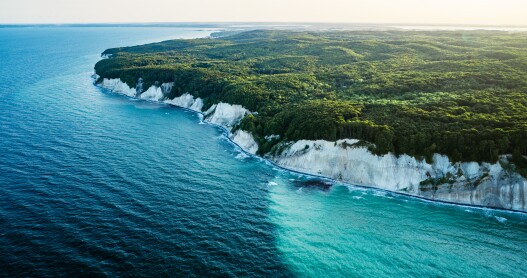
Vibrant urban culture vies with romantic landscapes throughout Germany. The major cities, especially Berlin, Hamburg, Cologne, and Munich, should not be missed, but smaller towns like Bayreuth, Weimar, Nuremburg, Dresden, Bamberg, and Lübeck are also attractive for their impressive architecture and charming atmospheres. Soaring cathedrals and grand palaces can be found across the country, while natural areas like the Black Forest, the Bavarian Alps, and the Baltic and North Sea coastlines provide an alluring mix of recreation and relaxation.

Practical Information

Americans and other non-E.U. citizens need a valid passport to visit Germany for less than 90 days, and a travel visa to stay longer. The local language is German, though the more urban the destination, the more English is spoken, especially among the younger generation. The currency is the euro, the voltage is 230 volts, and the socket type is F (round plugs with two round prongs).

Guide Editor

Paul Sullivan has lived in Berlin since 2008. In addition to running his local website, Slow Travel Berlin, he writes regularly on Berlin and Germany for international publications like The Guardian, The Telegraph, the Sunday Times, and the BBC, and has worked on Berlin and Germany guidebooks for publishers such as Fodors, DK, Rough Guides, Wallpaper, and more.
READ BEFORE YOU GO
HOTELS
Whether you’re a skier or an après-ski enthusiast, these 19 European hotels are ideal for a winter weather getaway.
After a careful two-year renovation, the historic Brenners Park-Hotel & Spa is stepping into a new era of wellness shaped by the surrounding Black Forest.
Around the world, breakfast is emerging as the moment when a luxury hotel’s ambition—and its core values—become most visible.
These women aren’t just breaking barriers. They’re building a more inclusive, dynamic future for hospitality—and your hotel experience will be the better for it.
These are the 24 hotels we recommend most for wellness.
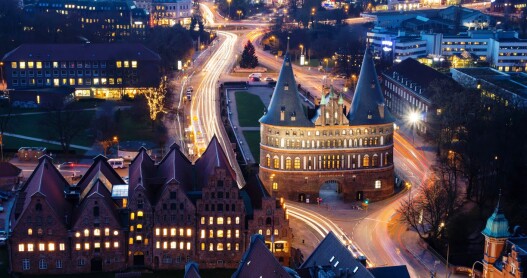
From rococo and baroque facades in Lübeck to Bauhaus in Weimar and Le Corbusier’s modernist neighborhood outside Stuttgart, Germany has a rich architectural history.
Descend into ancient mine shafts, visit skilled woodcarvers, soar to the top of eastern Germany’s highest mountain, and soak up the charm of historic towns.
From the protected Wadden Sea to the historic warehouse districts of Hamburg and beyond, a visit to the former Hanseatic League is a dream trip for sustainably minded travelers who love history.
Berlin is a masterpiece of urban planning, from the Museum Island at the heart of its walkable center to groundbreaking Modernism Housing Estates, plus epic parks and forests waiting just a stone’s throw away.
Explore rich religious traditions and outstanding architecture at the country’s most magnificent cathedrals and monasteries.
RESOURCES TO HELP PLAN YOUR TRIP
The world’s largest chocolate shop also includes two restaurants and is a dream come true for travelers with a sweet tooth. At the Chocolate Café, you can fill up on hot chocolate, tortes and chocolate treats. The Chocolate Restaurant specializes in incorporating chocolate, as well as cacao, into savory dishes. You’ll want to pick up some gifts for friends at home—or just snacks for later in the day—at the shop.
Yam is a unique park that truly makes Berlin a city of the free. Created by rastafarians, or rugged nomad expats from Jamaica, Ghana, and Africa, they’ve created an environment that lives up to their dreams; a carefree zone where the only thing that matters is a cold beer, good people, music, food, and sports. Once inside, you walk through lots of sands with implanted picnic tables. Rastafarians serve food from stands that stems from a background of Caribbean or african roots. Cold local beer is served by a bar overlooking the ocean and sport fields are open for any basketball or soccer takers. Come by day to relax under the sun or come by night to dance through a cultural endemic.
The most famous remaining stretch of the Berlin Wall gets its name from its location on the east side of the Spree River, as well as from its collection of political and satirical murals. Originally painted just after the wall fell, the murals were repainted (or in some cases painted over) in 2009 as a way of cleaning up the increasingly decayed originals and in recognition of the 20th anniversary of the fall of the wall. Today, a fence partly protects the gallery to prevent vandalism of the murals, but people throng here nonetheless, especially in summer. A museum at the site tells the fascinating story of the structure through interactive displays, original newsreel footage, and filmed interviews with Berliners who lived on both sides.
Centuries-old catacombs decorated with human bones pepper the crypts at this Franciscan monastery dating to 1774. Decked out in impressive Spanish Baroque architecture, the canary-yellow church and monastery also house a remarkable library with some 25,000 antique texts (some predating the Spanish Conquest) and are flush with romantic courtyards and cloisters. Don’t forget to look up: A magnificent Moorish-style cupola, carved of Nicaraguan cedar in 1625, oversees the main staircase.

We took a four night trip to the Peruvian jungle and the Macaws at this clay-lick were a highlight from the boat trip up the river.
The beach town of Pimentel, near Chiclayo (on Northern Peru’s desert coast), is known for its family-run beachfront cevicherias. These restaurants have immediate access to fish straight from the sea. Ceviche is eaten only for lunch in the north - so make your visit in the afternoon. Northern Peruvian ceviche is prepared with paper-thin sliced red onions, chile peppers, large chunks of fresh fish and lots of lime juice. The fish gets cooked by the lime juice on the outside, but stays raw on the inside. Fishermen in Pimentel still use the tule reed boats of their ancestors, which you’ll see on the pier and on the beach. The malecon (an ocean front promenade) is lined with decaying stately homes.
The Spacehall Record Store is THE place to go to buy new or used records in Berlin. With plenty of listening stations, you can be sure you’re buying quality music. The space-like interior features some comfy (if not odd-shaped) couches and simple but quirky touches of design. Check out the room in the back to find good deals on used records. Or if you want some novelty band/DJ T-shirts, try the section up front.
I planned on grabbing a quick lunch at Pacha Papa, located in San Blas Square, the heart of Cusco’s artist and gallery neighborhood. But I ended up spending a couple of hours in the lovely outdoor courtyard, talking to my wonderful server, Ever, and the owners about Cusco and Peru‘s bright future. They do serve Cusco’s local delicacy, guinea pig.
Sixteen apartments—plus a library and wine cellar—owned by German furniture designer Nils Holger Moormann sit at the foot of the Bavarian Alps. Inside a 17th-century estate, Moormann’s modern interiors are fashioned from brick, clay, and untreated wood. The cable car near the property leads to the Kampenwand ski area. But serious skiers should head 30 miles south to the higher-elevation Wilder Kaiser–Brixental ski resort in Austria. On the night of the full moon, snowshoe about two hours to the Riesenhütte mountain chalet for a Bavarian meal served around a campfire. From $144. 49/(0) 805-290- 4517. This appeared in the November/December 2012 issue.
This small Bavarian village is best known for its horrible history during the Holocaust, with the concentration camp on the outskirts of the village. But Dachau has another side—a quaint, quiet place that appears to come from a story book.