Australia

The land down under may seem like a world away, but it’s a dynamic destination that caters to music lovers and fashionistas, urban adventurers and discerning gastronomes, the nature-intrigued and seasoned outdoors explorers. Now reopen to international travelers, Australia beckons with all that it offers. You may come for the very great barrier reef in Queensland and discover scuba diving led by Indigenous guides; or pair Victoria’s ski scene with its wine scene. Maybe you should consider a longer trip...

Australia7.jpg
Overview

When’s the best time to go to Australia?

It’s hard to find a wrong time to visit Australia. Winter is June to August, when most of Australia hits a low season. This is the time to ski in the Kosciusko National Park or on Victoria’s Mount Hotham. It’s also the best time to visit northern Australia.

Between May and September the Northern Territory, northwestern Australia, and Queensland offer ideal weather. In summer, these areas swelter, either too humid or too hot, inciting some travelers to make a U-turn to more friendly climes down south.

From September to May, southern Australia is at its peak. Every other traveler looking for antipodean escapades arrives at this time of year, but there’s plenty of land to go around. December to February have most Sydneysiders and Melbournians pumping up the air-conditioning, while braver tourists define new tan lines on Bondi and Manly beaches.

How to get around Australia

They don’t call Australia “the land down under” for nothing. It’s a long flight from just about anywhere. And once you’re here, the various must-see destinations are spread over vast distances, so some logistical planning is necessary.

As of 2022, there were nine nonstop inbound flights to Australia from the U.S., stopping in Sydney, Melbourne, Brisbane, or Perth. Interstate flights are easily accomplished via Qantas, Jetstar, Tiger, and Virgin.

To see the whole continent in under a month is a serious undertaking and will involve trains, planes, a few automobiles, boats, and a ferry or two.

A less daunting project would be to take on the East Coast in one trip, spending time in Sydney and Melbourne, exploring Adelaide and the Great Ocean road by car, taking a car-ferry or flight to Tasmania, popping in to Canberra, and jetting up to Queensland for the tropical experience.

Western Australia is simple to navigate by train, car, or tour bus, but don’t even think about going into the outback alone in summer.

The interior outback, known as the Red Center, is best reached by organized tour, available as luxury excursions, adventure operations, backpacker units, and every other imaginable collective. You can take four-wheel-drives off road, but carry water (five liters per day, per person), bring a high-frequency radio transceiver, and be sure to respect Aboriginal sacred land, national park rules, and animal crossings at dusk and dawn. (Neither party comes out well from an on-road clash with a large kangaroo.)

Food and drink to try in Australia

Foreigners’ overused jokey adage to “throw another shrimp on the barbie” no longer sticks. First of all, Australians call them prawns. Second, Australian gastronomy has surpassed the humble barbecue. It remains a happy summer stalwart in backyards across the country, but what happens elsewhere is more interesting. The country’s food scene has been largely overlooked abroad, and for the most part the global food media have shunned Australia’s culinary experience, focusing instead on its cuddly native critters and extraordinary landscapes. It’s also true that the nation’s food culture is really coming of age. What was a less than inspiring restaurant scene just a couple of decades ago has blossomed in recent years. Restaurants such as Attica, Quay, Sepia, and Flower Drum can stand up to the world’s best.

Culture in Australia

The new year kicks off the traditional cycle, and less than a month later the country celebrates Australia Day. Officially it marks the anniversary of the arrival of the British in Sydney on January 26, 1788. Mindful of the original inhabitants of the land, the day is now simply a celebration of being Australian. Folks light the barbecue, play cricket on the beach, and take to the outdoors. Every happy Australian stereotype comes out on one glorious public holiday. Parties don’t come much more mind-blowing than the Sydney Gay and Lesbian Mardi Gras Parade, the biggest of its kind in the world. Go along to cheer on the sequined, feathered, Lycra-wearing ensemble as they celebrate equal rights.

Hippies, rockers, folk fans, indie types, country listeners, jazz groovers: There are festivals across Australia for every sort of music lover. Travel north to Byron Bay to revel in the stunning bushland setting of Splendor in the Grass, and go to Victoria for the Falls Festival, relocated from Tasmania following a two-year pandemic hiatus. See where Keith Urban started his career at the Tamworth Country Music Festival. There’s Tropfest for film lovers, and the Sydney, Melbourne, or Byron Bay Writers Festivals for the more literary.

Local travel tips for Australia

Australia is a wide, stunning, varied land. To travel around it well requires great research and good advice. Locals love nothing better than spouting off about their favorite places, the best eats, the must-nots and must-dos. “Shout” (buy) a local a beer and you’ll get better insider advice than you could from a guidebook, and probably a really good laugh.

READ BEFORE YOU GO
HOTELS
These 19 hotels around the world immerse you in their destinations while carving out space for unhurried time together.
Sure, the beaches and views are great. But these islands excel with sustainable innovation, rich local traditions, and unique accommodations.
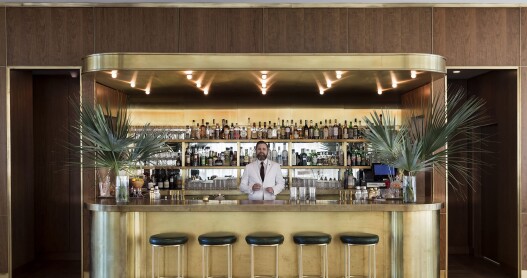
From lobby bars to rooftop lounges, these are the hotel bars Afar editors love checking out when they’re checking in.
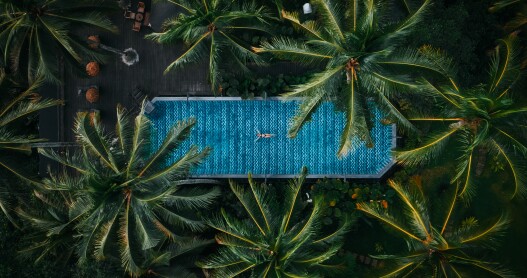
These hotel pools around the globe are worth building a trip around.
AFAR’s picks for the 31 best new hotels in the world.
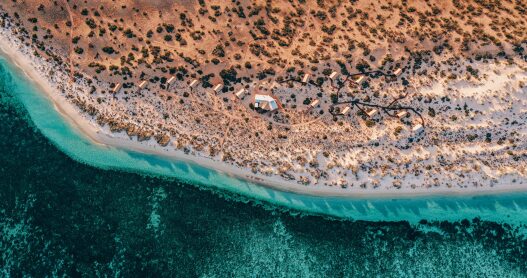
After having been decimated by wildfires in 2020, Southern Ocean Lodge in Australia is back—and it’s better than ever. Here’s a firsthand look at the reimagined retreat.
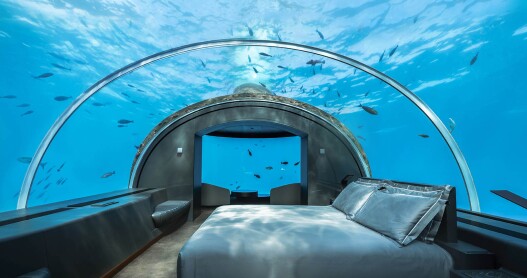
Sleeping with the fishes takes on a whole new meaning at these villas and suites under the sea.
There’s no shortage of luxury lodges, urban retreats, and pretty beach houses in Oz—but these are our favorites, from coast to coast.
Hotels can introduce their guests to the creativity that surrounds them—and reveal canvases visitors may not otherwise see.
Whether you’re after a view of Sydney Harbor or a neighborhood hangout with one of the best restaurants in town, these are the 15 best hotels in Sydney.
RESOURCES TO HELP PLAN YOUR TRIP
The second-oldest museum in Australia, this is where you’ll learn about Tasmania’s Aboriginal heritage, its history since settlement and the island’s wildlife. There’s also a collection of Tasmanian colonial art. A spectacular redevelopment in 2013 opened up new public and exhibition spaces, making this an unmissable stop on any Hobart cultural tour. Admission is free, and there are free 40-minute guided tours Wednesdays through Saturdays.

A bright space in Darwin’s Parap neighborhood, Nomad Art Gallery emphasizes limited-edition prints and collections produced by contemporary Australian Artists as well as Aboriginal art centers around Northern Australia. The focal point is cross-cultural collaborations between artists and master painters and etchers. In addition to the prints shown in exhibitions and sold online and through the shop, visitors can purchase textiles, books, and small sculptures.
Lyons Cottage, built in 1925 on the corner of Knuckey Street and the Esplanade, is famous for being the first residence in Darwin built of stone. It originally housed executives from the British Australian Telegraph Company; today it’s a café and gallery run by Aboriginal Bush Traders, a nonprofit community initiative. Visitors can shop for artworks, jewelry, clothing and woven fabrics made by Aboriginal artists and artisans. The garden is a pleasant spot for coffee, tea or lunch under a frangipani tree. The café serves dishes made with indigenous produce, such as bush tomatoes and Kakadu plums. And the building’s history is preserved in a hologram exhibit that tells stories of the Overland Telegraph line, which first linked Australia to the rest of the world in 1872.


Set in a tropical garden in the suburb of Fannie Bay, this superb museum and gallery is the best place to learn all about the art, history and culture of the Top End (the nickname for this northernmost section of the Northern Territory). The excellent collection of indigenous art includes both traditional and contemporary works. One gallery is devoted to the tragic events of Cyclone Tracy, the natural disaster of 1974; another covers the boats of the Pacific Islands. The museum’s most popular exhibit may well be Sweetheart: the stuffed carcass of a five-meter (16-foot) male saltwater crocodile that once terrorized the billabongs (waterways) outside Darwin.

At Read Back you get two for one: a secondhand book shop and an Aboriginal art gallery. The ground floor is packed with shelves holding pre-loved books, CDs and videos, while the gallery upstairs displays works by Aboriginal artists from Darwin and all over the Northern Territory. The knowledgeable owner is passionate about both the paintings and the artists, and the prices are good. There’s also a workspace for the artists upstairs, so you might get to see a work in progress during your visit.

One of Tasmania’s top tourist attractions is the crumbling ruins of a penal colony, now a UNESCO World Heritage Site. Visit the penitentiary, where 60 stone buildings remain, for a sobering glimpse into the brutal lives of the 12,500 convicts incarcerated here between 1830 and 1877. Visitors can also tour the Dockyard and Port Arthur gardens. There’s so much to see that a guided tour is recommended—especially the one that covers paranormal activity. (There’s also a lantern-lit ghost tour, for brave families only.)

A quick bus ride from the city (or a refreshing end to the Bondi to Coogee Coastal Walk), Coogee Pavilion is one of the most happening beach bars in Sydney. The downstairs area is home to a wood-fired pizza oven, oyster bar, juice stall, and kids’ zone with giant Scrabble, pétanque, ping pong, and nautical books, while the breezy rooftop features four different bars, outfitted with love seats and wire-frame stools for taking in the breathtaking bay views. Aussie wines and beers plus fruity cocktails shaken with house-made juice pair with Mediterranean-themed tapas like chargrilled lamb chops and blistered Padrón peppers.
For a glimpse of Sydney‘s high society, visit Vaucluse House, a beautiful villa and garden in the Eastern Suburbs near Watsons Bay. A gothic revival mansion built in 1803, Vaucluse House once belonged to ex-convict Sir Henry Browne Hayes, who was shipped to Australia from England for abducting a banker’s daughter. Some punishment. The mansion also served as the home of writer, explorer, and local dignitary William Charles Wentworth. Once you’re done eyeing the antiques and memorabilia, check out the tropical gardens and settle in for a cup of English breakfast and a warm scone at the well-appointed tearoom. There’s also Milk Beach and the Hermitage Foreshore Track nearby, a gorgeous coastal walk for those looking for a little more adventure.
The cornerstone of the Kensington Street Precinct, at the heart of the funky Chippendale neighborhood, the Old Clare is the storied pub she used to be and so much more. Tonkin Zulaikha Greer Architects built a glass-and-steel walkway between the former Clare Hotel and the neighboring Carlton United Brewery building, both dating to the early 20th century, to create a 62-room boutique hotel that simultaneously feels historic and edgy. Original wood panels and brick walls blend seamlessly into spotted gum floors and nude-colored walls, exemplifying the creative reuse that pervades the Chippendale suburb, an inner-city district of galleries and cafés situated at the crossroads of Glebe, Redfern, Surry Hills, Chinatown, and the Central Business District. The design echoes other landmark Sydney restorations by Tonkin Zulaikha Greer such as the Paddington Reservoir Gardens and Carriageworks, an arts complex located just down the road. The Old Clare also brings two more standout restaurants to Chippendale, including the first Australian venture by Michelin-starred British chef Jason Atherton. Whether guests soak in the egg-shaped tub in their loft room, take a sunrise yoga class on the rooftop pool deck, or sip a “Ginny Hendricks,” a watermelon-dill concoction with bitters and Hendrick’s gin, at the midcentury-modern bar, they’ll have a story to tell. The Old Clare is a tale that keeps getting better.
In the 1850s, a rugged hill overlooking Sydney Harbour was capped with the Sydney Observatory at the behest of English astronomer and clergyman William Scott. What started as a sandstone structure used primarily for time-keeping and navigation developed into an observatory that has been illuminating the southern sky for more than a century. Sydney has much more light pollution today, but the original retractable copper dome does a good job of blocking it out to bring distant constellations and nebulae into view. The resident astronomer will target planets such as Jupiter and Saturn as well as only-in-the-southern-hemisphere sights such as the Southern Cross constellation or the astronomer’s favorite: Jewel Box, a rare cluster of glimmering stars whose different colors reflect distinct ages.