Costa Rica

Costa Rica is a small Central American nation that shelters nearly six percent of the world’s biodiversity. Expect to see gorgeous orchids, colorful birds and butterflies, howler monkeys, and maybe even the elusive margay, a spotted nocturnal cat that lives in the rain forest. In addition to natural beauty, there’s a lot to love about a place that hasn’t had an army since 1949. Costa Rica’s Ticos (as locals are called) have managed to avoid the conflicts that have devastated neighboring nations.

Costa-rica-KatieOrlinsky.jpg

Photo by Katie Orlinsky

Overview

Can’t miss things to do in Costa Rica

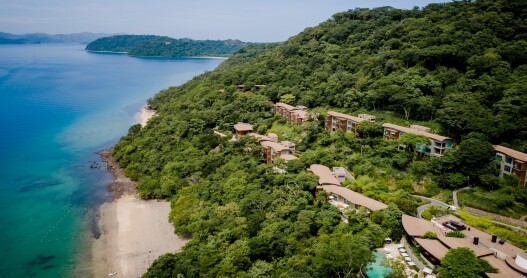
Most visitors come to Costa Rica for nature. Twenty-five percent of the country is protected, and most natural areas are easily accessible, though some require going off the beaten path. There are 186 areas protected by the National Conservation Areas System, including 32 national parks and 51 wildlife refuges. More than 10 conservation areas are within reach of San José, the country’s capital, alone, and each offers a different nature experience. From the last remaining tropical wet forests in the Mesoamerican Pacific, located in Corcovado National Park, to the stalagmite- and stalactite-filled caves of Tempisque Conservation Area, travelers can see a variety of habitats in one trip. As for accommodations, there are plenty of options for roughing it, but Costa Rica also features upscale resorts where you can retreat and recharge after a day outside.

Food and drink to try in Costa Rica

Local food is a way of life in Costa Rica. Corn, beans, and root vegetables are grown here and find their place on most Tico tables. Start the day with locally produced coffee, served alongside such Costa Rican fruits as pineapple, cashew fruit, and sapote. Don’t be surprised by the heaping portions of gallo pinto, a rice and bean dish served any time of day. At breakfast, it’s usually accompanied by an egg, tortilla, and thick slice of farmers’ cheese. Plantains and meat often join gallo pinto at lunch and dinner. Costa Rican food is not spicy; if you need an extra pop of flavor, splash a dash of the local favorite Lizano Sauce (akin to HP Sauce) on your meal.

Culture in Costa Rica

Costa Rica is an anomaly in Central America. Like its neighbors, the country traces its cultural heritage back to indigenous groups that occupied the land before the Spanish colonial period, but its modern history is quite distinct. Political choices to embrace democracy, abolish the national army, and protect rather than develop its natural assets have put the country in an economic and social position in which the quality of life here generally exceeds that of most Central American countries. Costa Rica has repeatedly been designated among the happiest countries in the world by international development researchers. Visitors come from around the world to discover the secret of pura vida, or pure life.

Shopping

Unlike most of its Central American neighbors—most notably Guatemala, which offers one of the region’s largest markets, Chichicastenango—Costa Rica does not have a thriving handicraft culture. However, there are a few Costa Rican goods worth taking home—such as hammocks, jewelry made of fruit and tree seeds, and non-perishable food products like homegrown coffee and the popular Lizano Sauce. In Costa Rica, your money is best spent on epic experiences, from hiking and zip-lining to exploring caves and active volcanoes. Those memories will last longer than any souvenir.

Practical Information

  • Costa Rica has several international airports. Most visitors fly into San José, the capital, or Liberia.
  • Costa Rica’s official language is Spanish, and the currency is the colón. Credit cards are widely accepted.
  • When you leave the country, you will be required to pay a U.S. $29 departure or exit tax; many airlines include the fee in their ticket prices.
  • Voltage and plugs are the same as in the United States.

Guide Editor

Julie Schwietert Collazo has been a bilingual freelance writer, editor, and translator for the past 10 years and loves (almost) every minute of it, but tells people if she could have any other job, it would be a gig as a Mexico City evangelist. The Mexican capital is her former home and the first place she always wants to go when she gets on a plane. Read more at collazoprojects.com and Cuaderno Inedito.

READ BEFORE YOU GO
HOTELS
Waldorf Astoria opens in Costa Rica with rainforest views, spa rituals centered on Indigenous healing practices, and ambitious sustainability goals—while navigating the scale of a nearly 200-room property.
Occupying a peaceful corner of Costa Rica’s biodiverse Peninsula Papagayo, the new Nekajui, a Ritz-Carlton Reserve, lets travelers commune deeply with nature and local culture.
If health is the new wealth, then Blue Zones travel offers one of the most immersive get-rich-quick schemes on Earth. Afar takes a closer look at a program at Andaz Costa Rica at Peninsula Papagayo.
At these rental properties around the world, you can commune with wildlife and farm animals.
The best way to embrace the country’s pura vida is by staying in one of these nature-surrounded rental properties.
From the Swiss Alps to the Brazilian rain forest, these Airbnbs are worth booking just for the views.
The world’s best beach resorts put cultural and environmental preservation front and center.
Located on the green Osa Peninsula, this resort offers a comfortable base for nature-filled adventures.
RESOURCES TO HELP PLAN YOUR TRIP
Spend your days in Costa Rica going from national parks to open air restaurants. Along with some of the best rice and beans in Latin America—they show up at breakfast, lunch, and dinner—there’s plenty of seafood and other proteins. Local ingredients include seafood, corn, beans, and root vegetables so you’ll see a lot of them on Tico tables. And the culinary scene is expanding quickly so expect flavors from Asia and Europe in the mix too.
Costa Rica isn’t known as a shopping destination but there are some excellent gift shops and galleries around the country. Don’t miss the Central Market in San Jose or farmers markets in smaller towns. You can think of the fresh fruit you buy as your souvenir of the day.
The beaches and inland regions of Costa Rica’s Guanacaste province are known not only for their jaw-dropping natural beauty and wildlife, but also for their delicious eats, laid-back nightlife, myriad outdoor adventures, and surprisingly good shopping. Here are some of the many reasons this stretch along the Pacific Ocean is known as the Gold Coast.
From beers at open air bars in beach towns to craft beers and cocktails on dance floors in San Jose, Costa Rica’s bars serve up good times. There’s plenty of live music to pair with whatever you’re drinking (and plenty of new friends to make among locals and tourists at dance clubs) so go, have fun and enjoy Costa Rica’s spirit of pura vida.
Joy is different in every culture around the globe. Here’s how your passport can be a tool for tapping into that contentment.
eÑe was one of Costa Rica’s first so-called cultural boutiques. Its showroom, in a beautiful Barrio Amón building overlooking the Parque España, is a pleasure for the eyes. Even its sign is stunning: an enormous red “Ñ” against the building’s otherwise gray facade. Inside, the works of more than 60 local designers are artfully displayed—brightly colored must-haves that range from pencils and coffee cups to one-of-a-kind apparel, scarves, handsome leather accessories, posters, framed artworks, and more—and all items cleverly conspire to make consumer decisions tough.
Not far from the white-sand beach within the Four Seasons Costa Rica, Bahia restaurant is the physical and spiritual heart of the resort, with a casual vibe by day and a cozy feel by night, thanks to soft mood lighting and a nightly live band. A wood-fired open kitchen serves a Latin American-inflected, regionally-sourced menu: Try the octopus carpaccio, or the grill menu’s enormous Pacific blue prawns with locally grown heirloom tomatoes and a side of sweet plantains.
For AFAR’s third annual Travelers’ Choice destinations awards, our readers cast more than 100,000 votes to recognize their top places to go. Get ready to hit the road—the world awaits.
This surfer town draws tourists keen to catch a wave, so it’s little wonder that it’s chockablock with folks who want to sell their wares to the visitors. From New Agey shops to a farmers market, there are lots of opportunities to shop and support the local economy. Be sure to bring cash, as many vendors don’t accept plastic.
This low-key hotel in the sleepy town of Nosara is a surfer’s paradise. A two-minute walk through the jungle takes you to Playa Guiones, an idyllic beach with waves year-round. Begin your morning with a surf lesson, or, if you’re a seasoned pro, just rent a board from the hotel’s surf shack. Refuel with avocado toast or a mango, banana, and flaxseed smoothie at the juice bar, which is stocked with organic ingredients from the hotel’s own farm. Before your next surf session, join the staff on a native plant walk, take a Hatha yoga class, or, if your body craves more than a good stretch, book a massage or an energy balancing session at the Healing Centre. From $330. This appeared in the Jan/Feb 2016 issue.