Australia

The land down under may seem like a world away, but it’s a dynamic destination that caters to music lovers and fashionistas, urban adventurers and discerning gastronomes, the nature-intrigued and seasoned outdoors explorers. Now reopen to international travelers, Australia beckons with all that it offers. You may come for the very great barrier reef in Queensland and discover scuba diving led by Indigenous guides; or pair Victoria’s ski scene with its wine scene. Maybe you should consider a longer trip...

Australia7.jpg
Overview

When’s the best time to go to Australia?

It’s hard to find a wrong time to visit Australia. Winter is June to August, when most of Australia hits a low season. This is the time to ski in the Kosciusko National Park or on Victoria’s Mount Hotham. It’s also the best time to visit northern Australia.

Between May and September the Northern Territory, northwestern Australia, and Queensland offer ideal weather. In summer, these areas swelter, either too humid or too hot, inciting some travelers to make a U-turn to more friendly climes down south.

From September to May, southern Australia is at its peak. Every other traveler looking for antipodean escapades arrives at this time of year, but there’s plenty of land to go around. December to February have most Sydneysiders and Melbournians pumping up the air-conditioning, while braver tourists define new tan lines on Bondi and Manly beaches.

How to get around Australia

They don’t call Australia “the land down under” for nothing. It’s a long flight from just about anywhere. And once you’re here, the various must-see destinations are spread over vast distances, so some logistical planning is necessary.

As of 2022, there were nine nonstop inbound flights to Australia from the U.S., stopping in Sydney, Melbourne, Brisbane, or Perth. Interstate flights are easily accomplished via Qantas, Jetstar, Tiger, and Virgin.

To see the whole continent in under a month is a serious undertaking and will involve trains, planes, a few automobiles, boats, and a ferry or two.

A less daunting project would be to take on the East Coast in one trip, spending time in Sydney and Melbourne, exploring Adelaide and the Great Ocean road by car, taking a car-ferry or flight to Tasmania, popping in to Canberra, and jetting up to Queensland for the tropical experience.

Western Australia is simple to navigate by train, car, or tour bus, but don’t even think about going into the outback alone in summer.

The interior outback, known as the Red Center, is best reached by organized tour, available as luxury excursions, adventure operations, backpacker units, and every other imaginable collective. You can take four-wheel-drives off road, but carry water (five liters per day, per person), bring a high-frequency radio transceiver, and be sure to respect Aboriginal sacred land, national park rules, and animal crossings at dusk and dawn. (Neither party comes out well from an on-road clash with a large kangaroo.)

Food and drink to try in Australia

Foreigners’ overused jokey adage to “throw another shrimp on the barbie” no longer sticks. First of all, Australians call them prawns. Second, Australian gastronomy has surpassed the humble barbecue. It remains a happy summer stalwart in backyards across the country, but what happens elsewhere is more interesting. The country’s food scene has been largely overlooked abroad, and for the most part the global food media have shunned Australia’s culinary experience, focusing instead on its cuddly native critters and extraordinary landscapes. It’s also true that the nation’s food culture is really coming of age. What was a less than inspiring restaurant scene just a couple of decades ago has blossomed in recent years. Restaurants such as Attica, Quay, Sepia, and Flower Drum can stand up to the world’s best.

Culture in Australia

The new year kicks off the traditional cycle, and less than a month later the country celebrates Australia Day. Officially it marks the anniversary of the arrival of the British in Sydney on January 26, 1788. Mindful of the original inhabitants of the land, the day is now simply a celebration of being Australian. Folks light the barbecue, play cricket on the beach, and take to the outdoors. Every happy Australian stereotype comes out on one glorious public holiday. Parties don’t come much more mind-blowing than the Sydney Gay and Lesbian Mardi Gras Parade, the biggest of its kind in the world. Go along to cheer on the sequined, feathered, Lycra-wearing ensemble as they celebrate equal rights.

Hippies, rockers, folk fans, indie types, country listeners, jazz groovers: There are festivals across Australia for every sort of music lover. Travel north to Byron Bay to revel in the stunning bushland setting of Splendor in the Grass, and go to Victoria for the Falls Festival, relocated from Tasmania following a two-year pandemic hiatus. See where Keith Urban started his career at the Tamworth Country Music Festival. There’s Tropfest for film lovers, and the Sydney, Melbourne, or Byron Bay Writers Festivals for the more literary.

Local travel tips for Australia

Australia is a wide, stunning, varied land. To travel around it well requires great research and good advice. Locals love nothing better than spouting off about their favorite places, the best eats, the must-nots and must-dos. “Shout” (buy) a local a beer and you’ll get better insider advice than you could from a guidebook, and probably a really good laugh.

READ BEFORE YOU GO
HOTELS
These 19 hotels around the world immerse you in their destinations while carving out space for unhurried time together.
Sure, the beaches and views are great. But these islands excel with sustainable innovation, rich local traditions, and unique accommodations.
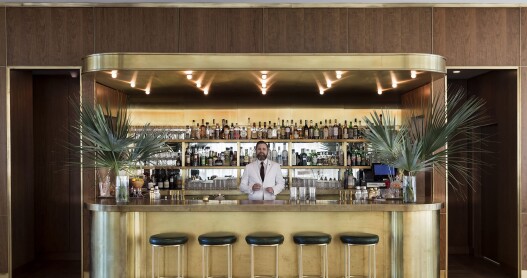
From lobby bars to rooftop lounges, these are the hotel bars Afar editors love checking out when they’re checking in.
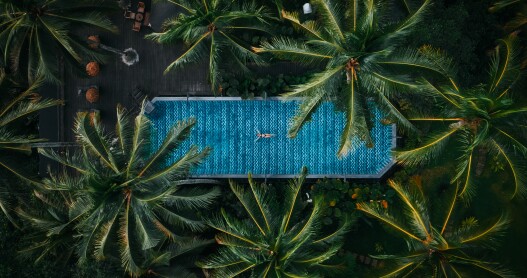
These hotel pools around the globe are worth building a trip around.
AFAR’s picks for the 31 best new hotels in the world.
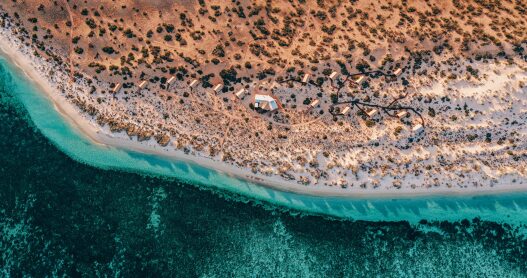
After having been decimated by wildfires in 2020, Southern Ocean Lodge in Australia is back—and it’s better than ever. Here’s a firsthand look at the reimagined retreat.
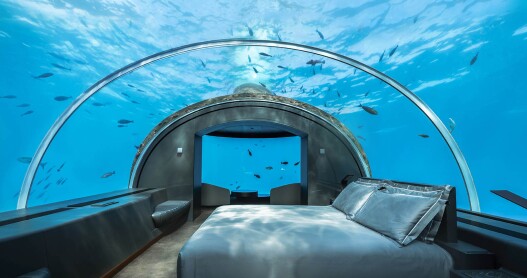
Sleeping with the fishes takes on a whole new meaning at these villas and suites under the sea.
There’s no shortage of luxury lodges, urban retreats, and pretty beach houses in Oz—but these are our favorites, from coast to coast.
Hotels can introduce their guests to the creativity that surrounds them—and reveal canvases visitors may not otherwise see.
Whether you’re after a view of Sydney Harbor or a neighborhood hangout with one of the best restaurants in town, these are the 15 best hotels in Sydney.
RESOURCES TO HELP PLAN YOUR TRIP
This two-level Cantonese palace—connected by an escalator—is lined with tanks of live fish, crustaceans, and bivalves, which the staff will stir-fry, steam, salt-and-pepper, and douse in XO sauce to your heart’s delight. There are many reasons the Chinatown establishment is beloved among in-the-know locals and hospitality veterans, and they extend from the warm, welcoming service all the way through the exquisite live abalone sashimi, mud crab hot pot, and private reserve range of wines. For a Chinese food adventure, arrive late (this place is open until 4 a.m.) and order straight from the live tanks. At least, that’s what the rock stars, politicians, and CBD chefs just getting off work do.
Continental’s downstairs bar—with a marble countertop and chilies, garlic, and aged ham hanging overhead—transports diners to Spain or Portugal. Despite the old-world ambience, however, the menu and staff are young and playful. Pop in for a meatball sub and vermouth at lunch, or enjoy king-crab-stuffed zucchini flowers before moving on to slow-roasted lamb in the upstairs bistro. In either case, complement your meal with something canned—the deli’s specialty— whether it’s the seafood plate of the day or a “Cosmopoli-tin” cocktail. A whole wall of canned and jarred concoctions are also available to take home. In 2018, a second, and larger, outpost of Continental Deli was opened in the CBD.
The most stunning dining room in celebrity chef Neil Perry’s restaurant empire has got to be Rockpool Bar & Grill in Sydney. Seated amid soaring green marble columns and Art Deco windows in a space designed by Emil Sodersten, diners can choose between the finest steaks, seafood, cocktails, and wines—more than 3,000 of them—that Australia has to offer. Dry-aged beef and sustainable fish are simple yet succulent, cooked over an open flame or in the wood-fired rotisserie. Start with the signature Four Raw Tastes of the Sea before savoring the Wagyu or Cape Grim steak, or opt for classy appetizers and cocktails in the candlelit bar, adorned with 2,682 hanging Riedel riesling glasses.
Travelers seeking spacious accommodations in buzzy South Yarra would be wise to choose this MGallery by Sofitel property on shop-lined Chapel Street. The smallest of its 111 guest rooms start at a roomy 410 square feet and feature plush king beds, black-marble bathrooms, and smart TVs, while its largest split-level suites are nearly quadruple in size—one has its own private spa bath and sauna, while another houses a dining table for 10 and a baby grand piano in the living room. The interiors scream personality, with a bold color palette of hot pink, turquoise, and lime green and decorative elements like gray-and-black leaf decals. After a day spent shopping in the nearby boutiques, unwind in the gym and sauna, then chill out in one of the plush lounge chairs on the seasonal rooftop deck or around the indoor pool, which is covered in a retractable glass roof that opens during warm weather.
In the 1920s and 1930s, this heritage-listed property on tree-lined St. Kilda Road was an automobile showroom that sold the ultimate status symbol—the Rolls-Royce. Now it peddles another sort of luxury good: the boutique hotel stay. In the lobby, the Royce Hotel honors its Art Deco past with an arched ceiling in imitation hammered gold and lovingly restored wrought-iron chandeliers, but a zebra rug and curved mirrored walls anchor the design in the present. Some of the property’s 100 rooms and suites feature two levels and soaring bay windows, while others have kitchenettes, spa baths, and balconies with views of the city skyline, but you’ll want to venture out for the contemporary Australian specialties, including grilled steaks prepared from a selection of local grass-fed beef, at the hotel’s chic 100-seat restaurant Dish. Central though it is, there’s no lack of green space nearby: The hotel is situated between the sprawling Royal Botanic Gardens and Fawkner Park, while buzzy South Yarra is just a 15-minute walk away.
Check your traditional hotel notions at the door of this Russell Street lodging. At QT Melbourne, guests are greeted on arrival by cheery Directors of Chaos, who sport the same black wigs, heavy makeup, and bold black-and-white outfits, but the lobby itself makes an equally striking first impression: old-school French hip-hop competes for attention with colorful video installations, a giant stuffed peacock, and a towering wall of 1,700 recycled books. Upstairs, the 188 rooms give off an industrial-chic vibe with concrete-slab ceilings, timber flooring, and bathrooms set behind sliding partitions of aluminum-framed glass.


The hotel’s seemingly never-ending food and drink offerings include the Pascale Bar & Grill, where French bistro influences combine with produce farmed on the rooftop garden; Hot Sauce, for Asian-accented bar food (think steamed baos stuffed with fried chicken and kimchi); and the Cake Shop, for warm pain au chocolat in the morning, plus an array of pastries, cakes, and snacks throughout the day. Families with young children will appreciate the complimentary travel cots and babysitting services (arranged with advance notice).
Since Giles and Julia Fisher bought the Freycinet Marine Farm in Coles Bay, they’ve managed to increase their production from 50,000 oysters annually to 4 million, and have opened an outdoor café that serves fresh seafood to happy diners (and one very fat Labrador, who waits patiently below the picnic tables).
Set on the western side of Circular Quay, the Museum of Contemporary Art Australia (MCA) is the country’s leading institution for modern art. While access to touring international exhibitions from the likes of Tatsuo Miyajima and Annie Leibovitz incurs an entrance fee, the permanent collection of more than 4,000 contemporary works by Australian and Torres Strait Islanders, from Gary Carsley to Lena Yarinkura—plus a rare collection of artist notebooks, music, letters, and sketches—is always free. Come on Wednesday night when the gallery is open until 9 p.m., or for the adults-only Art Bar on the last Friday of the month. The rooftop café offers occasional live music and DJs plus glittering views of the Sydney Opera House and Harbour Bridge after dark.
A lively restaurant, Smolt blends Spanish and Italian traditions with high-quality Tasmanian ingredients—salmon ceviche with piquillo peppers, anyone? Stop by for lunch, pizza or small plates in the afternoon, and pair your food with house-made beer or wine. Then, explore the museums and other attractions in this vibrant part of town.

The second-oldest museum in Australia, this is where you’ll learn about Tasmania’s Aboriginal heritage, its history since settlement and the island’s wildlife. There’s also a collection of Tasmanian colonial art. A spectacular redevelopment in 2013 opened up new public and exhibition spaces, making this an unmissable stop on any Hobart cultural tour. Admission is free, and there are free 40-minute guided tours Wednesdays through Saturdays.