
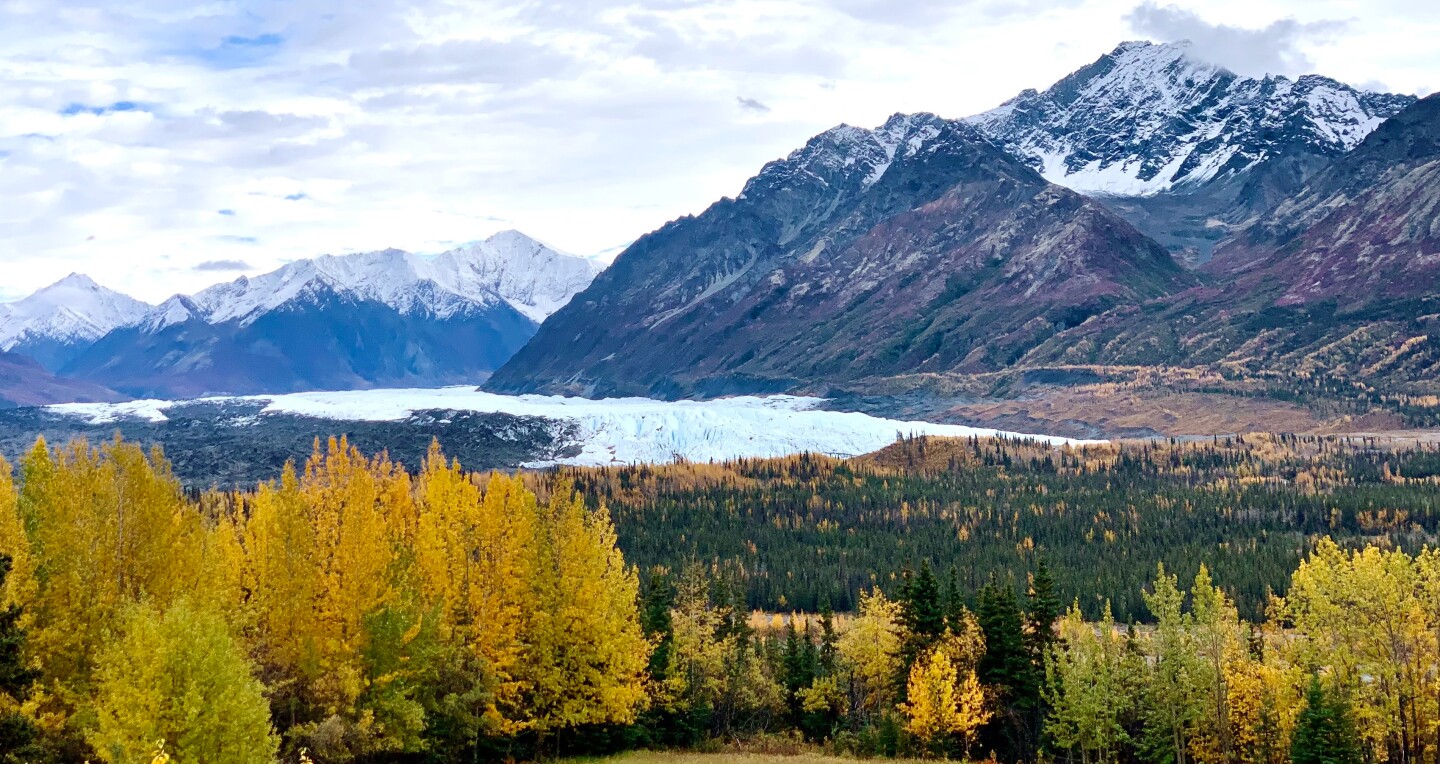
Alaska

No one can appreciate the beauty of the north until they visit: It’s hard to imagine what it’s like to cruise into Seward by boat, to hike through Denali National Park, to stay up long past midnight watching the sun set, or never seeing the sun rise. Because Alaska is America’s largest state--and a huge swath of it is off the road system--you can’t see everything in just a few weeks. Start in Anchorage and explore the newly-renovated and ever-changing Anchorage Museum, then head to the secluded Kenai Fjords or magnificent Chugach National Forest, or down to Homer for one of the state’s best local food scenes. If there’s time, fly to Juneau or drive north to Fairbanks to hike atop a glacier, canoe along a misty river, or find a lodge and just relax.

Alaska, Mountains, Forest, Glacier

Photo by Supriya Kalidas

Overview

Best time to visit Alaska

While most people will suggest you visit Alaska during the summer, the best time to visit really depends on what you want to do. Summertime is great for cruises and wildlife watching, but if you want to catch the Northern Lights, a trip between September and April is better. Read the full story.

How to get around Alaska

Most flights arrive at Ted Stevens International Airport in Anchorage, while cruises tend to dock in Seward on the Kenai peninsula. The best option to get around Southcentral Alaska or the sections of Interior Alaska that are on the road system is to rent a car or RV. If Southeast Alaska is your area of choice, travel by ferry or, as most visitors to the state do, cruise ship.

Can’t miss things to do in Alaska

Your Alaskan experience will depend hugely on the time of year you visit. Summer sees cyclists touring the Kenai Peninsula as bald eagles fly overhead, and, when necessary, stopping for moose; hikers trekking Juneau’s luminous, baby-blue Mendenhall Glacier; cruise ships exploring the awe-inspiring Tracy Arm Fjord; and kayakers pushing between unspoiled mountains surrounding Prince William Sound. But Alaska in winter is a whole other story. Then, you can fly down Alyeska’s gargantuan ski slopes, cozy up in a secluded lodge, watching the heavenly northern lights flicker outside your window, or adventure into the backcountry by helicopter or skis. Whether you rough it by the campfire or book a few nights in a comfortable, warm lodge, there are accommodations for every type of traveler.

Food and drink to try in Alaska

Alaska has long been known for its seafood but the state’s food reputation is growing. But the tourism-season traditional hearty Alaskan meals are still here too: with giant pancakes and cinammon rolls the size of your head. Plenty of coffee too. At breakfast, try the state’s famous gourmet reindeer sausages seasoned with white pepper and coriander, or crab cakes doused in creamy Benedict sauce. Get every sandwich on sourdough bread, a historic staple. For dinner, indulge in fresh Pacific fish, such as pan-seared cod, smoked salmon, or fresh halibut cheeks sprinkled with lemon and cilantro.

Culture in Alaska

Any thought of Alaska should start with the Native groups that were here long before America was even an idea. To truly understand Alaska, immerse yourself in Native culture at every turn. From touring what’s on view of the the massive art collection at the Anchorage Museum or the University of Fairbanks Museum of the North to watching traditional dances at the Alaska Native Heritage Center, or shopping for crafts made by the modern-day artists keeping Native arts alive, you can see how hard people are working to not only keep their cultures alive but help them thrive. Then take a dive into ways the cultures have changed with the arrival of Russians, Americans, and other groups. But there’s also just plenty of small town America culture here, always with a distinctly Alaskan twist.

Guide Editor

READ BEFORE YOU GO
HOTELS
Enjoy the healing benefits of the natural thermal waters at these 9 restorative resorts.
With their firepits and comfort-minded interiors, these are the best hideaways where you can embrace the chill this season.
This winter, snuggle up in one of these insanely cozy bubbles, pods, cabins, and geodesic domes.
Whether you’re looking to chase the Northern Lights, try your hand at fly fishing, or unwind in a spa surrounded by nature, these are the best places to stay in Alaska for an adventure in the great outdoors.
Take glamping to a whole new level at one of these bubble hotels and vacation rentals, many with see-through roofs for stargazing.
RESOURCES TO HELP PLAN YOUR TRIP
Each year, six million–acre Denali National Park and Preserve gets roughly 400,000 visitors, who come in hopes of spotting the park’s own version of the Big Five (grizzly bears, moose, caribou, wolves, and flocks of Dall sheep) and to take in majestic views of the highest mountain peak in the country. Only a fraction of that number, however, escape the crowds and tour buses to make their way to the tail end of the 92-mile-long Park Road, which winds deep into the heart of Denali’s rugged backcountry to the old gold town of Kantishna. Those who do are rewarded at this all-inclusive vacation resort with 42 rustic cedar cabins, some of which have private decks facing secluded Moose Creek. (All come equipped with private indoor bathrooms and heaters, welcome treats in these parts). Activities range from morning yoga classes and gold panning to guided hikes and mountain biking excursions. After an invigorating day outdoors, guests can pamper themselves in the new spa, which offers treatments like Swedish massage with hot stone therapy.
Far from Juneau’s cruise crowd, this secluded oasis is popular with honeymooners—and the appeal is clear. Situated inside Tongass National Forest, its 10 rooms and suites come furnished with cozy fireplaces, while two offer a private balcony overlooking a small glacial kettle pond. The serenity extends to the inn’s rain-forest garden, dotted with a wooden footbridge, three gazebos, a sauna, and two hot tubs surrounded by lush Sitka spruce and hemlock trees. Those looking to experience local floes don’t have to venture far. It’s a mere eight-minute drive to the Mendenhall Glacier Visitor Center. Expect phenomenal views of the 13-mile-long river of ice and the lofty peaks of Southeast Alaska’s Coast Mountains, along with miles of hiking trails that meander past cascading waterfalls and salmon streams.
Dreaming of chasing fresh, untrammeled powder? Then Tsaina Lodge, widely regarded as the birthplace of the Alaskan freeskiing scene, is for you. Its location on Thompson Pass, a gap in the Chugach Mountains known for its record-setting snowfalls (averaging over 700 inches a year), and dramatic slopes combine for epic heli-ski exploits on runs that average a steep 3,500 feet. Come summer, the repertoire of helicopter-assisted adventure excursions widens: Fly out to fish, hike, or glacier trek the seemingly limitless surroundings. Après-activity luxuries await back at the lodge, which is situated on the grounds of what had once been an avalanche-safe roadhouse, built in 1949. The dilapidated building was bulldozed and rebuilt in 2012, and the result is a boutique hotel that stands out for its modern, contemporary design. Floor-to-ceiling windows look out onto either glacier or forest from each of the 24 rooms, and there’s a gym, yoga space, and spa—along with a fine-dining restaurant with a focus on local seafood, meat, and game, and the reopened Tsaina Bar, legendary among early freeskiiers.
Guests at Ultima Thule can rest assured they’re in good hands: The lodge is run by the intrepid Claus family, particularly Paul Claus, the legendary bush pilot and adventurer who is known as much for his skilled glacier landings as his mountaineering exploits (he’s gone as far as Everest and as close to home as nearby Mount St. Elias). Hand-hewn logs from the original cabin built by Paul’s father, John Claus, still form a wing of the main lodge, though much has been added to create the world-class resort. There are now five private cabins outfitted with Craftsman furniture, plush featherbeds and bearskin rugs; a wood-fired sauna; and a large vegetable garden whose harvest—along with local game and fish—forms the foundation of many of the meals. But the real appeal here lies in the unscripted adventure excursions, some led by Paul himself in a two-seater Super Cub, which may take guests from exploring an abandoned gold mine one moment to viewing herds of Dall sheep roaming across vast Wrangell–St. Elias National Park the next.
In 1964, a 9.2-magnitude earthquake—the second most powerful ever recorded—ripped through the south coast of Alaska, devastating much of downtown Anchorage. After surveying the damage, real-estate developer Walter J. Hickel, who would later go on to serve two terms as the state’s governor, vowed to build Alaska’s biggest and best hotel. The result, a massive 546-room complex spread out over three towers, is still the city’s most luxurious, known for its attentive concierge, excellent athletic club, and wealth of dining options. The elegant Crow’s Nest restaurant offers dishes that incorporate French technique with regional ingredients, like king crab–studded bouillabaisse, along with a 10,000-bottle wine collection; on a clear day, 360-degree views include the iconic peaks of Denali. One more reason to visit: The property was inducted as a member of the Historic Hotels of America in 2016.
Owned and operated by the same family and situated about a mile apart from each other, Camp Denali and North Face Lodge are more than deserving of bragging rights: They’re part of less than a handful of accommodations inside Denali National Park and Preserve with prime views of America’s highest peak. But the properties—and amenities—differ. Each of Camp Denali’s 18 cabins offers an authentic, close-to-the-land experience: Propane lamps provide light, a wooden stove gives off heat, drinking water comes from an outdoor spigot, and a short path leads to an outhouse. For guests who prefer more creature comforts after a day taking in the rugged outdoors, North Face Lodge’s guest rooms all have electricity and private bathrooms. Locally sourced meals are served in a cozy wood-clad dining room, and a common sitting room oozes charm and conviviality with leather sofas surrounding a stone hearth fireplace, where you can choose a book from the stacks of shelves or share tales of your into-the-wild adventures with fellow guests.
Situated just 40 miles from downtown Anchorage and the Ted Stevens Anchorage International Airport, this year-round resort feels worlds away, set deep in a glacier-carved valley off scenic Seward Highway. With 304 rooms and a dizzying number of amenities, it also feels like a world unto itself. There are eight dining and drinking options, a fitness center, a heated saltwater lap pool with mountain views, and a spa that provides Arctic mud facials. But guests come to Alaska to commune with the great outdoors, and Alyeska offers its fair share of world-class experiences, including the longest continuous double-black-diamond ski run in North America and more than 1,600 acres of skiable terrain. The staff can arrange excursions that range from heli-skiing and dogsledding tours in winter to naturalist-led walks and glacier cruises in summer. For breathtaking panoramic views, the resort even has its own 60-passenger aerial tram for whisking guests straight from the hotel up 2,300 feet to the top of Mount Alyeska.
Outdoor and culinary adventurers alike are drawn to this 11-acre property situated at the entrance of a stunning seven-mile fjord in Kachemak Bay. Guests can kayak through hidden coves to glimpse otters and porpoises, hike past alpine meadows, or deep-sea fish for salmon. But where Tutka Bay really separates itself from other Alaskan lodgings is in its culinary offerings. Visitors dig for steamer clams or stop by a local oyster farm for their evening’s feast, and continue the hands-on approach with lessons in the resort’s one-of-a-kind cooking school, housed in a repurposed crabbing boat. The focus ranges from Kachemak Bay cuisine to global influences, prepared with regional seafood and homegrown vegetables. After dinner, you’ll retire to one of six comfortably furnished oceanfront cabins, the most exclusive of which has three bedrooms and is surrounded by old-growth Sitka spruce trees.
Without any roads for at least 100 miles in any direction, Iniakuk Lake Wilderness Lodge is so remote that getting to Fairbanks is only the start of it. Reaching the fly-in-only property, which has three bedrooms and one suite, involves two more flights, the last leg a floatplane to serene Iniakuk Lake, some 60 miles north of the Arctic Circle. Not secluded enough? Guests can opt for two even more far-flung cabins—both situated deep in Gates of the Arctic National Park, and both involving yet another flight. Whichever option you choose, jaw-droppingly-gorgeous nature awaits, from sand- and gravel-lined beaches for tranquil strolls to vast open tundra for watching hundreds of migrating caribou, all with the immense peaks of the Brooks Range as a majestic backdrop. All-inclusive tours also include personalized guided adventure excursions that may range from dogsledding through winding river valleys to overhead flight-fishing (which is as amazing as it sounds) for arctic char.
Just a 45-minute floatplane ride from Anchorage along the banks of the Talachulitna River and Judd Lake, this multistructure resort combines a six-room flagship lodge, which was renovated in 2017, with a lakeside bar and dining room (and 500-bottle wine cellar); a private four-room lodge; and two smaller individual cabins, all with views of either the Alaska or Tordrillo ranges. But guests don’t come here to just ogle the mountains—they take them on. With Olympic gold medalist Tommy Moe and Alaska heli-ski pioneer Mike Overcast behind the resort, plus access to 1.2 million acres of untrammeled terrain with runs that top out at 7,500 feet, world-class heli-ski adventures are practically guaranteed. And an exclusive partnership with Winterlake, another notable resort nearby, allows guests to heli-ski even further north into the Tordrillo Range and Neacola Mountains.