Tahiti

Tahiti is the largest island in the Islands of Tahiti archipelago in the South Pacific, commonly known as French Polynesia. Whether snorkeling a turquoise lagoon or surfing a black-sand beach, hiking to a waterfall or just to your hammock, or marveling at the colors of Papeete Market or at the agility of traditional dancers, it offers a mix of culture, adventure, and indulgence. Lodging is more affordable in Tahiti than on her sister islands, and you won’t need to arrange onward transport. But just because the island is convenient—an eight-hour direct flight from L.A.—doesn’t make it any less alluring as a destination itself.

Houses above the water with a large rocky mountain in the distance
Overview

When’s the best time to go to Tahiti?

Tahiti is really a year-round destination. If you had to choose, the absolute ideal months to visit are during the May to October “dry season,” when the weather is slightly cooler and there is less rain. That said, traveling between November and March can offer better rates. Although technically the “wet season,” the weather is usually still good: You will likely get periods of rain, but also plenty of blue sky. Expect higher humidity, though.

How to get around Tahiti

Faaa is the only international airport among the Islands of Tahiti. It is located on Tahiti itself, just a few miles west of the capital city, Papeete. Flight time from Los Angeles is only eight hours and the islands are in the same time zone as Hawaii, meaning there’s only two or three hours difference (depending on time of year) with the U.S. West Coast. (This makes jetlag much less of an issue than traveling somewhere like Fiji, where you will cross the international dateline.) Once on the ground, it is very easy to circle the island by rental car—there is just one main road and it hugs the coastline. Note there are no formal street addresses in Tahiti. Instead, locations are identified by PK (points kilometriques), which represent the distance in kilometers from Papeete cathedral.

Can’t miss things to do in Tahiti

- Tahiti underwater is sublime, so make sure to go snorkeling or diving.
- Try surfing, too—it was invented in Polynesia, possibly in Tahiti.
- If you’re by the beach, stay at least a couple of nights in an overwater bungalow if you can.
- Away from the sea, catch a Tahitian dance performance at a luxury hotel—it’s mesmerizing.

Food and drink to try in Tahiti

Fresh fish and seafood is a staple in Polynesia. The national dish is poisson cru, freshly caught raw fish (usually tuna) with diced vegetables marinated in lime and soaked in coconut milk. It is absolutely delicious and can be served with rice. Chevrettes are another popular Tahitian delicacy. These are freshwater shrimp often grilled or cooked in a French-influenced butter sauce.

Culture in Tahiti

Music and dance have long been an integral part of Tahitian life, and today learning the traditional dances is as popular with locals as tourists, who fill the many schools in Papeete. There are four main styles of dance in French Polynesia, and many hotels offer performances with dinner at least once a week. But to really experience the best of Tahitian dance, visit during Heiva I Tahiti: a major festival of traditional Polynesian culture that takes place for a week each July in Papeete and includes music, dancing, singing, and sports. Another large and important festival is the Billabong Tahiti Pro Surfing Tournament, which is an international, professional-level surfing contest held at Teahupo’o in Tahiti Iti over three days each May.

For Families

Tahiti is a great destination for families, especially if traveling from the West Coast. With the island just an easy eight-hour direct flight from Los Angeles and on the same time zone as Hawaii, it doesn’t take little ones long to adjust. Many resorts have kids clubs and are specifically geared towards families. And with adventures from snorkeling to waterfall hikes, there is plenty to do.

Local travel tips for Tahiti

Stay in a family-owned pension or Tahitian B&B to truly experience Tahitian life and culture. Spend your morning fishing with the locals, then take your fresh catch to the nearest motu (like a kind of mini island) for a picnic to remember.

Nearly every activity can be booked through your hotel, pension, or guesthouse upon arrival.

The tattoo art form was invented in Polynesia (or, at least, that’s where Europeans first enountered it), and today many Polynesians sport beautiful works of art as symbols of their personal identities.

Guide Editor

READ BEFORE YOU GO
HOTELS
The world’s best beach resorts put cultural and environmental preservation front and center.
While a stay in the famously lavish resorts of Tahiti and Bora Bora may be a dream vacation for many, the local guesthouses offer travelers a deeper look into Polynesian culture and life.
RESOURCES TO HELP PLAN YOUR TRIP
French Polynesia encompasses 118 islands and atolls scattered across five different archipelagoes. Here are five to consider for your first or next trip.
Croissants with café au lait, French wine and cheese, museum hopping, and strolling endless Paris streets are (suddenly) calling our name.
For a truly special and elegant dining experience, book dinner at K. The restaurant, on the grounds of the Sofitel la Ora Beach Resort, is set under a cathedral ceiling made from wood from the Tuamotus, from which crystal chandeliers dangle. The tables are draped in white linen and decorated with shells and driftwood. Candles create a romantic glow and the floor is sand. Dinner is a 3-, 5-, or 7-course tasting menu by renowned Chef Guillaume Burlion, and the house has a superb vintage wine list that sommelier Fabrice Jarry is happy to help pair. For an even more romantic option, have dinner set up at a private table on the beach.
Epic might be an understated description for this collection of thatched-roof bungalows built on stilts over the crystalline waters of the Bora Bora lagoon. This luxury resort is nestled in the dreamiest of settings—wooden walkways link palm-dotted islets fringed with white sand, while the craggy green peaks of Mount Otemanu loom in the distance. Guests can alternate between the beach and the infinity pool, lined with oversized cabanas, or sample activities like stand-up-paddleboard yoga, shark feeding, and snorkeling with the resident marine biologist. Also on offer is a luxurious spa, offering an extensive menu of treatments based on native ingredients like monoï and vanilla. As for the bungalows, Polynesian touches pepper the chic, honey-hued interiors, while indulgent soaking tubs sit beneath shuttered picture windows that open onto the sea. Large decks with swoon-worthy views have stepladders down to the water—a good way to test out the provided snorkeling gear. Airy beachfront villas are also available for those who prefer to stay on land.
Encompassing 35 private villas on the Motu Onetahi coast of Marlon Brando’s very own French Polynesian island, Tetiaroa, The Brando is arguably the most luxurious place to stay in the entire South Pacific country. All of the villas at this all-inclusive resort have their own private pools along with direct beach access, and there’s a gorgeous spa offering a range of healing modalities, including traditional Polynesian taurumi massage. For those who want to add a bit of activity to their stay, there’s plenty to do on the island and in its surrounding waters, from snorkeling and scuba diving to discovering the flora and fauna of the surrounding landscape under the tutelage of a research scientist. Travelers with an interest in Polynesian culture may also want to try their hand at the traditional outrigger canoe, perhaps taking a trip out to one of the surrounding private islets that share an atoll with the Brando.
Hôtel Fenua Mata’i’oa is a low-key boutique hotel with five individually decorated suites, each with a funky mix of handicrafts and loudly patterned artwork and upholstery. As one of the smaller options on the island, the property feels more like a guesthouse than a proper hotel, but it still features comforts such as a full bar and restaurant, private island dining experiences, and lomilomi massages. The hotel also offers a number of Tahitian cultural experiences, including traditional crafts and private Polynesian dance lessons. The proceeds of both activities go to help support a local NGO. Traditional Tahitian dance and music performances can also be arranged. And for guests who really want an immersive experience, Fenua Mata’i’oa offers traditional Polynesian wedding ceremonies, staged right on the hotel’s verdant grounds.
Located on a gorgeous, very private stretch of black-sand beach, Tahiti Pearl Beach Resort offers affordable, modern rooms, many of which feature spacious layouts, private Jacuzzis, and ocean views. Guests can also look forward a massive infinity pool, a luxurious spa, and meticulously maintained grounds, complete with fresh flowers and lush grass. The onsite Hita Mahana Restaurant and Bay Bar are outdoors but covered, offering sweeping views of the sunset across the ocean to Moorea. Note: This resort is very close to the airport so it’s ideal for those arriving late at night or leaving early in the morning.
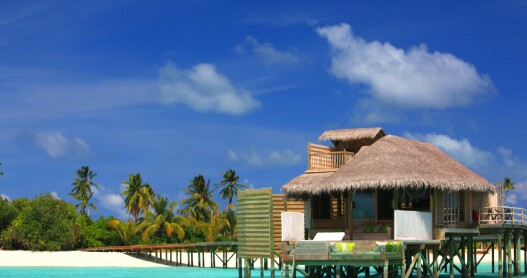
Tahiti invented the concept of the overwater bungalow so, when visiting, you’re almost compelled to stay in one. The island’s top luxury resort, the InterContinental, offers 32 surprisingly affordable options, plus a few hundred rooms in three beachside buildings, two infinity pools, a swim-up bar, a private beach, and a lovely spa. Modeled after traditional Polynesian fare houses, the bungalows reach out over the lagoon and include roofs woven from pandanus leaves, private jetties that provide direct access to the water, and terraces ideal for watching the sunset. When hunger strikes, head to the onsite Tiare Restaurant, which features an open kitchen and nightly Tahitian dance performances, or Le Lotus, which is set in an overwater building and gives off a romantic vibe with live piano, gorgeous views, and French cuisine. The resort is also home to the Tiki Bar, a favorite local watering hole that serves cocktails in coconuts.
The tattoo art form was invented in the Islands of Tahiti, and today many Polynesians sport beautiful work of art tattoos as symbols of their personal identities. If you’d like to remember your trip with a tattoo of your own, there are many options on Tahiti. In Papeete, pay a visit to Manao Tattoo. The artists here offer a number of traditional Polynesian patterns as well as creative original designs.
Restaurant l’O à la Bouche has better-than-usual seafood—try the papio (small amberjack) cooked with fruit. The joint’s not much on ambiance or views, but it’s run by a chef who cares and who can offer a delicious taste of both French and Polynesian worlds.