Singapore

The heat is on in The Lion City, a tropical city-state at the heart of Southeast Asia that punches above its weight in arts, entertainment, nature, and the twin Singaporean obsessions: world-class food and shopping. In recent years, the Little Red Dot has transformed itself from a sterile layover stop into a vibrant global metropolis that is a destination in its own right. Craving glitzy hotels and air-conditioned super-malls? Singapore has these developments in spades. But don’t overlook the hawker centers and shophouses, temples and jungle trails that remain the heart and soul of this cultural melting pot.

A row of colorful shophouses (yellow, blue, red, and white) on a quiet street with no cars in Singapore

Jessie Beck

Overview

When’s the best time to go to Singapore?

The climate in Singapore, just north of the equator, remains fairly constant at 85 degrees with high humidity and a chance of showers. It rains slightly more than average between November and January, and slightly less from May to July. Rain clouds tend to swoop in quickly, unleash a torrent, and then clear out again—so it’s quite common to switch between sunglasses and an umbrella multiple times throughout any given day. It takes time to adjust to the high humidity, so walk at a leisurely pace and drink plenty of water. The temperature doesn’t change much when the sun goes down, but you may need a light sweater or shawl to insulate yourself against the Singaporean tendency to over-air-condition indoor spaces.

How to get around Singapore

Singapore’s Changi Airport is a world-class transportation hub and a great introduction to the efficiency, cleanliness, and quirky charm that you can expect from the rest of the city. From the airport, it takes about an hour to get downtown by either bus or MRT (subway), either of which is a cost-effective option. A taxi will take 25 minutes and cost around SGD30. It is also possible to reach the city by train, bus, or car from Malaysia and farther north.

Singapore’s compact downtown core is very walkable, and the city offers excellent public transport links. If you have a smartphone with a data plan, you can use Google Maps to plan your route on public transportation. The “SG Buses” app will let you know how many minutes you have to wait at the stop for your bus. Taxis are also plentiful and inexpensive. Flag them down in the street or at designated taxi stands in the city center. There’s no need to worry about getting ripped off—taxi uncles (and aunties) are friendly, meters are always used, and tipping is not necessary.

Can’t miss things to do in Singapore

On a clear evening, check out the 360-degree views around Marina Bay from 63 floors up at the city’s highest rooftop bar, 1 Altitude. After 6pm there’s a cover charge, which gets you one standard mixed drink. It’s a great spot for a sunset cocktail or a late-night dance party. Note that there is a smart casual dress code—no flip-flops. After 10pm, there’s an age limit of 21 for women and 25 for men.

Food and drink to try in Singapore

It’s no secret: Singaporeans love to eat. Virtually every cuisine on the planet is available here, whether it’s whipped up by celebrity chefs or by hawker stall uncles who are local celebrities with loyal followings. Some of Singapore’s most popular dishes, which are easy to find everywhere, include chicken rice, chili crab, and kaya (a thick, sweet coconut jam spread on toast). So don’t hold back! Bring your appetite and your sense of adventure as you sip, slurp, and munch your way through this foodie wonderland.

Culture in Singapore

Some families have been here for many generations, but the primary immigrant populations in Singapore hail from China, Malaysia, and India. The culture on the island is a blend of these diverse influences with some English colonial flavor thrown in for good measure. Get a feel for some of Singapore’s distinct cultural personalities in Chinatown, Little India, Arab Street, and Katong.

In a land with subtle seasons, the passage of time in Singapore is marked by colorful festivals, parades, and special treats. Chinese New Year, the country’s biggest holiday, brings lion dances, loud drums, and elaborate meals. In August, National Day celebrates Singapore’s independence with fireworks, military parades, and flyovers. During the Mid-Autumn Festival, Chinatown is festooned with colorful lanterns, and Singaporeans give gifts of moon cakes filled with sweet bean paste and a salted egg yolk.

Local travel tips for Singapore

There are many urban legends about Singapore’s strict laws and the authorities’ tendency to cane anyone who breaches the rules. You may have heard about an explicit ban on chewing gum, among other things. In general, however, a bit of common sense will keep you safe. As everywhere, don’t litter or vandalize property, and don’t start fights with the local police, and you will be absolutely fine.

Practical Information

- Most Singaporeans can speak two languages, with English usually being one of the two. The other: Mandarin, Malay, and Tamil. But you’ll hear many other languages around Singapore including Cantonese and other Chinese languages.
- The currency is the Singapore dollar.
- Singapore’s standard voltage is 230 V and the standard frequency is 50 Hz. Bring a type G converter (one with three rectangular blades, not round pins) if you want to plug things in.

Guide Editor

READ BEFORE YOU GO
HOTELS
The new Mandai Rainforest Resort by Banyan Tree in Singapore blends wellness, biophilic architecture, and conservation to help guests reconnect with nature.
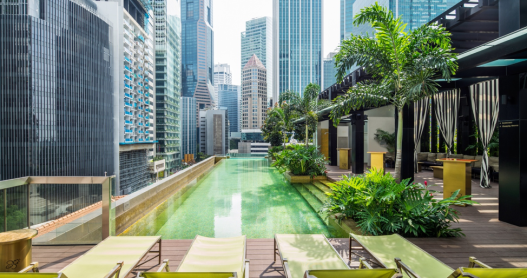
From refurbished heritage shophouses to green indoor garden concepts, these are the best hotels in Singapore.
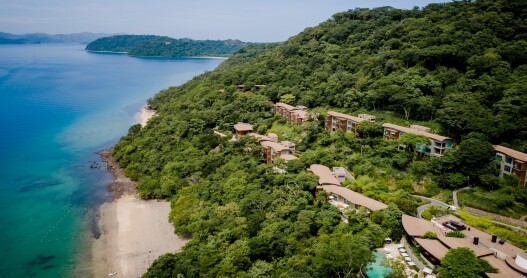
If health is the new wealth, then Blue Zones travel offers one of the most immersive get-rich-quick schemes on Earth. Afar takes a closer look at a program at Andaz Costa Rica at Peninsula Papagayo.
AFAR’s picks for the 31 best new hotels in the world.
Sleeping with the fishes takes on a whole new meaning at these villas and suites under the sea.
From shopping sprees in Singapore to thumping clubs in Berlin, the world is full of cool cities that move to the pulse of pop culture. Staying at the right hotel is one way to find the hippest places to eat, shop, and play.
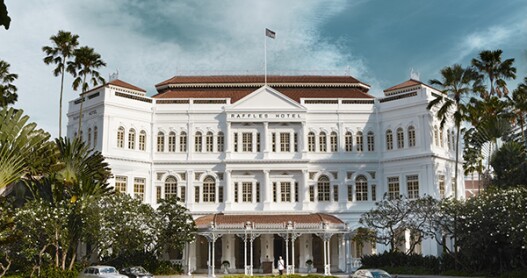
When the iconic Raffles Singapore opened in 1887, it quickly became a glittery haven for well-heeled travelers, and later, a go-to brand for discerning globetrotters.
The cool (and affordable) new Asian hotel brand you need to know
RESOURCES TO HELP PLAN YOUR TRIP
Set in City Hall, now part of the National Gallery Singapore, this lovely dark-wood-paneled restaurant reflects the country’s rich Peranakan Chinese heritage in both design and fare. Traditional tile floors, marble-topped tables, nostalgic bentwood chairs, and vintage photos set the scene for a feast of rich dishes that mingle Chinese and Malay flavors. if you’ve never had this combination of cuisines before, prepare to be forever changed. Dive in headfirst and try the spicy chicken stew (buah keluak ayam), the zesty beef rendang, the chili crab, or the fish-head curry. If you’re with a group, order a spread of plates to share, like the fried eggplant with sambal sauce and the deep-fried tangy prawn, crab, and chicken dumplings.
Singapore’s a pretty flat place. There used to be more hills, but some were flattened partly to help fill in the country’s expanding coastline, as Singapore has always pursued an aggressive land-reclamation push (it’s almost 25 percent bigger than it was two centuries ago, and it’s still growing!). At 347 feet above sea level, Faber Point is one of the nation’s tallest peaks; the views from this highest spot in Mount Faber Park are great. Enjoy sweeping views of the city, harbor, and surrounding islands. A pleasant and short trail travels up through lush greenery, and if you’re lucky you’ll catch a nice cooling breeze up there (which is not a given in much of Singapore). It’s especially lovely in the early evening if a nice sunset is complementing the twinkling lights of the city and ships below.
For more than half a century, this two-story, largely South Indian vegetarian joint on busy Serangoon Road has pleased palates with its tasty array of dosas—black-lentil-and-rice crepes designed to be ripped into pieces and dipped into heavenly chutneys and sauces. The restaurant’s prices and decor are humble, but the flavors are rich. Choose a tubular or cone-shaped dosa, or ask for one stuffed with potato, onion, or chilies. Other smart orders include buttery naan with a bowl of vegetable curry and Indian-style spinach with cubes of paneer (cheese). The biryani saffron-rice dish is also popular and is served with vegetable curry, dal, raita (a cooling yogurt concoction), and other accompaniments.
Set in a gorgeous space with high ceilings and a relaxed colonial vibe, Cookhouse operates under the guidance of renowned chef Jean-Georges Vongerichten. The focus is on intense flavors and textures from vegetable juices, herbal vinaigrettes, and broths, with lots of fish and veggies on the extensive menu. Much of the wide-ranging Continental fare has an Asian twist, from the lightly fried calamari with a citrus dipping sauce to black-truffle-and-fontina-cheese pizza; roasted cod with spicy herbal coconut broth; and kale salad with lemon, mint, and green chili. Cookhouse occupies one of the huge old buildings of the former Tanglin Barracks, a base built in the 1860s for Singapore-based British soldiers that in the past decade has become an upscale dining hub.
In Singapore, black and whites refer to the colonial-era bungalows of that color combination built here by the British for married officers and civil servants. The oldest date back to the 1890s and the newest to the 1940s. About 500 or so survive today, and most are owned by the government and rented on a monthly basis. Naturally, clusters of black and whites were built near military installations, from Tanglin to Sembawang, Portsdown Road, and Alexander Park. The higher your rank, the larger your house; some are quite grand. The white paint was used for its cooling properties and the black trim contains creosote to ward off termites and other insects. To see a string of them, from the Tanglin Mall (at the junction of Tanglin, Grange, and Napier roads), walk south about a half a mile along Tanglin Road and you’ll witness several on the left side of the road.
Hovering 36 meters (118 feet) above the ground, the Henderson Waves Bridge is a sleek, undulating wooden pedestrian bridge that connects two lush parks. Its 274-meter (899-foot) length has little niches that provide resting spaces for walkers, and it looks even sexier when it’s lit up at night.

Named for Singapore’s highest point, the 163-meter-high (534-foot-high) Bukit Timah, the nature reserve of the same name encompasses 1.64 square kilometers (405 acres) of green in the middle of the city-state. Some 40 percent of the nation’s flora and fauna is represented here, including the greater racket-tailed drongo bird and the crab-eating macaque. An “ecological bridge” allows animal life to pass over an expressway to an adjacent reserve.

Move over, beloved hawker center fare, there’s a new gastronomic trend in Singapore called Mod Sin—and it’s all the rage.
United is making it faster to get more than half way around the world with new nonstop service from Los Angeles to Singapore.
From hot springs to a brewery, here are some of the coolest airport features around.