Singapore

The heat is on in The Lion City, a tropical city-state at the heart of Southeast Asia that punches above its weight in arts, entertainment, nature, and the twin Singaporean obsessions: world-class food and shopping. In recent years, the Little Red Dot has transformed itself from a sterile layover stop into a vibrant global metropolis that is a destination in its own right. Craving glitzy hotels and air-conditioned super-malls? Singapore has these developments in spades. But don’t overlook the hawker centers and shophouses, temples and jungle trails that remain the heart and soul of this cultural melting pot.

A row of colorful shophouses (yellow, blue, red, and white) on a quiet street with no cars in Singapore

Jessie Beck

Overview

When’s the best time to go to Singapore?

The climate in Singapore, just north of the equator, remains fairly constant at 85 degrees with high humidity and a chance of showers. It rains slightly more than average between November and January, and slightly less from May to July. Rain clouds tend to swoop in quickly, unleash a torrent, and then clear out again—so it’s quite common to switch between sunglasses and an umbrella multiple times throughout any given day. It takes time to adjust to the high humidity, so walk at a leisurely pace and drink plenty of water. The temperature doesn’t change much when the sun goes down, but you may need a light sweater or shawl to insulate yourself against the Singaporean tendency to over-air-condition indoor spaces.

How to get around Singapore

Singapore’s Changi Airport is a world-class transportation hub and a great introduction to the efficiency, cleanliness, and quirky charm that you can expect from the rest of the city. From the airport, it takes about an hour to get downtown by either bus or MRT (subway), either of which is a cost-effective option. A taxi will take 25 minutes and cost around SGD30. It is also possible to reach the city by train, bus, or car from Malaysia and farther north.

Singapore’s compact downtown core is very walkable, and the city offers excellent public transport links. If you have a smartphone with a data plan, you can use Google Maps to plan your route on public transportation. The “SG Buses” app will let you know how many minutes you have to wait at the stop for your bus. Taxis are also plentiful and inexpensive. Flag them down in the street or at designated taxi stands in the city center. There’s no need to worry about getting ripped off—taxi uncles (and aunties) are friendly, meters are always used, and tipping is not necessary.

Can’t miss things to do in Singapore

On a clear evening, check out the 360-degree views around Marina Bay from 63 floors up at the city’s highest rooftop bar, 1 Altitude. After 6pm there’s a cover charge, which gets you one standard mixed drink. It’s a great spot for a sunset cocktail or a late-night dance party. Note that there is a smart casual dress code—no flip-flops. After 10pm, there’s an age limit of 21 for women and 25 for men.

Food and drink to try in Singapore

It’s no secret: Singaporeans love to eat. Virtually every cuisine on the planet is available here, whether it’s whipped up by celebrity chefs or by hawker stall uncles who are local celebrities with loyal followings. Some of Singapore’s most popular dishes, which are easy to find everywhere, include chicken rice, chili crab, and kaya (a thick, sweet coconut jam spread on toast). So don’t hold back! Bring your appetite and your sense of adventure as you sip, slurp, and munch your way through this foodie wonderland.

Culture in Singapore

Some families have been here for many generations, but the primary immigrant populations in Singapore hail from China, Malaysia, and India. The culture on the island is a blend of these diverse influences with some English colonial flavor thrown in for good measure. Get a feel for some of Singapore’s distinct cultural personalities in Chinatown, Little India, Arab Street, and Katong.

In a land with subtle seasons, the passage of time in Singapore is marked by colorful festivals, parades, and special treats. Chinese New Year, the country’s biggest holiday, brings lion dances, loud drums, and elaborate meals. In August, National Day celebrates Singapore’s independence with fireworks, military parades, and flyovers. During the Mid-Autumn Festival, Chinatown is festooned with colorful lanterns, and Singaporeans give gifts of moon cakes filled with sweet bean paste and a salted egg yolk.

Local travel tips for Singapore

There are many urban legends about Singapore’s strict laws and the authorities’ tendency to cane anyone who breaches the rules. You may have heard about an explicit ban on chewing gum, among other things. In general, however, a bit of common sense will keep you safe. As everywhere, don’t litter or vandalize property, and don’t start fights with the local police, and you will be absolutely fine.

Practical Information

- Most Singaporeans can speak two languages, with English usually being one of the two. The other: Mandarin, Malay, and Tamil. But you’ll hear many other languages around Singapore including Cantonese and other Chinese languages.
- The currency is the Singapore dollar.
- Singapore’s standard voltage is 230 V and the standard frequency is 50 Hz. Bring a type G converter (one with three rectangular blades, not round pins) if you want to plug things in.

Guide Editor

READ BEFORE YOU GO
HOTELS
The new Mandai Rainforest Resort by Banyan Tree in Singapore blends wellness, biophilic architecture, and conservation to help guests reconnect with nature.
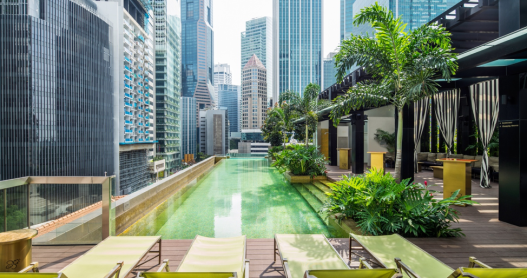
From refurbished heritage shophouses to green indoor garden concepts, these are the best hotels in Singapore.
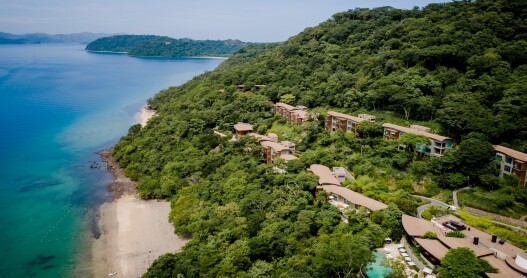
If health is the new wealth, then Blue Zones travel offers one of the most immersive get-rich-quick schemes on Earth. Afar takes a closer look at a program at Andaz Costa Rica at Peninsula Papagayo.
AFAR’s picks for the 31 best new hotels in the world.
Sleeping with the fishes takes on a whole new meaning at these villas and suites under the sea.
From shopping sprees in Singapore to thumping clubs in Berlin, the world is full of cool cities that move to the pulse of pop culture. Staying at the right hotel is one way to find the hippest places to eat, shop, and play.
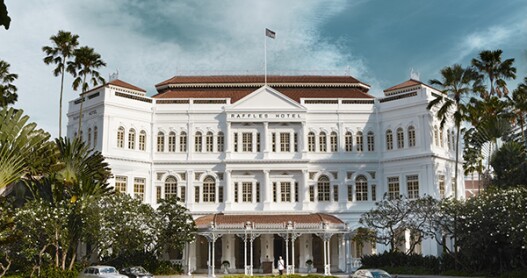
When the iconic Raffles Singapore opened in 1887, it quickly became a glittery haven for well-heeled travelers, and later, a go-to brand for discerning globetrotters.
The cool (and affordable) new Asian hotel brand you need to know
RESOURCES TO HELP PLAN YOUR TRIP
Slip into a secret garden. Climb to a rooftop oasis. Stroll an elevated park. To get a fresh angle on a city, take a walk on its green side.
Finding good Italian food in Asia can be as daunting as Monty Python’s quest for the Holy Grail, which is which why Latteria Mozzarella Bar is so special. The Duxton Hill restaurant boasts nearly a dozen varieties of mozzarella to try, from burrata with roast pumpkin and truffle to smoked buffalo-milk mozzarella with porcini mushrooms. Fish, meat, and pasta mains round out the offerings; savor the homemade red tagliolini with pork sausage ragù, the gnocchi with porcini and truffle cream, or the slow-roasted lamb shanks with chickpeas and red wine. If you’re lucky, you’ll snag a seat on the gorgeous terrace.
You know when the elegant maître d’ greets you at the door like a VIP—even if you’re not—that you’re in a first-rate Italian restaurant. Owned and operated by Italians, Otto is located in a restored heritage building, and its decor is a fusion of black glass, polished metal, and oak. The service is excellent (not always a given in Singapore) and the wine list is, too; but you’ll remember the food most of all. The mushroom-and-rosemary risotto is delicious, and so is the homemade walnut-and-ricotta tortelli with spinach velouté sauce. Savor the crispy suckling pig lacquered with honey, or the Hokkaido scallops carpaccio. Whatever your main dishes, dessert is a must. And not just the tiramisu and crème brûlée; the warm chocolate cake with Haitian vanilla ice cream and the mango-and-passion-fruit millefoglie with peach coulis are divine.
Founded nearly 50 years ago, the elegant Rang Mahal offers fine dining with prices to match—a bowl of cauliflower soup runs S$20, and it’s S$40 for a plate of chicken tikka. (The lunch buffet available Sundays through Fridays is more reasonably priced.) Choose from a menu of North and South Indian favorites, from lamb kebabs to tandoori chicken or salmon, as well as paneer, the Indian cheese. There’s raarha gosht, lamb chunks in a spicy gravy, and Kadhai prawns, which are stir-fried with roasted coriander seeds and Kashmiri chilies. Vegetarian highlights are avocado kebabs, dals, and delicious dishes like clove-smoked eggplant. Rice dishes, Indian breads—including puffed-up phulkas—and classic desserts (sticky-sweet jalebi and soft spongy ras malai) round out the feast.
Consider this your worldwide summer cocktail guide.
Considered Singapore’s national dish, Hainanese chicken rice is a beloved staple for many. It’s made up of a fragrant bowl of chicken broth, a pile of fluffy rice, and tender poached chicken (skin on), as well as condiments like ginger paste, dark soy sauce, and chili sauce—and sometimes a side of gai lan (a leafy Chinese vegetable). Enjoy the traditional meal in homey surroundings at Wee Nam Kee, a casual and inexpensive restaurant that started out many years ago as a humble food stall. Though the chicken rice is the star, other favorites include cereal prawns, fish-head curry, salted-egg pork ribs, and sambal kangkong (greens).
The enormous, elegant Empress Place Building is a landmark colonial government-office structure that overlooks the Singapore River in the central business district. Since the early 2000s, it’s been home to the Asian Civilisations Museum (ACM), considered one of the finest institutions in Asia. Its collection of Buddhist statues, textiles, porcelain, and other treasures represents more than 5,000 years of history in China, Southeast Asia, the Indian subcontinent, and the Islamic world.

It’s a crime not to order a cocktail (boozy or virgin) at Spago’s terrace bar, situated next to the famous infinity pool on Marina Bay Sands’ breezy veranda. The drink menu is just as beautifully curated as the decor, featuring more than a dozen original cocktails, over 600 bottles of wine, and an extensive champagne list. Celebrity chef Wolfgang Puck put together the selection of bar bites, including Spago L.A. originals like the bigeye tuna tartare cones. For a full dinner menu in an even more refined setting, book a table in Spago’s glassed-in formal dining room to enjoy dishes like chirashi sushi from the legendary Tsukiji Market and pan-roasted snapper laksa.
Named after Louis Mountbatten, Britain’s supreme allied commander in Southeast Asia, Mountbatten Road was originally known as Grove Road. In the late 19th and early 20th centuries it became a popular place for the wealthy to build country homes just a few yards from the sea and its refreshing breezes. Today, due to land reclamation, the sea is more than half a mile away. A number of them, nicknamed “millionaires’ bungalows,” were single-story houses with conical roofs that were built on brick posts for protection against heavy rains, snakes, and wildlife—a design modeled after similar dwellings in tropical India which provides the cooling effects of under-floor ventilation.
Hidden away at the end of small byway off Telok Blangah Road, Labrador Nature Reserve (also known as Labrador Park) is a quiet hillock where you can find the remains of Fort Pasir Panjang. It was one of about a dozen coastal artillery forts built by the British in the 19th century to defend the western passageway into Keppel Harbour. Military buffs will enjoy seeing the old gun placements, supply tunnels, and pillboxes of the former fort, while others will get a kick out of seeing cruise ships and giant yachts coming within a few yards of the seawall as they squeeze through the narrow passage into Keppel Harbour.