Charleston

With its antebellum architecture and pastel palette, Charleston is a living painting. Visit historic points of interest, and explore the cobblestoned walkways hidden between lamp-lit streets lined with palmettos. While quaint, the city bursts with culture and creativity, managing to embody Old World charm as well as a cosmopolitan sense of the present. Travel farther north to neighborhoods like Cannonborough, Elliotborough, or Wagener Terrace and you’ll find a dynamic scene populated by the city’s growing creative class. For the full Lowcountry experience, try to also steal some time off the peninsula to check out the swamps, creeks, and beaches.

Charleston-shutterstock_2071518224.jpg

Photo by f11photo/Shutterstock

Overview

When’s the best time to go to Charleston?

It’s hard to beat the mild temperatures of springtime in Charleston, when the azaleas, magnolias, and jasmine are in bloom. Locals cope with the summer humidity by boating or heading to the nearby beaches. In the winter, they string the palmetto trees with Christmas lights and doll up historic homes with festive decorations.

How to get around Charleston

The Charleston International Airport is located about 20 minutes from downtown Charleston by car. Taxis cost about $30, while shuttles—which run every fifteen minutes and don’t require reservations—cost $14 per passenger. Stay downtown so you can wander out your front door without worrying about transportation—sneakers or flats are recommended for the uneven sidewalks and cobblestoned streets, and bike taxis, known as “pedicabs” or “rickshaws,” are good for longer trips. The city’s Holy Spokes sharebike program has rental options that range from one hour ($8) to a year and allow quick trips around the peninsula.

A rental car (or a cab budget) is necessary if you plan to enjoy the beaches, golf courses, plantation houses, and surrounding sights, all of which are well worth the short drive out of town. Charleston is also an easy road trip away from places like Atlanta, Charlotte, Columbia, and Jacksonville.

Can’t miss things to do in Charleston

The best way to get to know the city? Get lost in the quieter streets downtown. Just wander the back alleys of a residential neighborhood like Ansonborough or Harleston Village. Then ramble through one of the myriad graveyards dotting the city for a taste of what makes Charleston unique.

Food and drink to try in Charleston

- With everything from Southern comfort classics to more adventurous cuisines, and white-tablecloth dining rooms to lunch counters, Charleston does dining right. Here, local ingredients dominate menus, as has been the tradition with Lowcountry cooking since its inception in colonial times. You’ll have no trouble finding Southern fare like shrimp and grits, Frogmore stew, and pork barbecue.

- In recent years, young chefs and restaurateurs have also brought new ideas and international flair to the city, drawing accolades and making Charleston a destination for the food-minded. In addition to iconic regional dishes that must be tried to taste the flavors of the city, new restaurants continue to open and keep Charleston’s food scene active, challenging, and influential.

- A spate of breweries and distilleries have opened up, mostly outside the boundaries of the historic area so that they can sprawl comfortably in restored warehouse and manufacturing buildings. You’ll find their wares served around the city, and you can go to the source to do your tasting, too: Most operate tasting rooms.

Culture in Charleston

Charleston is rich with politesse, history, and traditions. One of the city’s main cultural draws is simply strolling the picturesque streets to admire the architecture, from narrow colonial buildings to grand antebellum mansions and the modern flourishes that private owners have achieved within the strict building and historic preservation codes. Several house-museums, both privately owned and ones operated by Historic Charleston, open daily for public tours and provide insight into the lives of the city’s previous residents, both free and enslaved. Charleston—often referred to as the Holy City—also features a wealth of historic churches and synagogues, many of which are open to visitors. The French Quarter has a clutch of art galleries as well as the Gibbes Museum of Art. Also in the French Quarter, continue your exploration into Charleston’s history and culture at the Old Slave Mart Museum and the new South Carolina Historical Society Museum.

The biggest event in Charleston each year, the Spoleto Festival, takes place at the end of May, with everything from outdoor jazz performances to full-scale operas. Piccolo Spoleto, a showcase for local artists, runs alongside the larger festival. Other annual events draw visitors all year long, and keep the locals busy, too. Visitors should also consider planning their trip around the Southeastern Wildlife Expo (which brings tens of thousands of nature aficionados to the city), the MOJA Arts Festival (which celebrates African-American and Caribbean culture with performances, parties, and parades), or the Charleston Wine + Food Festival (which has quickly become one of the city’s main events).

Local travel tips for Charleston

- Don’t be afraid to make eye contact and smile at strangers on the street—and don’t be surprised if they do the same. Southern politeness is not a myth.

- Street parking is expensive and hard to find. That’s what all the golf carts are about.

- Hasell Street is pronounced ‘hazel’ and Lagare Street is pronounced ‘la-GREE’ (like the villain in Uncle Tom’s Cabin).

- Happy hours start early, some by 3:30 p.m.

Guide Editor

Essentials, Best Things to Do, and food coverage by Charleston-based writer and author Stratton Lawrence (@StrattonBlueSky). Hotels coverage by travel and food writer Devorah Lev-Tov (@devoltv).

READ BEFORE YOU GO
The Cooper opened March 30, 2026, introducing the city’s first luxury waterfront hotel on the Cooper River, steps from the historic district.
HOTELS
The stylish, residential-feeling new Nickel hotel in Charleston is in a neighborhood known for its historic charm and lively energy.
Gilded Age mansions, beachfront resorts, and stylish boutiques offer plenty of places to experience Southern hospitality in Charleston.
From lobby bars to rooftop lounges, these are the hotel bars Afar editors love checking out when they’re checking in.
Southern charm meets modern style at this storied hotel—an authentic way to travel deeper in the Holy City.
RESOURCES TO HELP PLAN YOUR TRIP
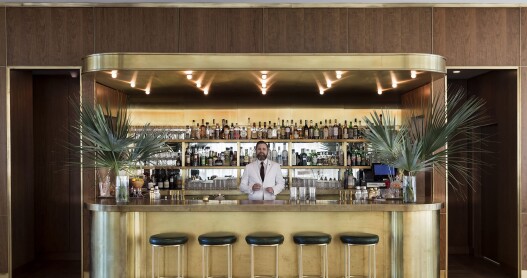
The classic cocktail list at The Rarebit is hard to beat: Moscow mules served in gorgeous copper mugs, Manhattans with a touch of Benedictine. The food menu is composed of similarly solid throwbacks: a pork chop with mac and cheese and green beans, a perfect chicken club sandwich.
The Gin Joint opened in 2010 and was Charleston‘s first real dedicated craft cocktail spot. Five years later, it’s still going strong with its creative drinks menu (including a “bartender’s choice” option for the patron who wants a surprise) and great bites, from gourmet soft pretzels to “cornbread and milk” for dessert.
Whether it’s for breakfast, brunch, or a late eat after a night of revelry on King Street, owner Carrie Morey whips her mother’s recipe of the freshly baked, handmade Southern staples inside this counter-serve bake shop. Consisting of flour, butter, cream cheese, and buttermilk, biscuits come in sweet and savory flavors such as cheese and chive, country ham, blackberry, and black pepper bacon. For a more substantial meal, specials like fried chicken and pickle, and pimento cheese sandwiches are available. You’ll definitely stand in line at this sunny little counter-only shop, but here’s an insider tip: You can order ahead on the Callie’s Hot Little Biscuit app.
Everyone seems to be talking about Chez Nous and, frankly, it’s easy to see why. A meal here feels like dining at your most fashionable friend’s place. The restaurant is tucked away from the main drag in a beautiful Charleston single house, with a handwritten menu that changes daily, with the chef taking inspiration from the daily market as well as the cuisines of Northern Italy, Northern Spain, and Southern France. If the weather’s nice, request a table on the porch or in the courtyard.
FIG
It’s a big deal when a chef wins a James Beard Award for “Best Chef: Southeast.” It’s an even bigger deal when that chef’s successor wins the same award a few years later, but that’s exactly what happened at this downtown hot spot. Overseen by Mike Lata and helmed by Jason Stanhope, FIG is one of the hallmark restaurants that put Charleston’s dining scene on the map. Seasonal veggies are an important part of the menu, which is inventive and thoughtful without feeling fussy. (Anthony Bourdain raved when he dined at FIG—he had the asparagus salad with fromage blanc, quinoa, green garlic, and carrots—during a 2017 episode of Parts Unknown.) For local, creative food in the Lowcountry, FIG is the model.
XBB, as locals call it, occupies a remodeled and brightly furnished former gas station in the Elliotborough neighborhood. Catering to its surfer clientele with Nicaraguan beer, the spot also offers a constantly changing menu of authentic Asian fare. Order the Vietnamese-style shrimp toast, a purée of local shrimp, fish sauce, garlic, ginger, lime leaf, and chilies spread on baguette slices, then pan-fried—crispy and satisfying.
The salmon-colored stucco buildings comprising the Elliott House Inn have a long history that runs parallel with the city’s. Built in the aftermath of a citywide fire, the property’s main structure was then shaken in an 1886 earthquake (the characteristic Charleston earthquake bolts are visible on the building’s facade) and battered by 1989’s Hurricane Hugo. The bed-and-breakfast reopened in 2011 after two years of renovation and redecoration, reinventing itself yet again. The main building is a classic Charleston single house, built with its narrow end on the street and a long piazza running along its length.

The rooms, with their botanical prints, hardwood floors, and Oriental rugs, are traditional in a way that’s elegant and charming rather than fussy. Rooms are available both in the main house and the single-story building across. The quiet courtyard provides an oasis from the city streets with its wisteria-dotted pergola and light-draped palmetto trees.
After a multi-phase expansion completed in 2016, the former Restoration on King dropped “the King” from its name and gained a new restaurant, spa, coffee shop, and several dozen more suites. The sleek and modern rooms at the boutique Restoration are spread over five historic buildings at King and Wentworth, linked by a courtyard with its own wishing fountain. Exposed brick, high ceilings, and dark wood add to the suites’ loft feel, and amenities such as kitchenettes and breakfast baskets delivered to your room from the on-site Rise Coffee Bar beg a longer stay. Seasonal “happenings” at the property include yoga classes, movie nights, and fashion pop-ups at the Port Mercantile retail store. The Amethyst Spa and Nail Bar uses charged gemstones and essential oils in their massages and treatments, and the jewel-box rooftop pool provides refreshment on a hot day and has panoramic views. After a swim, the Watch Rooftop Kitchen and Spirits serves farm-to-table Lowcountry dishes and cocktails inspired by the city, such as the seasonal, bright tequila-and-watermelon-infused Charleston Brick. The Restoration understands the need for speed and style, and offers to hook up guests with vintage car rentals or even help serious riders design and commission their own custom-built motorcycle (a favorite subject of the hotel’s artist-in-residence, photographer Gately Williams) to pick up on a return trip to Charleston.
John Rutledge was an active player in early American politics, signing the Constitution and serving as South Carolina’s first governor. But his townhouse on Broad Street, now the John Rutledge Inn, was built before he even attended his first Continental Congress. The house was embellished and expanded over the years, including the addition of elaborate lacelike ironwork that still stops passersby in their tracks. The inn comprises the main building and two carriage houses. In the 1980s, a major renovation prepared it for its new life as an inn, restoring the parquet floors, marble fireplaces, and crown molding to fully honor the property’s past.

Rooms in the main house evoke the property’s Colonial Era origins, with canopy beds and brass fireplace screens. All rooms have Tempur-Pedic mattresses, property-wide Wi-Fi, and flat-screen TVs help guests remember that they’re still in the 21st century. Around the property, visit the sumptuous ballroom for evening sherry, or stroll the lush, secluded courtyard.
The largest luxury hotel in the city, the Charleston Place takes up a full city block with entrances on King and Meeting streets; the latter leads to the grand lobby, with its imperial open-arm staircase, 12-foot crystal chandelier, and Italian marble floors. Its 433 large guest rooms have old-fashioned Southern details like mahogany and damask furnishings. The hotel’s lower level houses fine-dining restaurant Charleston Grill, an attractive hotel bar, a large indoor saltwater pool with a retractable glass roof, and a shopping arcade with designer stores. The hotel recently began a $150 million renovation but will remain open as the property is upgraded from stem to stern.