Charleston

With its antebellum architecture and pastel palette, Charleston is a living painting. Visit historic points of interest, and explore the cobblestoned walkways hidden between lamp-lit streets lined with palmettos. While quaint, the city bursts with culture and creativity, managing to embody Old World charm as well as a cosmopolitan sense of the present. Travel farther north to neighborhoods like Cannonborough, Elliotborough, or Wagener Terrace and you’ll find a dynamic scene populated by the city’s growing creative class. For the full Lowcountry experience, try to also steal some time off the peninsula to check out the swamps, creeks, and beaches.

Charleston-shutterstock_2071518224.jpg

Photo by f11photo/Shutterstock

Overview

When’s the best time to go to Charleston?

It’s hard to beat the mild temperatures of springtime in Charleston, when the azaleas, magnolias, and jasmine are in bloom. Locals cope with the summer humidity by boating or heading to the nearby beaches. In the winter, they string the palmetto trees with Christmas lights and doll up historic homes with festive decorations.

How to get around Charleston

The Charleston International Airport is located about 20 minutes from downtown Charleston by car. Taxis cost about $30, while shuttles—which run every fifteen minutes and don’t require reservations—cost $14 per passenger. Stay downtown so you can wander out your front door without worrying about transportation—sneakers or flats are recommended for the uneven sidewalks and cobblestoned streets, and bike taxis, known as “pedicabs” or “rickshaws,” are good for longer trips. The city’s Holy Spokes sharebike program has rental options that range from one hour ($8) to a year and allow quick trips around the peninsula.

A rental car (or a cab budget) is necessary if you plan to enjoy the beaches, golf courses, plantation houses, and surrounding sights, all of which are well worth the short drive out of town. Charleston is also an easy road trip away from places like Atlanta, Charlotte, Columbia, and Jacksonville.

Can’t miss things to do in Charleston

The best way to get to know the city? Get lost in the quieter streets downtown. Just wander the back alleys of a residential neighborhood like Ansonborough or Harleston Village. Then ramble through one of the myriad graveyards dotting the city for a taste of what makes Charleston unique.

Food and drink to try in Charleston

- With everything from Southern comfort classics to more adventurous cuisines, and white-tablecloth dining rooms to lunch counters, Charleston does dining right. Here, local ingredients dominate menus, as has been the tradition with Lowcountry cooking since its inception in colonial times. You’ll have no trouble finding Southern fare like shrimp and grits, Frogmore stew, and pork barbecue.

- In recent years, young chefs and restaurateurs have also brought new ideas and international flair to the city, drawing accolades and making Charleston a destination for the food-minded. In addition to iconic regional dishes that must be tried to taste the flavors of the city, new restaurants continue to open and keep Charleston’s food scene active, challenging, and influential.

- A spate of breweries and distilleries have opened up, mostly outside the boundaries of the historic area so that they can sprawl comfortably in restored warehouse and manufacturing buildings. You’ll find their wares served around the city, and you can go to the source to do your tasting, too: Most operate tasting rooms.

Culture in Charleston

Charleston is rich with politesse, history, and traditions. One of the city’s main cultural draws is simply strolling the picturesque streets to admire the architecture, from narrow colonial buildings to grand antebellum mansions and the modern flourishes that private owners have achieved within the strict building and historic preservation codes. Several house-museums, both privately owned and ones operated by Historic Charleston, open daily for public tours and provide insight into the lives of the city’s previous residents, both free and enslaved. Charleston—often referred to as the Holy City—also features a wealth of historic churches and synagogues, many of which are open to visitors. The French Quarter has a clutch of art galleries as well as the Gibbes Museum of Art. Also in the French Quarter, continue your exploration into Charleston’s history and culture at the Old Slave Mart Museum and the new South Carolina Historical Society Museum.

The biggest event in Charleston each year, the Spoleto Festival, takes place at the end of May, with everything from outdoor jazz performances to full-scale operas. Piccolo Spoleto, a showcase for local artists, runs alongside the larger festival. Other annual events draw visitors all year long, and keep the locals busy, too. Visitors should also consider planning their trip around the Southeastern Wildlife Expo (which brings tens of thousands of nature aficionados to the city), the MOJA Arts Festival (which celebrates African-American and Caribbean culture with performances, parties, and parades), or the Charleston Wine + Food Festival (which has quickly become one of the city’s main events).

Local travel tips for Charleston

- Don’t be afraid to make eye contact and smile at strangers on the street—and don’t be surprised if they do the same. Southern politeness is not a myth.

- Street parking is expensive and hard to find. That’s what all the golf carts are about.

- Hasell Street is pronounced ‘hazel’ and Lagare Street is pronounced ‘la-GREE’ (like the villain in Uncle Tom’s Cabin).

- Happy hours start early, some by 3:30 p.m.

Guide Editor

Essentials, Best Things to Do, and food coverage by Charleston-based writer and author Stratton Lawrence (@StrattonBlueSky). Hotels coverage by travel and food writer Devorah Lev-Tov (@devoltv).

READ BEFORE YOU GO
The Cooper opened March 30, 2026, introducing the city’s first luxury waterfront hotel on the Cooper River, steps from the historic district.
HOTELS
The stylish, residential-feeling new Nickel hotel in Charleston is in a neighborhood known for its historic charm and lively energy.
Gilded Age mansions, beachfront resorts, and stylish boutiques offer plenty of places to experience Southern hospitality in Charleston.
From lobby bars to rooftop lounges, these are the hotel bars Afar editors love checking out when they’re checking in.
Southern charm meets modern style at this storied hotel—an authentic way to travel deeper in the Holy City.
RESOURCES TO HELP PLAN YOUR TRIP
From kayaking with wild dolphins to wandering cobblestone streets in search of secret gardens and alleyways, get outside in South Carolina’s Holy City for an abundance of distinctly immersive activities.
Extend summer well into October with outdoor festivals and poolside cocktails in the Holy City.
A host of new hotels, restaurants, and bars make us crave an escape to the Holy City.
Just across the Ashley River from the Charleston Peninsula, Charles Towne Landing marks the site of the forerunner to Charleston, Charles Towne. Settlers from Barbados founded the town in 1670, though after ten years—and a series of attacks by French, Spanish, Native Americans and pirates—they wisely decided to move to the easier-to-defend Charleston peninsula and start over. A recreation of a 17th-century trip, the Adventure, and replica of a colonial home provide insights into life in the earliest years of colonial America.
Once the center of commerce in Charleston, the City Market is now the heart of tourism. Although its location near the cruise terminal can make it feel like a kitschy open-air market in the Caribbean, the tackiness is part of its charm. Yes, you’ll find Christmas ornaments painted with Rainbow Row and enough cutely packaged pralines to give you a stomachache, but you’ll also see Gullah artisans weaving the finest examples of sweetgrass baskets available. Peak season brings 140 different merchants, and weekends include live music and food vendors. The market’s a requisite stop for any visitor and a one-stop gift shop for loved ones back home.
When Charleston’s Blind Tiger opened in the late 1980s—long after Prohibition ended—its name, a phrase synonymous with “speakeasy,” lent the Broad Street bar a delightfully naughty air. Not that the joint needs more atmosphere. The building, which dates back to 1803, has the vibe of an old Irish bar, with big front windows, dark wood, the damp smell of years of spilled beer. But walk through the doors in back and you’ll find a tree-shaded, sun-dappled patio full of architectural ruins and kitted out with a few firepits for cool evenings. That handy backyard bar means you can stay in the fresh air and not venture inside for refills. Alas, the blissful al fresco scene is slightly marred by the inclusion of a television over the bar. (With college football enjoying nearly the same status of religion in the Holy City, only the fanciest cocktail bars can avoid having the game on in these parts).
Why we love it: A Historic District hotel where 1920s glamour meets Southern hospitality

The Highlights:
- Personal butler service
- Complimentary amenities, including a daily artisanal breakfast
- An acclaimed craft cocktail program at The Bar

The Review:
Located in Charleston’s bustling Historic District, The Spectator Hotel blends Jazz Age luxury with Southern charm. Local interior designer Jenny Keenan spearheaded the property’s Art Deco-inspired aesthetic, which features thoughtful details throughout, from hand-painted wallpaper to the lobby’s focal point—a three-tiered chandelier that sparkles with 1,800 hand-strung glass crystals.

The four-story hotel houses more than 40 rooms, all of which boast locally designed bedding and products from Deep Steep, a vegan and cruelty-free line of bathroom amenities. Should any needs arise, sit back and relax—personal butlers are at the beck and call of every guest and will take care of anything from drawing a bath to making dinner reservations. For the latter, consider staying on site at The Bar, a Prohibition-inspired spot with creative cocktails and an array of flavor-forward bites (caramelized onion tarts, deviled hen eggs, gorgonzola-mascarpone cheesecake). When morning rolls around, it’s best to stay in bed—a locally sourced in-room breakfast is provided with each night’s stay.
Why we love it: A historic building turned stylish hotel with a buzzy restaurant and lavish spa

The Highlights:
- Chic decor that mixes historic preservation with contemporary style
- A rooftop cocktail bar with citrus-inspired drinks
- Amenities like an on-site boutique, open-air yoga, and house car service

The Review:
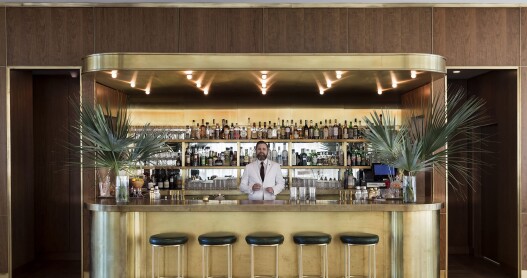
Much has been written about Charleston’s antebellum charms, but modernists seeking respite need look no further than The Dewberry, a 1960s federal building on Marion Square that’s now one of the city’s coolest hotels. Here, a wood-paneled lobby gives way to a cozy living room straight out of Mad Men, complete with mid-century furnishings, antiqued mirrors, live music, and a brass bar serving up deviled eggs and classic cocktails. Up a flight of stairs, the second-floor spa features tufted-velvet recliners and treatments that incorporate Lowcountry flora, plus a full-service fitness center and open-air yoga classes on the hotel rooftop.

The 155 light-filled guest rooms are equally stylish, with luxurious Irish linens, marble baths, and armoires clad in custom-printed linen by local illustrator Becca Barnet. Barnet’s work is also on display in the by-reservation-only Citrus Club, a rooftop lounge with craft cocktails and light bites overlooking the Holy City’s famed steeples. For a heartier meal, guests can head to on-site restaurant Henrietta’s, where traditional French brasserie fare meets local ingredients. Rounding things out are unique amenities like house car service in luxury Volvos, complimentary Papillionaire bicycles, and a boutique curated by Garden & Gun, with fashion, barware, jewelry, and more from Southern artisans and craftsmen.
In its seeming pursuit for consideration as the Platonic ideal of a dive bar, the Rec Room ticks off many boxes: the bar sits in the grimy shadow of a highway overpass, prides itself on selling more cans of PBR than any other bar in the U.S., and is truly dark inside. So dark. The majority of the illumination seems to come from television screens, pinball machines, the fluorescent fixture that hangs low over the pool table, and the light from the street when the front door opens to let in someone who’s been outside smoking. In short, the bar is deliciously down-market without being skeevy. You will find Charleston locals from every walk of life, especially on game days when the televisions—including one playing to the smokers the front patio—are all tuned to football. Come early or late, order a Pabst Blue Ribbon, watch a game, play some foosball or pool, order tater tot nachos, and experience the appeal of a dive bar in a town where propriety and manners rule.
Hotel restaurants rarely garner culinary nods, but the Vendue Hotel took steps to differentiate its 2018 opening, Revival. The airy, white-tablecloth room, overseen by suspendered waitstaff, is framed by brick walls and windows out to East Bay Street—potential diners may be drawn in without ever knowing there are high-end hotel rooms just above them. Most importantly, the classic cuisine stands alone. She-crab soup rivals shrimp and grits for Charleston’s signature dish, and the kitchen offers exemplary versions of each, featuring black rice grits in the latter. Entrees are pricey but impressive, including a pirlou, a rice-based staple of Lowcountry cuisine, that adds butter poached lobster and uses Carolina Gold rice. In its efforts to showcase historic Charleston dishes in fine-dining atmosphere, Revival fills a void that Hominy Grill left when it shuttered dinner service. And don’t head straight out after dinner—the Vendue’s ground floor also doubles as an art gallery, presenting rotating exhibitions that rival the upscale art galleries in the surrounding French Quarter neighborhood.