Germany

While Germany is well-known for its hearty food and beer, fairy-tale castles, and gorgeously preserved medieval towns, the country offers so much more than clichés. In addition to some of Europe’s most distinctive cities—Berlin, Munich, and Hamburg, to name a few—Germany features diverse natural scenery (scenic coastlines, mystical forests, soaring Alps), a heavyweight cultural legacy (including contributions from some of the world’s most famous philosophers and musicians), cutting-edge architecture, and celebrated contemporary art.

Germany-Guide.jpg

Photo by Felix Bruggemann

Overview

When’s the best time to go to Germany?

Summer is the ideal time to visit Germany. The country’s sunlit landscapes—crisscrossed with rivers, peppered with forests and lakes, and dotted with charismatic castles—are in full bloom, and its cities transform into outdoor playgrounds. Still, summer can bring crowds and expensive prices, so spring and autumn are attractive alternatives, helped along by a slew of major events like Munich’s famous Oktoberfest. Winter holds its own charms, especially for ski and snowboard fans, as well as for those who wish to visit Germany’s Christmas markets, which run from late November until December 23, or the Berlin International Film Festival in February.

How to get around Germany

There are over 40 airports spread across Germany, providing easy and convenient access to the country’s 16 federal states. Frankfurt am Main and Munich are the largest airports, followed by Düsseldorf, Berlin, Hamburg, Stuttgart, and Cologne Bonn. Once you’ve arrived in Germany, public transportation is generally excellent, with high-speed trains connecting all major cities as well as destinations across Europe. Some regions, like the Black Forest and Schleswig-Holstein, are more easily explored by car, but even there you can find buses and trains to get around.

Food and drink to try in Germany

Traditional German food is quite substantial—meat dishes like lamb, pork, and beef are popular, along with plenty of fish, rich sauces, and generous sides including potatoes, dumplings, and cabbage. Sausages are ubiquitous, and each region tends to have its own specialty. Be sure to try Rheinischer Sauerbraten (pot roast) in the North Rhine, spätzle (cheesy noodles) in the south, and quirky dishes like Handkäs mit Musik (pungent cheese topped with white onions) around Hesse. Contemporary German cuisine, on the other hand, often consists of lighter, updated versions of classics, and all the big cities offer a diverse range of international food.

Beer, of course, is a trademark of Germany, including the mixed drink Radler (beer with lemonade or any variation of juice), which is popular during the summer. In winter, sipping a steaming mug of Glühwein (mulled wine with spices) is recommended.

Culture in Germany

Germany is often referred to as Das Land der Dichter und Denker (The Country of Poets and Thinkers), which gives more than a clue as to its intellectual and cultural prowess. Famed for its contributions to everything from philosophy and literature to music and art, the country has produced many luminaries known worldwide by their surnames alone: Goethe, Bach, Hegel, Beuys, Hesse, Wagner, Mozart, among them. Germany’s contemporary cultural scene is just as dynamic, as evidenced by an annual calendar of events like the world-renowned Berlin International Film Festival and the Documenta art exhibition in Kassel.

Can’t miss things to do in Germany

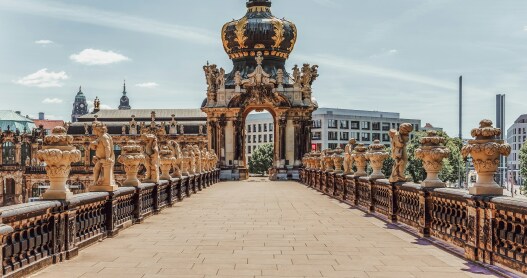
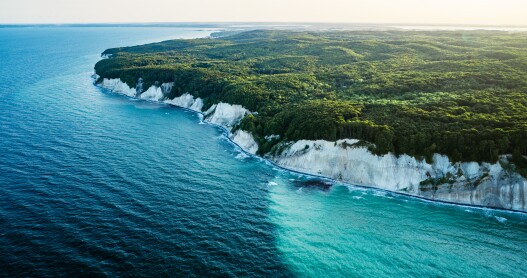
Vibrant urban culture vies with romantic landscapes throughout Germany. The major cities, especially Berlin, Hamburg, Cologne, and Munich, should not be missed, but smaller towns like Bayreuth, Weimar, Nuremburg, Dresden, Bamberg, and Lübeck are also attractive for their impressive architecture and charming atmospheres. Soaring cathedrals and grand palaces can be found across the country, while natural areas like the Black Forest, the Bavarian Alps, and the Baltic and North Sea coastlines provide an alluring mix of recreation and relaxation.

Practical Information

Americans and other non-E.U. citizens need a valid passport to visit Germany for less than 90 days, and a travel visa to stay longer. The local language is German, though the more urban the destination, the more English is spoken, especially among the younger generation. The currency is the euro, the voltage is 230 volts, and the socket type is F (round plugs with two round prongs).

Guide Editor

Paul Sullivan has lived in Berlin since 2008. In addition to running his local website, Slow Travel Berlin, he writes regularly on Berlin and Germany for international publications like The Guardian, The Telegraph, the Sunday Times, and the BBC, and has worked on Berlin and Germany guidebooks for publishers such as Fodors, DK, Rough Guides, Wallpaper, and more.
READ BEFORE YOU GO
HOTELS
Whether you’re a skier or an après-ski enthusiast, these 19 European hotels are ideal for a winter weather getaway.
After a careful two-year renovation, the historic Brenners Park-Hotel & Spa is stepping into a new era of wellness shaped by the surrounding Black Forest.
Around the world, breakfast is emerging as the moment when a luxury hotel’s ambition—and its core values—become most visible.
These women aren’t just breaking barriers. They’re building a more inclusive, dynamic future for hospitality—and your hotel experience will be the better for it.
These are the 24 hotels we recommend most for wellness.
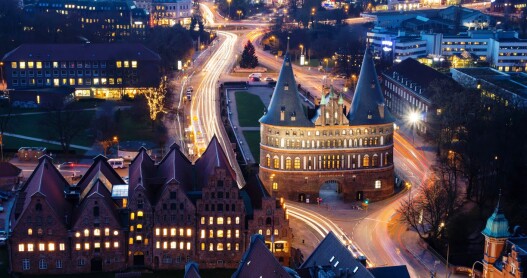
From rococo and baroque facades in Lübeck to Bauhaus in Weimar and Le Corbusier’s modernist neighborhood outside Stuttgart, Germany has a rich architectural history.
Descend into ancient mine shafts, visit skilled woodcarvers, soar to the top of eastern Germany’s highest mountain, and soak up the charm of historic towns.
From the protected Wadden Sea to the historic warehouse districts of Hamburg and beyond, a visit to the former Hanseatic League is a dream trip for sustainably minded travelers who love history.
Berlin is a masterpiece of urban planning, from the Museum Island at the heart of its walkable center to groundbreaking Modernism Housing Estates, plus epic parks and forests waiting just a stone’s throw away.
Explore rich religious traditions and outstanding architecture at the country’s most magnificent cathedrals and monasteries.
RESOURCES TO HELP PLAN YOUR TRIP
Not many know that Matsuei was the first restaurant with the great Nobu of international sushi fame at the helm. Back when he had both a first and last name, he met a man while working in a sushi bar in Japan who offered to stake his solo business venture if he set up shop in Peru. And thanks to a large Japanese community in Lima, Matsuei was a success. On the menu you’ll find the original cream cheese, tempura, mango, and fusion rolls now loved the world over. But even purists will love the high quality local fish and seafood, especially the creamy sole and to-die-for scallops.
A city tour of Lima isn’t complete without visiting the catacombs of the Monastery of San Francisco. The basement of the working monastery reveals the bones of wealthy Limeños who believed they would be the last to rest in their expensive plots. The tour reveals what actually happened to their remains. Since the catacombs couldn’t expand and affluent Catholics, unfortunately, kept dying, bodies were stacked to decompose down to the bones, and now the larger bones (femurs, forearms, and skulls) are arranged artistically in a circular pattern to make them more aesthetically pleasing to visitors. The site is interesting from both a historical and modern sociological, ethical, and religious standpoint.
The Larco Museum is the starting point of your visit to Peru. It has the largest collection of pre-Columbian pieces in the Americas and tells the history of Peru without being tiresome. That’s a feat in itself, because we’re talking about 10.000 years of history! Everything you’ll see in Lima and around the country will make sense after this visit. The quality and beauty of the pieces are amazing, showing all the complexity of the local cultures. It’s a beautiful museum, very well curated, the exhibits are simple and to the point and everything is explained in displays and videos. The museum offers also a super interesting guided visit for families with children. Other famous part of this museum is two private rooms dedicated to erotic pieces, showing the connection between erotic and fertility.
Though not really a tropical island, the indoor resort called “Tropical Islands” outside of Berlin makes for a great (albeit unusual) day trip. Located inside a former Soviet air hanger, the building has been converted into a biosphere with a tropical climate. Inside the resort there is an artificial beach, swimming pools, saunas & a spa, water slides, a small rainforest and even a hot air balloon! To get there with public transporation, you can take a Regional Express train from central Berlin. Trains leave every hour toward Cottbus (depart at Brand-Niederlausitz). It takes about 50 minutes. From the train station, Tropical Islands offers a free shuttle bus for the 5-minute journey to the resort. If you buy tickets at the door, admission to the Tropical World or the Tropical Sauna & Spa complex is 34.50€ for adults and 27€ for children age 6-14. A Kombi-Ticket is valid for both areas and costs 39.50€ for adults and 27€ for children.
To Limeños, nothing goes with fresh fruit juice better than sandwiches, at dinner, or after dinner, or in the afternoon, or even in the morning. In fact, sandwiches don’t have to count as a meal in Peru, while it’s perfectly acceptable to call a pitcher of thick papaya juice “dinner.” Juice bars are everywhere, but it’s best to go to a reputable place, such as La Lucha, where you can trust the quality of the water used and the restaurant’s sanitation. It’s more expensive than your average hole-in-the-wall—though it’s still less than $3 for a freshly pressed mixed passion fruit, mango, and orange juice—but you pay for quality. For a Peruvian specialty, try the exotic lucuma “juice” with milk (more like a butterscotch-maple smoothie). And remember that in Spanish when you order “tuna” you’re actually ordering sweet prickly pear, not fish juice. The sandwiches made from giant hunks of rotisserie pork, chicken, homemade hot pepper, olive, and creamy golf sauces are also some of the least expensive and filling meals in the area.
Voted one of the top restaurants in Lima, chef Pedro Miguel Schiaffino’s modern Amazonian restaurant, Malabar, is worthy of the praise. From the à la carte menu, order the river snails with chorizo sausage and exotic, sweet-and-sour aguaje fruit, followed by the smoked duck with cacao sauce, avocado, and blue cheese. Or opt for the seasonal tasting menu featuring organic heart of palm salad with chestnut flour and paiche jungle fish with black hot peppers and nutty dale dale. In a city addicted to meat, Schiaffino’s vegetarian tasting menu is a delight. It includes black quinoa, Amazonian honey, and a starchy-sweet tuber dish translated as “seven textures of yucca.”
It’s often a surprise for visitors to Berlin to discover that Turkish postwar immigrants created the popular döner kebab here. The city takes its kebabs seriously, and there are several hot spots whose reputation precedes them. One such is Mustafa’s in West Berlin, which has reached a kind of cult status as much for its vegetable (gemüse) kebabs as for its chicken ones. Every day around lunchtime the modest stall has lines that stretch along the road, as people wait patiently for a crispy pita filled with the special mix of vegetables, salad, and homemade sauces, topped off with crumbled goat cheese. Get here outside peak mealtimes if you want to avoid the crowds.
Everyone in Berlin has a favorite place to eat currywurst—tasty chopped pork sausage doused in a sauce made of curry powder and ketchup—but Curry 36 in Kreuzberg (along with Konnopke’s in Prenzlauer Berg) is one of the most consistently popular spots to procure this famous street-food snack. In fact, the place is so trendy that it sells Curry 36 merchandise in the shape of hoodies and even its own branded ketchup. Besides currywurst, the stall serves other sausage-y delights such as bockwurst and krakauers, as well as related meat products like burgers and meatballs. To be extra authentic, order your currywurst ohne darm (without skin) and enjoy it while standing at one of the outdoor tables.
One of the city’s top restaurants, Cicciolina offers Italian-style dishes with a Peruvian flair, such as quinoa-encrusted prawns and osso buco with pumpkin ravioli topped by local cheese and a touch of Andean mint. There’s plenty to choose from, including seafood, duck, beef, alpaca, chicken, and even a few vegetarian dishes, as well as perfectly done handmade pasta. You can pick from either the tapas or the full-restaurant menu in the bar area, but not the other way around, so you may want to go twice, as the tapas are fabulous, too. A great wine list and yummy desserts finish out options in a small, lovely venue. Reservations are a must.
For the past 10 years, Mario, the owner of VEBorange, has been selling DDR (East Germany) collectables and other German antiques. Most items in the shop on Oderberger Strasse are objects made and sold between 1950 and 1980, making this a great place to find kitschy and totally unique goods. When I visited on a sunny Saturday afternoon, Mario was tinkering with a Sputnik relic from the CCCP. Not everything that he collects or receives ends up on the shelves. Behind the counter are the things deemed interesting or noteworthy—things that might fit in a museum. If the nearby Mauer Park turns out to be too disappointing for you, head over to VEBorange (a short three-minute walk away) to find truly unique and special items. You can find everything from old Soviet war medals to clothes and furniture.