Croatia

In 1995, after decades of Communist rule and ensuing bloody wars, Croatia emerged from the shadows into the travel spotlight—a nearly undiscovered corner of Europe. Today, visitors continue to arrive in record numbers to explore the country’s medieval cities and villages, eight national parks, 11 nature preserves, and more than 1,200 islands along the Adriatic coast. The dramatic Dalmatia region gets most of the spotlight, with summer crowds flocking to hot spots like the historic walled city of Dubrovnik, the bustling town of Split, and the glamorous island of Hvar. Lesser-known but equally impressive are the heart-shaped Istria (the peninsula at the northern end of Croatia’s coastline) and Kvarner (the gulf just to the south of Istria). The star of Croatia’s inland region is the buzzy capital, Zagreb, which, in recent years, has become a must-visit destination for its quirky museums, colorful markets, and innovative food scene.

Dubrovnik, Croatia

Photo by Brendan Van Son/Shutterstock

Overview

When’s the best time to go to Croatia?

The peak tourist season along Croatia’s coast runs from July through August. It can be hot, crowded, and expensive, but several festivals and events still make it a fun time to visit. For a bit of breathing room and lower prices, try the shoulder seasons—May through June and September are particularly lovely times of year. Winter used to be the quietest period for tourism, but that has changed in the last two years with Zagreb’s Advent festivals bringing in thousands of visitors for Christmastime merriment.

How to get around Croatia

Croatia has seven international airports, with the swanky Franjo Tuđman Airport (also known as Zagreb Airport) being the largest and busiest, as well as the main hub for the national carrier, Croatia Airlines. Other popular ports of entry, especially if you’re heading for the Dalmatian Coast, are Split, Dubrovnik, and Zadar; Pula is a major entryway if you’re Istria-bound.

The bus network in Croatia is extensive and reliable—and a good way to travel if you don’t have your own wheels. There are also regular ferries from the mainland to the islands, with more routes added during the busy high season.

Food and drink to try in Croatia

Croatian cuisine is a melting pot of regional specialties made with high-quality ingredients, from fresh seafood and spicy, paprika-rich fish stew to hand-rolled pasta with just-picked truffles. Don’t miss a meal of juicy meat or octopus, slow-cooked under peka (a dome-like baking lid). And be sure to wash it down with homemade wine or rakija, the local spirit made from fermented fruit.

Culture in Croatia

Croatians love to socialize over coffee and meals, but they also love to party, which makes it easy to see why the country has become one of Europe’s hottest festival destinations. On the other end of the spectrum, the majority of the population is Christian, and a visit to church on Sundays is an important aspect of local culture. As in many parts of Europe, soccer is the other dominant religion. You’ll make fast friends if you cheer for the home team while watching a match.

Can’t miss things to do in Croatia

Croatia delivers a heady mix of culture and nature, from its bustling cities and string of UNESCO World Heritage sites to its eight national parks that protect gorgeous stretches of wilderness. You can’t miss Dubrovnik’s walled Old Town, with its ancient ramparts and sweeping views, or the harbor city of Split, home to Diocletian’s Palace (the most complete Roman palace in the world). Sailing in Croatia—or at least visiting an island or two, like Hvar or Vis—is also essential. If you only have time for one national park, make it the lake-filled wonderland of Plitvice. And try to get to Zagreb, Croatia’s charming capital that has recently blossomed into a major destination.

Practical Information

Croatia is part of the European Union, so E.U. visa regulations apply. While Croatian is the official language, you’ll find that English is widely understood and spoken. The local currency is the euro. Electricity is 230 volts and plugs are types C and F (the standard European kind, with round prongs).

Guide Editor

Born and raised in Croatia, Anja Mutić is an award-winning travel writer who splits her time between Brooklyn and Zagreb.

Updated August 2023.

READ BEFORE YOU GO
After a multiyear renovation, Villa Argentina returns to Dubrovnik, Croatia, bringing new life to a storied Adriatic waterfront hotel that generations of locals and travelers have cherished.
HOTELS
Sure, the beaches and views are great. But these islands excel with sustainable innovation, rich local traditions, and unique accommodations.
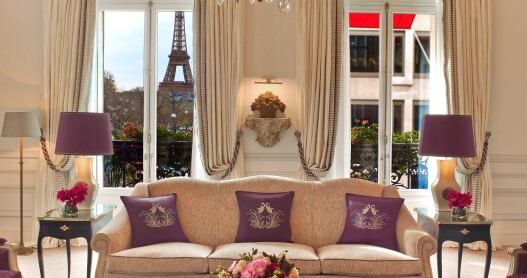
There’s nothing dreamier than a room with a view, and these luxurious hotels are perfectly positioned to give you the best views of some of Europe’s most memorable sights.
RESOURCES TO HELP PLAN YOUR TRIP
A tribute to the zinfandel grape, which originated in Croatia, this restaurant and bar features a zin-centric wine list but also showcases regional favorites like Plavac and Dingač. Of its 100 wines, it offers about 30 by the glass, encouraging guests to taste their way through Croatia’s wine heritage. Pair your drinks with one of the restaurant’s three-tiered platters, which come loaded with Dalmatian bites, then settle in on the terrace for some live music. If you’re hungry for a full meal, opt instead for the five-course “Taste of Dalmatia” menu, which includes everything from seared Adriatic tuna and homemade oxtail ravioli to calamari stuffed with ricotta and sun-dried tomatoes. Come morning, Zinfandel also serves breakfast, which diners can pair with champagne or fig-flavored travarica, a local herb grappa.
Catch a taxi at the Old Town’s main bus station and head to Korčula’s first organic wine producer for a taste of the island’s traditional wines. A century after the indigenous grape variety grk disappeared from Korčula, vintner Frano Milina replanted it and started making what is now his signature Bire Grk white. Today, he offers daily tastings at the winery between 10 a.m. and midnight.
Starting at the sea gate, pick up a map from the tourism board office to get oriented. Then, wander past innumerable shops and cafés, taking note of Korčula’s fishbone layout, which was intended both to protect the town and make use of local winds. Also be sure to admire Korčula’s signature stonework, best displayed in the Gothic-Renaissance-style St. Mark’s Cathedral.

Barba offers a fresh take on fast food, serving tasty items like octopus and shrimp burgers, anchovy sandwiches, and fried calamari, all made with today’s catch. Located on a small side street off Stradun, the shop is tiny and friendly—the perfect pit stop during a day of Dubrovnik sightseeing. Snag the prime table by the front window and watch the rivers of people entering town through the Buža Gate as you eat. Then, be sure to contribute to the restaurant’s growing collection of wooden forks, on which customers from all over the world write messages commemorating their travels.
One of Dubrovnik’s oldest fortresses stands atop a 100-foot rock, guarding the western land entrance to the Old Town. Vigilantly turned toward Venice, it serves as a monumental tribute to Dubrovnik’s foresight, encapsulated in the motto of the Ragusan Republic engraved above the main entryway: “We do not sell our liberty for any gold in the world.” After entering the Old Town through the Pile Gate, walk down to Kolorina Bay and climb the stairs to the fortress. Because it’s far less busy than the city walls, the theatrical space offers a more intimate way to experience Dubrovnik’s history and charm, with breathtaking views to boot.
Buda Bar, on the other side of the Havana tunnel in Cabaña, is a meditation center by day and a bumping party by night. Go after 10PM from Friday to Sunday to hear anything but reggaeton, play domino, or get your future told by an Osho card reader underneath the trees. Ask a young local for directions, as the spot is somewhat secret!
This museum was once the home and studio of famed Ecuadorian painter Oswaldo Guayasamín, who happened to be a supporter of the Cuban Revolution and painted Fidel Castro on several occasions. Exhibitions in the patio-like first floor feature international artists of diverse backgrounds, while the permanent exhibitions upstairs give you a view of the artist’s work and living quarters.
A stone’s throw from downtown Split, Marjan is a hilltop park about the same size as New York City’s Central Park. Known as “the lungs of the city,” it’s the ideal urban escape, offering places to run, bike, swim, and even rock-climb. A serene path through fragrant pine forests leads up to Telegrin Peak, revealing charming chapels and sweeping sea views. Along the park’s waterfront, there are also several popular beaches, Kašjuni Cove being the favorite.
The Adriatic Luxury Hotels group offers a number of lodging options in the city. The landmark Excelsior is a short walk from Old Town and faces the Adriatic. A recent renovation updated the 158 large guest rooms with natural tones and dark-wood furnishings.—David Farley

This appeared in the March/April 2018 issue.
If you’re looking to escape the tourist hubbub in Dubrovnik’s historic core, follow the locals to Lokrum. Just a 15-minute ferry ride from the Old Town, the island offers magnificent nature walks through botanical gardens and olive groves. Paths climb up to sites like the oldest Benedictine monastery in the region and Napoleon’s Fort Royal at the very top, passing native peacocks along the way. Come for a relaxing stroll, a picnic in the shade, or a refreshing dip in the sparkling Adriatic.