Australia

The land down under may seem like a world away, but it’s a dynamic destination that caters to music lovers and fashionistas, urban adventurers and discerning gastronomes, the nature-intrigued and seasoned outdoors explorers. Now reopen to international travelers, Australia beckons with all that it offers. You may come for the very great barrier reef in Queensland and discover scuba diving led by Indigenous guides; or pair Victoria’s ski scene with its wine scene. Maybe you should consider a longer trip...

Australia7.jpg
Overview

When’s the best time to go to Australia?

It’s hard to find a wrong time to visit Australia. Winter is June to August, when most of Australia hits a low season. This is the time to ski in the Kosciusko National Park or on Victoria’s Mount Hotham. It’s also the best time to visit northern Australia.

Between May and September the Northern Territory, northwestern Australia, and Queensland offer ideal weather. In summer, these areas swelter, either too humid or too hot, inciting some travelers to make a U-turn to more friendly climes down south.

From September to May, southern Australia is at its peak. Every other traveler looking for antipodean escapades arrives at this time of year, but there’s plenty of land to go around. December to February have most Sydneysiders and Melbournians pumping up the air-conditioning, while braver tourists define new tan lines on Bondi and Manly beaches.

How to get around Australia

They don’t call Australia “the land down under” for nothing. It’s a long flight from just about anywhere. And once you’re here, the various must-see destinations are spread over vast distances, so some logistical planning is necessary.

As of 2022, there were nine nonstop inbound flights to Australia from the U.S., stopping in Sydney, Melbourne, Brisbane, or Perth. Interstate flights are easily accomplished via Qantas, Jetstar, Tiger, and Virgin.

To see the whole continent in under a month is a serious undertaking and will involve trains, planes, a few automobiles, boats, and a ferry or two.

A less daunting project would be to take on the East Coast in one trip, spending time in Sydney and Melbourne, exploring Adelaide and the Great Ocean road by car, taking a car-ferry or flight to Tasmania, popping in to Canberra, and jetting up to Queensland for the tropical experience.

Western Australia is simple to navigate by train, car, or tour bus, but don’t even think about going into the outback alone in summer.

The interior outback, known as the Red Center, is best reached by organized tour, available as luxury excursions, adventure operations, backpacker units, and every other imaginable collective. You can take four-wheel-drives off road, but carry water (five liters per day, per person), bring a high-frequency radio transceiver, and be sure to respect Aboriginal sacred land, national park rules, and animal crossings at dusk and dawn. (Neither party comes out well from an on-road clash with a large kangaroo.)

Food and drink to try in Australia

Foreigners’ overused jokey adage to “throw another shrimp on the barbie” no longer sticks. First of all, Australians call them prawns. Second, Australian gastronomy has surpassed the humble barbecue. It remains a happy summer stalwart in backyards across the country, but what happens elsewhere is more interesting. The country’s food scene has been largely overlooked abroad, and for the most part the global food media have shunned Australia’s culinary experience, focusing instead on its cuddly native critters and extraordinary landscapes. It’s also true that the nation’s food culture is really coming of age. What was a less than inspiring restaurant scene just a couple of decades ago has blossomed in recent years. Restaurants such as Attica, Quay, Sepia, and Flower Drum can stand up to the world’s best.

Culture in Australia

The new year kicks off the traditional cycle, and less than a month later the country celebrates Australia Day. Officially it marks the anniversary of the arrival of the British in Sydney on January 26, 1788. Mindful of the original inhabitants of the land, the day is now simply a celebration of being Australian. Folks light the barbecue, play cricket on the beach, and take to the outdoors. Every happy Australian stereotype comes out on one glorious public holiday. Parties don’t come much more mind-blowing than the Sydney Gay and Lesbian Mardi Gras Parade, the biggest of its kind in the world. Go along to cheer on the sequined, feathered, Lycra-wearing ensemble as they celebrate equal rights.

Hippies, rockers, folk fans, indie types, country listeners, jazz groovers: There are festivals across Australia for every sort of music lover. Travel north to Byron Bay to revel in the stunning bushland setting of Splendor in the Grass, and go to Victoria for the Falls Festival, relocated from Tasmania following a two-year pandemic hiatus. See where Keith Urban started his career at the Tamworth Country Music Festival. There’s Tropfest for film lovers, and the Sydney, Melbourne, or Byron Bay Writers Festivals for the more literary.

Local travel tips for Australia

Australia is a wide, stunning, varied land. To travel around it well requires great research and good advice. Locals love nothing better than spouting off about their favorite places, the best eats, the must-nots and must-dos. “Shout” (buy) a local a beer and you’ll get better insider advice than you could from a guidebook, and probably a really good laugh.

READ BEFORE YOU GO
HOTELS
These 19 hotels around the world immerse you in their destinations while carving out space for unhurried time together.
Sure, the beaches and views are great. But these islands excel with sustainable innovation, rich local traditions, and unique accommodations.
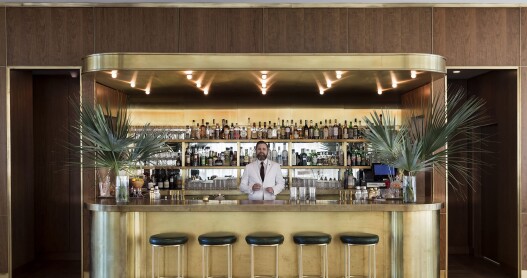
From lobby bars to rooftop lounges, these are the hotel bars Afar editors love checking out when they’re checking in.
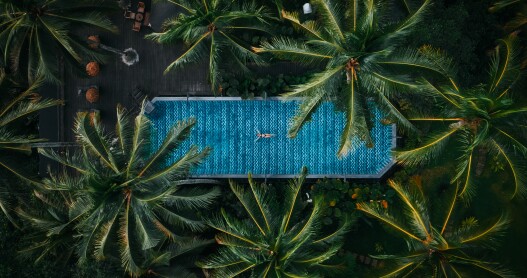
These hotel pools around the globe are worth building a trip around.
AFAR’s picks for the 31 best new hotels in the world.
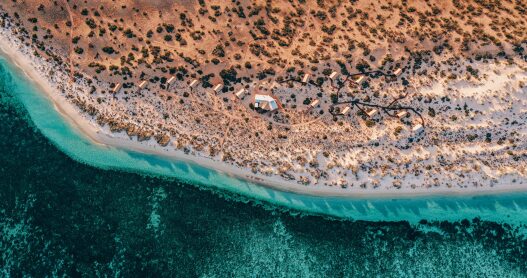
After having been decimated by wildfires in 2020, Southern Ocean Lodge in Australia is back—and it’s better than ever. Here’s a firsthand look at the reimagined retreat.
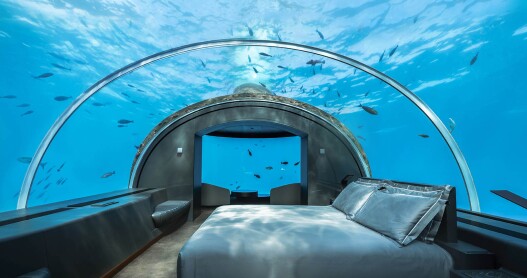
Sleeping with the fishes takes on a whole new meaning at these villas and suites under the sea.
There’s no shortage of luxury lodges, urban retreats, and pretty beach houses in Oz—but these are our favorites, from coast to coast.
Hotels can introduce their guests to the creativity that surrounds them—and reveal canvases visitors may not otherwise see.
Whether you’re after a view of Sydney Harbor or a neighborhood hangout with one of the best restaurants in town, these are the 15 best hotels in Sydney.
RESOURCES TO HELP PLAN YOUR TRIP
The first Tasmanian winery to achieve biodynamic certification has a new restaurant and tasting room that doubles as a biodynamic wine information center. Sample limited-edition bottles such as the Settebello single-block pinot noir at the cellar door, or order your favorite vintage alongside a rustic Italian dinner at farm-to-table Osteria.
Situated on a farm a 50-minute drive northwest of Hobart, Two Metre Tall’s brewery is worth the detour. On Fridays and Sundays, the outdoor bar serves experimental beers and ciders made with local apples, hops, and other ingredients. Don’t miss the beer-fed local beef, which visitors can barbecue on-site.
The Sydney Fish Market hosts the largest daily fish auction in the southern hemisphere. That means about 2,700 crates (or 50-55 tons) of more than 100 species of the freshest catch from Australia, New Zealand, and the Pacific Islands is sold every single day. Simply browsing the stalls or downing fresh tiger prawns and Sydney rock oysters on the Pyrmont waterfront is satisfying, but there are more unique ways to discover the market, whether it’s through a cooking class at the Sydney Seafood School—the city’s oldest culinary institution—or a 6:40am behind-the-scenes tour. The latter is the best way to see the daily auction in action and learn about the market’s efforts to promote marine stewardship.
The largest and most storied of the Sydney Harbour islands, Cockatoo was once an Aboriginal fishing ground, a naval shipyard, a girls’ reform school, and a gruesome prison. Today, it offers fascinating walking tours, a casual café, and a number of events such as the Biennale of Sydney. When most visitors line up in the evening to catch the ferry home, those staying on the island are just setting off on a leisurely sunset stroll. They can watch the city light up from what feels like another world and then retreat to their campsite, canvas “glamping” tent, heritage home, or modern apartment until they wake up to birds and boats the next morning.
Chef Bill Granger started his first restaurant in Darlinghurst at age 24. Since then, his sunny Aussie eatery (most famous for its creamy scrambled eggs, ricotta hotcakes, and crunchy corn fritters) has spread to Surry Hills as well as Honolulu, Seoul, London, and four locations in Japan. The newest Australian outpost of Bills in Bondi Beach is bright and communal, spilling out on to one of the area’s most lively streets. Arrive early to avoid the long queue for weekend brunch, and sample everything from house-cured gravlax to the fried rice bowl with kimchi. Dinner (at the Bondi and Surry Hills locations only) is a more intimate, candle-lit affair, with interesting Aussie-Asian plates like tea-smoked trout salad, fish curry, spicy pork belly, and Japanese-style steak.
What started as an outback resort known as Wrotham Park Station in far north Queensland was bought by Indigenous Business Australia, dismantled, and loaded on 18 triple road trains (each roughly the length of three semi trucks) for the journey 1,740 miles across rain forest and desert to the Northern Territory’s Mary River Wetlands, about an hour and a half from Darwin, adjacent to Kakadu National Park. Safari tents from Kenya were added to the modern “Habitats” and restaurant and bar to complete the immersive Australian wilderness retreat. Like the world’s best safari camps, Wildman Wilderness Lodge has a spacious wooden deck with an infinity pool and daybed-style lounge chairs that encircle a fire pit. This is the place to watch the sun set and look for the area’s wallabies, dingoes, water buffalo, wild pigs, native birds, and two resident saltwater crocodiles known as Big Arse and Fat Arse.

The Mary River Wetlands are known for having the highest concentration of saltwater crocodiles in the world, and the lily-studded floodplains are prime habitat for barramundi, which the restaurant often cooks for dinner. Open March through November, the lodge treads lightly on the landscape and is culturally connected to the native Limilngan, Unwynmil, and Wulna people, who have lived in the area for thousands of years.
Owned by Terry Kaljo—a former model and founder of the Contemporary Hotels collection of upscale rental homes and villas—the Medusa Boutique Hotel offers 18 unique accommodations in Darlinghurst, an eclectic area and the epicenter of Sydney’s gay community. The 19th-century home is filled with wacky touches, from red Alice in Wonderland–style carpeting that runs up the grand staircase to pastel-pink walls studded with maple leaves in the entryway. The midcentury-modern rooms—with their retro primary colors, geometric patterns, and vintage chaises longues—attract fashion, media, and design professionals looking to get beneath the surface of one of Sydney’s liveliest neighborhoods. But there’s still the opportunity to relax, as guests can settle in next to the fireplace in the lobby to read the newspaper, enjoy a complimentary pastry, or make new friends. Longtime staff members offer the kind of local knowledge and personal attention that keeps guests coming back.
Formerly the 1888 Hotel.
What used to be a wool shed in the middle of a sheep farming area is now a youthful hotel that celebrates the Pyrmont district’s heritage while featuring the full suite of modern amenities. Opened in 2013, the hotel is an extravaganza of wool, which is found in the felted black lampshades attached to old pulleys in the lobby, in the lower wall panels in the hallways, and as carpeting throughout the building. The old Wool Brokers Arms is visible across the street from the heritage rooms on the west side of the hotel. Modern and cheeky touches also abound at this boutique property, known as the world’s first Instagram hotel. There’s an empty “Selfie Frame” hanging amid mismatched furniture in the lobby, and guests with at least 10,000 Instagram followers are offered a free night’s stay. (Mere Instagram mortals have a chance to win, too, by using the hashtag #1888hotel to be entered into a monthly photo contest.) 1888 is also a leader in sustainability; the hotel preserved the building’s original ironbark beams and built desks from recycled floorboards. The minibar is more conscious than usual, too, stocked with Alter Eco chocolates, Charlie’s juices, coconut water, and fresh milk. The best things about 1888 are the little surprises. Even the hotel’s name has a double meaning: 1888 was the year the building was constructed but was also the year that the Kodak camera debuted.
Opened in time for the 2000 Sydney Olympics, the Establishment is a pioneering 31-room boutique hotel housed in an 1890s steel plant near the modern-day stock exchange building downtown. Managed by the hospitality group Merivale—which started as a fashion house specializing in fascinator hats and mini skirts—the hotel is popular among brand executives who book the 328-square-foot Loft Penthouse for product launches and photo shoots. Rooms feature wood furnishings, swinging metal doors, animal hides, and suedelike daybeds as well as such amenities as Apple TV, Bose surround sound, and Lululemon yoga mats. Bathrooms are particularly luxurious here, with marble floors, freestanding tubs, Bulgari products, and tall windows that open up to Sydney’s bustling business district. The best part about the Establishment, though, is the internal access it offers to some of the city’s hottest bars and restaurants, which are housed within the same complex as the hotel. And after enjoying live music and a few stiff cocktails at the speakeasy Palmer & Co, guests are welcomed to bed with Sleep Tight tea and a homemade chocolate chip cookie.
Chiseled from a sandstone-and-brick wool factory on the site of Sydney’s first hospital, the Harbour Rocks Hotel is one of the most historic accommodations in the Rocks—and maybe the most haunted. Hotel staff say part of the building, named Scarlett’s Cottages after a well-known lady of the night, is watched over by Eric, a man who once lived here and who still searches for Scarlett in the labyrinthine corridors after she swore her love to him and then disappeared. Ghosts aside, the hotel’s 59 rooms are peaceful, with high ceilings, Georgian arched windows, brick walls painted dark gray, Old West–style textiles, and wool carpeting that recalls the building’s former life. The place is filled with fun artifacts, too, from the ancient luggage lift to old maps and letters framed on the walls. The early-20th-century history that pervades the building is also found in every direction outside its doors.