
Spring is one of the most perfect times to travel, a shoulder season that brings mild weather to many spots around the world. And if you time it right, this is also when the crowds thin out before summer unleashes the masses (as long as you time your visit around school break peaks). To take advantage of the timing and the climate, we’ve spotlighted a few of our favorite places, with ideas for things to do and places to stay, so that you can make a smart spring escape and avoid peak-season crowds.
Freiburg im Breisgau, Germany
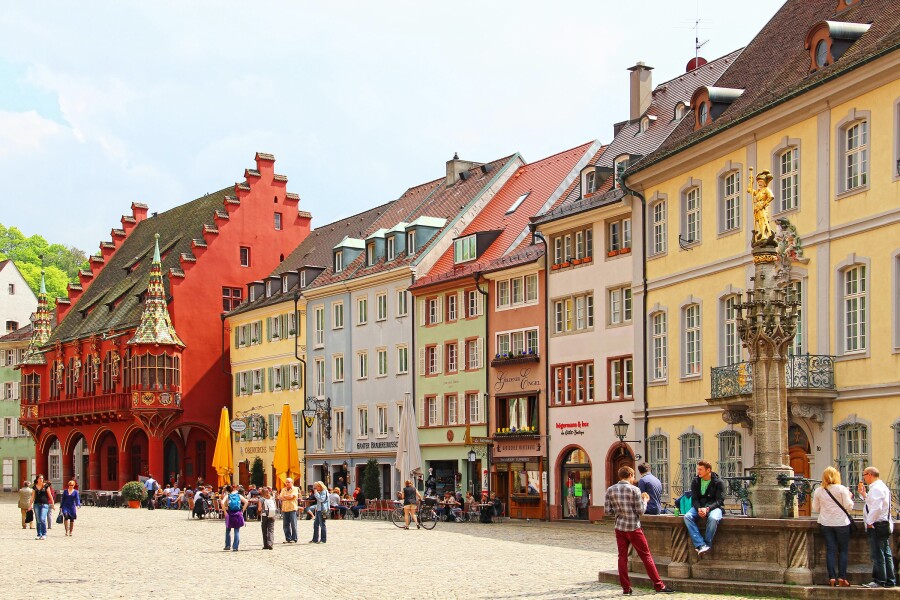
Billed as the gateway to the Black Forest (the setting for many a Brothers Grimm fairy tale) and bordering France and Switzerland, Freiburg is Germany’s southernmost city. As such, it enjoys comfortable temps and plenty of sunshine during spring. Seemingly plucked out of a storybook, this medieval city was one of our Where to Go 2025 picks thanks to its labyrinthine lanes, turreted facades, and a Gothic brick cathedral (Münster). Amble about and soak up the atmosphere, stopping at churches and markets. One of the oldest beer gardens in the region, Kastaniengarten, has terrific views of the city from a hilltop (as well as pretzels and bratwurst).
Another reason to visit: Opened in March 2025, the Dokumentationszentrum Nationalsozialismus Museum investigates the rise of, and resistance to, National Socialism i (a movement that would eventually lead to the rise of Nazi power preceding World War II).
Where to stay: Colombi Hotel
- Book now: Colombi Hotel
Just beyond the historic Old Town, the 112-room Colombi Hotel is by far the city’s fanciest digs. Snag a table at the on-site Michelin-starred restaurant, Zirbelstube, and work off the meal the next morning along forest trails that can be accessed right from the property.
Miami, Florida

Stop in Little Havana to watch domino games at Domino Park, or walk along the BayWalk in the Downtown and Brickell neighborhoods.
Photo by Photoluminate LLC/Shutterstock; photo by ALBERTO GV/Shutterstock
Miami is the cooler, more creative sibling to flashy and famous Miami Beach—a playground for in-the-know lovers of food and art who prefer to spend their getaway sampling the city’s cultural and culinary scene rather than its clubs and beaches. Spring is an ideal seasons to visit: It’s not too hot yet but full of sunshine, and if you time your trip before or after school breaks, you’ll have enough fellow travelers to make the city feel lively but not too crowded.
Base yourself downtown or in the adjacent, waterfront Brickell neighborhood, and you’ll be a 10-minute Uber ride from everything you’ll want to do and see (as opposed to 30-40 minutes if you stay on Miami Beach). Your weekend itinerary should include a tour of the outdoor graffiti museum known as Wynwood Walls (they offer by foot and by golf cart) and an afternoon wandering the edgy contemporary exhibits of the Pérez Art Museum. Leave time for lunch at the museum’s restaurant, Verde, where buzzy chef Valeri Fuentes creates dishes inspired by artwork in the galleries (try the falafel appetizer called Dagger to Your Heart).
Afterward, take a breather at your hotel’s pool (we love the butlered cabanas at the Four Seasons Miami) before heading out for a late dinner in Little Havana and free Thursday-night salsa dancing at Ball and Chain on the neighborhood’s bustling main strip Calle Oche.
Then spend the rest of your trip restaurant hopping to get to know a few more of Miami’s up-and-coming chefs: Juan Camilo Liscano of Palma, who won the Michelin Guide’s Best Young Chef Award in 2025 for his fresh seasonal tasting menu in unassuming digs in Little Havana, and Diana Martinez, who’s bringing bright local flavors to sushi scene at Uchi Miami in Wynwood.
Where to stay: Four Seasons Hotel Miami
This well-placed Four Seasons Hotel Miami gives you all the pampering that the Four Seasons brand delivers, while being in the heart of the city (the area’s other Four Seasons is on the far north end of Miami Beach). Spring for a bayfront room for the huge windows with huge views (especially spectacular at sunrise), and be sure to make time to linger at the newly updated pool deck, which has thatched cabanas, an outdoor grill, and its very own palm-filled oasis where hammocks sway over a shallow wading pool. Formerly thought of as a business hotel, this Four Seasons is changing that perception with chill DJ sets in the lobby bar and a new retro-inspired cocktail bar opening in April 2026 (order the Tomato and Vine and thank me later; it’s a liquid version of a caprese salad). The property’s Nuna restaurant is by the Peruvian-Japanese chef Jaime Pesaque, whose Mayta, in Lima, is catching eyes too.
Related: 4 Days in Miami: Coastal Horseback Rides, Jazz Under the Stars, and Cuban Coffee Culture
Malta

The Mediterranean island nation of Malta has three UNESCO World Heritage sites.
Courtesy of Shutterstock
The archipelago of three islands 60 nautical miles or so off Sicily’s south coast is a place where the weather’s usually balmy in spring—much nicer than the often-oppressive heat of midsummer—and there are countless, little-known cultural sites that more than match better-known spots in Rome or Athens. Spring is also a good time to get ahead of the summer crowds from Europe, which could be increased this year as Delta launches its first nonstop flight from the U.S. (out of New York’s JFK) to the main island of Malta in June. Though your choice of things to do will help with that as well.
Spend a few days on the quieter northernmost island of Gozo, accessible only by ferry (don’t worry, they run 24 hours and take only 45 minutes). It’s a 2026 European Region of Gastronomy award, so snack your way through local cheeses, oranges, pastries, and UNESCO-recognized bread called ftira.
Back on Malta, visit the Hypogeum. Tucked under a side street in the town of Paola on Malta, it’s one of Europe’s most underrated but important Neolithic sites: a warren of tunnels carved out of limestone more than 5,000 years ago. The burial ground and temple were unearthed when someone tried to build a drainage channel for a modern house; to prevent the dampness of visitors’ breath from damaging the extraordinary artworks daubed on the walls, entry is limited to 80 people per day. For more modern finds, head to MICAS, the contemporary art museum that opened in the capital city of Valletta at the end of 2025; it’s a glass box bolted onto the centuries-old fortified walls of the city.
Earlier in the spring, you can time your visit to April’s International Fireworks Festival or May’s Ghanafest celebrating the island’s unique folk music. There are more music and yacht events come fall, plus Pride in September, so even if you can’t make it here in spring, keep it in mind for the other shoulder season.
Where to stay: The Phoenicia
The handiest place to sleep is the Phoenicia, right outside the main city walls of Valletta: The large rooms are comfy, and there’s a lovely, chintzy lobby that’s more like an English country house than a Mediterranean manor.
Cartagena, Colombia

Cartagena is a short flight from the U.S. East Coast.
Photo by Ricky Beron/Unsplash
Less than a five-hour flight from New York City, Cartagena’s UNESCO-designated historic district charms with its colonial mansions repurposed into cafés and boutiques and squares where colorfully dressed palenqueras sell tropical fruits. Pleasant spring temps (think low to mid-80s), with a bit of a breeze from the Caribbean coast, allow for plenty of exploring on foot, including the nearby mural-covered Getsemaní neighborhood.
If you only have time for one tour, let it be a food tour inspired by Colombian writer Gabriel García Márquez, featuring a guide who plays audio passages mentioning food from García Márquez’s novels, such as Love in the Time of Cholera, and then takes visitors to taste that very same dish. But if you have more time to spend getting outside the city, board a three-day Magdalena river cruise with AmaWaterways, which recently launched sailings between Cartagena and Barranquilla.
Where to stay in Cartagena
Set within 17th-century mansions, sister properties Casa San Agustín and Casa Pestagua are the premier addresses: They have sprawling rooms, four-poster beds, and period furnishings, plus impeccable service (ask the team to book a table at award-winning Celele restaurant). The much-anticipated Four Seasons Cartagena opens in mid-2026.
Paso Robles, California
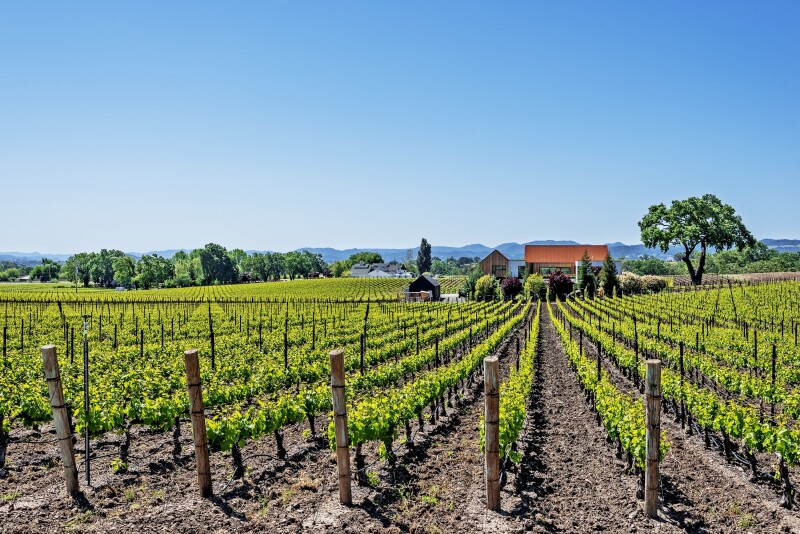
The Paso Robles American Viticultural Area, along California’s Central Coast, has more than 200 wineries.
Photo by randy andy/Shutterstock
Although winemaking in the Paso Robles area dates to Franciscan friars planting grapes at the nearby Spanish missions in the 1790s, the region remains a bit unsung compared to Napa and Sonoma. All the better for those in the know: Along with mild temps, spring brings the arrival of wildflowers and poppies along the many oak-studded country roads. Sip the fruit-forward Estate Pét Nat (a blend of grenache, cinsault, and viognier) at family-owned, solar-powered Thacher winery, and take in the panoramic views of the surrounding hills from Booker’s indoor-outdoor tasting room.
Afterward, hop around the downtown park, which is lined with wine bars and tasting rooms like Hope on the Park. Check out Paso Robles General Store and Brown Butter Cookie Company, and yummy eats like Finca, a fun Mexican spot within the Paso Market Walk complex.
Where to stay in Paso Robles
Choose from the upscale Piccolo, a mere half block from the downtown park, with 24 loft-like rooms and a rooftop bar, and Farmhouse, a motel made over into chic, sunny cottages with vaulted ceilings and Zellige tile bathrooms.
Chiang Rai, Thailand

White Lotus season three drew travelers to the Thai island of Koh Samui, but northern Chiang Rai, with sites like Wat Rong Khun, is a bit less of a crowd magnet.
Photo by Aleksandra B./Unsplash
While many will consider heading to the likes of Bangkok and Phuket in the spring after seeing season three of The White Lotus, consider traveling to less-crowded Chiang Rai. In the mountains in northern Thailand, Chiang Rai is a province at the borders of Myanmar and Laos, where the Ruak and Mekong rivers meet. This geography has informed the region’s culture, with influences from native hill tribes, Lanna heritage (the reigning kingdom in the north prior to Thailand’s integration into one country), and centuries of Burmese rule.
The eerily beautiful and intricately carved Wat Rong Khun, or White Temple, is a must-visit, along with the blue-hued Wat Rong Suea Ten. Once you’ve had your fill of temples, step into the jungle interior for a waterfall hike within Lam Nam Kok National Park. Like other Thai cities, Chiang Rai boasts its fair share of markets and night bazaars, where visitors can browse Thai handicrafts and sample khao soi (a curry noodle soup that’s a northern specialty) and mango sticky rice at their own pace.
Where to stay: Le Méridien Chiang Rai Resort
The 159-room Le Méridien Chiang Rai Resort sits by the Kok River and close to landmarks like the Blue Temple, Wat Rong Suea Ten, and the Chiang Rai Clock tower. Take advantage of this low-key spot with a dip in its riverside swimming pool.
Related: How to See Thailand’s Wonders Without Feeling Like a Tourist
Kauaʻi, Hawai‘i

May is an ideal time to visit Kaua‘i, thanks to less rain and fewer tourists.
Courtesy of Braden Jarvis/Unsplash
With towering, razor-sharp ridges along the coast and a rainforest interior, Kauaʻi may be the most dramatic of the Hawaiian Islands. It’s also typically less congested than Maui or O‘ahu. Take advantage of the off-season period from April to May by hiking along emerald cliffs in Waimea Canyon, spotting sea turtles as you snorkel, or taking to the sky in a helicopter to see sites featured in Jurassic Park. (You may even catch a double rainbow as the mist lifts.)
Add a visit to Lydgate Farms, a fifth-generation family-owned cacao farm, and join a three-hour tour that covers the chocolate making from bean to bar. The best part, of course, is sampling cacao nibs, loads of fresh fruit and nuts, as well as honey, along the way.
Where to stay on Kauaʻi
Along the island’s notoriously wetter North Shore, the 1 Hotel Hanalei Bay, a revamp of the St. Regis Princeville, made waves when it opened two years ago. Further south, Timbers Kauaʻi, an oceanfront complex of contemporary residences, has an on-site farm that guests can tour. (A freshly picked basket of papaya and pineapple also awaits in rooms.)
Related: Gorgeous Beaches, Small Towns, and Waterfalls: This Is One of the Most Beautiful Islands in the U.S.
Pella, Iowa

Pella’s Tulip Time festival celebrates the area’s Dutch heritage with fields of tulips, windmills, and traditional costumes.
Photo by Bella Bender/Shutterstock (L); photo by yosmoes815/Shutterstock (R)
While many people think of the Netherlands or Japan for spring flowers, Pella is a lesser-known place for flora within U.S. borders. Forty miles southeast of Des Moines, Pella was first settled in 1847 by immigrants from the Netherlands looking for religious freedom. Today, the Midwest town’s Dutch heritage is on full display from a working grain mill (anointed the Vermeer Windmill) to Tulip Time, an annual three-day tulip festival with some 300,000 flowers in early May.
In the heart of Pella, a multi-building historical village showcases what life would have been like in the pioneer days, from a replica of a sod house to a blacksmith and a wooden shoe shop. Afterward, seek out Dutch pastries and almond-filled letter cookies at Vander Ploeg Bakery, or pop by Frisian Farms Cheese House to sample small-batch Gouda.
Where to stay: Amsterdam Hotel
Well located and contemporary, the 38-room Amsterdam Hotel is an easy walk to coffee shops, eateries, and the historic opera house. Ask for a room facing the windmill.
Related: 15 Places to See Cherry Blossoms Across the United States
Jackson Hole, Wyoming

Grand Teton National Park, Jackson Hole
Photo by Ben Emrick/Unsplash
Don’t assume that ski-centric destinations lose their luster the moment snow starts to melt on the slopes. In fact, they’re often some of the most appealing out-of-season spots, as their other assets aren’t overshadowed by the superb skiing.
Jackson Hole is a prime example. It’s known for skiing in winter, and its summertime features a vibrant whitewater-rafting scene—but spring is also trip-ready. Grand Teton and Yellowstone National Parks may be a little muddy, but their rugged beauty is much more evident in spring than in high-traffic peak times. The wildlife, of course, is less skittish with fewer people around; plus, animals are raring to go after emerging from their winter slowdowns. Expect particularly frisky bison and elk, which begin to migrate north for summer around this time.
The Old West Days Festival is a staple of the springtime here, too. The late-May bash is a tribute to the western culture of the area, whether via the High Noon Chili Cook-Off between local restaurants or Teton Powwow, showcasing Indigenous dances and traditions.
No matter what time of year you get to Jackson Hole, be sure to look up. Teton County was recently designated an International Dark Sky Community, and the airport (the only U.S. airport inside a national park) was certified as an Urban Night Sky Place.
Where to stay: Amangani
The ultra-luxe Asia-originated chain opened Amangani, its first stateside property here, a 40-room resort with a heated outdoor infinity pool overlooking the rugged landscape.
Related: This Popular National Park Now Has the Country’s First Dark Sky Airport
The Hamptons and Shelter Island, New York

view to traditional historic house at shelter Island with ticket office for south ferry, USA
Photo by travelview/Shutterstock
Think the best time to visit Long Island’s Hamptons is summertime? Think again. If you’d prefer to enjoy the east end’s bucolic calm, squeeze in a trip in springtime, when the locals far outnumber visitors and you’re likelier to spot a line outside a farm stand rather than a nightclub.
The standout spot right now is the most isolated enclave of all: Shelter Island.
It’s an almost 30-square-mile spot wedged between the north and south forks at Long Island’s farthest east end, and though it isn’t officially part of the Hamptons in a geographic sense, it’s an extension of that vibe and exclusivity. Take a 10-mile bike ride around the entire island, about a third of which is a protected nature preserve, or hang out on one of the beaches at sundown. If you want to take the plunge into the brisk Atlantic waters, try Shell Beach, where the kayaking and paddleboarding are easier thanks to the protected inlet of West Neck Harbor.
Where to stay: The Pridwin
The Pridwin is another hotel that’s undergone a radical reboot, after the longtime owning family partnered with developer Cape Resorts: The 10-acre property has 16 new cottages dotting its grounds.
This article was originally published in January 2025 and most recently updated on February 25, 2026 with current information. Additional reporting by Billie Cohen.


