Charleston

With its antebellum architecture and pastel palette, Charleston is a living painting. Visit historic points of interest, and explore the cobblestoned walkways hidden between lamp-lit streets lined with palmettos. While quaint, the city bursts with culture and creativity, managing to embody Old World charm as well as a cosmopolitan sense of the present. Travel farther north to neighborhoods like Cannonborough, Elliotborough, or Wagener Terrace and you’ll find a dynamic scene populated by the city’s growing creative class. For the full Lowcountry experience, try to also steal some time off the peninsula to check out the swamps, creeks, and beaches.

Charleston-shutterstock_2071518224.jpg

Photo by f11photo/Shutterstock

Overview

When’s the best time to go to Charleston?

It’s hard to beat the mild temperatures of springtime in Charleston, when the azaleas, magnolias, and jasmine are in bloom. Locals cope with the summer humidity by boating or heading to the nearby beaches. In the winter, they string the palmetto trees with Christmas lights and doll up historic homes with festive decorations.

How to get around Charleston

The Charleston International Airport is located about 20 minutes from downtown Charleston by car. Taxis cost about $30, while shuttles—which run every fifteen minutes and don’t require reservations—cost $14 per passenger. Stay downtown so you can wander out your front door without worrying about transportation—sneakers or flats are recommended for the uneven sidewalks and cobblestoned streets, and bike taxis, known as “pedicabs” or “rickshaws,” are good for longer trips. The city’s Holy Spokes sharebike program has rental options that range from one hour ($8) to a year and allow quick trips around the peninsula.

A rental car (or a cab budget) is necessary if you plan to enjoy the beaches, golf courses, plantation houses, and surrounding sights, all of which are well worth the short drive out of town. Charleston is also an easy road trip away from places like Atlanta, Charlotte, Columbia, and Jacksonville.

Can’t miss things to do in Charleston

The best way to get to know the city? Get lost in the quieter streets downtown. Just wander the back alleys of a residential neighborhood like Ansonborough or Harleston Village. Then ramble through one of the myriad graveyards dotting the city for a taste of what makes Charleston unique.

Food and drink to try in Charleston

- With everything from Southern comfort classics to more adventurous cuisines, and white-tablecloth dining rooms to lunch counters, Charleston does dining right. Here, local ingredients dominate menus, as has been the tradition with Lowcountry cooking since its inception in colonial times. You’ll have no trouble finding Southern fare like shrimp and grits, Frogmore stew, and pork barbecue.

- In recent years, young chefs and restaurateurs have also brought new ideas and international flair to the city, drawing accolades and making Charleston a destination for the food-minded. In addition to iconic regional dishes that must be tried to taste the flavors of the city, new restaurants continue to open and keep Charleston’s food scene active, challenging, and influential.

- A spate of breweries and distilleries have opened up, mostly outside the boundaries of the historic area so that they can sprawl comfortably in restored warehouse and manufacturing buildings. You’ll find their wares served around the city, and you can go to the source to do your tasting, too: Most operate tasting rooms.

Culture in Charleston

Charleston is rich with politesse, history, and traditions. One of the city’s main cultural draws is simply strolling the picturesque streets to admire the architecture, from narrow colonial buildings to grand antebellum mansions and the modern flourishes that private owners have achieved within the strict building and historic preservation codes. Several house-museums, both privately owned and ones operated by Historic Charleston, open daily for public tours and provide insight into the lives of the city’s previous residents, both free and enslaved. Charleston—often referred to as the Holy City—also features a wealth of historic churches and synagogues, many of which are open to visitors. The French Quarter has a clutch of art galleries as well as the Gibbes Museum of Art. Also in the French Quarter, continue your exploration into Charleston’s history and culture at the Old Slave Mart Museum and the new South Carolina Historical Society Museum.

The biggest event in Charleston each year, the Spoleto Festival, takes place at the end of May, with everything from outdoor jazz performances to full-scale operas. Piccolo Spoleto, a showcase for local artists, runs alongside the larger festival. Other annual events draw visitors all year long, and keep the locals busy, too. Visitors should also consider planning their trip around the Southeastern Wildlife Expo (which brings tens of thousands of nature aficionados to the city), the MOJA Arts Festival (which celebrates African-American and Caribbean culture with performances, parties, and parades), or the Charleston Wine + Food Festival (which has quickly become one of the city’s main events).

Local travel tips for Charleston

- Don’t be afraid to make eye contact and smile at strangers on the street—and don’t be surprised if they do the same. Southern politeness is not a myth.

- Street parking is expensive and hard to find. That’s what all the golf carts are about.

- Hasell Street is pronounced ‘hazel’ and Lagare Street is pronounced ‘la-GREE’ (like the villain in Uncle Tom’s Cabin).

- Happy hours start early, some by 3:30 p.m.

Guide Editor

Essentials, Best Things to Do, and food coverage by Charleston-based writer and author Stratton Lawrence (@StrattonBlueSky). Hotels coverage by travel and food writer Devorah Lev-Tov (@devoltv).

READ BEFORE YOU GO
The Cooper opened March 30, 2026, introducing the city’s first luxury waterfront hotel on the Cooper River, steps from the historic district.
HOTELS
The stylish, residential-feeling new Nickel hotel in Charleston is in a neighborhood known for its historic charm and lively energy.
Gilded Age mansions, beachfront resorts, and stylish boutiques offer plenty of places to experience Southern hospitality in Charleston.
From lobby bars to rooftop lounges, these are the hotel bars Afar editors love checking out when they’re checking in.
Southern charm meets modern style at this storied hotel—an authentic way to travel deeper in the Holy City.
RESOURCES TO HELP PLAN YOUR TRIP
Charleston is a relatively small city to sport a food court, and Workshop’s out-of-the-way location on the Peninsula’s Neck underscores that. Situated in a Silicon Valley-esque complex of start-up office spaces, you’ll need to drive to get there, and once at the modern, industrial food hall, you’ll be faced with some tough decisions. The rotating vendors have included Juan Luis, a Tex-Mex spin from BBQ master John Lewis, and seasonal booths where the city’s up-and-coming chefs test out their latest concepts, from Japanese sliders to shareable Indian small plates. Although the vendors change regularly, there’s always a coffee shop, a craft pizza or burger stand, and a variety of ethnic options, making Workshop a must on any dining tour of Charleston’s latest and greatest. It’s also directly adjacent to Edmund’s Oast Brewing Co., a popular hangout and generally regarded among the city’s best breweries.
Charleston’s four-block City Market is a historic landmark (one of the oldest in the country, rivaled only by Baltimore’s Lexington Market) and an essential stop for locally made souvenirs and snacks. Pack up your sweetgrass basket (a traditional Gullah handicraft) and check in for the night across the street at the Market Pavilion Hotel. The hotel has all the plush trappings—Italian marble bathrooms, Hermes toiletries, treats at turndown—one could ask for in the French Quarter, topped off by a rooftop bar and pool with enviable views of the harbor and bustling East Bay street. On a particularly hot Southern night, you might cool off with a nitrogen-infused cocktail before sitting down to a steak dinner at Grill 225, which serves only aged, USDA-Prime meat. The hotel is a member of the Leading Hotels of the World and the restaurant is one of a dozen Great Steakhouses of North America.
Albertha Grant never set out to win a James Beard Foundation award and win the adoration of international magazines and patrons—she simply cooked good food and served it to people in her North Charleston neighborhood. But amidst the last decade’s gold rush around Charleston cuisine, Bertha’s shines in both its authenticity and flavor. It’s a classic soul food joint, with daily meat-and-three specials like fall-off-the-bone fried chicken, sumptuous pork chops, and collard greens that perfectly balance savory and sweet (there’s plenty sweet in the ice tea for everyone). The neighborhood is predominately African-American, and locals still line up here for lunch along with out-of-towners and Peninsula-based workers seeking Southern food done right. The late namesake’s daughters and granddaughters run the counter-service place now, efficiently taking orders to keep the line moving on busy weekdays.
Thanks to its views across Charleston Harbor, the Edmondston-Alston House is one of the city’s most popular historic homes open to the public. Its hyphenated name joins that of its builder and of the rice planter who purchased it from him just a decade later. The mansion, with its Corinthian columns and rooftop piazza, is a prime example of the Greek Revival architecture popular in the early 19th century. The house was at the center of several key Civil War events: as a lookout spot for Confederate general P.G.T. Beauregard during the siege on Fort Sumter in April 1861, and as a refuge for General Robert E. Lee on the night of the Great Charleston Fire of 1861. The mansion is owned by the Alston family, and its interior is preserved to look much as it did 150 years ago.
The Hall family’s restaurant empire includes SNOB, High Cotton, and steakhouses in three cities, but this Upper King headquarters is where their pride in hospitality is most prominently on display. Diners are greeted upon arrival and bade farewell upon departure, often by one of owner Bill Hall, Sr.’s sons. The bartenders are equal parts warm and professional, but the real star is the meat. Halls’ menu includes dry-aged cuts and a massive wet-aged porterhouse, all sourced from Chicago’s acclaimed purveyor, Allen Brothers. The Chophouse is not haughty, however—there’s a kids’ menu, and most diners aren’t dressed for white tablecloth environs. Sunday’s popular gospel brunch features live singing from 10 a.m. to 2 p.m. On weekdays, it’s worth a happy-hour swing-through for a glass of whisky or wine among the city’s top businessmen and power brokers, who mingle in this stately wood-and-leather classic Charleston spot.
Come for the drinks and stay for the music at the The Royal American. This “hole-in-the-wall” bar along Morrison Drive gets you up close to hip bands while drinking a beer, a signature punch, or the house made cinnamon whiskey, and dining on pub comfort food. You’ll want to look at the cool décor that includes a refurbished Wurlitzer jukebox and paintings on the ceiling of our own “Royal Americans”, such as Walt Disney, Frank Sinatra, Lucille Ball, Sitting Bull and Abraham Lincoln.
With its Spanish moss-draped oak trees and beautiful stucco buildings, the College of Charleston‘s campus is long on atmosphere and makes a great place for a stroll. Randolph Hall, a magnificent edifice built in 1828 and one of the six college buildings on the register of National Historic Landmarks, has appeared in movies from The Patriot to Dear John, and in the Civil War miniseries North and South. Also of note, the President’s House, once the parsonage of St. Philip’s Church, is the oldest building on campus.
Waterfront Park runs a picturesque half-mile along the Cooper River, from an exuberant fountain at its north end (near the cruise ship terminal), to North Adgers Wharf at its southern border. There is much to recommend a stop in this small eight-acre space: a great path for running or strolling with expansive views of ships moving in and out of the harbor; a fountain topped with a pineapple sculpture that splashes water into a small wading pool where children are permitted to play; and, also welcome on hot Charleston afternoons, a tree-shaded promenade lined with benches for those in search of a sea breeze.
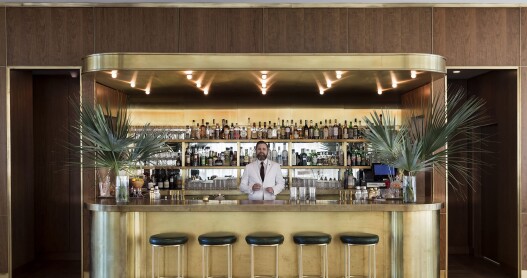
The Thoroughbred Club is in the lobby of Charleston Place hotel, right in the middle of downtown Charleston. They serve up classic cocktails (try their gussied-up negroni) and also have a great tea service, with live music every afternoon and evening.
With its pressed tin ceilings, exposed brick walls, and extensive cocktail menu, The Belmont could easily be mistaken for a bar in Brooklyn. But the laid-back vibe is pure Lowcountry. The Belmont is one of Charleston‘s first craft cocktail bars, and it’s still one of the best. No reservations.