
Montana

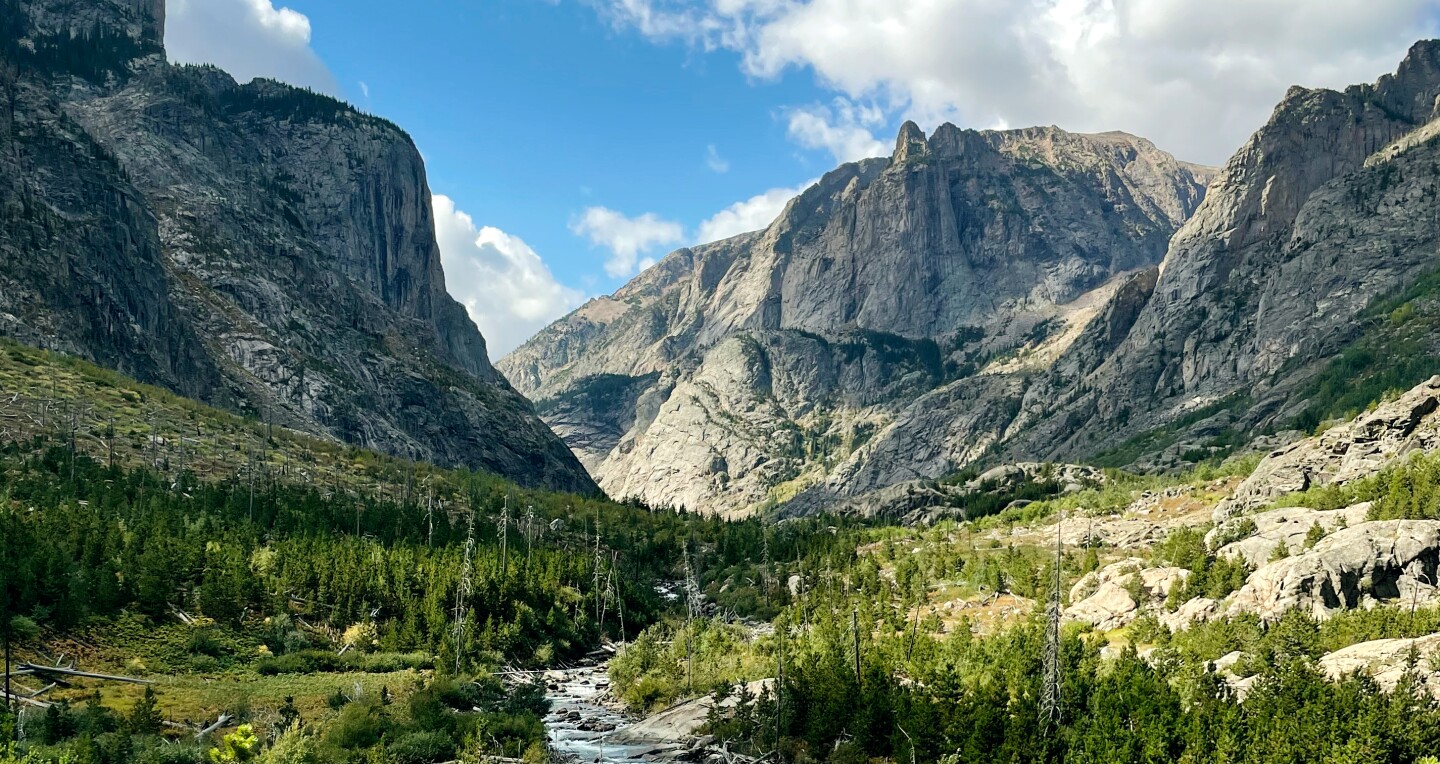
The frontier spirit is alive and well in Montana, the Mountain West’s biggest, boldest destination. Defined in the western part of the state by mountain ranges and legendary Glacier National Park, the east is known for the starkness of the high desert and the beauty of wide-open ranch country. Montana’s size demands that it be taken bit by bit, but each region, no matter how vast, personifies all the best the West has to offer.

Travel-Guides-Montana-Michelle-Heimerman.jpg

Photo by Michelle Heimerman

Overview

When’s the best time to go to Montana?

There’s never a bad time to visit the rugged Mountain West. Winter brings with it tremendous opportunities for alpine, back-country, and cross-country skiing, drapes mountaintops in heavy blankets of snow, and grants the truly intrepid opportunities to call entire swaths of open country their own. Spring brings wildflowers, surprising gatherings, and high-country horseback rides.

How to get around Montana

Montana’s busiest airport is located in Billings, in the south-central part of the state. Missoula, Helena (the state capital), Great Falls, and Bozeman have large airports, while a number of other cities are serviced by small regional airlines like Great Lakes, Sky West, and Frontier. Still, most visitors will arrive, and get around, by car. Montana is infinitely drivable, and an extended road trip is one of the best ways to see the state. Three major interstates run through the state: I-94 links North Dakota with Billings. I-90 runs from Sheridan, Wyoming, to Billings, on through Bozeman and Missoula, and then into Idaho. I-15 links the Canadian province of Alberta with Western Montana. Intercity bus links are provided by Greyhound, Powder River Trailways, and Rimrock Trailways, while the Airport Shuttle Express of Calgary, Canada, provides charter bus services from Calgary, Lake Louise, and Banff to numerous Montana towns. Train service is available via Amtrak’s spectacular Empire Builder, the 2,200-mile stretch of track between Chicago and Seattle. Trains stop a dozen times in Montana, connecting Libby, Whitefish, West Glacier, Essex, East Glacier, Browning, Cut Bank, Shelby, Havre, Malta, Glasgow, and Wolf Point.

Can’t miss things to do in Montana

The Winter Carnival is a two-day celebration hosted annually by Red Lodge Mountain Resort that turns the picturesque vacation town into a raucous center of splendor. The Cardboard Classic Parade whips down Broadway, live music takes over the mountain, Red Lodge Brewery hosts a keg derby, and now and then people find time to ski and snowboard (but only if they’re dressed in elaborate costumes associated with the carnival’s theme).

Food and drink to try in Montana

Montana’s culinary traditions are undoubtedly defined by the rancher’s way of life. Grass and grain-fed beef, wild game, and hearty varieties of vegetables remain wildly popular throughout the state, though the food scene in most big cities and many small towns has evolved along with the changing palate of modern Americans. Fast-food chains can be found in most every city and at rest stops along the interstate, while cafes, mom-and-pop diners, cantinas, steakhouses, and delis are never too far away. You’ll even find the odd noodle cart, Peruvian ceviche vendor, or sushi shack if you look hard enough (or find yourself in a Yellowstone gateway town). Buffalo burgers, elk chili, and antelope steaks feature on wild game menus throughout the Big Sky State, while cowboy beans and Indian fry bread pop up here and there. Chuckwagon cookouts are mostly geared toward tourists these days (real cowboys order pizza from their iPhones like the rest of us) but can be combined with exciting outdoor excursions, and they feature on many outfitter itineraries. Farmers’ markets pop up in most populated areas during the summer; famed Flathead cherries, huckleberries, raspberries, apples, rhubarb, and sweet corn are always popular.

Culture in Montana

Life in Montana is rooted in the traditions of the American West; this country was born by, and for, big dreamers, hard workers, and free spirits. The state is home to some of the largest Native American reservations in the country; Crow, Cheyenne, Fort Peck, Fort Belknap, Blackfeet, Flathead, and other smaller reservations each have a culture all their own and remain open and welcoming to visitors looking to understand more of the people who first called the country home. The annual Crow Fair and Rodeo is the Apsaalooke Nation’s largest gathering, known as the “Tepee Capital of the World,” when nearly 2,000 temporary structures are raised during the weeklong celebration of Crow culture.

The Wild West Winterfest takes places in Bozeman every February, celebrating the best in living out west with chili cook-offs, dog keg pulls, skijoring, horse sales, and more. The Whitefish Winter Carnival features penguin plunges, a beer barter, parades, and appearances by Wayne Newton. North American Indian Days and the Miles City Bucking Horse Sale turn small-town Montana into the wild, wild west, and give visitors a glimpse at a way of life few folks have the mettle to continue living in this fast-paced, ultra-modern world.

Local travel tips for Montana

Montana is home to the Custer Battlefield, a tiny slice of Yellowstone National Park, professional gold panners, the best trout fishing in the country, more archaeological dinosaur digs than almost anyplace else on earth, and Glacier National Park, the UNESCO World Heritage darling.

Guide Editor

READ BEFORE YOU GO
HOTELS
These 19 hotels around the world immerse you in their destinations while carving out space for unhurried time together.
With their firepits and comfort-minded interiors, these are the best hideaways where you can embrace the chill this season.
Big Sky Resort just welcomed One&Only Moonlight Basin, the most exciting hotel opening in this scenic ski town.
Our favorite outdoorsy brand is upping its comfort game with these new hotels.
Afar’s resident hotel expert uncovers 12 of the most alluring new and renovated hotels of 2025, from California to Indonesia.
For musicians, traveling without one’s instrument has always been an exercise in deprivation. Our writer visits a place in Montana that’s solved this problem.
Urban escapes, dude ranches, island retreats, and more: This list of the top 15 family-friendly hotels across the United States is your go-to guide for a multigenerational getaway.
It’s easy to see why these ski chalets and mountain cabins are among the highest rated on Airbnb.
These are the best U.S. hotels for watching one of the most spectacular night-sky events of the year.
These are the 10 best ranches and lodges for families in the American West.
RESOURCES TO HELP PLAN YOUR TRIP
A mineral lick for wild game and a swimming place for the Nez Perce and other Native American tribes, the Lolo Hot Springs, “discovered” by Lewis and Clark in 1805, became a health resort for dudes and wealthy Westerners in the late 1880s. Today the Lolo National Forest in west central Montana, 32 miles southwest of Missoula, is a paradise for camping, hiking, fishing, and in winter, cross-country skiing and snowmobiling. In a prime location to explore 500 miles of trails and scenic drives, the Lodge at Lolo Hot Springs offers weary adventurers the chance to relax in two indoor natural hot spring mineral baths in enclosed grottoes. Built to suggest a Western fort, lodge rooms are lined with white pine logs and log furniture and have large picture windows overlooking the forest. The lodge rents ATVs and snowmobiles to guests. Lodge-based activities include geocaching, Frisbee golf, horseshoes, croquet, and volleyball.
This family-owned and -managed 1,000-acre guest ranch in Lewis and Clark County is paradise for riders of all ages looking to improve technique while learning about equine psychology and Western working life. The owners, Zack and Patty Wirth, and two of their six children, all direct descendants of 1860s Montana homesteaders, breed and train quarter horses and hold wide-ranging riding rights on a neighboring ranch of 85,000 acres. Guests, a maximum 20 at a time, ride according to their interest and level; time in the saddle (or bareback) might be spent in the ring, on scenic trail rides, endurance training, or learning to rope and work with the Wirths’ 30 Corientti and Longhorn cattle.

Four cozy rooms of the same size but with different bed configurations have fireplaces and mountain views. The atmosphere is communal and convivial, the hosts dining with guests and taking note of the weather and individual interests to plan activities. Many teen visitors fulfill dreams of unlimited horse time; for non-riding family members or partners there is guided shooting, hiking, and mountain biking. There’s also technical fly-fishing on the Little Prickly Pear Creek, a spawning ground for rainbow and brown trout. For rock hounds, fossil-rich shale cliffs sit just a mile away from the barn and guest rooms.
There are helipads but no cell phones or young children at Triple Creek Ranch, a 600-acre luxury Western playground on a slope of 10,157-foot Trapper Peak, Montana’s highest mountain, near the Idaho border. Owned by Craig and Barbara Barrett (he, the former CEO of Intel; she, a former astronaut and U.S. ambassador to Finland), this elegant, high-end dude ranch offers sapphire pan mining, scenic trail rides, fishing from stocked trout ponds, and guided hiking, cross-country skiing, and snowshoeing (including starlit expeditions), as well as themed weekend stays focusing on art, food, and wine. The owners’ no-hunting policy has resulted in large herds of elk and other game gravitating to the property, and guests frequently spot animals from huge log cabins decorated with leather furniture and original Western-themed art and equipped with wood-burning fireplaces, private decks, bar, Blu-ray players, and working Wi-Fi connections. (Though the ranch deliberately has no cell phone signal.) From May through October, for additional fees, the ranch pairs up guests with professional rodeo trainers and Orvis-endorsed fly-fishing operators. In winter, the lodge facilitates transportation, tickets, and equipment rental vouchers for the nearby Lost Trail Powder Mountain downhill ski center (300 inches of snow annually) and Chief Joseph Cross Country Ski Area.
In 2007, hedge fund investor Jim Manley bought a working cattle ranch on the site of a historic silver-mining claim to stake as his bigger-than-life family retreat. In 2010, he opened up the Ranch at Rock Creek, a toy-filled haven in southwest Montana’s Big Sky Country, with 13 houses with one to five bedrooms, luxurious canvas cabins for “glamping,” or a nine-room granite lodge. All are decorated by designer Jet Zarkadas and feature Oriental carpets, deep leather chairs, cow skin and woven Navajo rugs, custom duvet covers, and period Western photos and memorabilia. Despite the remote location and 5,200-foot elevation, all accommodations have landline, working Wi-Fi, and cell phone coverage; some have moose antlers, a private sauna, outdoor hot tub, and indoor copper bathtub.

Open year-round, the 10-square-mile property encompasses meadows, high country lakes, grassy ridges, and stunning vistas of the Pintler and Sapphire mountains. This self-contained adventureland offers horseback riding; heli-hiking; fly-fishing; river floating; high-tech mountain biking; rope courses; trap shooting; and archery on a 3D course using powerful hunting bows to shoot life-sized models of animals. Weekly rodeo and stagecoach rides underscore the Western theme; in winter, guests cross-country ski, ice skate, and snowshoe on-site. A kids’ club frees parents for spa time and other pursuits.
You can’t beat the atmosphere and scenery at this Swiss-styled lodge, built 1913–14, on the scenic shore of the largest lake in Glacier National Park. The historic main-lodge rooms with lake views, as well as outlying cabins sitting on the pebbled beach, are often booked a year in advance. This leaves many travelers, who accept that nature is the main amenity, to make do with rooms in the characterless four-story modern motel wing. The soaring lobby lounge with a huge, pictograph-carved stone fireplace, vintage hand-painted lanterns, and deer, elk, and mountain goat trophies, as well as the sensational views from the pier and beach, make up for minuscule bathrooms, spartan room furnishings, slow Wi-Fi, and iffy cell phone signals. Self-drivers use the lodge as a base for the famed 50-mile Going-to-the-Sun Road across the Continental Divide. Hikers explore paths, including the wheelchair-accessible Trail of the Cedars, surrounding the 10-mile lake; the U-shaped valley branches into smaller glacier-carved “hanging” valleys dotted with waterfalls. In summer, guests also enjoy horseback riding and tours on the DeSmet, a vintage cruiser.
Still run by the descendants of its founder, Malcolm Mackay, this 114-year-old family-owned working cattle ranch in Roscoe, Montana, has been hosting guests—Roy Rogers and Robert Redford among them—since the 1980s. Lazy E-L Ranch is often booked a year in advance due to a capacity of just 14 guests who stay in three period cabins furnished with Western art, family pictures, and Navajo rugs. Instead of a formulaic schedule of staged chuckwagons, cowboy sing-alongs, roping practice, and nose-to-tail trail rides, guests have the option of a more authentic experience, joining ranch staff as they manage stock on 12,000 acres roamed by moose, deer, and bald eagles. The main draw here is integrating into ranch life, feeding chickens and horses, cleaning barns, and helping prepare family meals (though chores are optional). There are no guest cattle drives, but experienced riders can occasionally join or observe Lazy E-L professional cowboys moving 2,000 head of cattle. For guests preferring play to work, there’s horseback riding and hiking across pristine alpine pasture and barren plateaus; non-horse people can mountain bike down the terrifying Beartooth Highway, play soccer, baseball, and croquet, fish a private six-mile section of the West Rose Bud River, or raft the Class IV Stillwater River.
Seeing wild wolves in Yellowstone National Park is nearly impossible without a guide; amateur wolf watchers in any case need high-powered binoculars and tolerance for cold, as the best observation season is winter, when wolf fur stands out against the snow. But at Howlers Inn Bed & Breakfast & Wolf Sanctuary, just outside Bozeman, guests year-round can observe a captive-bred pack from their bedroom window, and even pet a wolf through the chain-link fence of the inn’s four-acre sanctuary. Owners Chris and Mary Martha Bahn originally opened the federally licensed shelter in 1993 for a single rescued wolf that was unable to return to the wild. Built to fund the shelter as it accommodated more animals to live as a pack, the cozy log B&B sits on 42 acres in Bridger Canyon amid boulder-strewn meadows backed by pine-covered hills. Two wolf enclosures, with a seasonal pond and creek, are currently home to five spayed or neutered timber and Alaskan tundra wolves, born in captivity, whose owners could no longer keep them. The Bahns do not breed or exhibit the animals for profit, but they’re happy to discuss wolf conservation as well as the controversial issues of game farm breeding and hunting. Guests are welcome to photograph the human-habituated animals during their stay.
Peggy Dulany, a New York philanthropist and daughter of David Rockefeller, bought J Bar L to protect the 620-square-mile Centennial Valley, a former Native American hunting ground settled by a few cattle-ranching families in the late 19th century—and which still has no towns, let alone paved roads, gas stations, shops, or subdivisions. To conserve the rangeland way of life, she hired locals to run a holistic grass-fed cattle business on the principles of rotational grazing and natural stockmanship. To share the landscape with nature-loving travelers and to keep the valley looking as it was, Dulany restored several abandoned 19th- and early 20th-century homesteads. These self-contained vacation rental homes range from a Sears Roebuck family house, now solar-powered, to isolated cabins on a bend of the Red Rock River. All come with fully-equipped kitchens and are tastefully filled with Western-themed furnishings and antiques; some have outdoor hot tubs.

J Bar L no longer offers working weeks for would-be cowboys but will match guests with geologists as well as with hiking, bird-watching, and fly-fishing guides. Horse lovers can hire ranch mounts for guided daily rides on rangeland that is home to pronghorn, elk, and Black Angus cattle, or up the slopes of the 10,000-foot Gravelly Mountains where wolves, grizzly bears, and bald eagles roam.
Coffee and espresso are a big part of the road trip experience for many people, though it usually comes quickly through a drive-thru window, or across the counter at a big chain coffee shop. The Big Lodge Espresso shop is different. This giant concrete teepee rests on the outskirts of Browning and serves up some of Montana‘s best coffee, 89-cent pastries, and two-dollar muffins. And, once again, it’s a giant concrete teepee! Get your camera ready.
The historic Crazy Mountain Inn is a great place to stop while cruising through Montana, especially if you arrive with a growling stomach. The Inn’s legendary chicken-fried steak will set you right (and put you in the mood for a 10-mile trek, or a fireside nap, depending on your constitution). The Sour Cream Lemon Pie is qually famed, though lighter breakfasts, lunches, and dinners do come out of the kitchen from time to time.