Thailand

Most visitors kick off their Thailand adventure in the country’s exhilarating capital, Bangkok, before moving on. The north offers emerald forests, mist-shrouded mountains, and the famously laid-back Chiang Mai. The south contains some of the world’s best beaches and diving, including iconic islands Phuket and Koh Samui. There’s much more to the country than its biggest hitters, though—ask anyone who has trekked through jungle in Mae Hong Son or visited cultural sites in Isaan. Thailand has experienced some political strife in recent times, but continues to capture visitors’ hearts with its beautiful landscapes and friendly people.

chiang-mai-thailand-lantern-festival.jpg
Overview

When’s the best time to go to Thailand?

There are three distinct seasons in Thailand: relatively cool from November to February, hot from March to June, and rainy from July to October. Generally speaking, it’s best to visit during the cool season. The hot season really is very hot, but this is also a popular time to visit because of Songkran (Thai New Year). Monsoon season is actually surprisingly pleasant, with heavy rains interspersed with long spells of sunshine.

How to get around Thailand

Bangkok is a hub for world travel with direct flights to Europe, the Middle East, Australia, and all the major cities in Asia as well as many secondary cities. There are no direct flights between the United States and Thailand, however: journeys usually involve a stop in another Asian city like Tokyo or Hong Kong. There are also international airports in Chiang Mai and Phuket. Once you’re in the country, it’s easy to get around Thailand. There is a top-class supply of internal flights, the public transport infrastructure is comprehensive, and you can always hire a car.

Food and drink to try in Thailand

Thai is one of the world’s most famous cuisines. From street-side feasts that come in at just a few dollars to full-on five-star blowouts, the dining options for local specialties are breathtaking. The flavors vary widely from region to region. Northern Thai food carries Burmese and Chinese influences. The northeastern Isaan cuisine shares much with Laos and Cambodia, while the spicy coconut milk–infused dishes of southern Thailand carry strong notes of Malay and even Indonesian cuisine. The best introduction to traditional Thai food is in Bangkok, where you can explore every nook and cranny of the country’s abundant larder. The Thai capital is also the best place to experience contemporary cuisine. Venues like Nahm, Bo:Lan, and Gaggan (this latter is molecular Indian) have featured in recent lists of the continent’s best restaurants, and culinary standards are lofty across the board.

Events

It’s worth making the effort to catch Loy Kratong, the November river festival in which Thai people ignite fireworks, release airborne lanterns, and float thousands of offerings to the river spirits on the country’s waterways. Thai New Year (Songkran) in April is a raucous celebration that sees Thais and visitors drench each other with water as the temperatures soar. To better understand the Isaan belief in ghosts and spirits, seek out Phi Ta Khon, a colorful merit-making festival that is held in the village of Dan Sai in Loei Province. It takes place over three days around the first weekend after the sixth full moon of the year. Also look out for the Surin Elephant Round Up, held in late November each year, during which participants prepare enormous buffet spreads for the local pachyderms.

Culture in Thailand

With sacred spiritual sites complemented by modern museums, hip galleries, and other cerebral attractions, Thailand is the perfect place for an injection of culture. Bangkok, especially, is awash with international-class museums and plenty of contemporary art. For the more traditional side of Thai culture, bask in the history and grandeur of the Grand Palace in Bangkok. The nation’s long and storied history of majestic Buddhist kingdoms can also be witnessed at sites like Sukhothai and Ayutthaya—both former capitals. Chiang Mai, the northern capital, has an incredible array of wats (Buddhist temples) as well as a youthful and happening art scene centered upon Niemenhaemin Road.

Local travel tips for Thailand

Thailand’s many contemporary clubs, bars, and nightspots belie the fact that most Thais prefer local sounds to foreign imports. Thai country music, which includes luk thung (rowdy and mostly instrumental) and mor lam (a slower, more vocals-orientated sound), is hugely popular around the nation. In Bangkok, venues like Isaan Tawandaeng and Isaan Tur Tur are packed with migrant workers whose level of boisterousness is commensurate with the flow of booze.

Guide Editor

READ BEFORE YOU GO
HOTELS
Set within the historic Nai Lert Park, Aman’s first urban hotel in Thailand is a sanctuary of sculptural art, serene suites, and next-level wellness.
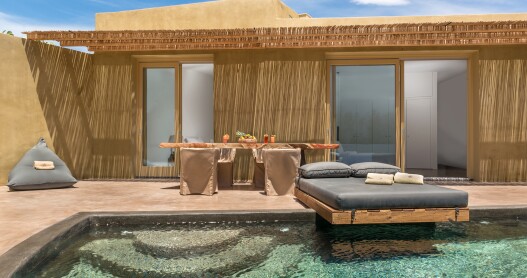
The top hotels in Thailand offer picturesque beaches, meaningful cultural encounters, delicious food, and eye-catching design.
At these rental properties around the world, you can commune with wildlife and farm animals.
If you’re looking for serenity in 2024, check out these top destination spas.
At these properties, the children’s programming goes far beyond basic caregiving services with immersive experiences that offer younger guests a deeper look into culture, nature, sustainability, and even themselves.
These are the best places to stay in Bangkok, whether you’re looking for a contemporary boutique hotel or a riverside grande dame.
The historic hotel on Bangkok’s riverbank is one of the oldest properties of the brand . . . and now, after an extensive $90 million renovation, one of its newest.
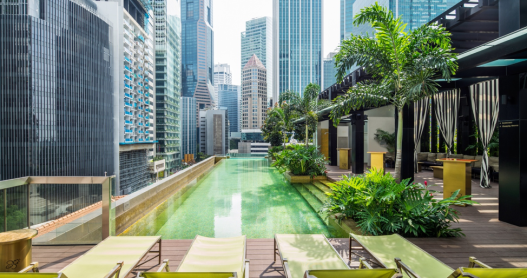
From shopping sprees in Singapore to thumping clubs in Berlin, the world is full of cool cities that move to the pulse of pop culture. Staying at the right hotel is one way to find the hippest places to eat, shop, and play.
RESOURCES TO HELP PLAN YOUR TRIP
Take a closer look at how some of the world’s most popular destinations are coping with overtourism—and learn a few ways you can travel more conscientiously.
Writer Anya von Bremzen takes a two-week-long Silversea cruise involving bubble baths, lots of food, and the ancient art of “villain hitting.”
Considered by many as Bangkok’s de facto city centre due to its location by the teeming Siam skytrain station, Siam Paragon has established itself as one of the most popular of the city’s temples of consumerism. With its easily navigable layout and tremendous range of shops, its elevated status comes as no surprise. Premium brands to be found here include Jimmy Choo, Versace, Hermes and Rolex while high street fashion is represented by the likes of Uniqlo, Gap and Zara.
Overview
Overview
Black Pig is one of the most creative tattoo parlors in the capital. Known for its bold and classic styles, the parlor, which collaborates regularly with guest designers and artists, is run in part by Luke Satoru, an expat New Yorker and a founding member of the Bukruk urban arts festival. Visitors seeking other styles can drop by the studio in Charoen Krung, one of Bangkok’s hippest neighborhoods, to discuss their favored designs with the resident team of experts.
Bangkok’s culinary scene has recently been enlivened by an influx of talented U.S. chefs who are upping creativity levels at venues around the city. One such addition is Texan Riley Sanders, the head man at Canvas. Sanders cut his teeth at restaurants in Austin and Chicago, as well as on a luxury yacht, and his globe-trotting approach to cooking is evident here. The emphasis is on local ingredients in the six- and nine-course tasting menus, which showcase modern Bangkok cuisine in a freewheeling approach. Recent menu highlights have included shrimp noodles dressed in an intense seafood sauce, and mud crab prepared with lotus root, lotus stem, swamp algae, and rice paddy herbs.
A clue to the appeal of the bar Tropic City is in its name: Here, sultry influences from Polynesia, Southeast Asia, the Caribbean, and Latin America fuse in a most refreshing way. The tropical theme informs everything from the decor—a tasteful mash-up of flower motifs and Portuguese tiles—to the sociable atmosphere on the outdoor terrace, which is packed nearly every night. It is most evident, though, in the carefully curated cocktail list, which dabbles in gin and mezcal while putting a heavy emphasis on rum-based drinks. Cocktails pack a punch, but light infusions such as vanilla, pineapple, and aromatic spices make it easy to put away a few—which perhaps explains why the venue has become a go-to for the city’s party set.
The Kudichin neighborhood was established before the city’s official founding, but most travelers miss this fascinating spot—and its delicious hybrid cuisine.
No matter which way it’s served—or prepared—the sweet and savory chili paste always brings the heat.