Venice

Without the lagoon between its great palazzos, churches, and museums, Venice wouldn’t be Venice. Even those averse to this isolated Italian city have a modicum of respect for its modest beginnings, its nautical empire, and its spectacular ingenuity for finding ways—day in and day out—to live by the whims of the sea. The city’s distinctive neighborhoods and barrier islands are resplendent with marble-clad buildings and statuary that tell the story of the extravagant rise of this maritime power. In all seasons, the city manages to find excuses and make time for celebrating its deep traditions and the influx of creativity that flows into its borders each year.

A canal in Venice with five boats; two of which are gondolas being rowed by one man each and no passengers.

Nick Karvounis

Overview

When’s the best time to go to Venice?

Each season has its intolerable moments of high-impact tourism, making it a pick-your-battles sort of destination. Some say to visit Venice in the winter, but prepare to find many shuttered shops and hotels, and the human-traffic nightmare that is Carnival. Summer visits to the lagoon can be a delight, but the prices and the wet heat soar to their highest rates of the year. While tourism remains fairly high during spring (April-June) and autumn (September through early November), the weather is much more pleasant, and the light changes from tawny yellow to bright white, lending an enchanting color to the ancient architecture and the watery thoroughfares of the city.

How to get around Venice

Venice’s Marco Polo airport is about 20-30 minutes, depending on traffic, from downtown via the ACTV express bus, which costs about $9. Private water taxis will collect you from the airport and deposit you in front of your hotel for a fee that fluctuates annually but seems to hover around $170.

The public transportation system in Venice, ACTV, operates along the Grand Canal. It connects passengers to the major points of interest including the Piazzale Roma bus station, S.M. Novella train station, and landmarks like the Academia Bridge, Rialto Bridge, and St. Mark’s Square. ACTV also services other lagoon destinations like the Guidecca, Burano, and Murano. Water taxis and gondolas that ferry travelers across the Grand Canal are also available.

Can’t miss things to do in Venice

- A meal at L’Arco, a Venetian bacaro, or snack bar, almost exclusively a locals’ breakfast and lunch spot. Prosecco and spritzer are the protocols, and the typical Venetian snacks like truffle-infused cheese crostini are—without fail—fresh, local and seasonal
- A visit to the 14th-century Doge’s Palace lets you see how the ruling class lived and gives a look at some of the finest art the city has to offer
- An evening stroll across the Piazza San Marco to see it at its most magical
- An Ecology of Venice tour organized by our travel partner, Context, and led by scientists who can shed light on how this floating island came to be and what its future may hold
- A nighttime ride on the Grand Canal, whether by private boat or one of the public water buses

Food and drink to try in Venice

International cuisine hasn’t yet taken hold in Venice. The options here range from local Venetian fare to regional Italian pasta and seafood dishes. You’ll find a smattering of bad Chinese restaurants, and one good but expensive Thai restaurant that recently opened in the new Aman Resort. Local specialties are the Venetian snacks, cicchetti, which are usually small pieces of toasted bread topped with baccalà cream, whipped truffle cheese, and a million other variations of toothsome nibbles. During holidays like Carnival and Christmas, special desserts like fritelli (basically a fried cream donut) and panatone, a light cake with candied fruits, appear for a short time to celebrate the holiday.

Culture in Venice

All corners of Venice have cultural significance and intrigue, from the ad hoc bridges linking the city’s 118 separate islands to iconic public spaces like Piazza San Marco and Rialto. If pressed for time, it’s a good idea to see at least one or two treasures from each neighborhood. In Castello, check out the Arsenale district and the Museo Storico Navale di Venezia to learn about the city’s maritime empire. In San Marco, the Museo Correr holds a bevy of fascinating Venetian art and rotating international exhibitions. Santa Croce would be a shame to miss, and visiting the Scuola Grande di San Rocco is a must. The same applies to the new Prada Foundation in San Polo. The Accademia Museum in Dorsoduro, though usually very busy, is an absolute gem, and since its restoration by the nonprofit Save Venice Inc., it’s now one of Venice’s hottest tickets.

Venice is a hive of cultural activity and offers a seemingly unending lineup of festivals, fairs, and street parties. The Venice Film Festival, Carnival, and the art and architecture Biennales are the most famous, and tend to last between two weeks and four months. But other less-frequented though equally entertaining events include the feast day Festival of San Marco in April, and the September Regatta Storica, a procession of ornate boats throughout Venice’s main waterways.

Local travel tips for Venice

What don’t they know? Venice is a small, insulated city made more intimate by its completely pedestrian layout. The locals know where to eat. They know the alley shortcuts that save you 15 minutes on your commute. They will tell you to abide by the high water alarms or risk getting caught by rising waters. If you’re looking for the best gin and tonic in town, they will direct you to the lobby bar at Hotel Londra Palace or suggest, only for the view, to consider lunch on the roof terrace of Hotel Danieli.

Local Resources

Guide Editor

READ BEFORE YOU GO
HOTELS
The new Aqva loft gives guests access to Venice’s quieter waterways, offering the city’s first exclusive floating lodging with full navigation capabilities.
Around the world, more hotels are inviting travelers into studios and workshops to create unique and highly personal souvenirs.
Hot on the heels of La Minerva in Rome, Orient Express is now taking bookings for its second hotel, Orient Express Palazzo Donà Giovannelli, in a 15th-century palace.
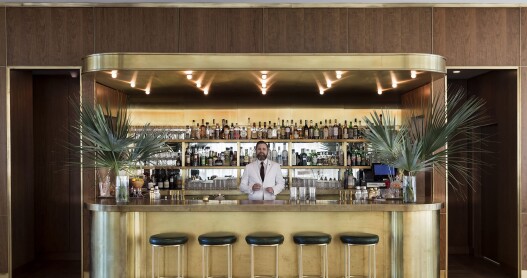
From lobby bars to rooftop lounges, these are the hotel bars Afar editors love checking out when they’re checking in.
April 25 marked the first time ever that Venice day-trippers were charged a fee to enter the city. Here’s how the new system works, how much it costs, and the dates when the fee is required.
AFAR’s picks for the 31 best new hotels in the world.
Set in a quiet square in the heart of Venice, Violino d’Oro showcases local craftsmanship.
These well-curated hotel shops will give you a sense of place and a lasting memory.
RESOURCES TO HELP PLAN YOUR TRIP
If you are in Venice, you will surely get familiar with local spritz (a fizzy, refreshing aperitif) and cicchetti, or small snacks. If you want to have a local experience, be sure to stop by Cantine del Vino Già Schiavi while walking around La Salute area.

It’s more of a wine bar or shop than a true restaurant, with floor-to-ceiling bottles along the walls and most patrons standing as they nibble cicchetti like bruschetta with a cod spread or brie and anchovies. Buon appetito!
The front section of this small spot was crowded with locals having a quick drink and a plate of cicchetti. We had reserved one of the six tables in the back. The menu, written on a blackboard, was all almost all unknown to me. Thankfully my Milanese traveling partners were there to translate. We ordered plates of baccala manecato and polenta, a Venetian style fish lasagna, and a seafood pasta. All washed down with jugs of a cold local white.
There’s plenty of art in Venice, from the churches to the Scuoli to the Accademia. But when you just can’t look at another Caravaggio, and even Titian hair doesn’t move you any more, refresh yourself with a visit to Peggy’s house. The renowned American heiress lived here for 30 years and houses a beautiful selection of her famous modern art collection. It’s a real jewel, small enough to feel manageable, significant enough to cover almost all of the modern art movements and include important pieces from Jackson Pollock and Mondrian to Picasso, Dalí and Kandinsky. The petite sculpture garden (above) has the kind of works that will make you smile, and there are also temporary exhibitions. I was there during a special Futurism collection and a young intern, seeing me with my 13-year-old friend Niambh, offered us a special one-on-one guide to the paintings. A joy.
During the day, the Piazza San Marco in Venice is an overwhelming flurry of activity, but once the sun sets, you’d be surprised at just how much a sense of ease and languor settles in. Life simply slows down as the crowds depart. Stop by Caffè Florian for a memorable evening. Opened in 1720, this is Italy‘s oldest cafe, and features ornate frescoed and gilded salons, as well as an outdoor seating area for great people-watching. Sip a drink and enjoy Caffè Florian’s live orchestra and singers as you sit under the beautiful night sky, with an illuminated St. Mark’s Basilica in the background. Looking around at my family, I could see total contentment reflected on each of their faces—the most magical and relaxing night of my trip. While not inexpensive, this evening was worth every Euro to me—a night that I will remember fondly for the rest of my life.
This pink-marble waterfront edifice in Piazza San Marco dates back to the 14th century, when it was the residence and seat of government for the doges (rulers) of Venice. Today the ornate Byzantine- and Moorish-influenced Gothic Palazzo Ducale is a symbol of the city, and serves as a museum hosting some of Venice’s most important art, including the famous Bacchus, Venus, and Ariadne masterpiece by Tintoretto. It also runs the popular Secret Itinerary and Doge’s Palace Hidden Treasures tours. After you’re done, treat yourself to a glass of wine in the small on-site bistro, with windows looking onto the Grand Canal adjacent to the Bridge of Sighs.
Let the wind blow through your hair as you take a 30-minute vaporetto ride to Burano, an island in the lagoons of Venice. Known for its brightly-colored fishermen’s homes, the island is largely free of the tourist crush of the rest of Venice. Spend the afternoon shopping for exquisite handmade lace and sampling gelato, then do as the locals do - gather in the town square at sunset to enjoy drinks and people-watching in one of the many cafes.

We settled in at Trattoria Da Primo, where the bartender recommended a typical Venetian drink, the “Spritz” (Prosecco, Aperol or Campari liqueur, and soda). Then get ready to feast at Trattoria da Romano, regular host to locals, tourists, and visiting artists. The restaurant is famous for Venetian specialities such as creamy Goh fish risotto and fresh seafood. Burano is definitely the place to go for a quiet, small-town feeling night out in Italy.
While traveling through Italy, my art history professor booked us students into religious colleges and convents. Wether it was to save money or because she thought osmosis would occur and our knowledge of Venetian Religious Art would be enhanced, I am not sure. However, as a non-religious person I really didn’t mind staying in a space dedicated to Christianity. The rooms were clean and the breakfast conversation was as interesting as the breakfast itself. But there is Wi-Fi, serene areas to write, relax and take in the sounds of the connecting church and the location is ideal for any traveler looking to explore a part of Venice that many tourists don’t see. The view from your room won’t disappoint either, and unlike hostels, for some reason I just felt like my stuff was safer with the prying eyes of Mother Mary, the crucifix adorned in every room and paintings of Don Orione looking over you.
Two things you need to know about gondola rides in Venice: They’re worth it; and the price is agreed beforehand. Knowing those two things, you can happily hop aboard this traditional Venetian mode of transport and relax, because, touristy as it is, it’s not a rip-off, and it’s a must-have experience. You can pick up a gondola almost anywhere in Venice, and you can see whatever sights you want from one... My own recommendation is to head away from the Grand Canal to the quiet backwater canals where you can really imagine yourself centuries back in time. We engaged our gondolier at the station near Rialto Mercato and asked him to take us across to Cannaregio, a more residential area that still boasts some extraordinary palazzi and churches. We barely met another boat, apart from the odd Venetian getting himself home on his motor launch, and unexpected delights loomed upon us silently and suddenly, like Marco Polo’s house, or the Chiesa dei Miracoli. All in all, much better than joining the heavy gondola traffic in San Marco.
The Bellini was born in Venice at Harry’s Bar, which has been hopping since 1931. Declared a National Historic Monument by the Italian government in 2001, this San Marco bar and restaurant is a cultural institution. Even though it doesn’t do the best food in Venice, and prices are ridiculously expensive, it’s worth dining here once just for the experience. Over the decades it has served a global collection of writers and artists, including Ernest Hemingway, Charlie Chaplin, and Orson Welles, and today it’s still popular with Venetian movers and shakers.

The interior decor has not changed since Giuseppe Cipriani opened Harry’s on the eve of World War II (and during the war, Harry’s was one of only a handful of restaurants in Venice that would serve Jewish patrons). The food is classic Venetian. Try the baked sea bass with artichokes for a main, and make sure to save room for dessert. Harry’s is famed for crêpes flambées and also its Cipriani chocolate cake. Reservations are imperative; when booking ask for the ground floor because dining here is all about seeing and being seen, and the second floor is considered much less cool by Venice society (although it has much better views and more dining space).
Built in 1525 as the family home of Doge Andrea Gritti, this antique-stocked palazzo has rooms with mosaic floors, hand-painted furniture, and panoramic views of the Grand Canal. Murano glass chandeliers and sconces light up the hotel that Ernest Hemingway called “the best hotel in a city of great hotels.”

Hotel Gritti Palace, Campo Santa Maria del Giglio, Venice, 39/041-794611. From $519. This story appeared in the July/August 2011 issue.