Florence

Of the cities that have enjoyed moments as true cultural capitals of the world, Florence is one of the most surprising. A modest trading center, and one devastated by the plague in 1348, Florence emerged late in the 14th century as the “Athens of the Middle Ages.” This was due, in large part, to the ruling Medici family embracing their role of patrons to Leonardo da Vinci, Michelangelo, Brunelleschi, Machiavelli, and other artists and writers.

The glories of the Renaissance are found everywhere you look. The Palazzo Vecchio sits beside the Piazza della Signoria, the symbolic heart of Florence, while less than five minutes on foot will bring you to the Uffizi Gallery, a treasury of many of the most famous paintings of the Renaissance. Cross the Arno River over the Ponte Vecchio and you’ll soon arrive to the Pitti Palace and Boboli Gardens. This city is more than the sum of its parts. When circumstances led to Milan, Rome, and other Italian cities surpassing Florence in population and commercial importance, the historic heart of Florence remained largely intact. Only a few modern buildings can be found in the city center, much of the medieval streetscape remains, and here you can walk in the footsteps of some of Western civilization’s greatest minds.

original-florence-banner-crop-2019.jpg

Photo Courtesy of Atibordee Kongprepan

Overview

When’s the best time to go to Florence?

Florence at the height of summer is often hot and almost always crowded—late spring and early fall are preferable if possible. While Florence is a year-round destination, if you are combining your trip there with visits to wineries and smaller towns in Tuscany, be aware that some businesses do close in the winter.

How to get around Florence

There are no direct flights from the U.S. to Florence, but you can connect through European hubs. The city center is about 20 minutes from the airport by taxi or bus. If you’re also visiting Milan, Rome, or Venice, each is two hours or less by train, with Florence’s main station at Santa Maria Novella near the historic center.

Florence’s compact historic area is best explored on foot, as narrow, busy streets make walking easier than driving. Buses are useful mainly for trips outside the center. Taxis are safe and affordable for short distances, but must be picked up at a taxi stand.

Can’t miss things to do in Florence

The Uffizi Gallery ranks alongside the Louvre and the Hermitage as one of the world’s great museums, though its collection is more focused—specifically on Italian art from the 14th to 17th centuries. The entire arc of Renaissance art can be traced through its canvases, with masterpieces by Botticelli, da Vinci, Fra Filippo Lippi, and many others.

The Galleria dell’Accademia, on the other hand, is a must-stop thanks to one masterpiece: Michelangelo’s David.

Florence’s cultural highlights include a number of buildings that are iconic landmarks. Foremost among them is the cathedral, or Duomo, which includes contributions from three towering figures: Brunelleschi (the dome and baptistery), Giotto (the campanile), and Vasari (The Last Judgment fresco). Students of garden design, and anyone who wants to simply smell the flowers, should explore the Boboli Gardens.

Take a break from all the headiness with a visit to the Mercato Centrale, or San Lorenzo Market. On the ground floor you can shop for sun-dried tomatoes, olive oils, and other culinary gifts. In the food hall upstairs, you can savor some of the flavors of Tuscan cuisine.

Delve even deeper into Florentine culture: sign up for a cooking class, attend a musical event, conduct your own street-food survey. Or take a fresco-painting workshop from our partner, Context Tours, where you’ll learn the ropes of this Renaissance painting technique from a working artist in his studio.

Food and drink to try in Florence

Tuscan cuisine is traditionally simple and hearty food, noted for its bean and vegetable soups and non-fussy pasta dishes. Florence’s most famous dish, bistecca alla Fiorentina, a thickly cut t-bone steak, can be found on many menus. If you have a sweet tooth, gelato was (at least according to some) invented in Florence.

Culture in Florence

Florence’s high culture is the reason to visit the city for many—its museums are home to many masterpieces of Renaissance Italy while some of its churches and palaces are true architectural wonders. The lines at the Uffizi Gallery can be long and purchasing advance tickets is highly recommended. While you will want to see Florence’s most famous highlights, its smaller institutions can offer a respite from the crowds: the Bargello houses important works by sculptor Donatello while the Horne Museum displays the collection of its 19th-century British founder, an avid collector of Renaissance art.

READ BEFORE YOU GO
Following recent regulations in Rome, Venice, and Cinque Terre, additional Italian destinations are implementing rules aimed at encouraging more responsible travel.
HOTELS
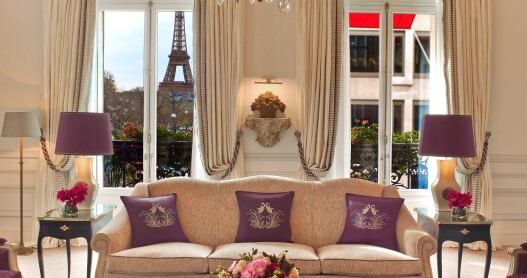
There’s nothing dreamier than a room with a view, and these luxurious hotels are perfectly positioned to give you the best views of some of Europe’s most memorable sights.
RESOURCES TO HELP PLAN YOUR TRIP
The Bardini Garden is one of Florence‘s best kept secrets. It was built in the 12th century as part of a large estate owned by the Mozzi family. During the 20th century it was closed for many years and only reopened in 2005 after significant restoration. The garden is small and easy to walk through in about an hour and its hillsides offer spectacular views of Florence. Wandering among the terraces and flowers is an excellent way to escape from the touristy historic center and instead feel part of what this old city once was. During the off-season and in the morning or late afternoon, you may be the only visitor! The Bardini Garden can be accessed in two ways. One is by going into Boboli Gardens and exiting on the left side—this can be hard to find, but is marked on the Boboli Gardens map you receive on admission. The second way is via street da Costa San Giorgio 2. The garden opening hours vary according to season. It is closed the first and last Monday of each month. Admission is included in the Boboli Gardens ticket, or can be purchased separately for around 10 euros (and includes admission to the villa). There is also a restaurant with beautiful terrace views.
Family style restaurant where you can sample virtually everything on the menu. Salad sampler, pasta sampler, meat sampler. GET IT ALL
The Piazza Della Repubblica was the place to be in Florence in the evenings. Tourists and locals alike dined at the restaurants lining the square, student groups gathered, families enjoyed the Carousel, and gypsies and other migrants tried to sell everything from silk scarves to toys..right up until the police arrived and they all magically disappeared.
One of the best views of Florence can be savored from the Piazzale Michelangelo, a short walk across the Arno River from downtown Florence. For a fun afternoon head to the square and enjoy an enchanting panorama of the city, followed by a relaxing alfresco lunch at one of the nearby restaurants. The Piazzale Michelangelo is also worth a visit at night to get a very different glimpse of Florence. The lights of the Duomo and the buildings surrounding it make for a magical nighttime scene.
Standing in the Piazza Santa Croce, a statue of Dante looms over the square from the corner. Florence, where Durante degli Alighieri’s journey through hell, purgatory, and paradise was to begin but not end. In 1829 a tomb was built for him in the Basilica of Santa Croce—the largest Franciscan church in the world. The tomb has remained empty ever since as Dante’s body lies in Ravenna.
There are few better places from which to enjoy river views and sunsets than the Ponte Vecchio, built in 1345. Spanning the Arno’s narrowest point, this is the only bridge to have survived the German bombing of the city in 1944. There have always been shops on the bridge; the original butchers and grocers were replaced by sweeter-smelling gold and silversmiths in 1593. Sitting right in the middle is a bust of Benvenuto Cellini (1500-1571), the most famous goldsmith of them all.
Even with all the noted thinkers, artists, politicians, and powerful families who’ve called Florence home, Leonardo da Vinci is arguably the city’s most famous son. This homage focuses less on his artwork and more on Da Vinci’s forward-thinking inventions and theories. The exhibits are separated into five themes, with each including models based on Da Vinci’s instructions. The Earth section includes pieces like printing machines and an oil press; Water has hydraulic saws and water floats; Fire boasts military artillery inspired by the Atlantic Codex; Air has Da Vinci’s parachute, flying machine, and “winged man” paragliding prototype; and Mechanisms includes items based on Da Vinci’s codexes, to demonstrate their principles. Most items are hands-off, but kids will have fun learning how to operate the rotating crane and other models. Most of the pieces are made of wood, so you really get a feel for their bones—and for Da Vinci’s genius.
Florence may be full of fancy restaurants, but it’s also easy to eat well and eat cheaply in this Renaissance gem. Look out for good value lunchtime menus at restaurants where dinner may challenge the wallet; delis offering cheap lunchtime snacks; wine bars serving up gourmet eats to pair with the best vintages; rosticcerias with a mouth-watering selection of food to go and mom-and-pop joints with the kind of authentic, homely cuisine rarely found in more up-market restaurants.
Ancient Etruscan frescoes, Hellenistic-style Roman bronzes, gilded royal palaces, works by names like Donatello, Michelangelo, and Botticelli—there’s no shortage of extraordinary art in Tuscany. In Florence you’ll find churches and palazzi aplenty and a museum for every interest, from medieval artillery to Ferragamo shoes, while the smaller towns boast their own cultural and artistic gems. Here are some of the highlights.
An evening out in Florence often kicks off at around 7pm with an aperitivo and there are plenty of great bars in the city to choose from. The drink of choice for many Florentines is a Spritz, a refreshing mix of prosecco and either Campari or bright orange Aperol, a similar but sweeter concoction. In many bars, a serve-yourself buffet of hot and cold snacks is included in the price of your aperitivo setting you up for your evening entertainment of choice.