Berlin

Whether your interests lean toward history or culture or shopping or out-all-night fun or, even better, a mix, Berlin is sure to become one of your essential vacation spots. The city is loaded with writers and artists who are driving the conversation about the history city forward. The once divided city has turned into one of Europe’s cultural hot spots, where the fun goes on into the early hours of the morning before kicking right back off again. But Berlin’s ultra-modern present sits side-by-side with Germany’s history—most notably the country’s role during the 20th century and World War II. The city doesn’t shy away from its past, with sites including the Memorial to the Murdered Jews of Europe. Other worthwhile history stops include Checkpoint Charlie and the Brandenburg Gate.

Four people with big pints of beer cheersing

TTstudio / Shutterstock

Overview

When’s the best time to go to Berlin?

Berlin is famous for its summers—not that they’re especially warm, but there is just so much to do. The summer season can be wet, so it’s best to pack an umbrella—though rain doesn’t stop Berliners from enjoying their city. May is often considered the best time to visit, with good weather and plenty of festivals and events. Winters in Berlin are cold (below freezing in January and February), but the cultural events don’t disappear. Locals stay busy with seasonal festivities and quirky adventures like skiing on the grounds of the former Tempelhof Airport, which is now a giant city park.

How to get around Berlin

Berlin is served by two main airports. Tegel (TXL) is conveniently located within the city limits. Public buses (20 minutes) run from Tegel regularly to Berlin Hauptbahnhof and Alexanderplatz. Schonefeld Airport is connected to the city by S-Bahn and regional trains (30 minutes).

Berlin’s transportation system, the BVG, is reliable, convenient, and vast, and it includes buses, trains, and trams. As in many European countries, the BVG runs on the honor system, so make sure to validate your ticket before boarding. At random times, officers check the tickets of each passenger. The U-Bahn trains (underground lines) run until late and are round-the-clock on weekends; S-Bahn trains (commuter lines) traverse the city, making them best for fast connections. Taxis in Berlin are readily available, as are services like Uber.

Can’t miss things to do in Berlin

To really get a feel for Berlin’s cultural life, it’s best to visit one of the many parks and public spaces on a sunny afternoon or early in the evening. Görlitzer Park is one of the most popular hangouts, but you’ll find more locals at the Volkspark Friedrichshain. There’s a beer garden, a small hill for hiking, and even a fairy-tale fountain (the Märchenbrunnen). Museum goers should head straight to Museum Island, where five exquisite museums (all on one ticket) await.

For an overview of all that happened before, during, and since the Holocaust, seek out the Jüdisches Museum (Jewish Museum). The museum is a challenging but extremely worthwhile place to spend time.

Food and drink to try in Berlin

Food in Berlin runs the gamut—from cheap street foods (don’t miss the ubiquitous doner kebabs) to fine dining. Each Berlin neighborhood, or kiez, typically has its own food market. Fresh vegetables, produce, and bread can be bought at the markets, and many have small stands selling lunch or snacks.

Though, years ago, few people would have shouted “Berlin!” if asked for one of the world’s best food cities, things have changed. Trendy brunch spots, Vietnamese restaurants, and traditional German fare all play a role in today’s Berlin. Most tourists flock to the bars around Görlitzer Bahnhof and Schlesisches Tor, but there are plenty of other areas worth exploring. Branch out into Neukölln for the freshest crop of good bars. And rather than hitting the restaurants on Simon-Dach Strasse in Friedrichshain, go a few blocks east to Boxhagener Platz.

Culture in Berlin

With hundreds of independent galleries in addition to its many city-owned museums, Berlin has history and culture in spades. Museums cover everything from typography (Buchstabenmuseum) to film (Film and Television Museum). Art galleries in Berlin have a solid reputation among enthusiasts. Berlin was a hotbed for culture in the 1920s, and in recent years the city has again embraced its creative classes. Get some deep background on what life was like in Berlin during the Cold War by participating in Divided City, a private walking tour led by a local historian or architect from AFAR’s partner, Context Travel.

Artists, musicians, and innovators have made Berlin home in the past couple of decades, changing the very face of the city—sometimes quite literally. Street art and graffiti in Berlin is often ranked among the world’s best thanks to Berliners’ need to speak up and be heard.

In a city as diverse as Berlin, festivals and events happen all year long. Summertime sees an influx of music festivals: watch out for MyFest, Christopher Street Day gay pride, Carnival of Cultures, and Berlin Music Week. The winter has its fair share of festivals as well, most notably the star-studded Berlinale indepedent film festival.

Practical Information

  • The first language of Berlin is German. There’s a good chance you’ll run into English speakers in the city but a translation app or German language guide is definitely helpful.
  • Germany is a member of the European Union and uses the Euro as its currency.
  • The country’s standard voltage is 230v. Power sockets throughout the country require a type F adapter (though type C and E plugs will also work).

Guide Editor

READ BEFORE YOU GO
HOTELS
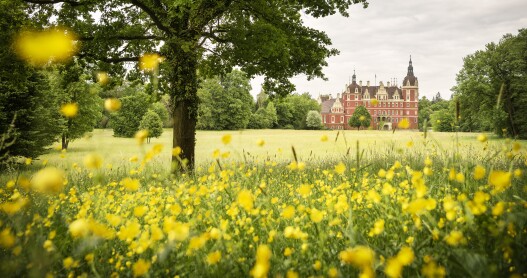
Berlin is a masterpiece of urban planning, from the Museum Island at the heart of its walkable center to groundbreaking Modernism Housing Estates, plus epic parks and forests waiting just a stone’s throw away.
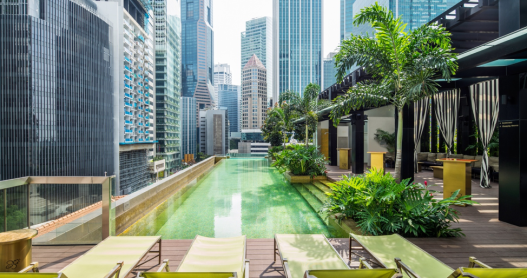
From shopping sprees in Singapore to thumping clubs in Berlin, the world is full of cool cities that move to the pulse of pop culture. Staying at the right hotel is one way to find the hippest places to eat, shop, and play.
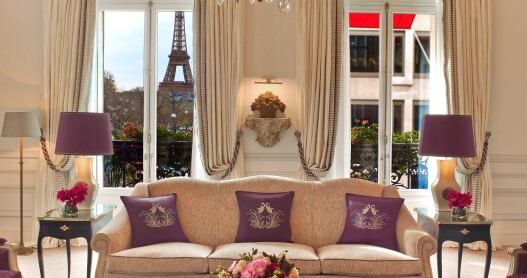
There’s nothing dreamier than a room with a view, and these luxurious hotels are perfectly positioned to give you the best views of some of Europe’s most memorable sights.
RESOURCES TO HELP PLAN YOUR TRIP
A Baltic Sea voyage on Viking Cruises proves just the ticket to satisfy both our 30-something writer and her baby-boomer mom.
Deep in Berlin‘s Grunewald Forest, Teufelsberg (literally, Devil’s Mountain; the name comes from the nearby Teufelssee, or Devil’s Lake) was once the site of a Nazi technology college. After the war, it was decided that the school would be buried beneath rubble and debris left in the city after the war, and the resulting man-made hill rose to more than 300 feet; during the cold war, American troops built a base on top from which to spy on East Germany. Since the wall fell, the base’s radar domes have become graffiti-spattered ruins and a haunting pilgrimage for urban explorers, street-art fans, and those seeking great views over the Grunewald and the Havel River. The hill is also used as a ski slope and sled run in winter; paragliding aficionados and picnickers enjoy it in summer. The website has official tour options.
Berlin prides itself on its farmers’ markets, which take place every Saturday (and sometimes during the week) all across the city and often have a wonderful atmosphere along with top-notch local produce. The Saturday Winterfeldtmarkt on Schöneberg’s Winterfeldtplatz is one of the most impressive, with more than 100 stalls that sell flowers as well as delicious food. The Saturday bio market on Prenzlauer Berg’s pretty Kollwitzplatz offers an array of local organic goods—from fruits and vegetables to chocolates and fresh pasta—as does the food market at Friedrichshain’s Boxhagener Platz. To get a taste of Turkish Berlin, head to the Landwehr Canal’s Maybachufer on Tuesday or Friday, when the local Turkish community sets up stalls there selling food, clothes, textiles, and more.
Organizers of a Berlin cultural festival will construct a replica of the wall as part of an immersive installation in the heart of Germany’s capital.
By far the most recognizable landmark in the city’s skyline, the TV tower is the tallest structure in Berlin, and in Western Europe as well. The 1,207-foot transmitter, built during the 1960s, was a source of pride for East Germany, though over time it has become synonymous with the New Berlin values of tolerance, creativity, and independence. The 656-foot observation platform—reached by a fast elevator—offers views of up to 50 miles on a clear day; it also has a slowly revolving restaurant, Sphere. Because the tower receives around a million visitors annually, it’s worth buying a Fast Track premium ticket online so that you can skip the lines. A shop in the tower’s base sells posters, T-shirts, and other accoutrements featuring the iconic tower.
Rolex Arts Weekend showcases collaborations between world-famous artists and their protégés. Dancers, film directors, architects, and more will flood into Berlin during this jam-packed weekend festival.
The Tiergarten might be Berlin’s most famous park, but the sprawling, 7,400-acre Grunewald wins the prize for the city’s most impressive forest. Fringed by the Havel River to the west, it contains a multitude of pleasant hiking and cycling paths, lakes and sand dunes, and a surprising number of cultural, historical, and architectural sights as well. Besides the Teufelsberg man-made hill and adjacent Teufelssee Lake, there are great forest views from the Grunewaldturm, which also has a beer garden. Jagdschloss Grunewald, a 16th-century hunting lodge, has a café and a collection of old masters paintings. Close to the S-Bahn you can see a touching memorial to the deportation of the city’s Jews, who were sent from this station to death camps during World War II.
Berlin is surrounded by lakes, and the star of the show is undoubtedly the Wannsee. Its waters lap at the Grunewald Forest and are dotted with yachting clubs and interesting cultural sights such as the House of the Wannsee Conference (where the Nazis planned the Final Solution) and the former villa of impressionist painter Max Liebermann, which exhibits his work and has a lovely garden café overlooking the lake. Nearby is the Pfaueninsel (Peacock Island), a former royal playground that’s now a pleasant park accessible by ferry. The most popular destination in summer, though, is the Strandbad Wannsee, a half-mile-long sandy beach jam-packed with locals and visitors.
Although this popular Prenzlauer Berg café only opened in 2005, it feels as if it has been part of the neighborhood forever. Lines from the 1919 poem by Kurt Schwitters that provided the café’s name adorn the walls alongside a reproduction of an Alphonse Mucha mural, and the interior has a classic art deco look (red leather banquettes, marble-topped tables, and red curtains) that perfectly matches the traditional German menu of breakfasts and lunches. It’s most famous for the former, including muesli and egg and crepe dishes, as well as elegant, bountiful tiered platters that brim with meats, cheeses, and fruits. Come early on weekends to beat the local families to a table, especially on the outdoor patio, which is perfectly positioned for people-watching.
An Israeli artist has called out some of the worst offenders.