Fiji

Fiji is an archipelago in the Pacific Ocean, almost halfway between North America and Australia. International travelers fly into Nadi International Airport, on Viti Levu, Fiji’s largest island (referred to by locals as the “mainland”). Here, you can explore museums, markets, and national parks. Head out by plane or boat to other islands, where you’ll find luxurious and romantic hideaways, dive resorts, or beach shacks where you can get away from it all, Robinson Crusoe-style. Wherever you go, you’ll be greeted with a hearty “Bula!” by welcoming locals.

original-fiji-banner-crop-2019.jpg

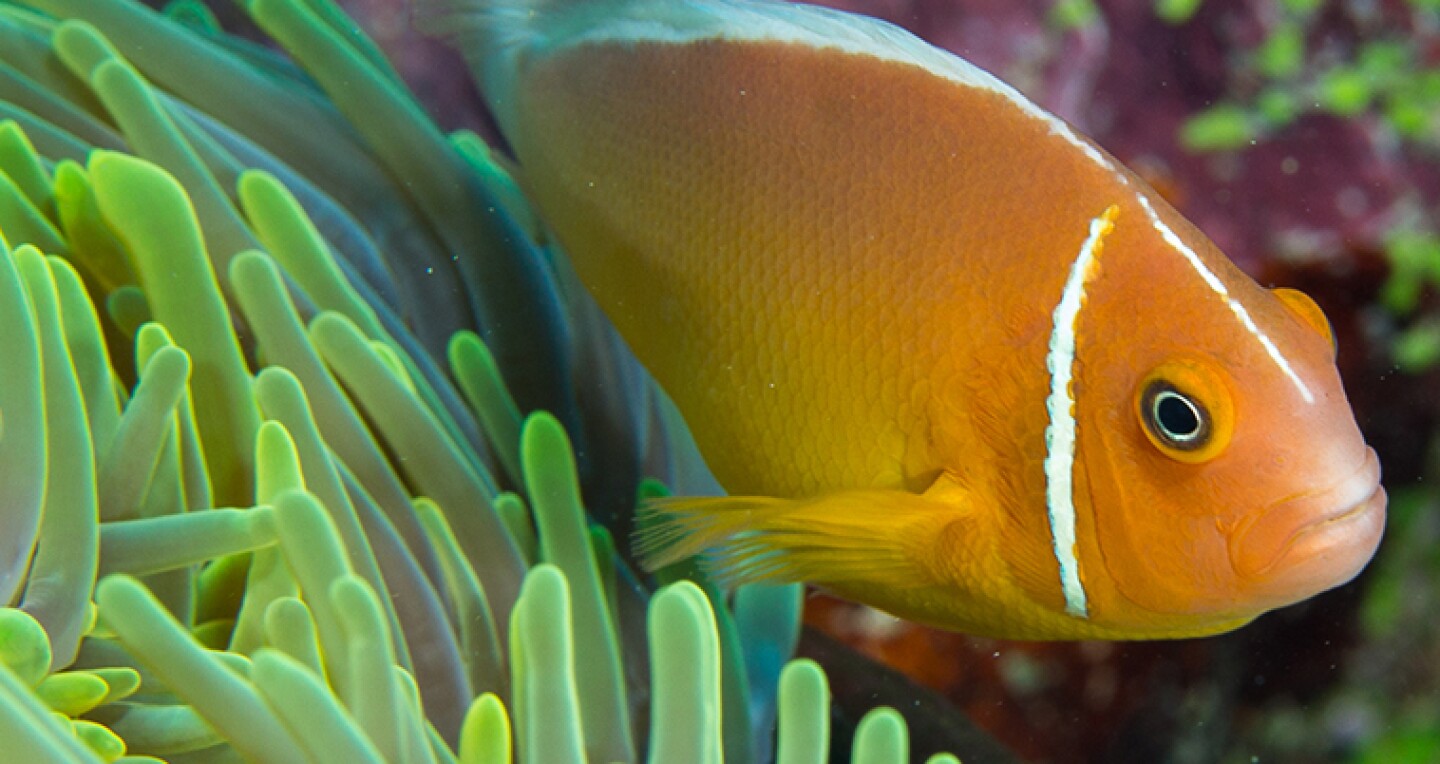
Photo Courtesy of Nick Hobgood

Overview

Beaches

To find Fiji’s best beaches, look beyond the main island of Viti Levu. Many islands and most resorts have lagoons, where protective reefs calm the waves; low tide can turn lagoons into shallow wading pools. You’ll find the country’s best collection of silken sands on the Yasawa Islands, including several good options on Yasawa, the northerly island of the chain. The Mamanuca Islands also offer some excellent choices. For an unusual option, consider an offshore beach. As tides come and go, pristine sandbars appear. They make a great base for snorkeling, and some resorts will drop you off for a private, romantic afternoon.

Away from the Beach

Visit the bustling capital city of Suva on Viti Levu to see the country’s busiest food market. In addition to getting a taste of Fijian cuisine, you’ll also see Fiji’s cultural diversity up close here. Learn about Fiji’s many ethnic groups, and the country’s history, at Suva’s Fiji Museum. If flowers are more your thing, head to the Garden of the Sleeping Giant, home to more than 2,000 different types of orchids. Get to know local critters, like parrots, boas, and iguanas at Kula Eco Park, a haven for Fijian wildlife. For an active inland adventure, tour companies will take you on river trips or hiking in Koroyanitu National Park, where you’ll discover waterfalls and local villages.

Food and drink to try in Fiji

Be sure to check out a lovo feast, the traditional Fijian meal cooked in a pit. Most resorts offer a lovo feast at least one night a week. Resorts can also organize a formal or informal kava ceremony. One thing you might not expect in Fiji is Indian food, but with nearly 40% of the population coming from Indian immigrant origins (many brought in under British colonial rule), you’ll encounter some excellent Indian cuisine. At upscale resorts, chefs often hail from Australia or New Zealand, bringing with them their countries’ taste for fresh seafood and lamb. If you like to fish, check to see if the resort will prepare your catch for you; many will if you’ve gone out on their boat.

Culture in Fiji

Fijians’ friendliness is legendary, and if you want to experience local hospitality firsthand, many resorts offer the opportunity to visit a local village. You’ll likely be invited to participate in a kava ceremony, where the mildly hallucinogenic drink is served, and offered some handicrafts for purchase. Most resorts also have evening shows with Fijian song and dance performances. While some offer slick, professional troupes, in more isolated areas it’s often locals who are performing from the heart. If you’re in Fiji on a Sunday, hearing an a cappella church choir could be one of the highlights of your trip.

Practical Information

While Fiji is a year-round destination, high season runs from May to October, coinciding with the winter dry season. Temperatures and humidity are lower, and there’s less risk of extended rainfall or cyclones. International travelers fly into Nadi International Airport, and often transfer by plane or boat to their final destinations. Resorts will either provide or help to organize transportation from Nadi. English is widely spoken, and the most important Fijian word to learn is, “Bula!” (“Hello!”). If you’re staying at an all-inclusive resort, a credit card may be all you’ll need, but Fijian dollars are available from ATMs in the airport and major cities. Tipping is nice, but not expected. Voltage is 240, with Australian three-prong plugs.

Guide Editor

READ BEFORE YOU GO
HOTELS
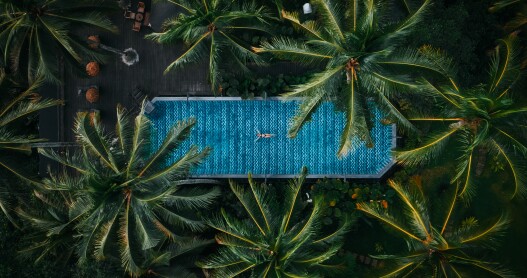
These hotel pools around the globe are worth building a trip around.
Consider this your personal Fiji resort finder to help you pick the right accommodation to suit your travel interests and needs.
It all starts with a mangrove sapling at Nanuku Resort on Viti Levu.
RESOURCES TO HELP PLAN YOUR TRIP
Fully vaccinated adults (as well as unvaccinated children accompanying them) can now travel to Fiji from the U.S. and several other countries.
Overwater bungalows have become synonymous with tropical luxury, but Fiji’s main island, Viti Levu, curiously had none to call its own until this Momi Bay stunner opened in April 2017. Set on the island’s west coast, about 45 minutes from the airport, the 250-room resort features 114 luxury bures (wood-and-straw huts), including 22 that sit over a man-made lagoon, with vaulted ceilings and deep soaking tubs; all of the accommodations have balconies or terraces with expansive views, plus woven pendant lighting that resembles local fishing nets, crisp white linens, and dark wood accents. A kids club, indoor and outdoor play areas, and pool just for the small set keep little ones occupied while parents lounge at the spa or an adults-only infinity pool—the place to be during swim-up bar sunsets (another infinity pool is open to all guests). After your sundowner disappears, head to Goji Kitchen & Bar, a teak-and-rattan restaurant serving updated Fijian favorites like cassava-chip nachos and pineapple-glazed fish.
Expect no less than over-the-top extravagance at Laucala, a resort island in Fiji with its own rental submarine. Bring friends: The island has 25 villas spread out over 4.6 square miles, with a rain forest, beaches, cliffs, a lagoon, and one of the island’s highest hilltops literally in their backyards.
Fiji’s cuisine is blessed with fantastic fresh ingredients and a variety of cultural influences.
For AFAR’s third annual Travelers’ Choice destinations awards, our readers cast more than 100,000 votes to recognize their top places to go. Get ready to hit the road—the world awaits.
Housed in the former residence of Ratu Sir Lala Sukuna, the early 20th-century chief who created the framework for Fiji’s modern institutions and government, this charming restaurant also has the best food in Suva. While the Western-style breakfasts and lunches are top-notch, it’s the dinners, including Fijian specialties, that make this place shine. Try the kokoda (raw fish marinated in lime, then doused in coconut milk), steamed fish, stuffed crab, and grilled New Zealand lamb. The service is impeccable, there’s a decent wine list, and reservations are recommended. Be sure to explore this colonial house and its interesting collections of memorabilia before your meal.
Taste Fiji is all about the local bounty, drawing on the very best ingredients from the islands—breadfruit flour, unusual mountain greens, and of course abundant tropical fruits—to create delicious dishes that are addictive. The star offering on the lunch menu is caramelized Vuda pork belly with sour, spicy chili vinegar and topped with toasted sesame seeds. The modern, café-style restaurant first made its name with its fancy cakes, so leave room for dessert—they’re still the top wedding cake maker in Fiji. There’s also a gift shop where you can buy soaps, crafts, jams, and jellies, all made locally.
After a period of tribal skirmishes, the Fijians suddenly looked up and found they’d been colonized by the British. The Grand Pacific Hotel, built in 1914, shows just what fun it was to be British back then. Built along the same design as a ship—with promenades and prominent views—the Grand Pacific provides an interesting contrast to Waikiki’s old hotels, which all face inland. You can’t tour the Grand Pacific, but it’s worth a walk by or a drink at the bar.
Best seen in early afternoon, when the puja (worship) is going on, or at twilight, when the setting sun makes stones glitter, this temple shows the strong influence of Indian culture and religion in Fiji. Sri Krishna Kaliya is an important place of worship for the Hare Krishnas (there are more here per capita than anywhere else). Around the temple, gorgeous murals tell the story of Lord Krishna’s history.
If you live in Lautoka and need something, you’ll likely end up on Vitogo Parade, the main shopping street in town. Visitors should go in search of Indian and Fijian art and handicrafts.