Fiji

Fiji is an archipelago in the Pacific Ocean, almost halfway between North America and Australia. International travelers fly into Nadi International Airport, on Viti Levu, Fiji’s largest island (referred to by locals as the “mainland”). Here, you can explore museums, markets, and national parks. Head out by plane or boat to other islands, where you’ll find luxurious and romantic hideaways, dive resorts, or beach shacks where you can get away from it all, Robinson Crusoe-style. Wherever you go, you’ll be greeted with a hearty “Bula!” by welcoming locals.

original-fiji-banner-crop-2019.jpg

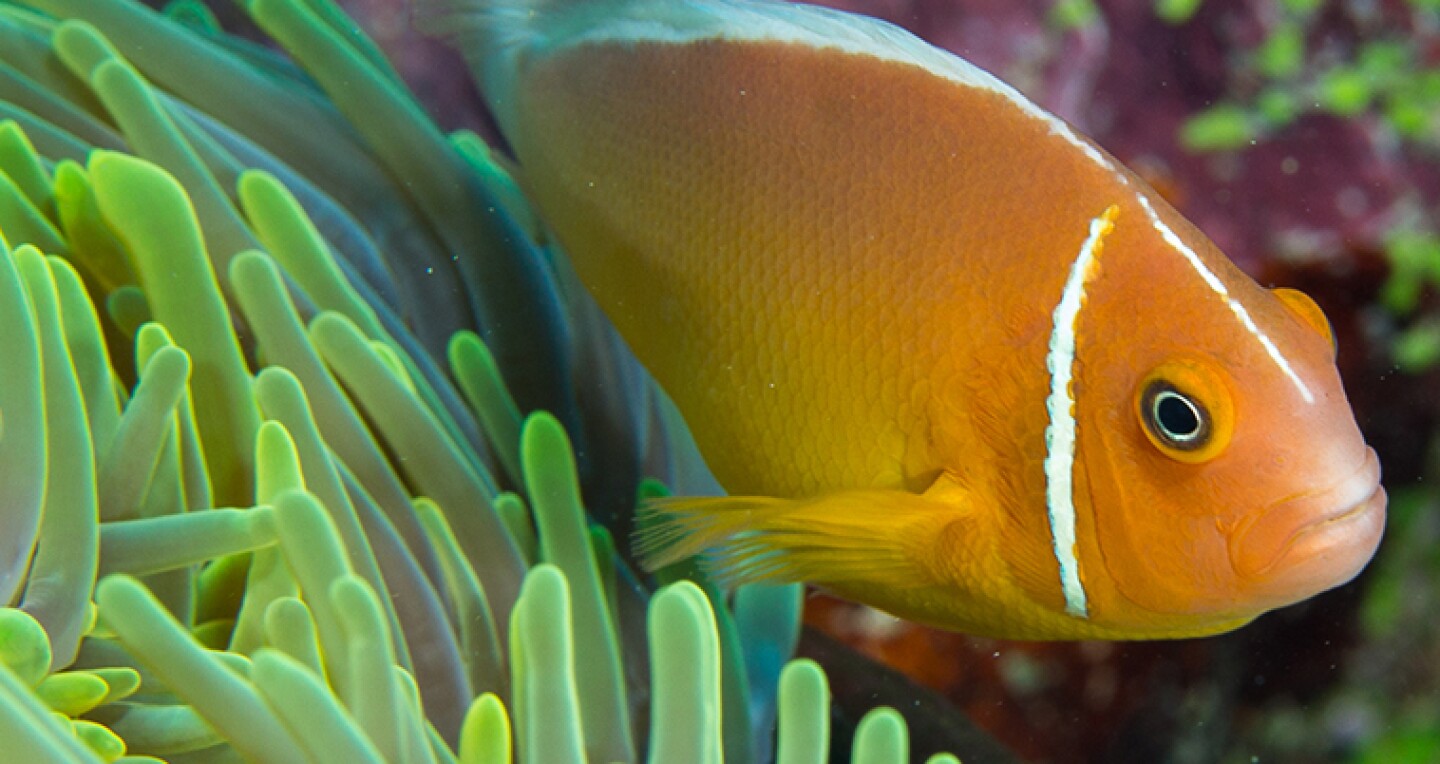
Photo Courtesy of Nick Hobgood

Overview

Beaches

To find Fiji’s best beaches, look beyond the main island of Viti Levu. Many islands and most resorts have lagoons, where protective reefs calm the waves; low tide can turn lagoons into shallow wading pools. You’ll find the country’s best collection of silken sands on the Yasawa Islands, including several good options on Yasawa, the northerly island of the chain. The Mamanuca Islands also offer some excellent choices. For an unusual option, consider an offshore beach. As tides come and go, pristine sandbars appear. They make a great base for snorkeling, and some resorts will drop you off for a private, romantic afternoon.

Away from the Beach

Visit the bustling capital city of Suva on Viti Levu to see the country’s busiest food market. In addition to getting a taste of Fijian cuisine, you’ll also see Fiji’s cultural diversity up close here. Learn about Fiji’s many ethnic groups, and the country’s history, at Suva’s Fiji Museum. If flowers are more your thing, head to the Garden of the Sleeping Giant, home to more than 2,000 different types of orchids. Get to know local critters, like parrots, boas, and iguanas at Kula Eco Park, a haven for Fijian wildlife. For an active inland adventure, tour companies will take you on river trips or hiking in Koroyanitu National Park, where you’ll discover waterfalls and local villages.

Food and drink to try in Fiji

Be sure to check out a lovo feast, the traditional Fijian meal cooked in a pit. Most resorts offer a lovo feast at least one night a week. Resorts can also organize a formal or informal kava ceremony. One thing you might not expect in Fiji is Indian food, but with nearly 40% of the population coming from Indian immigrant origins (many brought in under British colonial rule), you’ll encounter some excellent Indian cuisine. At upscale resorts, chefs often hail from Australia or New Zealand, bringing with them their countries’ taste for fresh seafood and lamb. If you like to fish, check to see if the resort will prepare your catch for you; many will if you’ve gone out on their boat.

Culture in Fiji

Fijians’ friendliness is legendary, and if you want to experience local hospitality firsthand, many resorts offer the opportunity to visit a local village. You’ll likely be invited to participate in a kava ceremony, where the mildly hallucinogenic drink is served, and offered some handicrafts for purchase. Most resorts also have evening shows with Fijian song and dance performances. While some offer slick, professional troupes, in more isolated areas it’s often locals who are performing from the heart. If you’re in Fiji on a Sunday, hearing an a cappella church choir could be one of the highlights of your trip.

Practical Information

While Fiji is a year-round destination, high season runs from May to October, coinciding with the winter dry season. Temperatures and humidity are lower, and there’s less risk of extended rainfall or cyclones. International travelers fly into Nadi International Airport, and often transfer by plane or boat to their final destinations. Resorts will either provide or help to organize transportation from Nadi. English is widely spoken, and the most important Fijian word to learn is, “Bula!” (“Hello!”). If you’re staying at an all-inclusive resort, a credit card may be all you’ll need, but Fijian dollars are available from ATMs in the airport and major cities. Tipping is nice, but not expected. Voltage is 240, with Australian three-prong plugs.

Guide Editor

READ BEFORE YOU GO
HOTELS
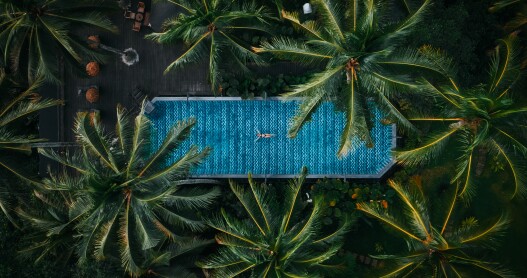
These hotel pools around the globe are worth building a trip around.
Consider this your personal Fiji resort finder to help you pick the right accommodation to suit your travel interests and needs.
It all starts with a mangrove sapling at Nanuku Resort on Viti Levu.
RESOURCES TO HELP PLAN YOUR TRIP
When a skeptical swimmer takes the plunge in Fiji, she discovers a whole world she had been missing—underwater.
PADI Ambassador Szilvia Gogh talks about her favorite places to dive.
Jean-Michel Cousteau and family have created an award-winning, five-star resort on the island of Vanua Levu, in Fiji. No phones, no wi-fi and no worries at this casual, luxurious resort. The thatched “bures” are private rooms and suiteswith views of the ocean or gardens. “The Villa” is the ultimate in privacy and island-style luxury with a private infinity pool, Jacuzzi tub, your own waterfall and outdoor shower. If you are familiar with the Cousteau family and the work Jean-Michel, and his father ocean conservationist and scientist Jacques Cousteau have done, you will be happy to know that the resort continues their work to preserve ocean life and teach people to co-exist with the flora and fauna of earth. Recycling, earth-friendly lighting and growing their own food for the kitchen along with ocean activities that promote learning and understanding of our world are key features. If you are a diver, you are in true paradise here. The resort provides access to the best dive sites in Fiji and the South Pacific. The Jean-Michel Cousteau Dive Centre is located just minutes away from a host of exciting dive sites. Jean-Michel Cousteau Resort’s restaurant offers a diverse cuisine, using only sustainable fish and local products. You’ll have an extraordinary ocean views from your table. If you brought the children, they can attend the complementary Bula Club at the resort. Glass-bottom boat excursions with the resort’s full-time Fijian naturalist/marine biologist Johnny Singh is a highlight. Children under the age of five have their own nanny assigned to them included in the accommodation. Website www.fijiresort.com
Savusavu’s hot springs—evidence of the island’s continuing volcanic activity—are mostly found scattered along the town’s scenic shoreline. Follow the well-maintained pathways to enjoy the abundant birds and butterflies, countless tropical flowers and fruit trees and memorable views over Savusavu Bay. There is no café or gift shop, so take a picnic if you’re planning on making a morning of it. Guides are available for an extra fee.

This spectacular waterfall, located a 20-minute drive from the town center, makes a pleasant side trip. A short five-minute jungle walk along a trail leads visitors to the waterfall. Swim in the natural pool at the waterfall’s base or even dive from its top, if you’re brave enough. There are some small beaches too, so you can bring a picnic and hang out for a while. Trips can be organized through some hotels or via a local taxi guide, so don’t be surprised if you’re joined by others.

Executive chef and owner of an L.A. hotspot shares his favorite things about his home country, Fiji.
An Unexpectedly Romantic Sail Around Fiji