Croatia

In 1995, after decades of Communist rule and ensuing bloody wars, Croatia emerged from the shadows into the travel spotlight—a nearly undiscovered corner of Europe. Today, visitors continue to arrive in record numbers to explore the country’s medieval cities and villages, eight national parks, 11 nature preserves, and more than 1,200 islands along the Adriatic coast. The dramatic Dalmatia region gets most of the spotlight, with summer crowds flocking to hot spots like the historic walled city of Dubrovnik, the bustling town of Split, and the glamorous island of Hvar. Lesser-known but equally impressive are the heart-shaped Istria (the peninsula at the northern end of Croatia’s coastline) and Kvarner (the gulf just to the south of Istria). The star of Croatia’s inland region is the buzzy capital, Zagreb, which, in recent years, has become a must-visit destination for its quirky museums, colorful markets, and innovative food scene.

Dubrovnik, Croatia

Photo by Brendan Van Son/Shutterstock

Overview

When’s the best time to go to Croatia?

The peak tourist season along Croatia’s coast runs from July through August. It can be hot, crowded, and expensive, but several festivals and events still make it a fun time to visit. For a bit of breathing room and lower prices, try the shoulder seasons—May through June and September are particularly lovely times of year. Winter used to be the quietest period for tourism, but that has changed in the last two years with Zagreb’s Advent festivals bringing in thousands of visitors for Christmastime merriment.

How to get around Croatia

Croatia has seven international airports, with the swanky Franjo Tuđman Airport (also known as Zagreb Airport) being the largest and busiest, as well as the main hub for the national carrier, Croatia Airlines. Other popular ports of entry, especially if you’re heading for the Dalmatian Coast, are Split, Dubrovnik, and Zadar; Pula is a major entryway if you’re Istria-bound.

The bus network in Croatia is extensive and reliable—and a good way to travel if you don’t have your own wheels. There are also regular ferries from the mainland to the islands, with more routes added during the busy high season.

Food and drink to try in Croatia

Croatian cuisine is a melting pot of regional specialties made with high-quality ingredients, from fresh seafood and spicy, paprika-rich fish stew to hand-rolled pasta with just-picked truffles. Don’t miss a meal of juicy meat or octopus, slow-cooked under peka (a dome-like baking lid). And be sure to wash it down with homemade wine or rakija, the local spirit made from fermented fruit.

Culture in Croatia

Croatians love to socialize over coffee and meals, but they also love to party, which makes it easy to see why the country has become one of Europe’s hottest festival destinations. On the other end of the spectrum, the majority of the population is Christian, and a visit to church on Sundays is an important aspect of local culture. As in many parts of Europe, soccer is the other dominant religion. You’ll make fast friends if you cheer for the home team while watching a match.

Can’t miss things to do in Croatia

Croatia delivers a heady mix of culture and nature, from its bustling cities and string of UNESCO World Heritage sites to its eight national parks that protect gorgeous stretches of wilderness. You can’t miss Dubrovnik’s walled Old Town, with its ancient ramparts and sweeping views, or the harbor city of Split, home to Diocletian’s Palace (the most complete Roman palace in the world). Sailing in Croatia—or at least visiting an island or two, like Hvar or Vis—is also essential. If you only have time for one national park, make it the lake-filled wonderland of Plitvice. And try to get to Zagreb, Croatia’s charming capital that has recently blossomed into a major destination.

Practical Information

Croatia is part of the European Union, so E.U. visa regulations apply. While Croatian is the official language, you’ll find that English is widely understood and spoken. The local currency is the euro. Electricity is 230 volts and plugs are types C and F (the standard European kind, with round prongs).

Guide Editor

Born and raised in Croatia, Anja Mutić is an award-winning travel writer who splits her time between Brooklyn and Zagreb.

Updated August 2023.

READ BEFORE YOU GO
After a multiyear renovation, Villa Argentina returns to Dubrovnik, Croatia, bringing new life to a storied Adriatic waterfront hotel that generations of locals and travelers have cherished.
HOTELS
Sure, the beaches and views are great. But these islands excel with sustainable innovation, rich local traditions, and unique accommodations.
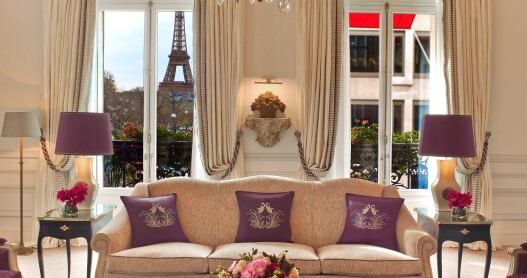
There’s nothing dreamier than a room with a view, and these luxurious hotels are perfectly positioned to give you the best views of some of Europe’s most memorable sights.
RESOURCES TO HELP PLAN YOUR TRIP
Canada opened to vaccinated Americans in August, and numerous European countries changed their entry requirements in September. Here’s the complete list.
A city of red-tiled rooftops, pine- and cypress-shaded hills, and sparkling turquoise waters, the Old Town of Dubrovnik stuns with both its architecture and scenery. Its surrounding stone walls, built between the 11th and 13th centuries to protect the city from war and epidemics, stretch for a full 1.3 miles, comprising an immense system of forts, bastions, and walkways that offer breathtaking views. Hike along them, then be sure to check out the Lovrijenac Fortress, built atop a 100-foot rock looking out toward Venice (Dubrovnik’s historic rival). The Old Town’s main street of Stradun, known locally as Placa, is also worth exploring. It’s especially nice in the late afternoon, when the sun shines off the historic buildings and swallows soar in the blue sky above.
Hidden away in the hamlet of Velika Plana inside the Velebit Mountain Biosphere Reserve, this ranch retreat is the perfect place to discover Croatia’s rugged Lika region. Either book a stay in one of the units (which range from teepees and river tents to mudhouse-style casitas and en-suite rooms with private porches) or pop in for the day to take advantage of the many activities on offer. The ranch specializes in horseback riding—guests can enjoy lessons, two-hour trots, or day-long rides that roam the range—but also features canoe expeditions, archery, and Jeep rides through the wilderness. For those who choose to spend the night, the spa compound has a pool, a Siberian cedar hot tub, space for yoga, and an outdoor treatment room.
Voted Croatia’s best restaurant several years in a row, Pelegrini is reason enough to visit Šibenik. The talented owner and chef Rudi Štefan continues to raise the bar at this gorgeous spot, which is housed in an ancient palace. In nice weather, book a table on the small terrace with sea views. Once seated, decide how many courses you want—there’s a minimum of three at lunch and five at dinner—then sit back and let the culinary adventure begin. Attentive waiters will bring out beautifully plated dishes celebrating regional flavors with a global spin. Think amberjack tataki, monkfish tripe, beef-cheek pasta, and tongue cubes with breaded sage, all paired with top-notch local wines.
A former military base for the Yugoslav National Army, the island of Vis was closed to foreigners for decades. Today, however, it’s one of Croatia’s best-kept secrets, mainly for its beaches, food, and history. Book a tour with Vis Special and explore the island’s old military sites, abandoned when the army left suddenly in 1992. The tours take in everything from rocket shelters and bunkers to weapon-storage halls and “parking lots” (read: tunnels) for submarines. They also stop at the former communications headquarters for the Yugoslavian secret service (which are dug into a mountain) and Tito’s Cave (where the erstwhile Yugoslav president hid during World War II). Lest this all sound grim, know that these sites occupy some of the most gorgeous spots on the island.
The most impressive ruins in the Old Town of Zadar can be found at the ancient forum, just steps from the seafront. Commissioned by the first Roman emperor, Augustus, and built between the 1st century B.C.E. and 3rd century C.E., the spectacular square offers a glimpse of life in early Zadar through its temples, porticoes, and colonnades. Walk around to find the remains of a temple dedicated to Minerva, Jupiter, and Juno; frescoes of mythological scenes; and an intact column that was repurposed as a pillory in medieval times.
This iconic restaurant in the Old Town of Dubrovnik stands out, even against the backdrop of lively Gundulić Square and its innumerable pigeons. From the blue-and-white-striped chairs on the outdoor terrace to the fresh seafood coming out of the kitchen, everything about Kamenice delights. As such, the affordable spot has earned a devoted local following. Settle in for dishes like mussels buzara, black risotto, fried small fish, and just-caught calamari. If you’re a fan of oysters, you’ll also want to order the succulent ones on offer here—sourced from nearby Ston Bay, they’re so fresh you can still taste the clean, salty Adriatic with each slurp.
In a swift four minutes, the Dubrovnik cable car will deliver you to the top of Mount Srdi for awe-inspiring views of the Old Town and Elaphite Islands. On clear days, you can even see Italy far out on the horizon. Next to the cable-car station is Napoleon’s Fort Royal, an immense stone fortress that played a strategic role in the 1992 Siege of Dubrovnik during the Croatian War of Independence. Today, the fort houses the Museum of Contemporary History, which showcases artifacts from the Dubrovnik battlefields as well as a BBC film that vividly illustrates the events of 1991 and 1992.
Running along the side of Diocletian’s Palace is the Riva, a seafront promenade lined with tall palm trees, bustling cafés, and shaded benches. Stretching from the bronze map of Split to the popular Marmontova shopping strip, it’s one of the busier places in town. Join the fashion-conscious locals gossiping over coffee at sunny cafés, or simply hang out here while you wait for your ferry to the islands.
As the daughter of one of Croatia’s most legendary chefs, Ivana Gamulin felt inspired to follow in her late father’s footsteps and open a restaurant. The result is Villa Spiza, a countertop spot within the palace walls, where she and her sister serve up Dalmatian soul food made with fresh, local ingredients. The menu changes daily depending on what’s available at the market but always features regional specialties like seafood risotto, fried calamari, and just-caught fish. For its comforting fare and low-key vibe, the restaurant is beloved by everyone from bohemians and backpackers to tried-and-true locals—which is always a good sign when searching for somewhere to eat. Service is friendly, but come prepared to wait—Villa Spiza doesn’t do fast food.