Australia

The land down under may seem like a world away, but it’s a dynamic destination that caters to music lovers and fashionistas, urban adventurers and discerning gastronomes, the nature-intrigued and seasoned outdoors explorers. Now reopen to international travelers, Australia beckons with all that it offers. You may come for the very great barrier reef in Queensland and discover scuba diving led by Indigenous guides; or pair Victoria’s ski scene with its wine scene. Maybe you should consider a longer trip...

Australia7.jpg
Overview

When’s the best time to go to Australia?

It’s hard to find a wrong time to visit Australia. Winter is June to August, when most of Australia hits a low season. This is the time to ski in the Kosciusko National Park or on Victoria’s Mount Hotham. It’s also the best time to visit northern Australia.

Between May and September the Northern Territory, northwestern Australia, and Queensland offer ideal weather. In summer, these areas swelter, either too humid or too hot, inciting some travelers to make a U-turn to more friendly climes down south.

From September to May, southern Australia is at its peak. Every other traveler looking for antipodean escapades arrives at this time of year, but there’s plenty of land to go around. December to February have most Sydneysiders and Melbournians pumping up the air-conditioning, while braver tourists define new tan lines on Bondi and Manly beaches.

How to get around Australia

They don’t call Australia “the land down under” for nothing. It’s a long flight from just about anywhere. And once you’re here, the various must-see destinations are spread over vast distances, so some logistical planning is necessary.

As of 2022, there were nine nonstop inbound flights to Australia from the U.S., stopping in Sydney, Melbourne, Brisbane, or Perth. Interstate flights are easily accomplished via Qantas, Jetstar, Tiger, and Virgin.

To see the whole continent in under a month is a serious undertaking and will involve trains, planes, a few automobiles, boats, and a ferry or two.

A less daunting project would be to take on the East Coast in one trip, spending time in Sydney and Melbourne, exploring Adelaide and the Great Ocean road by car, taking a car-ferry or flight to Tasmania, popping in to Canberra, and jetting up to Queensland for the tropical experience.

Western Australia is simple to navigate by train, car, or tour bus, but don’t even think about going into the outback alone in summer.

The interior outback, known as the Red Center, is best reached by organized tour, available as luxury excursions, adventure operations, backpacker units, and every other imaginable collective. You can take four-wheel-drives off road, but carry water (five liters per day, per person), bring a high-frequency radio transceiver, and be sure to respect Aboriginal sacred land, national park rules, and animal crossings at dusk and dawn. (Neither party comes out well from an on-road clash with a large kangaroo.)

Food and drink to try in Australia

Foreigners’ overused jokey adage to “throw another shrimp on the barbie” no longer sticks. First of all, Australians call them prawns. Second, Australian gastronomy has surpassed the humble barbecue. It remains a happy summer stalwart in backyards across the country, but what happens elsewhere is more interesting. The country’s food scene has been largely overlooked abroad, and for the most part the global food media have shunned Australia’s culinary experience, focusing instead on its cuddly native critters and extraordinary landscapes. It’s also true that the nation’s food culture is really coming of age. What was a less than inspiring restaurant scene just a couple of decades ago has blossomed in recent years. Restaurants such as Attica, Quay, Sepia, and Flower Drum can stand up to the world’s best.

Culture in Australia

The new year kicks off the traditional cycle, and less than a month later the country celebrates Australia Day. Officially it marks the anniversary of the arrival of the British in Sydney on January 26, 1788. Mindful of the original inhabitants of the land, the day is now simply a celebration of being Australian. Folks light the barbecue, play cricket on the beach, and take to the outdoors. Every happy Australian stereotype comes out on one glorious public holiday. Parties don’t come much more mind-blowing than the Sydney Gay and Lesbian Mardi Gras Parade, the biggest of its kind in the world. Go along to cheer on the sequined, feathered, Lycra-wearing ensemble as they celebrate equal rights.

Hippies, rockers, folk fans, indie types, country listeners, jazz groovers: There are festivals across Australia for every sort of music lover. Travel north to Byron Bay to revel in the stunning bushland setting of Splendor in the Grass, and go to Victoria for the Falls Festival, relocated from Tasmania following a two-year pandemic hiatus. See where Keith Urban started his career at the Tamworth Country Music Festival. There’s Tropfest for film lovers, and the Sydney, Melbourne, or Byron Bay Writers Festivals for the more literary.

Local travel tips for Australia

Australia is a wide, stunning, varied land. To travel around it well requires great research and good advice. Locals love nothing better than spouting off about their favorite places, the best eats, the must-nots and must-dos. “Shout” (buy) a local a beer and you’ll get better insider advice than you could from a guidebook, and probably a really good laugh.

READ BEFORE YOU GO
HOTELS
These 19 hotels around the world immerse you in their destinations while carving out space for unhurried time together.
Sure, the beaches and views are great. But these islands excel with sustainable innovation, rich local traditions, and unique accommodations.
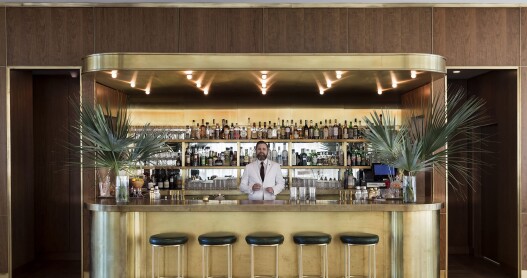
From lobby bars to rooftop lounges, these are the hotel bars Afar editors love checking out when they’re checking in.
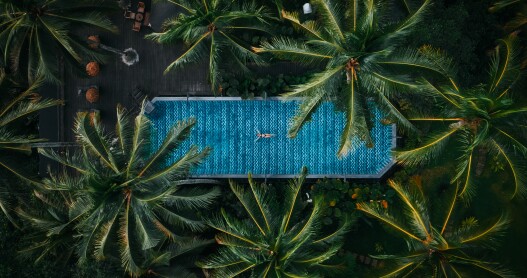
These hotel pools around the globe are worth building a trip around.
AFAR’s picks for the 31 best new hotels in the world.
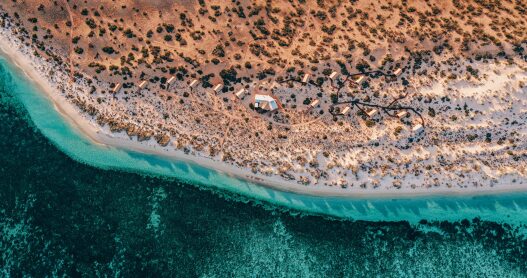
After having been decimated by wildfires in 2020, Southern Ocean Lodge in Australia is back—and it’s better than ever. Here’s a firsthand look at the reimagined retreat.
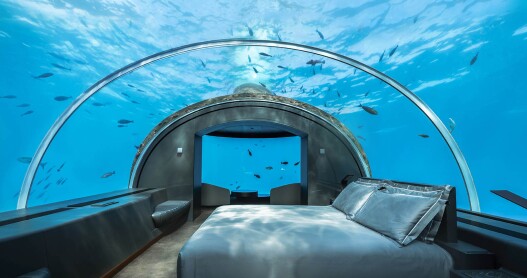
Sleeping with the fishes takes on a whole new meaning at these villas and suites under the sea.
There’s no shortage of luxury lodges, urban retreats, and pretty beach houses in Oz—but these are our favorites, from coast to coast.
Hotels can introduce their guests to the creativity that surrounds them—and reveal canvases visitors may not otherwise see.
Whether you’re after a view of Sydney Harbor or a neighborhood hangout with one of the best restaurants in town, these are the 15 best hotels in Sydney.
RESOURCES TO HELP PLAN YOUR TRIP
The meat pie is synonymous with Australia, and no place is more iconic in Sydney than Woolloomooloo’s Harry’s Cafe de Wheels. What started out as a simple stand turned into one of the first food trucks when local ordinances dictated that mobile food carts had to move at least 12 inches every day. There are now dozens of Harry’s around Sydney, each serving up their famous pies. “The Tiger” is the most well known: a pie topped with mashed potatoes, gravy, and mushy peas. There are no tables to speak of, but rather a counter attached to the truck. Thousands of celebrities, politicians, and locals have flocked to Harry’s for their pie fix. And the place is open until 2 a.m., making it a great late-night spot.
At Lizard Island, luxurious amenities meet an ecologically diverse island paradise. The sole resort on the island, the exclusive spot features 40 rooms as well as 24 private beaches, all but guaranteeing your own pristine sliver of paradise. Accommodations range from posh villas set apart from one another (including the two-bedroom, cliff-top villa, with its 26-foot pool and endless views of the Coral Sea), to garden-view rooms with private terraces and pathways leading directly to Anchor Bay beach. Furnishings follow a tranquil white-and-gray color scheme, while amenities include LCD smart TVs and Apple docking stations. Guests also receive their own motorized dinghy, standup paddleboards, clear-view sea kayaks, and snorkeling gear for exploring Giant Clam gardens and the schools of brightly colored fish in the surrounding waters. The more adventurous can even arrange for private deep-sea dives to locations accessed exclusively by the Lizard Island Marine & Dive team, ensuring you’ll have the coral reefs all to yourself.
The Busselton Jetty is the longest timber-piled jetty in the Southern Hemisphere and it reaches out over the protected waters of Geographe Bay to the tune of 1.8 kilometres. Heritage-listed and well loved by residents and visitors alike, it’s more than a jetty. The structure itself also houses a train, interpretive center, shops and the underwater observatory which is a stunning feat of engineering that allows visitors to get closer to the ocean’s inhabitants than I’ve ever seen anywhere else without actually being in a submersible or diving. On a gloriously sunny day, the ocean around Busselton Jetty seems clearer than drinking water and schools of fish can be seen in an around all the timber pilons weaving in and out of the grasses which grow on parts of the sandy bottom. Whether swimming from shore or from any one of the access staircases that line the jetty, it’s difficult to actually avoid getting one’s feet or whole body wet. Busselton is a lovely seaside town but the jetty is a surprising draw. On first glance, it’s like any in the world but take a closer look and you’ll quickly understand why area residents are so proud of it!
Speakeasies and secret bars are an ongoing trend in Australian cities, namely Melbourne and Sydney. Down an unassuming alley off Crown Street, behind an equally unassuming doorway, lies Shady Pines Saloon—if it weren’t for the alcohol license on the door and the bouncer outside, you would never know it was there. Inside, the décor is reminiscent of an old hunting lodge or saloon in the American West, with mounted animal heads, vintage beer trays, dim lighting, Johnny Cash on the stereo, and peanut shells coating the floor. Mustachioed bartenders mix craft cocktails and can advise you on their selection of bourbons and whiskeys. The fresh-pressed apple juice and whiskey is always tasty, while the mystery moonshine in the “leg bottle” makes for an adventurous choice.
The Grounds café—run out of a former pie factory in the warehouse district of Alexandria—makes coffee, juices, smoothies, baked goods, and rustic breakfast and lunch dishes with equal care. Order a flat white (a cross between a cappuccino and a latte) or a piccolo (a mini latte)—there’s also a coffee tasting board and a deconstructed iced coffee—to pair with your seasonal porridge or Big Brekkie (spicy chorizo and serrano ham with braised white beans, smoked peppers, halloumi, avocado, poached eggs, and thick slabs of house-baked toast). After brekkie, peek into the roastery and Potting Shed restaurant next door, and admire the enchanting garden and event space, complete with a coffee cart, barbecue joint, plant stall, and petting zoo.
Named for the wife of Governor Lachlan Macquarie, who presided over New South Wales in the early 1800s, this site provides one of the most spectacular views in town. Find the historic carved-rock ledge in the Royal Botanic Garden, east of the Opera House, where you’ll drink in a vista encompassing the Bridge, harbor and distant mountains, along with historic sites like Kirribilli House (the prime minister’s residence), the island of Fort Denison and the Navy Dockyards at Woolloomooloo.

I’m generally more of a details guy, but now and again there’s a place for a high-level, 30,000 foot view of a place (and cheesy sociology jargon). Kota Bharu’s massive central market is not for the feint of heart - or the vegetarian. The central section, depicted here, is generally where you’ll find standard fruits and veggies. If you wander deeper into the bowels of the complex, you’ll find a rather intense wet market (men chopping beef flanks like a lumberjack would fell an oak, pig intestines hung like festive garlands, and unscrupulous vendors hawking sea turtle eggs). We visited with a few travel friends, and I think I was the only one from the group who could handle the sensory assault. I found parts of this market particularly disturbing (just a whole lot of things going on I’m not used to seeing anyplace else), but as a travel experience - whoa, yeah. I’ll never forget this one. I must have shot more than 400 photos in the couple of hours I dragged our party through this complex. I’ll focus on the details in a future post.
The most high-adrenaline way to see Sydney Harbour, BridgeClimb has been dressing up locals and travelers in jumpsuits and safety harnesses to ascend “The Coathanger” since 1998. Along the way, they learn fun facts about the Sydney Harbour Bridge, like how it was built using six million rivets, which bridge workers tossed to each other when they were white hot and ready to weld. You’ll also gain a new appreciation for the Sydney Opera House as well as the world’s deepest natural harbor, which just so happens to be the birthplace of European Australia. At the top, strike your favorite Zoolander pose, or try “the koala,” which Ben Stiller invented during his climb.
The [incredibly luxurious] Terrace Hotel might seem almost like a black sheep, located as it is in the downtown heart of the steel-and-glass CBD of Perth in Western Australia. Don’t be fooled! The hotel is more like a spotless, white sheep, my experience so wonderful and luxurious that for almost the first time ever in my years as a traveler -- I forgot to take photos. [Image above courtesy Terrace Hotel FB page.] I was blessed to spend my 32nd birthdday at The Terrace and everything, from the food to the bed linens to the champagne and petit fours which were waiting in my room after check in, to the impecable way in which I was treated by staff -- was beyond reproach. Since the hotel is fairly new, you may find growing pains during your stay. Bear with them. I truly believe this hotel is destined for lasting greatness on the Perth hotel scene which is so desperately in need of great boutiques such as The Terrace. You’ll find it ideally suited for walking to most major attractions, in particular the river front -- with ferry to Rottnesst Island or Fremantle -- and even Kings Park. Don’t skip eating a meal at the restaurant, the food is as excellent as the night’s sleep you will have in their beds. And come prepared to share your Apple login if you want to access the complimentary Apple TV in your room.
Towering over the tin roofs of the historic Rocks district, the Shangri-La Hotel has helped set the standard for Sydney hospitality, not to mention harbor views. Alongside the Asian influences, personal attention, and secret scent (it’s not just the cascading floral arrangements) that Shangri-La is known for, the Sydney hotel also incorporates earthen Aussie tones and a host of foodie surprises—ranging from an award-winning deconstructed carrot cake to a 36th-floor restaurant with 360-degree, floor-to-ceiling vistas. In 2014, all the premium suites and the Horizon Club Lounge were spruced up with pops of turquoise to complement the color palette of cream, gold, and dark wood. Behind the scenes, the Shangri-La has worked hard to become more sustainable and socially conscious; initiatives include adding energy-efficient and water-saving fixtures, producing much of its food in-house, and donating money to local charities such as OzHarvest.